What Can Kill Mold Spores in the Air? Effective Solutions for Your Home
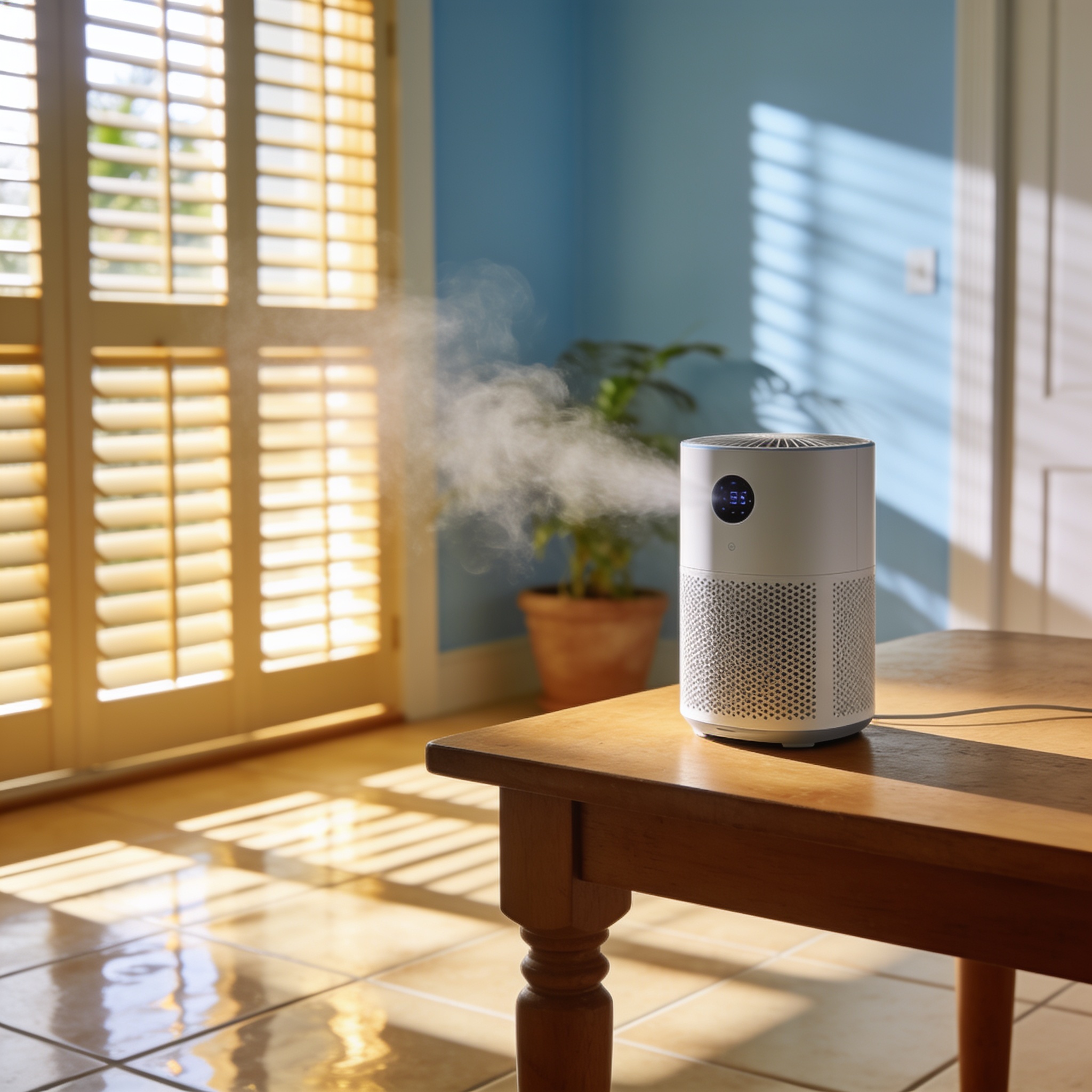
The most effective way to eliminate mold spores in the air is to utilize a HEPA-rated air purifier capable of capturing particles as small as 0.3 microns, which typically costs between $200 and $600 for a residential unit. Because Southwest Florida’s high humidity frequently triggers mold growth, addressing the source of moisture is just as critical as air filtration. Implementing a comprehensive strategy involving both mechanical filtration and moisture control is the only way to successfully improve indoor air quality in our climate. By using air purification systems, you can help remove these contaminants from your home environment. To safely and effectively manage your living space, you must tackle the root of the moisture problem.
Key Takeaways
- HEPA filtration is the gold standard for removing microscopic spores from your indoor environment.
- High humidity in Lee and Collier counties makes moisture control the primary defense against mold.
- Professional remediation is necessary if you discover extensive mold in air ducts or behind drywall.
- Natural remedies like equal parts vinegar and water are effective for surfaces but do not “kill” airborne spores.
- Regular HVAC maintenance is essential to prevent the spread of spores throughout your home.
- Controlling moisture and humidity control are vital to preventing future outbreaks in hidden areas.
What Causes Mold Growth and Spores to Be in the Air?
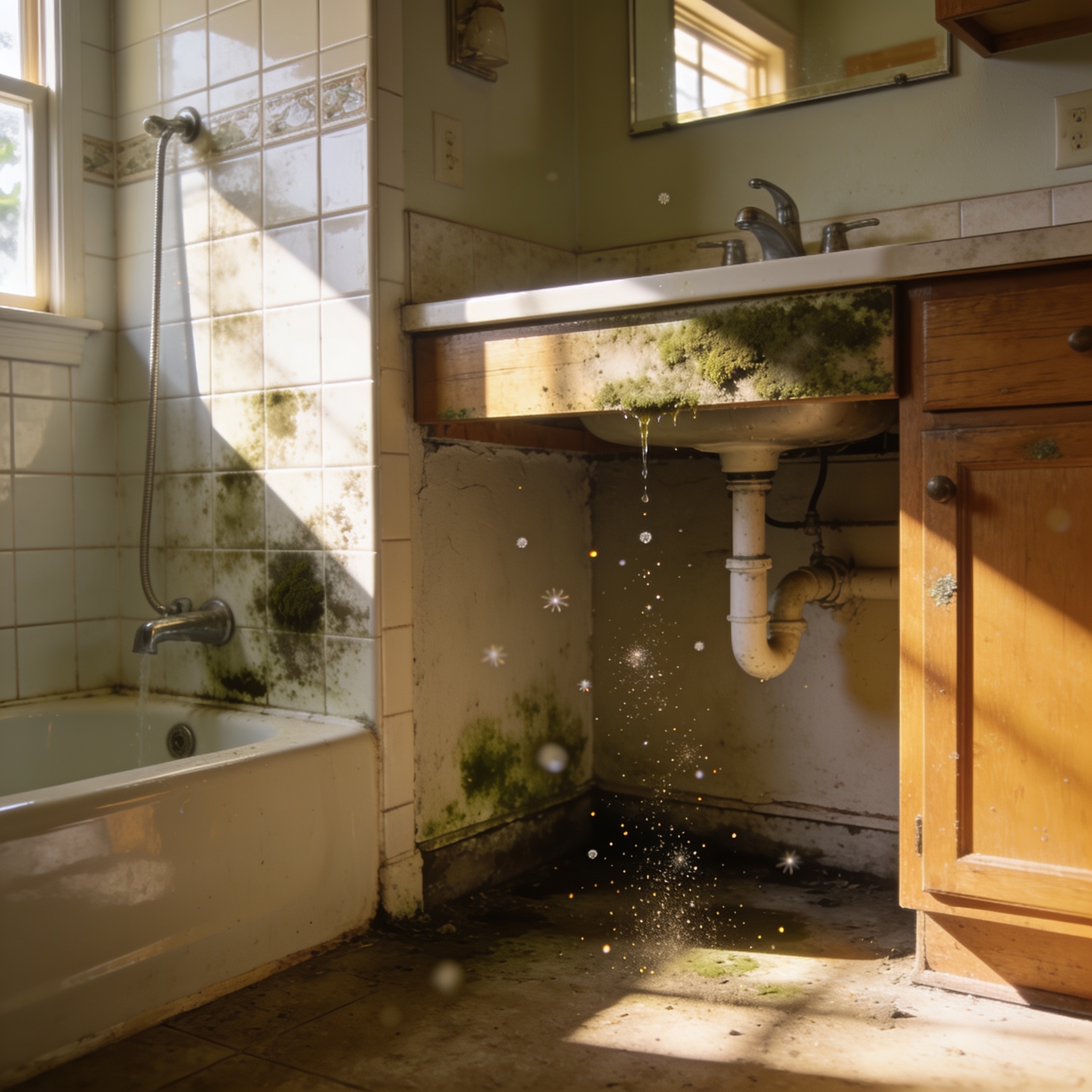
Mold spores become airborne when fungal colonies on surfaces are disturbed or release their reproductive cells into the environment. In SWFL, frequent storm-related water damage restoration needs often stem from high humidity and condensation that feed existing mold. Once mold growth is established on porous materials like drywall or ceiling tiles, it releases microscopic spores into the air that circulate through your HVAC systems. To address the underlying cause of contamination, you must take steps to reduce moisture, as this will help prevent mold growth in your home. Checking hidden areas behind furniture or inside walls can significantly reduce the risk of undetected colonies.
How Long Can Mold Spores Stay Airborne?
Mold spores can remain airborne for several hours or even days depending on the level of air circulation and the size of the particles. In stagnant indoor air, these particles eventually settle on surfaces, but they can easily be kicked back up by foot traffic or fans. Maintaining proper air circulation and inspecting air quality regularly helps prevent these spores from settling and colonizing new areas of your home. Because there is a potential for lingering mold spores, continuous air purification is recommended. Using high-efficiency filters can help remove these particles, while monitoring humidity levels can help prevent them from finding a new home.
Are Mold Spores in the Air Dangerous to Your Health?
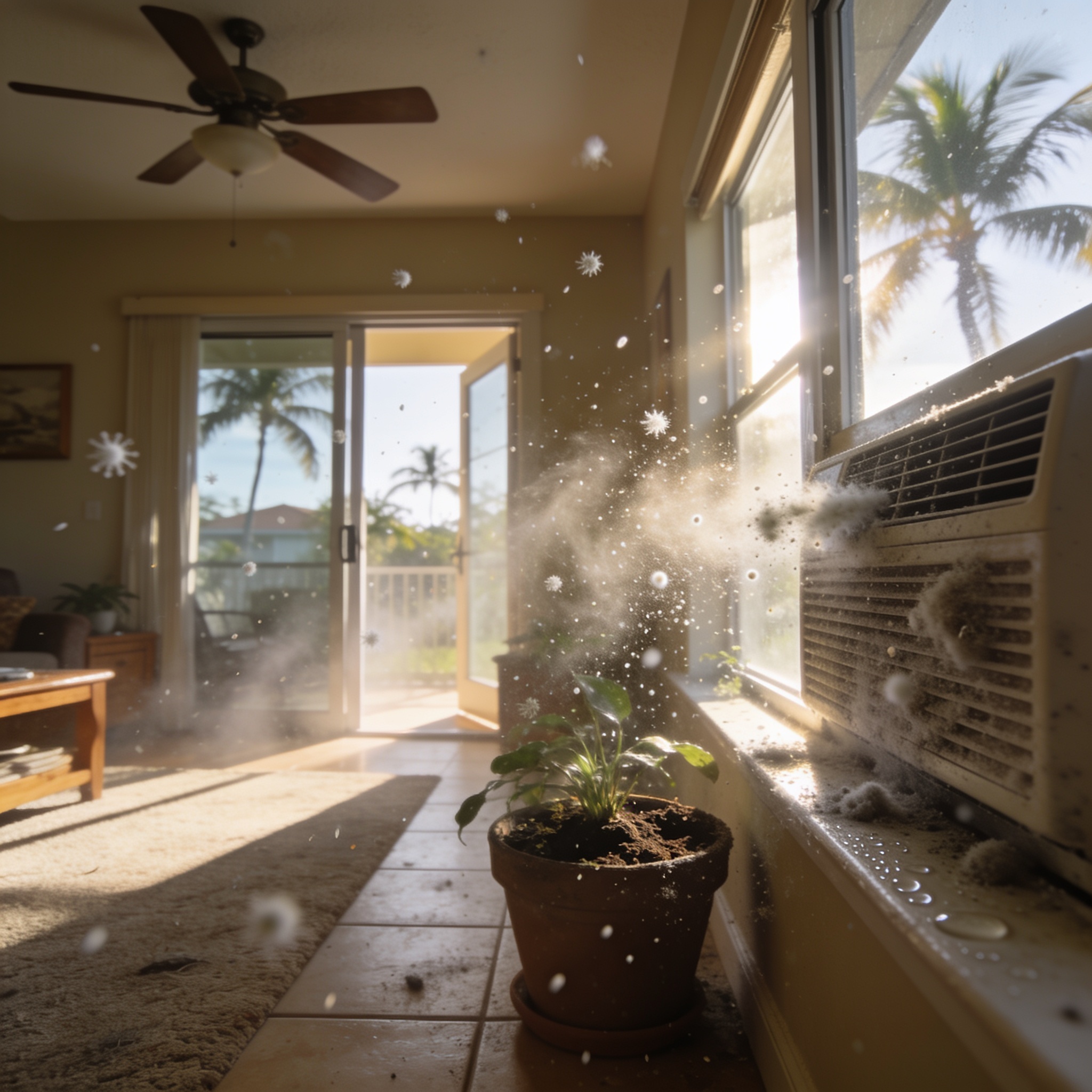
Exposure to mold can trigger significant respiratory issues, particularly for individuals with asthma or compromised immune systems. According to the EPA, health effects from mold exposure may include a runny nose, cough, and allergic reactions. Long-term exposure to mold in your home can lead to chronic respiratory disease, making it vital to address any moisture leak immediately to avoid potential health risks. Managing both indoor and outdoor environments is key to minimizing exposure, and a professional can help assess if your home requires remediation.
How to Get Rid of Mold and Improve Indoor Air Quality
The most effective way to address airborne contamination is through mechanical capture rather than chemical spraying. Since you cannot “kill” a spore while it is floating, you must use high-efficiency filtration to trap it. To properly remove mold spores, you must combine physical cleaning with air treatment.
- HEPA Air Purifiers: These devices use high-efficiency filters that capture 99.97% of particles as small as 0.3 microns to purify the air.
- Dehumidification: Consistent humidity control keeping indoor levels below 50% prevents mold from reproducing in the first place.
- Professional Remediation: Certified mold remediation companies use negative air machines to scrub the air during cleanup and ensure proper remediation of the structure.
- HVAC Upgrades: Installing high-MERV rated filters in your central air system captures spores as the HVAC air passes through.
- Source Removal: Physically removing the mold-infested material is the only way to stop the constant emission of spores.
- Natural Antifungal: For small surface patches, a few drops of tea tree oil mixed with water or hydrogen peroxide can act as a natural antifungal agent.
Do Air Purification Systems Help with Indoor Air?
An air purifier can help significantly by continuously cycling indoor air through a HEPA filter to capture airborne mold spores. While the device won’t remove mold growth on surfaces, it effectively reduces the concentration of mold spores indoors. Investing in a high-quality air purifier is one of the most proactive steps you can take to improve indoor air quality after a water damage event. Using air purification technology to trap mold spores is an essential part of maintaining a healthy home, and a professional can help determine the right unit size for your square footage.
What Natural Remedies Can Kill Mold Spores in the Air?
Natural remedies like an antifungal solution of equal parts vinegar and water are highly effective for cleaning and disinfecting surfaces but do not effectively kill mold spores in the air. These substances are designed to physically remove mold from non-porous surfaces like tile or glass. Relying solely on natural sprays to clear your air is ineffective because they cannot reach the microscopic particles suspended in the atmosphere. Instead, focus on mechanical filtration to remove mold spores, as moving air can help transport them into your purifier’s intake.
How to Address Mold in Air Ducts
You should never spray bleach into your air ducts, as it is corrosive and can damage your HVAC components while failing to reach the root of the mold problem. Instead, consult with professionals who use EPA-registered antimicrobial treatments specifically designed for ductwork. Professional oversight is required when dealing with mold in air ducts to ensure the cleaning process does not inadvertently spread more spores into the air.
How to Prevent the Spread of Spores: DIY vs. Professional Remediation
Small-scale mold issues might be handled with proper cleaning, but professional intervention is necessary for large infestations. If you suspect a major issue, professional mold remediation companies have the specialized equipment to safely contain the area and scrub the air. Attempting to remove mold on your own without proper PPE or containment can lead to a massive spread of spores throughout your living space.
| Method | Effectiveness | Best For |
|---|---|---|
| HEPA Air Purifier | High | Capturing airborne mold spores |
| Dehumidifier | High | Prevent future growth |
| Vinegar/Hydrogen Peroxide | Moderate | Cleaning and disinfecting surfaces |
How Can You Prevent Mold Spores from Spreading in Your Home?
The best way to prevent mold is to maintain strict moisture control and ensure your home has proper ventilation. If you have experienced water damage, contact experts in water damage restoration to dry the structure before mold can take hold. Taking steps to reduce humidity levels and fixing any plumbing leak immediately will keep your home mold-free and safe for your family.
Frequently asked questions
Understanding the nuances of indoor air quality can help you make informed decisions about your home’s safety.
Can I use bleach to kill mold in the air?
No, bleach is not an airborne disinfectant and should never be used in a fogger or spray to target air quality.
How do I know if I have mold spores in my air?
Professional air quality tests are the only way to accurately measure spore levels and assist in interpreting the results to identify the specific species present.
Does a standard AC filter catch mold?
Standard fiberglass filters are too porous to catch microscopic spores; you need a high-MERV filter or a dedicated HEPA system.
Is it safe to stay in a house with mold spores?
If you have asthma or allergies, even low levels of mold can cause health effects from mold exposure, so it is best to remediate the area quickly.
See also: mold remediation companies
See also: Water Damage Restoration
See also: Water Damage Restoration
Our editorial team verifies licensing and reviews for every restoration company in the directory and writes practical, Florida-specific guides to help homeowners act fast and protect their insurance claims after water, fire, mold or storm damage.