Types of Mold in House: A Comprehensive Identification Guide
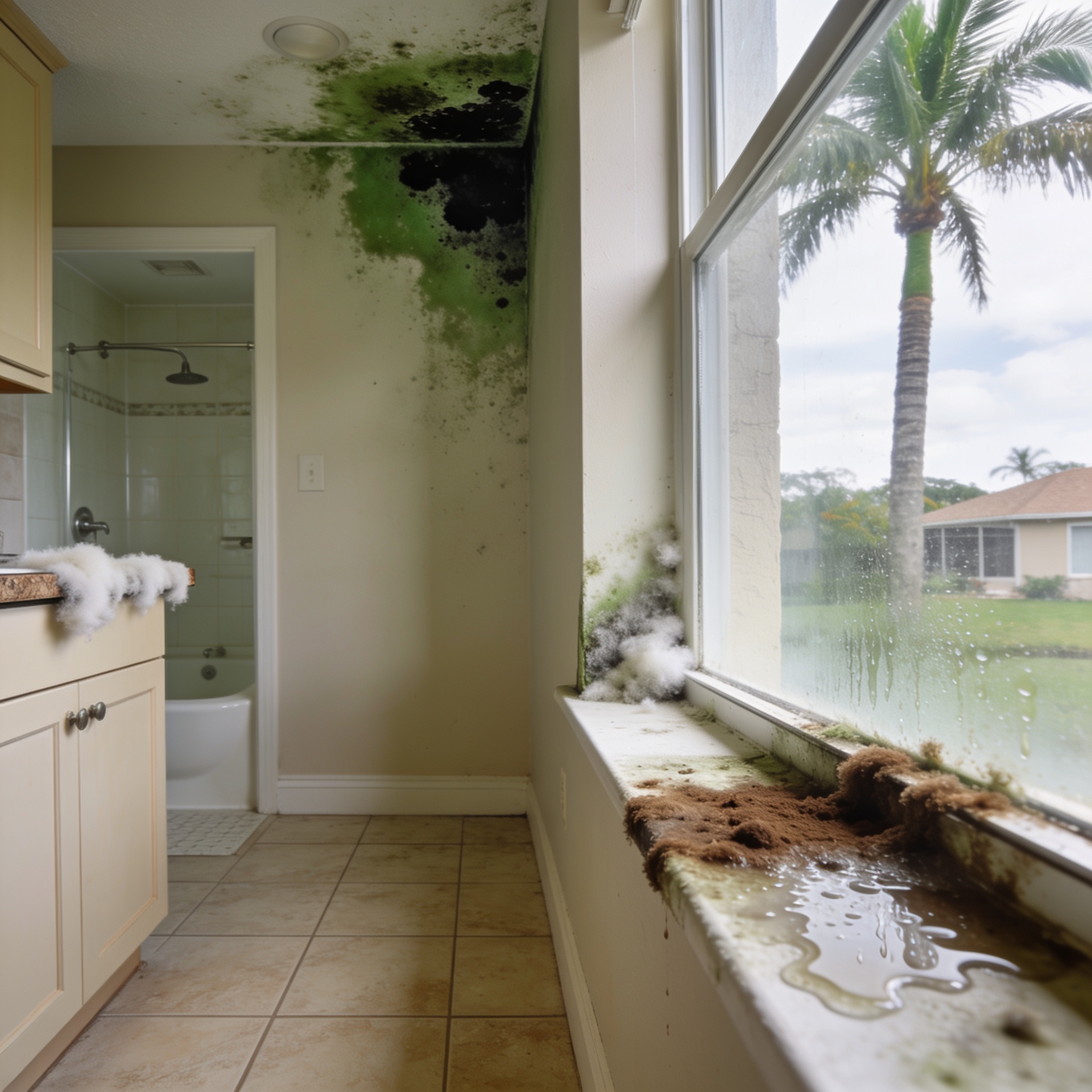
The cost of professional mold remediation in Southwest Florida typically ranges between $1,500 and $6,000 depending on the square footage affected, making early identification of the specific type of mold in house environments a critical financial and structural priority. Because SWFL humidity often exceeds 75%, homeowners must remain vigilant about indoor mold growth to prevent long-term property devaluation. Understanding the nature of mold spores and their impact is the first step toward maintaining a healthy living space, especially since mold can cause allergic reactions in sensitive individuals. If you are allergic to mold, even minor exposure can trigger significant respiratory distress.
Key Takeaways
- Mold growth is almost always triggered by excessive moisture, such as a roof leak or high indoor humidity levels.
- Not every mold type is toxic, but all indoor mold should be treated as a potential health risk.
- Visual identification is rarely sufficient to determine the specific species, often requiring professional mold testing.
- Southwest Florida homeowners should prioritize dehumidification to prevent the rapid spread of fungus.
- Professional remediation is necessary when the mold infestation exceeds 10 square feet per EPA guidelines.
- Understanding the facts about mold is essential for maintaining a safe, healthy home environment.
What Are the Different Types of Mold in Homes?
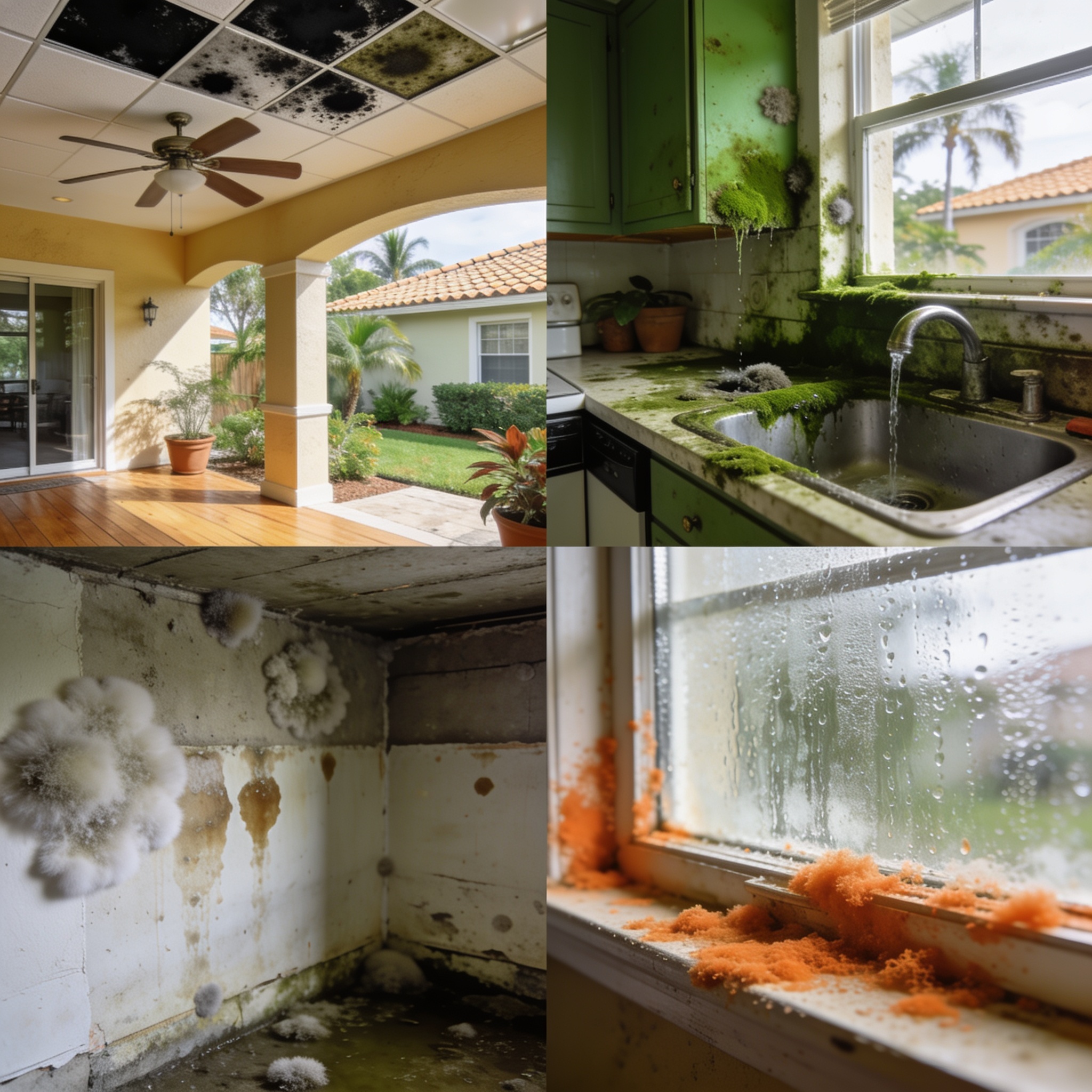
Understanding the most commonly found varieties helps homeowners assess the severity of a mold problem. While thousands of species exist, only a few are frequently identified in residential settings, and many are invisible to the naked eye until they colonize a surface. Whether you are dealing with common household mold or more aggressive strains, addressing the moisture source is the first step to prevent mold growth.
5 Common Types of Mold Explained
- Cladosporium: This is a very common type of mold that appears in shades of olive-green or brown and thrives on fabrics, wood, and carpets.
- Penicillium: Often appearing as a blue or green fuzzy growth, this fungus is frequently found on water-damaged wallpaper, insulation, and carpet.
- Aspergillus: This mold is highly adaptable and commonly found on dust, powdery food items, and drywall, often appearing in various colors.
- Alternaria: This species typically grows in damp areas like showers, under sinks, or near window frames, often appearing as a dark, velvety texture.
- Stachybotrys chartarum: Frequently referred to as the infamous “black mold,” this greenish-black fungus prefers high-cellulose materials like drywall and wood that have experienced chronic water damage.
Mold Identification: Can You Identify Mold Visually?
Visual mold identification is notoriously unreliable because many different types of mold in homes share similar colors and textures. Homeowners should never rely on mold color alone to determine the toxicity or the specific mold type present in their living space. While black mold is often associated with a slimy, dark appearance, other benign species can mimic this look perfectly, and even white mold can be mistaken for dust or efflorescence. If you notice gray mold, it is often a sign of advanced colonization that requires immediate professional attention.
According to the Centers for Disease Control and Prevention (CDC), the only way to accurately identify a mold type is through laboratory analysis. If you see signs of water damage, such as peeling paint or warped wood, you likely have a mold problem regardless of the visual appearance. Always treat any visible fungal growth as a potential health hazard.
Common Mold: Is It Toxigenic Mold?
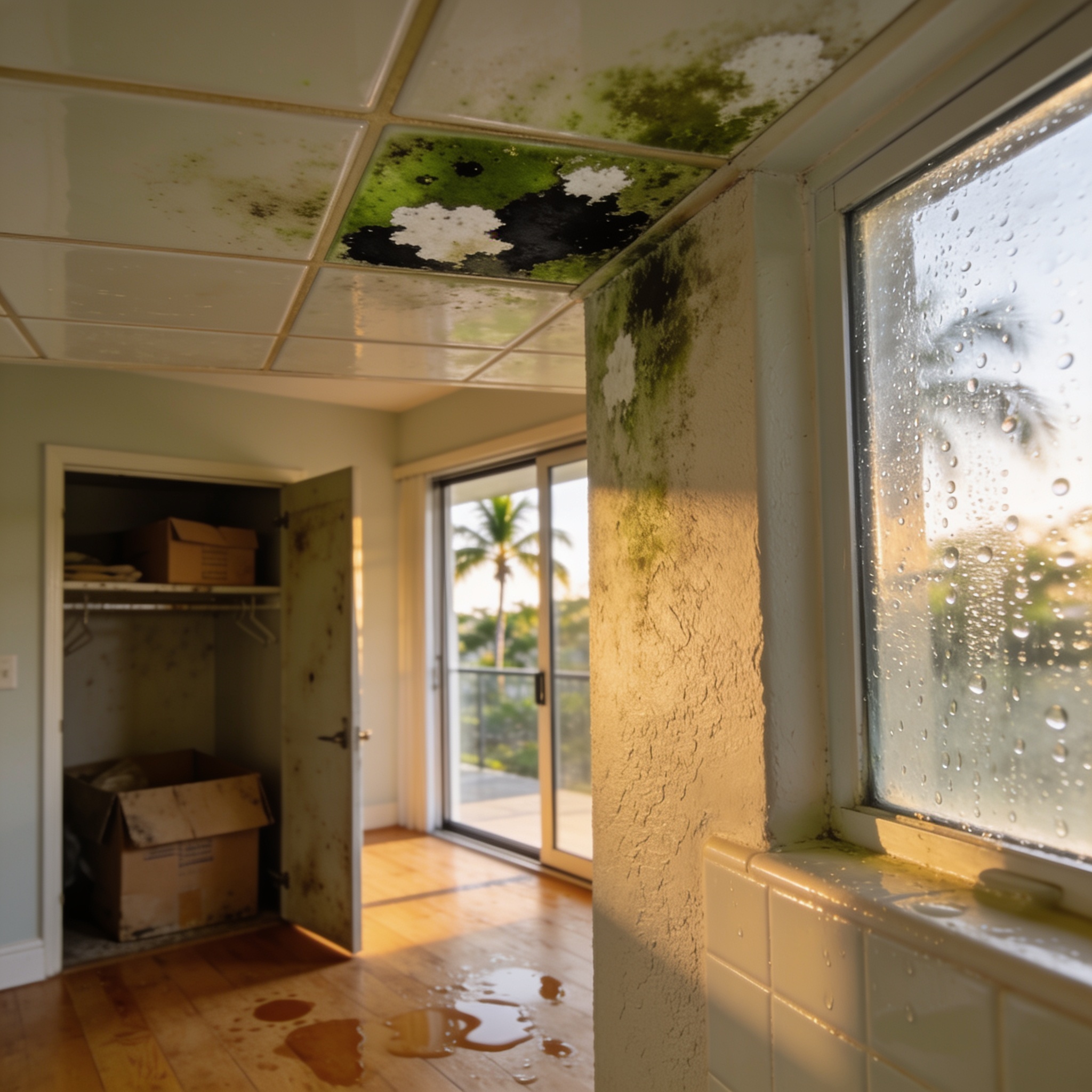
The most dangerous type of mold is generally considered to be Stachybotrys chartarum, which is a form of toxic mold capable of producing mycotoxins. Exposure to mold of this variety is often linked to more severe potential health effects compared to common allergenic mold species. However, the Occupational Safety and Health Administration (OSHA) notes that all indoor mold growth should be addressed immediately to prevent respiratory issues. Even if you are dealing with dead mold, the proteins and spores can still trigger allergic reactions, so thorough removal is required.
| Mold Category | Primary Risk Factor |
|---|---|
| Allergenic | Triggers mold allergies in sensitive individuals. |
| Pathogenic | Can cause serious health issues in people with compromised immune systems. |
| Toxigenic | Produces mycotoxins that may cause severe health problems. |
| Residential Mold | General term for common indoor fungal growth. |
Hidden Mold: What Causes Growth Indoors?
Mold growth is primarily fueled by moisture, warmth, and a steady supply of organic matter like drywall or wood. Excessive moisture from a roof leak or high humidity is the primary driver for mold infestation in any home or business. When spores land on damp surfaces, they begin to colonize within 24 to 48 hours, often manifesting as hidden mold behind walls or under flooring. If you find mold in your home, it is often a sign of a deeper moisture issue.
Poor ventilation in bathrooms and kitchens also contributes to high indoor air quality issues. If you have recently experienced water damage, contacting professionals for Water Damage Restoration restoration is essential to stop new mold before it starts. Managing the indoor environment is the most effective way to prevent mold.
Possible Health Effects: Symptoms of Exposure
Common signs of mold exposure include nasal congestion, coughing, and irritation of the eyes or skin. People with asthma or other respiratory conditions are significantly more likely to experience severe health problems when exposed to mold. These symptoms often mimic seasonal allergies, making it difficult to distinguish between environmental pollen and indoor mold. Identifying early mold growth is the best way to mitigate these potential health effects.
If you notice that your symptoms improve when you leave the house but return upon re-entering, you may be dealing with indoor mold. Long-term exposure to mold may lead to chronic inflammation or asthma exacerbation in rare cases. Always consult a medical professional if you suspect your environment is affecting your health.
Remediation: DIY vs. Professional Removal
Small patches of mold can sometimes be managed with DIY cleaning, but extensive infestations require certified mold professionals. Professional mold removal companies use specialized equipment to assess the level of mold and safely clean up the area without spreading spores to unaffected parts of the home. Attempting to scrub large areas yourself can release millions of spores into the air, worsening the indoor air quality.
For minor spots on non-porous surfaces, a mixture of soap and water or a mild detergent may suffice. However, porous materials like drywall or insulation that are heavily infested must be removed and replaced. If you live in a coastal area, consider professional Water Damage Restoration services to address the root cause of moisture.
Black Mold: When to Call the Experts
You should call a professional if the mold growth covers an area larger than 10 square feet or if the mold is located inside HVAC systems. Professional remediation is necessary when the source of moisture is hidden or when the infestation is too large for standard household cleaning methods. Experts can perform professional mold inspection and remediation to ensure the entire structure is properly dried and treated.
Certified mold technicians follow strict protocols established by the IICRC to protect your home. They utilize advanced drying technology to determine the specific level of mold and ensure that the number of mold spores is returned to a safe range. This prevents the mold from returning after the initial cleanup is complete.
Mold Type: Prevention and Assessment
Preventing mold growth requires a proactive approach to moisture control and consistent home maintenance. Maintaining indoor humidity levels between 30% and 50% is the most effective strategy for mold prevention. Regular inspections of your plumbing, roof, and windows will help you identify leaks before they become a major mold problem. To identify the specific mold type and determine potential mold problems accurately, you may need to consult a specialist who can assess mold levels using air quality testing.
- Use exhaust fans in bathrooms and kitchens to vent moisture outside.
- Repair any roof or pipe leak immediately to keep building materials dry.
- Use a dehumidifier in basements or closets where air circulation is limited.
- Ensure your HVAC system is serviced regularly to keep the air clean and dry.
- Remove any wet carpet or padding within 48 hours of a flooding event.
Frequently asked questions
These answers address common concerns regarding the identification and management of indoor mold in Southwest Florida.
Can I use bleach to kill mold?
Bleach is generally ineffective at killing mold on porous surfaces like wood or drywall because it does not penetrate deep enough to kill the root system. It is better to use specialized cleaning agents designed for mold remediation.
Does homeowner’s insurance cover mold?
Coverage for mold depends on your specific policy and whether the mold was caused by a covered peril, such as a sudden pipe burst. Damage resulting from long-term neglect or flooding is often excluded unless you have specific flood insurance.
How long does it take for mold to grow?
Mold can begin to colonize and grow within 24 to 48 hours after a water intrusion event. This is why rapid drying is essential for any water damage incident.
Is all mold dangerous?
While not all mold is toxic, all mold has the potential to cause health issues for sensitive individuals. It is best to treat all indoor mold as a potential health hazard that requires removal.
Should I buy a home mold test kit?
Over-the-counter mold test kits often provide inaccurate results and do not tell you the extent of the infestation. Professional sampling for mold is far more reliable for determining the safety of your indoor air.
See also: mold remediation companies
Our editorial team verifies licensing and reviews for every restoration company in the directory and writes practical, Florida-specific guides to help homeowners act fast and protect their insurance claims after water, fire, mold or storm damage.