Types of Mold in Attic: A Homeowner’s Identification Guide
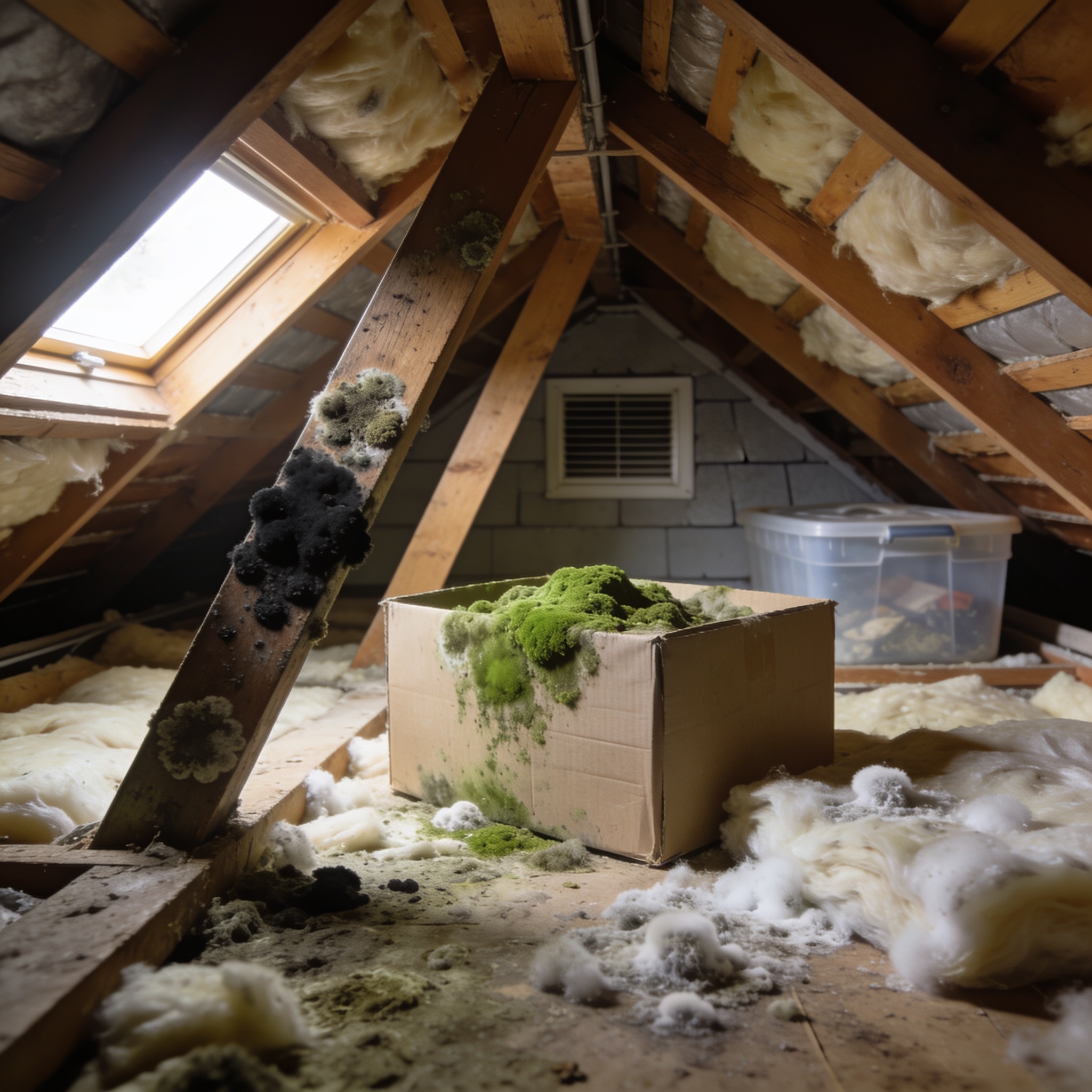
The cost of professional mold remediation in a Southwest Florida attic typically ranges from $1,500 to $6,000 depending on the square footage and the severity of the infestation. Identifying the specific type of mold in your attic is the first step toward protecting your home’s structural integrity against our region’s extreme humidity and frequent tropical weather events. Because mold requires moisture, organic material, and warmth to thrive, understanding these conditions for mold growth is vital for any property owner. This article serves as a comprehensive guide to identifying potential fungal issues before they compromise your living space.
Key Takeaways
- High humidity and poor ventilation are the primary drivers of attic mold growth in Florida.
- Distinguishing between superficial staining and active mold colonies requires a professional inspection.
- Attic mold remediation should always address the underlying moisture source, such as a roof leak or blocked soffit vents.
- Ignoring mold in your attic can lead to significant structural damage to your home, including your roof decking and ceiling joists.
- Professional intervention is recommended if the mold covers more than 10 square feet or if you have underlying health concerns.
What Are the Most Common Types of Mold Found in Attic Areas?
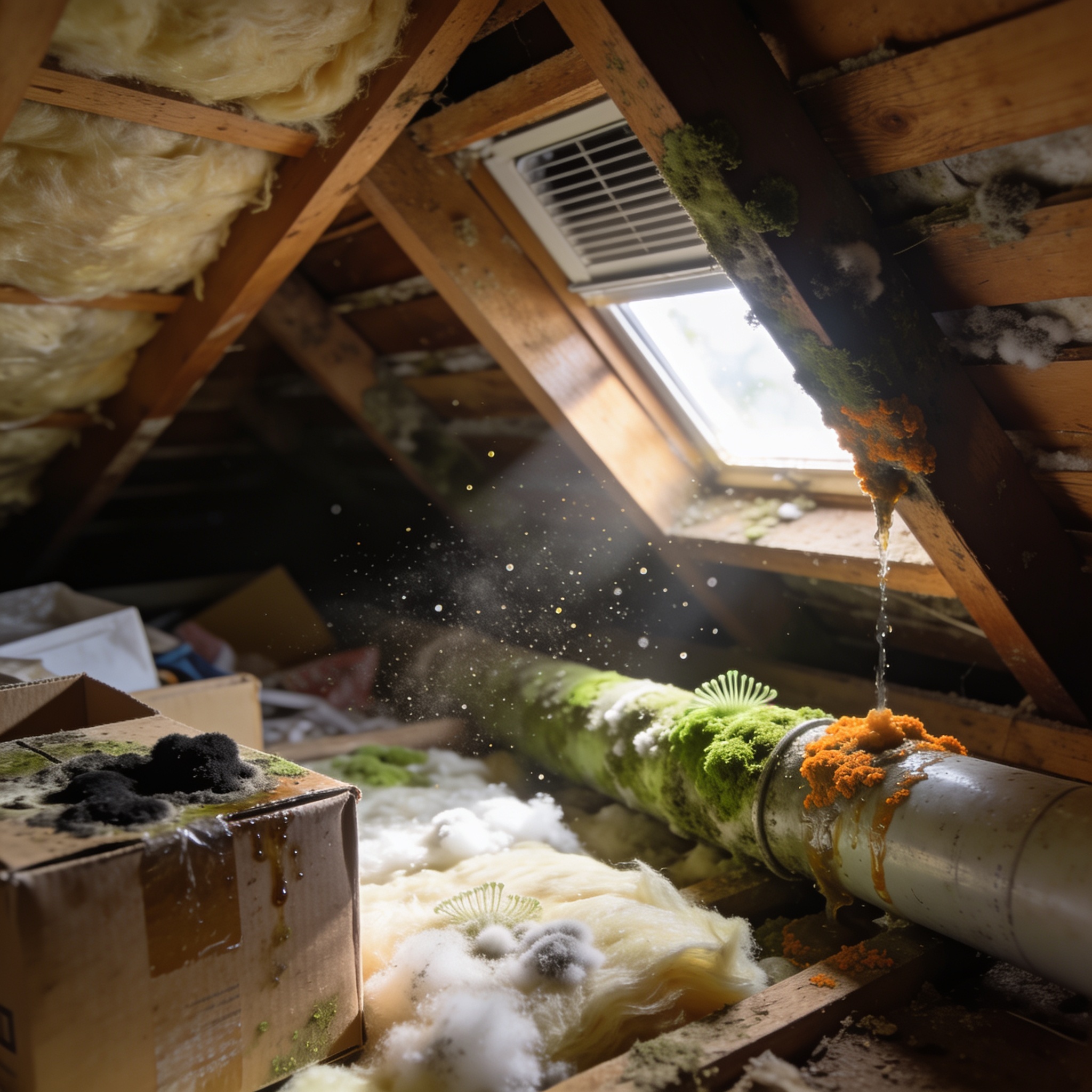
The most common mold species found in attic areas are typically those that thrive in high-cellulose environments like wood and insulation. According to the EPA, while thousands of species exist, only a few are frequently identified during residential assessments in the Gulf Coast region. These contributors to mold often stem from poor ventilation, leading to mold development on wooden structures.
The 5 Common Varieties Explained
- Cladosporium: This is a very common outdoor fungus that often enters an attic through intake vents and can grow on wood surfaces in cool or warm temperatures.
- Aspergillus: Often appearing as white patches, yellow, or green colonies, this mold species is highly adaptable and commonly found on attic insulation or dust-covered joists.
- Penicillium: Frequently found in damp areas, this mold appears as blue or green fuzzy growth and often indicates a persistent moisture problem in the attic space.
- Stachybotrys chartarum: Often known as black mold, this toxic-producing fungus requires constant moisture and is typically found on the underside of roof sheathing after a prolonged leak.
- Chaetomium: This mold species typically appears as a cotton-like texture that turns from white to grey or brown, usually thriving in areas with long-term water damage.
What Does Attic Mold Look Like — and How Does It Differ from Normal Wood Discoloration?
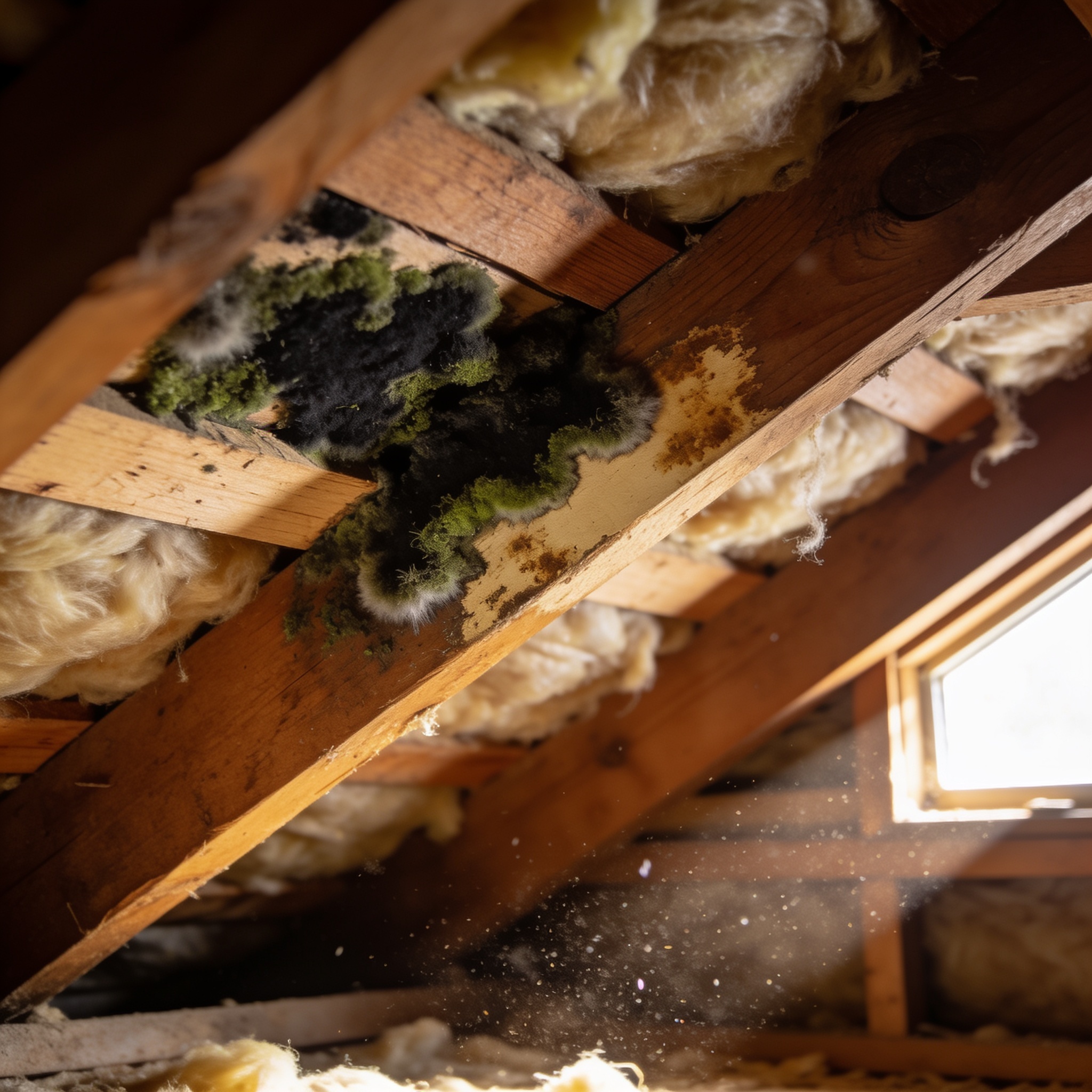
Visible mold in your attic usually presents as fuzzy, powdery, or slimy patches, whereas natural wood staining from tannins or age remains flat and smooth. Identifying mold correctly is essential, as the ideal environment for mold is often created by condensation forming on cool roof surfaces.
Indicators of Mold
Mold growth in your attic often appears as distinct colonies with irregular shapes that can be wiped away or smeared. In contrast, wood discoloration caused by aging or heat exposure is generally uniform and cannot be removed by surface cleaning. If you notice a persistent musty odor, this is one of the most common indicators of mold present in your home.
How to Identify Mold in Your Attic: Key Signs and Inspection Tips
The most reliable indicators of mold in your attic are a persistent musty odor and the presence of visible, spreading discoloration on the underside of roof sheathing. Homeowners should inspect your attic at least twice a year to identify mold before it spreads to the living space. Proper air movement is critical to preventing the buildup of moisture.
Inspection Checklist
- Check the underside of the roof for any signs of water staining or dampness.
- Look for mold on the attic insulation, especially near bathroom exhaust fan ducts.
- Inspect the soffit vents to ensure they are not blocked by insulation, which prevents proper ventilation.
- Verify that the roof vent is functioning correctly and not allowing rain intrusion.
What Causes Attic Mold Growth?
The primary causes of mold growth in your attic include the accumulation of trapped moisture resulting from improper ventilation or roof leaks. High outdoor humidity levels in Southwest Florida create the perfect environment for mold spores to colonize if the attic temperature is not regulated. When warm air from your living space enters the attic, it can create moisture issues if it hits a cold surface.
Common Moisture Contributors
Improperly vented bathroom fans are a leading cause of attic moisture, as they often pump warm, moist air directly into the attic space. Furthermore, roof leaks allow water to seep into the wood, creating a damp environment that supports rapid mold development. Addressing these moisture issues is the only way to prevent future mold.
Is Mold in the Attic Dangerous? Health Risks, Toxicity Warning Signs, and Symptoms to Watch For
While not all mold is toxic, the presence of mold present in your home can lead to significant health concerns, particularly for individuals with asthma or compromised immune systems. Respiratory issues in sensitive individuals are the most frequently reported health concerns associated with indoor mold exposure, which can negatively impact your overall air quality.
According to the Florida Department of Health, the most effective way to address health risks is to eliminate the moisture source and physically remove the mold from the building materials.
How Do You Remove Mold from an Attic Space — DIY vs. Professional Mold Remediation?
Small patches of surface mold can sometimes be managed by a homeowner, but professional mold removal is necessary for large-scale infestations. A qualified mold remediation company is equipped with HEPA vacuums and specialized biocides to ensure the mold is safely removed without spreading spores throughout the house.
| Feature | DIY Removal | Professional Mold Remediation |
|---|---|---|
| Scope | Less than 10 sq. ft. | Large-scale infestations |
| Equipment | Basic cleaning supplies | HEPA air scrubbers/PPE |
| Safety | High risk of spore spread | Containment protocols |
| Type of mold assessment | Visual only | Laboratory testing |
When Should You Call a Professional Mold Remediation Company?
You should contact an expert if you identify mold covering a large area of your roof decking or if you suspect the mold is a result of structural water damage. Expert mold remediation is essential when the source of the moisture is hidden or requires specialized removal services to repair.
How Can You Prevent Future Mold?
Preventing future mold growth requires a combination of moisture control and improved attic ventilation. Proper ventilation is the most effective way to prevent mold growth in your attic by allowing moist air to escape before it condenses on cold surfaces. Understanding the different type of mold helps you recognize when you need to act quickly.
Best Practices for Prevention
- Ensure all exhaust fans are vented through the roof to the outside, not into the attic.
- Keep soffit vents clear of attic insulation to maintain constant airflow.
- Install a dehumidifier if your attic space remains consistently damp during the rainy season.
- Schedule regular roof inspections to catch any minor leaks before they trigger mold growth.
Frequently asked questions
These answers address common concerns regarding attic mold management in the Florida climate.
Can I use bleach to kill mold on attic wood?
Bleach is generally ineffective on porous surfaces like wood because it only kills the surface mold while leaving the roots intact and potentially adding more moisture to the area.
Will my homeowners insurance cover attic mold?
Coverage depends on the cause; if the mold resulted from a sudden, covered peril like a storm-damaged roof, you may have coverage, but neglect-related mold is rarely covered.
How long does it take for mold to grow in an attic?
Under the right conditions of high humidity and moisture, mold can begin to colonize attic surfaces in as little as 24 to 48 hours.
Does attic mold always require professional removal?
If the mold is extensive, involves structural components, or is located in hard-to-reach areas, professional intervention is required to ensure safety and code compliance.
How does Water Damage Restoration in Sanibel, FL relate to attic mold?
If your home has recently suffered from storm-related water intrusion, attic mold is a common secondary issue that requires immediate professional assessment to prevent further damage.
See also: mold remediation companies near me
See also: Water Damage Restoration
See also: Water Damage Restoration
Our editorial team verifies licensing and reviews for every restoration company in the directory and writes practical, Florida-specific guides to help homeowners act fast and protect their insurance claims after water, fire, mold or storm damage.