Mold vs Mildew on Window Sill: How to Identify and Remove Them
The primary difference between mold and mildew on a window sill is that mildew typically appears as a flat, powdery growth on the surface, whereas mold often presents as a fuzzy or slimy texture that penetrates deep into the material. Identifying the correct growth is essential because while mildew is a surface-level nuisance, mold can compromise the structural integrity of your window frame and lead to costly repairs. In Southwest Florida, where humidity levels frequently exceed 70%, managing these fungal growths is a standard part of home maintenance. You must act quickly to remove mold before it causes permanent mold damage to your home, as addressing mold issues early is vital for maintaining healthy indoor air quality and cause reduction of health risks.
Key Takeaways
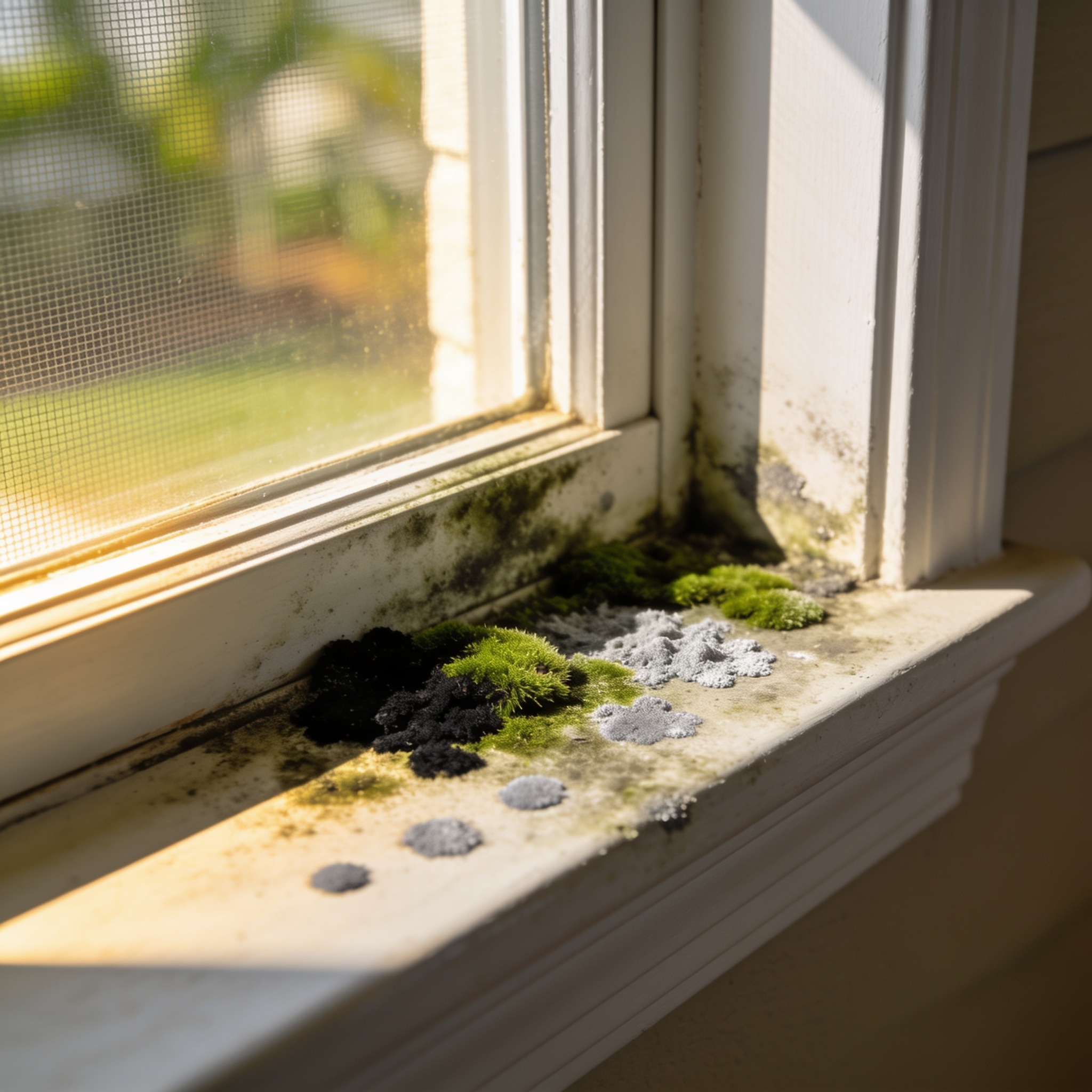
- Mildew is generally white or gray and powdery, while mold often appears in darker shades like black, green, or brown.
- High humidity in SWFL creates the perfect environment for fungal growth on window sills.
- Surface-level mildew can be cleaned with vinegar, but deep mold may require professional remediation.
- Persistent moisture from condensation is the leading cause of mold growth around windows.
- Proper ventilation and using a dehumidifier are the most effective ways to help prevent mold.
- Understanding different types of mold can help you determine the severity of the infestation.
What Does Mold Look Like on Window Sills (and How Is It Different from Mildew)?
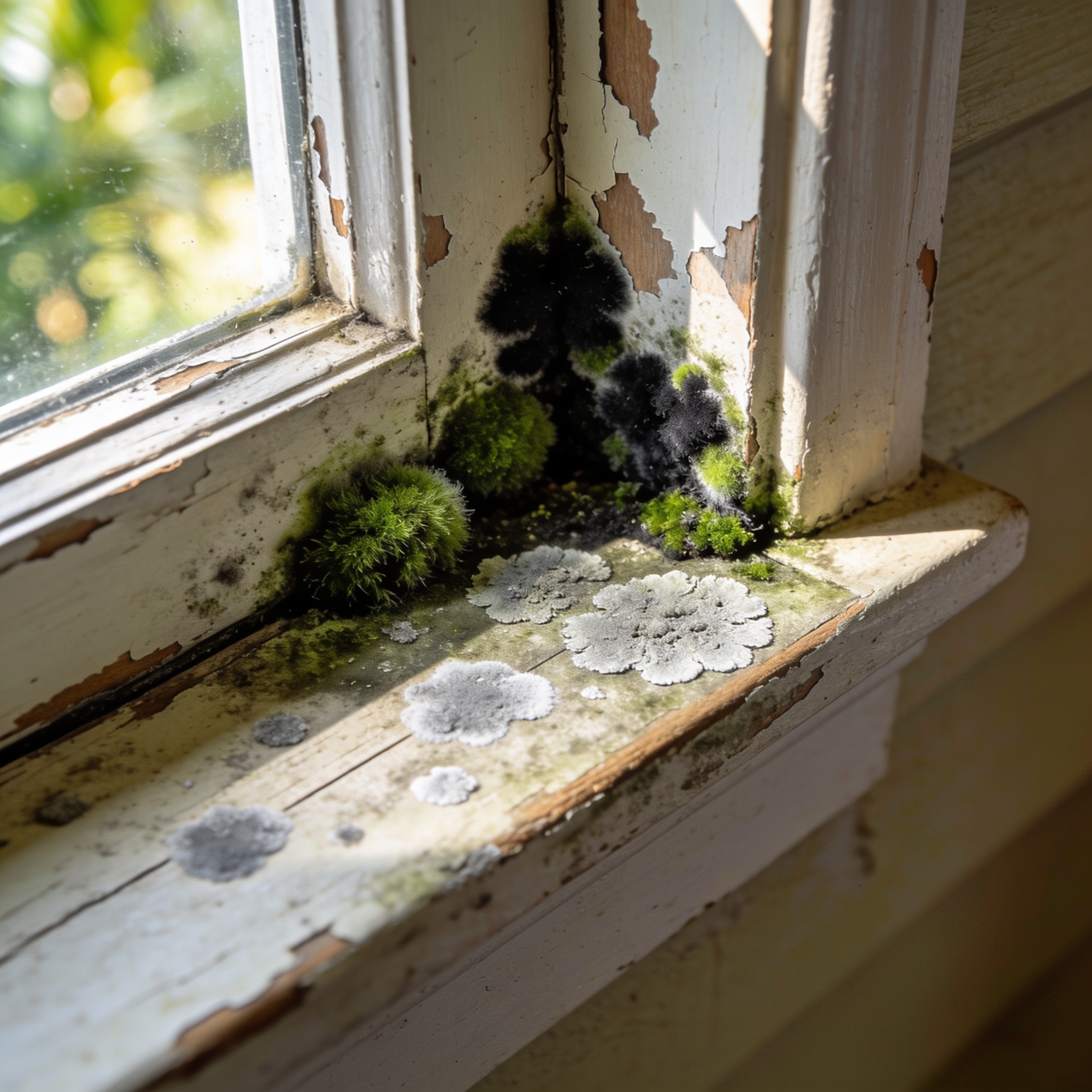
Mildew typically appears as a flat, white, or gray patch that sits on the surface of the sill, whereas mold often manifests as a raised, fuzzy, or slimy texture in a variety of colors. Understanding the visual differences helps homeowners determine if they are dealing with a simple surface cleaning task or a deeper structural issue. Mold often grows in patches of black, green, or brown, and it can penetrate porous materials like wood or drywall. In contrast, mildew is almost exclusively found in damp areas like bathroom and kitchen windows—even near the shower—and remains on the surface. If you notice mold growing in these areas, it is time to intervene. Regular cleaning is one of the best ways to prevent mold from establishing a foothold.
Which Is Worse, Mildew or Mold, and What Are the Key Differences?
Mold is significantly worse than mildew because it can cause structural damage to your home and pose more severe health risks, including mold allergies. The following list highlights the 5 differences between mold and mildew that every homeowner should recognize:
- Texture: Mildew is powdery or downy, while mold is often fuzzy, velvety, or slimy.
- Color: Mildew is usually white or gray, whereas mold can be black, green, blue, red, or brown.
- Depth: Mildew stays on the surface, but mold grows into the material, potentially damaging the window frame.
- Odor: Mold typically produces a strong, musty, earthy smell, while mildew has a milder, damp scent.
- Impact: Mildew is a cosmetic issue, but mold can cause structural decay and trigger respiratory issues like asthma.
Causes Black Mould
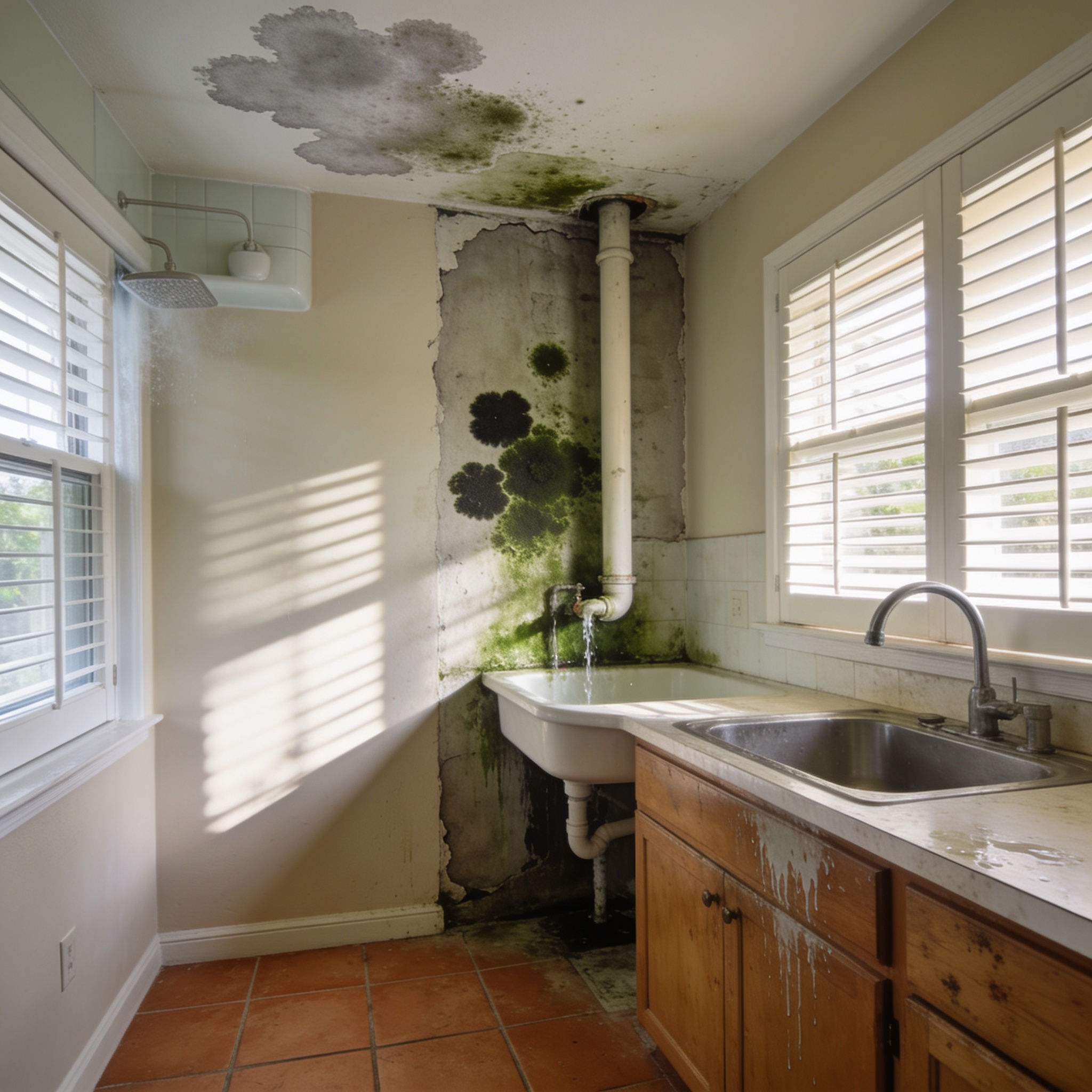
The root cause of fungal growth in Florida is excess moisture, often resulting when condensation forms on windows during our hot, humid summers. When warm, moist air meets a cool glass surface, condensation occurs, providing the hydration necessary for mold spores to thrive. Poor ventilation in rooms like kitchens and bathrooms further traps this moisture, allowing it to settle on the windowsills. These are primary causes black mould, and if you notice persistent dampness from leaks or condensation, it may be a sign of underlying water damage that requires professional attention from Water Damage Restoration experts.
Around Windows Dangerous
While not all mold species are toxic, the presence of black mould growth on your windows can trigger allergic reactions and respiratory distress in sensitive individuals. According to the United States Environmental Protection Agency, exposure to mold can lead to coughing, wheezing, and irritation of the eyes or skin. Individuals with pre-existing conditions like asthma are particularly vulnerable to mold. Because spores can circulate through HVAC systems, leaving mold around windows dangerous to your indoor air quality, it is critical to address the issue immediately to prevent further growth and spread of spores throughout your home.
Mold Growing
Before you begin cleaning, you must wear protective clothing to prevent inhaling mold spores or direct skin contact. You should always wear an N95 respirator, rubber gloves, and safety goggles when you find mold to minimize health risks. Ensure the area has proper ventilation by opening windows or using a fan to exhaust air outside. If the affected area is larger than ten square feet, you should contact professional mold remediation companies rather than attempting the cleanup yourself.
How Do You Get Mold or Mildew off Window Sills Naturally (DIY Methods)?
For minor surface growth, a solution of white vinegar to clean and brush and warm water is an effective and non-toxic way to clean windows and sills. Mix equal parts white vinegar and water in a spray bottle, apply it to the affected area, and let it sit for one hour before you wipe away the residue with a clean cloth. Avoid using harsh chemicals if the mold is on a porous surface, as they may not kill the root of the fungus. If the mold persists, it may indicate a need for professional Water Damage Restoration services to identify hidden leaks.
Does Lysol or Other Products Kill Mold on Window Sills?
Many household cleaning agents, including a bleach solution, can kill surface mold, but they are often ineffective at penetrating porous materials like wooden window frames. Bleach is a common cleaning agent, but it is generally recommended only for non-porous surfaces like glass or tile. When you spray the bleach solution, ensure you do not oversaturate the wood, as this can cause the mold to release more spores as a defense mechanism. Always check the manufacturer’s label to ensure the product is EPA-registered for mold removal.
Window Frame
You should hire a professional if the window mould is extensive, if it keeps returning after cleaning, or if you suspect it has spread behind the walls. Professional remediation is necessary when mold has compromised the structural integrity of your window frame or drywall. Experts have the specialized equipment to detect hidden moisture and ensure the mold is completely eradicated. Attempting to manage large-scale mold problems without professional training can lead to further contamination of your home’s air quality.
Cause Mold
The most effective way to prevent mold is to control the humidity levels in your home and eliminate sources of moisture. You can prevent mold growth by using a dehumidifier to keep indoor humidity below 60% and ensuring that you use exhaust fans in kitchens and bathrooms to help with ventilation. Regularly inspect the area around the window and around your windows to remove excess moisture and prevent water accumulation. Proper maintenance of your HVAC system and ensuring you clean your windows properly will help prevent mold growth around window frames and sills.
Frequently asked questions
Below are common inquiries regarding window sill maintenance in the humid climate of Southwest Florida.
Can I use bleach to kill mold on wooden window sills?
Bleach is not recommended for wood because it cannot penetrate the porous surface to kill the root of the mold and may cause damage to the material.
How often should I clean my window sills to prevent mold?
In Florida, you should wipe down your window sills at least once a week to remove dust and moisture before mold on the window has a chance to colonize.
Is black mold around windows always dangerous?
Any indoor mold on your window sills should be treated as a potential health risk, especially for those with allergies, asthma, or compromised immune systems.
Does a dehumidifier actually help with window mold?
Yes, a dehumidifier is highly effective at reducing the moisture in the air that leads to condensation forming on windows, which is the primary fuel to cause mold.
What should I do if mold returns after I clean it?
If mold returns quickly, it indicates a persistent moisture problem, such as a leak or poor ventilation, which requires professional inspection to resolve.
| Feature | Mildew | Mold |
|---|---|---|
| Appearance | Powdery, flat | Fuzzy, slimy, raised |
| Color | White, gray | Black, green, brown |
| Growth Depth | Surface only | Penetrates materials |
| Odor | Mild, damp | Strong, musty |
See also: mold remediation companies
Our editorial team verifies licensing and reviews for every restoration company in the directory and writes practical, Florida-specific guides to help homeowners act fast and protect their insurance claims after water, fire, mold or storm damage.