Mold in Air Vents Symptoms: 5 Signs Your HVAC Needs Cleaning
The most reliable indicator of a mold problem in your hvac system is a persistent, musty odor that intensifies when the air conditioning kicks on, which typically signals that professional mold remediation is required. SWFL homeowners should be aware that high humidity levels in Lee, Collier, and Charlotte counties frequently create an ideal environment for mold in your hvac to thrive inside cooling equipment. Addressing these 8 clear signs early can save you thousands in potential property damage and health-related remediation costs, as air ducts can circulate spores throughout your living space. Recognizing the signs of mold in air is one of the first steps in protecting your indoor environment, as mold can grow rapidly when moisture is present in ducts and vents.
Key Takeaways
- Persistent musty odors originating from your registers are often one of the first signs of internal contamination.
- Visible mold growth around vent covers or on the interior of the ductwork requires immediate professional inspection.
- High humidity levels in Southwest Florida make routine hvac maintenance essential to prevent mold growth in air ducts.
- Health symptoms like unexplained sneezing or respiratory issues may worsen when your heating and air conditioning system is running.
- Professional mold removal is the safest way to address contamination, as DIY cleaning often spreads spores throughout the home.
Mold in Air Ducts
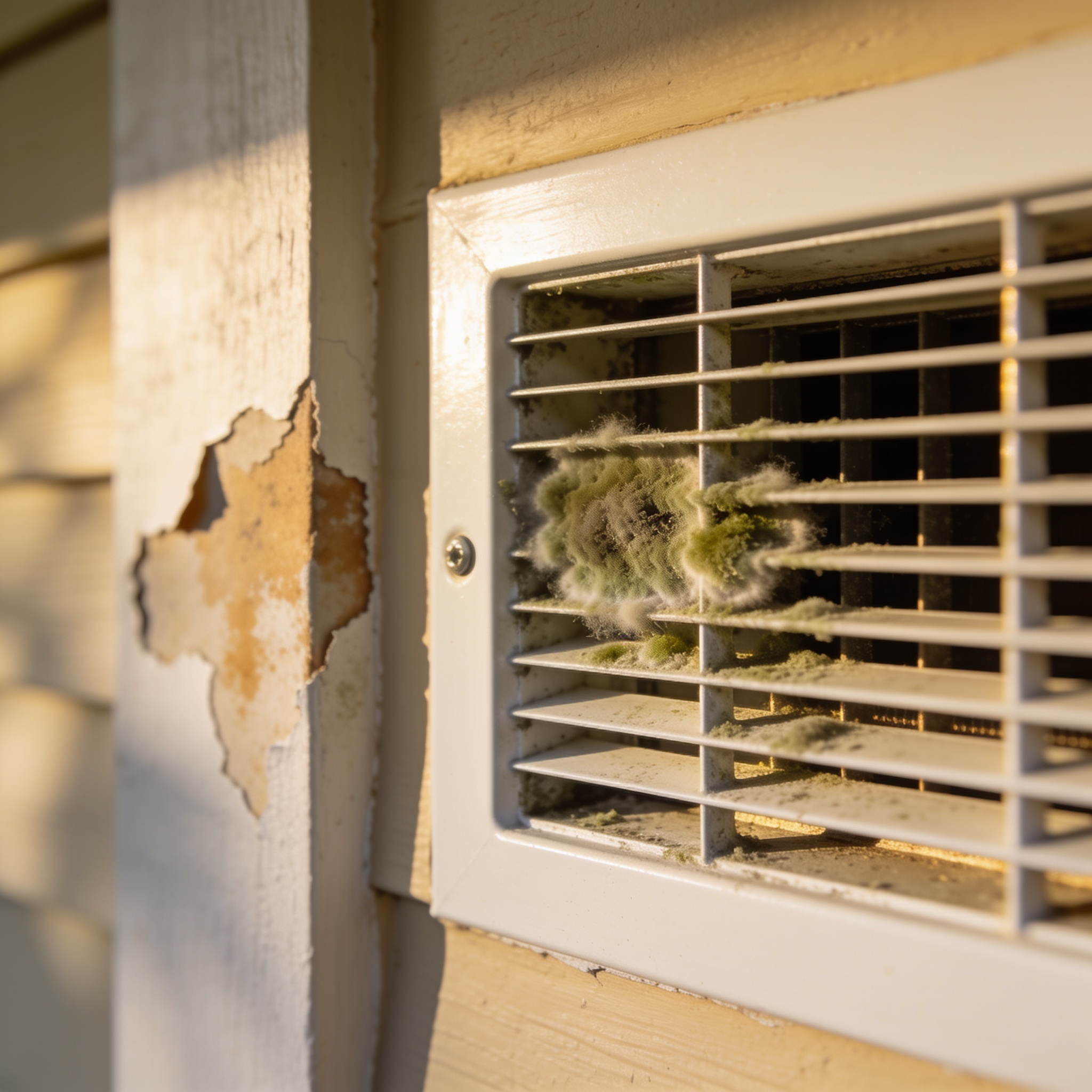
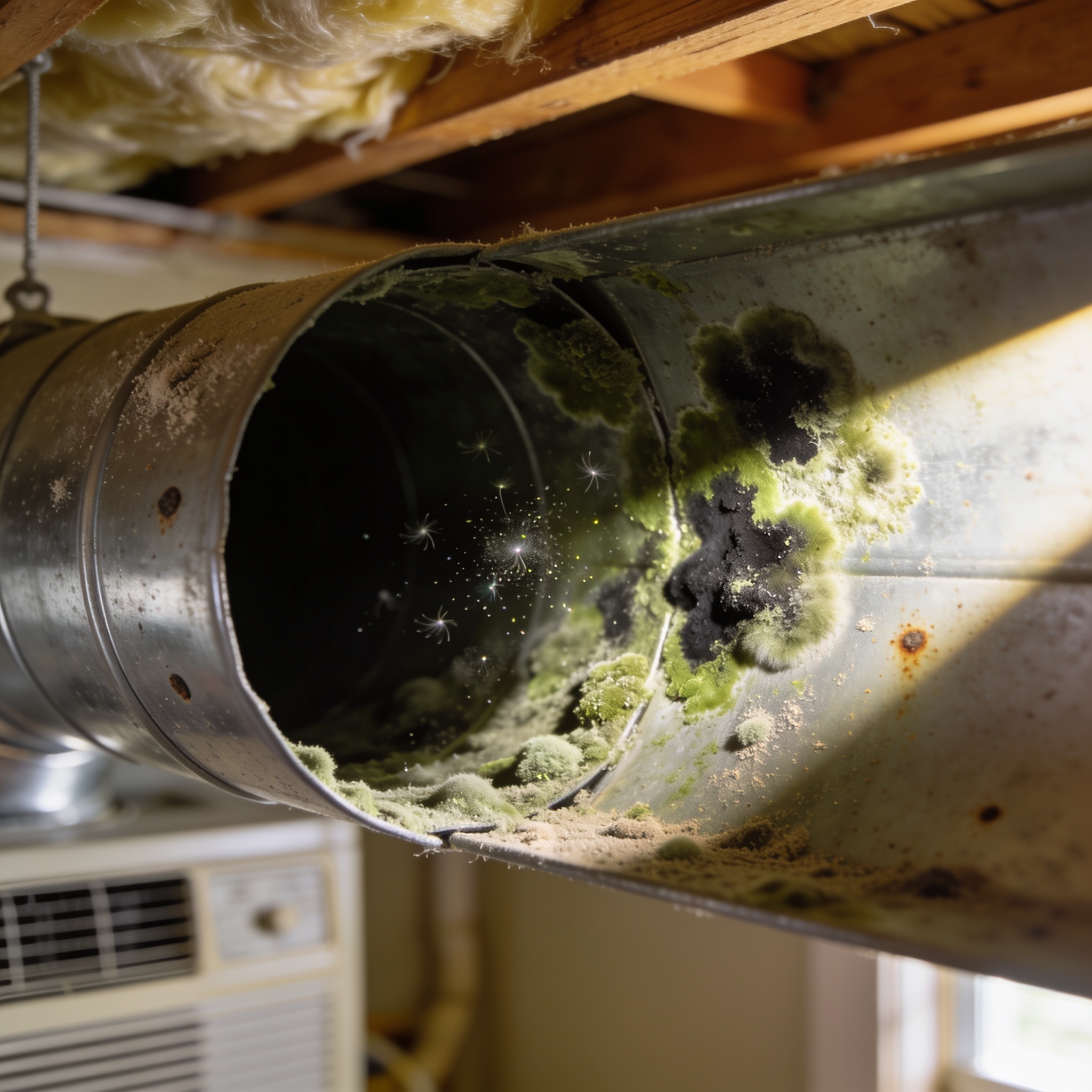
Detecting mold in air ducts often begins with sensory cues that suggest the presence of a microorganism colony within your climate control system. The most common indicator of mold in air ducts is a distinct, earthy, or musty smell that becomes stronger when the blower motor is active. You should also inspect the registers for dark, fuzzy, or powdery substances that deviate from standard dust accumulation, as surface mold is often the first thing you will notice.
Signs You May Have Mold
To identify if mold in hvac has taken hold, watch for these 8 clear signs that suggest your system requires professional attention:
- Black streaks around vents: Dark, soot-like lines appearing on the ceiling or wall immediately surrounding the vent cover often indicate air leakage and potential signs of black mold.
- Visible mold on vent covers: If you can see surface mold from vent covers, it is a clear sign that mold is present in the immediate vicinity.
- Spore accumulation on air filters: Removing your filter and finding dark, damp, or discolored spots suggests that the system is pulling mold spores through the air from the ductwork.
- Musty odors from vents: A persistent damp or earthy smell that permeates the room whenever the hvac system cycles on is a primary warning sign.
- Respiratory irritation upon startup: If family members experience a sudden sneeze or cough immediately after the air conditioning turns on, it may indicate that the system is circulating debris.
- Allergy symptoms: You may notice mold can lead to sneezing, watery eyes, or other allergy or respiratory symptoms.
- Visible mold in ac vents: Inspecting the interior of the registers can reveal colonies.
- Early signs of mold: Watch for dust that seems to clump together in damp patterns.
Signs of Black Mold
Visible mold in air vents varies significantly in appearance, and not every dark patch is the toxic variety often discussed in the media. While many homeowners fear the worst, most hvac mold is common black mold or other household fungi that still requires professional mold removal to resolve. If the substance appears as black or dark green, you should use professional mold testing to identify black mold accurately. According to the United States Environmental Protection Agency, you cannot identify a specific type of mold by sight alone, as professional testing is the only way to confirm the species.
| Feature | Typical Mold Appearance |
|---|---|
| Color | Varies from white and grey to green, brown, or black. |
| Texture | Often fuzzy, velvety, or powdery. |
| Growth Pattern | Spreads in circular colonies or along moisture paths. |
| Testing | Professional mold testing is required to confirm species. |
Prevent Mold
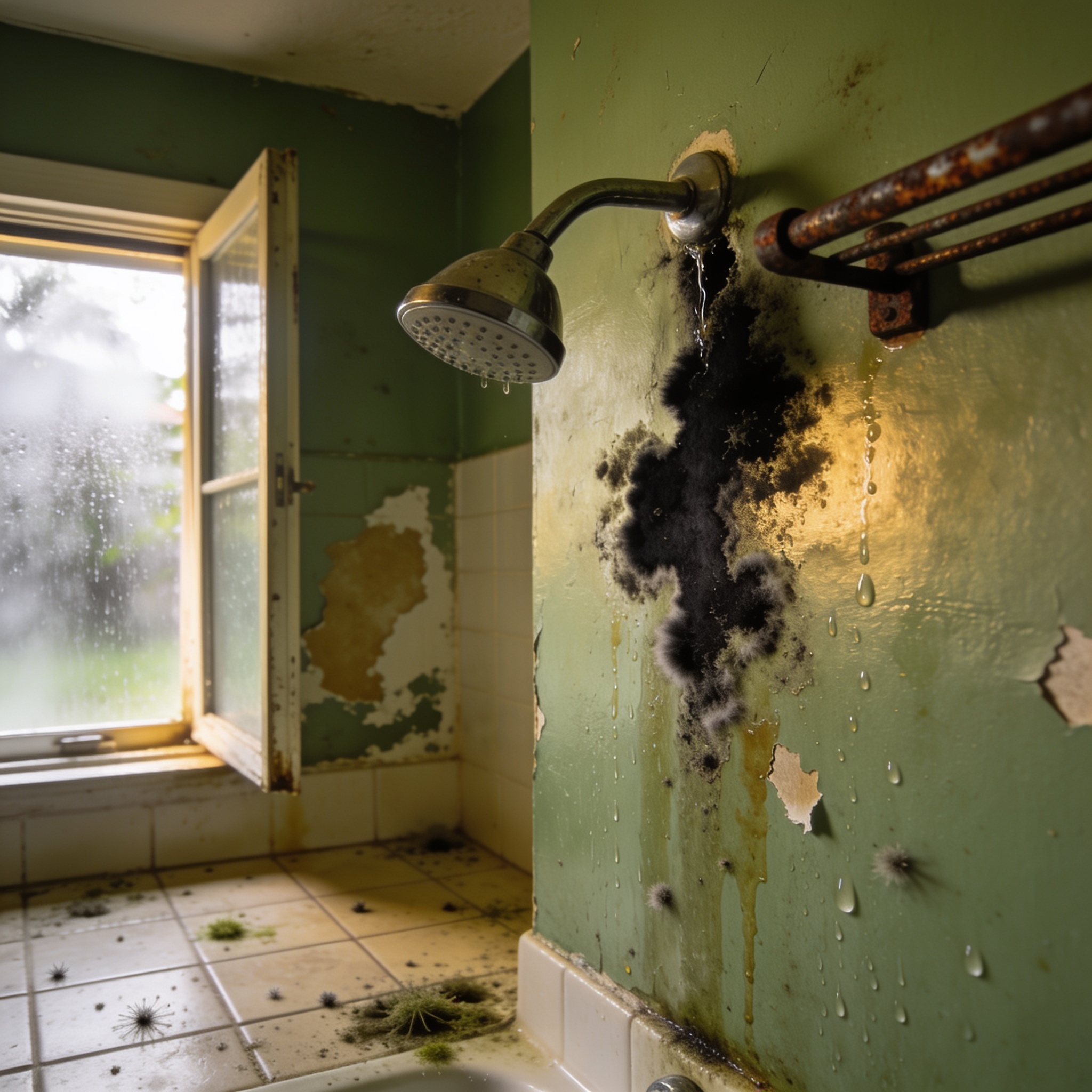
Mold growth in air vents is almost exclusively driven by the presence of moisture and organic food sources within the ductwork. High humidity levels in Southwest Florida, combined with condensation on cold metal ducts, lead to mold growth. If your hvac system is not properly insulated or if the condensate drain line is clogged, water can sit in the pan and allow mold to travel through the air into your living spaces, which will affect indoor air quality.
Allergy Symptoms
Signs of black mold exposure often manifest as allergy symptoms or respiratory distress that seems to correlate with time spent indoors. Frequent allergy symptoms, such as a persistent cough, nasal congestion, or eye irritation, are common indicators that your indoor air quality has been compromised. If these issues subside when you leave the home but return upon re-entry, the hvac system could be the source of the contamination.
Respiratory Issues
While mold exposure can trigger significant health reactions, the severity depends on the individual’s immune system and the concentration of spores. Exposure to mold can cause respiratory issues including irritation of the throat, nose, and lungs, especially in individuals with pre-existing asthma or compromised immune systems. If you notice that your musty odors are worsening over time, it is vital to consult a medical professional and have your home inspected for mold.
Mold in Your Air Vents
Determining if your health issues are linked to your indoor environment requires checking your ducts and vents for mold and observing the timing of your symptoms. If your respiratory issues improve significantly when you are away from your home for extended periods, it is a strong indicator that your indoor air quality is the culprit. You may want to consider professional air duct cleaning to confirm the presence of airborne contaminants that could be affecting your household.
Black Mold in Air Vents
While the media often highlights black mold in air vents as a catastrophic health risk, all indoor mold growth should be treated as a potential hazard to your respiratory health. Any type of mold growing inside your hvac system can release spores into the air, which can exacerbate asthma and trigger allergic reactions in sensitive individuals. The National Air Duct Cleaners Association (NADCA) emphasizes that regardless of the species, keeping your hvac clean is essential for maintaining a healthy home environment.
Mold Removal
Attempting to remove mold in your air vents without proper containment often results in the spores spreading further throughout the home. Professional mold removal is the recommended course of action because experts use HEPA-filtered vacuums and specialized biocides to ensure the contamination is removed rather than just disturbed. If you suspect extensive growth, you may also need to address underlying moisture issues through Water Damage Restoration or by contacting a specialist for Water Damage Restoration to prevent future recurrence.
Mold in Your HVAC
Preventing mold growth requires a proactive approach to managing moisture levels within your hvac system and home. Routine hvac maintenance, including the regular replacement of high-quality air filters, is the most effective way to help prevent mold growth in your air ducts. Ensure that your condensate drain lines are clear, keep your indoor humidity below 60%, and consider using a dehumidifier if your home feels damp. If you discover a significant issue, contact a mold remediation expert to assess the situation before it spreads.
Frequently asked questions
Understanding the nuances of hvac maintenance and mold prevention can help you maintain a cleaner, healthier home environment.
Does running the air conditioner kill mold?
No, running the air conditioner does not kill mold; in fact, the condensation produced during the cooling process can actually encourage mold to grow if the hvac system is not properly maintained.
How often should I have my air ducts cleaned?
Most experts recommend inspecting your ducts every 3 to 5 years, or sooner if you notice visible mold growth, excessive dust, or persistent odors from vents.
Can bleach kill mold in my air vents?
Bleach is generally ineffective on porous surfaces like duct insulation and can actually cause more harm than good by leaving moisture behind, which may lead to further mold growth.
What is the cost of professional mold remediation?
Costs vary based on the extent of the contamination and the size of the ductwork, so it is best to request a professional assessment to get an accurate estimate for your specific home.
Will my homeowners insurance cover mold in air vents?
Coverage for mold depends on your specific policy and whether the mold growth was caused by a sudden, accidental water event covered under your plan; always consult your provider for details.
Our editorial team verifies licensing and reviews for every restoration company in the directory and writes practical, Florida-specific guides to help homeowners act fast and protect their insurance claims after water, fire, mold or storm damage.