Is Mold on Concrete Dangerous? Understanding Health Risks
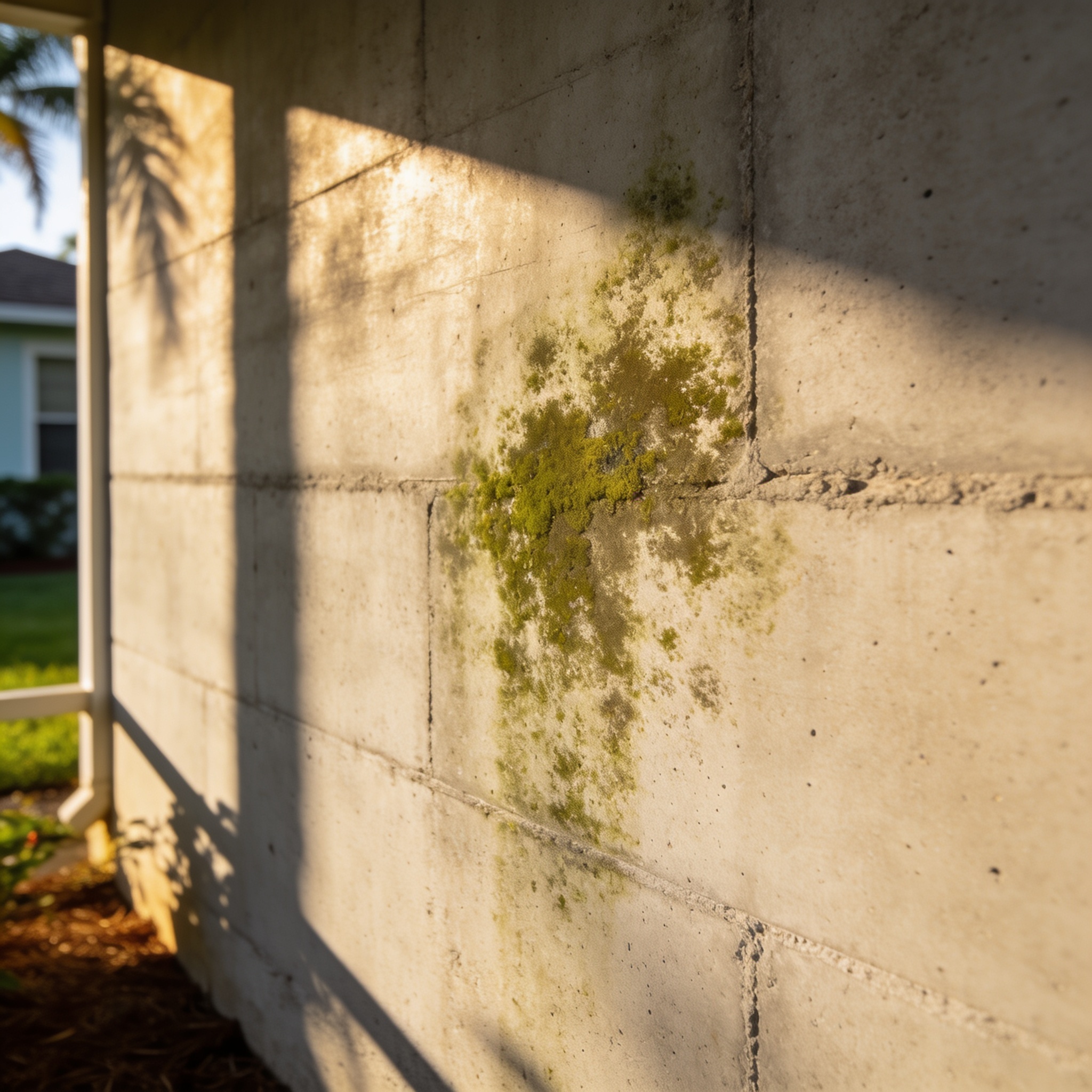
Mold on concrete is dangerous primarily because it indicates an active moisture problem in your home that can lead to structural decay and respiratory irritation, with remediation costs typically ranging from $1,500 to $6,000 depending on the severity of the infestation. While concrete itself is inorganic, mold can grow on concrete by feeding on dust, skin cells, and debris that settle into the porous surface of the material. Understanding the environmental factors in Southwest Florida, such as high humidity and storm-related flooding, is essential to managing these risks effectively. Dealing with mold early is crucial, as concrete slabs are often prone to mold when moisture is trapped beneath flooring. Because the primary component of concrete is cement, it is important to remember that while cement is not a food source, mold can grow on cement when it is covered in organic materials like dirt or dust.
Key Takeaways
- Concrete is porous, allowing mold spores to grow and settle into microscopic gaps and thrive when moisture is present.
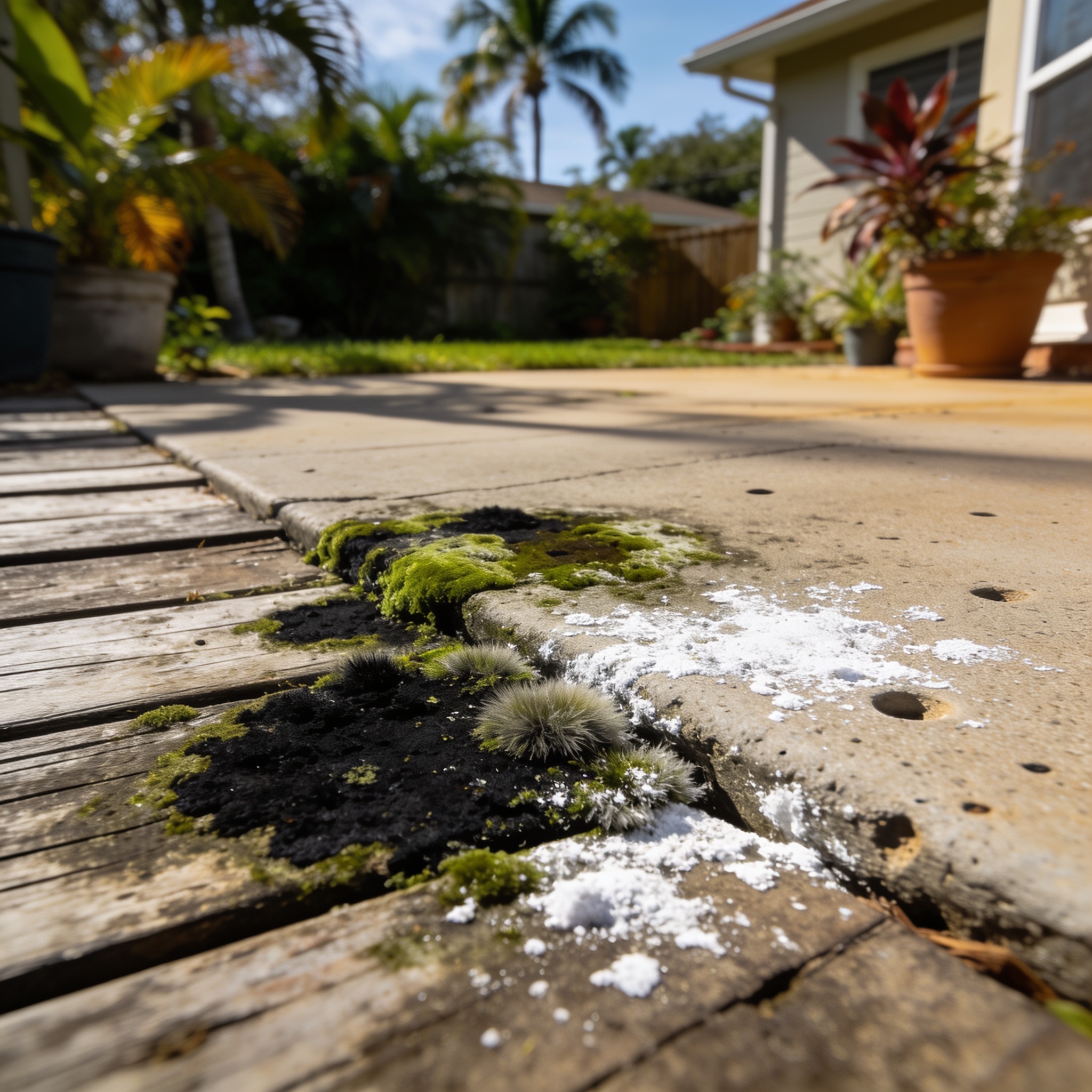
- Efflorescence is a white deposit often mistaken for mold, but it dissolves in water unlike organic mold colonies.
- Professional mold remediation is recommended if the affected area exceeds 10 square feet per EPA guidelines.
- High humidity in SWFL requires the use of a dehumidifier to prevent mold growth on concrete surfaces.
- Distinguishing between surface staining and deep-seated fungal growth is critical for choosing the right removal method.
What Does Mold on Concrete Look Like (and How Is It Different from Efflorescence)?
Mold on concrete typically appears as fuzzy, velvet-like patches that can be black, green, or white in color and often emit a musty odor. Unlike mold, efflorescence appears as a white, powdery, or crystalline substance that is actually salt left behind after water evaporates from the concrete surface. You can identify mold on concrete by testing a small patch with water; if the substance dissolves instantly, it is likely efflorescence rather than a biological colony. If the growth remains intact or smears, you are likely dealing with a mold colony that requires cleaning or professional intervention. When identifying mold, look for white mold on concrete or green mold, as these are common indicators of mold problems that require attention. If you have found mold, it is important to distinguish between simple mold or efflorescence to determine the correct cleaning protocol. Often, mold appears as black spots when it is well-established.
What Causes Mold to Grow on Concrete?
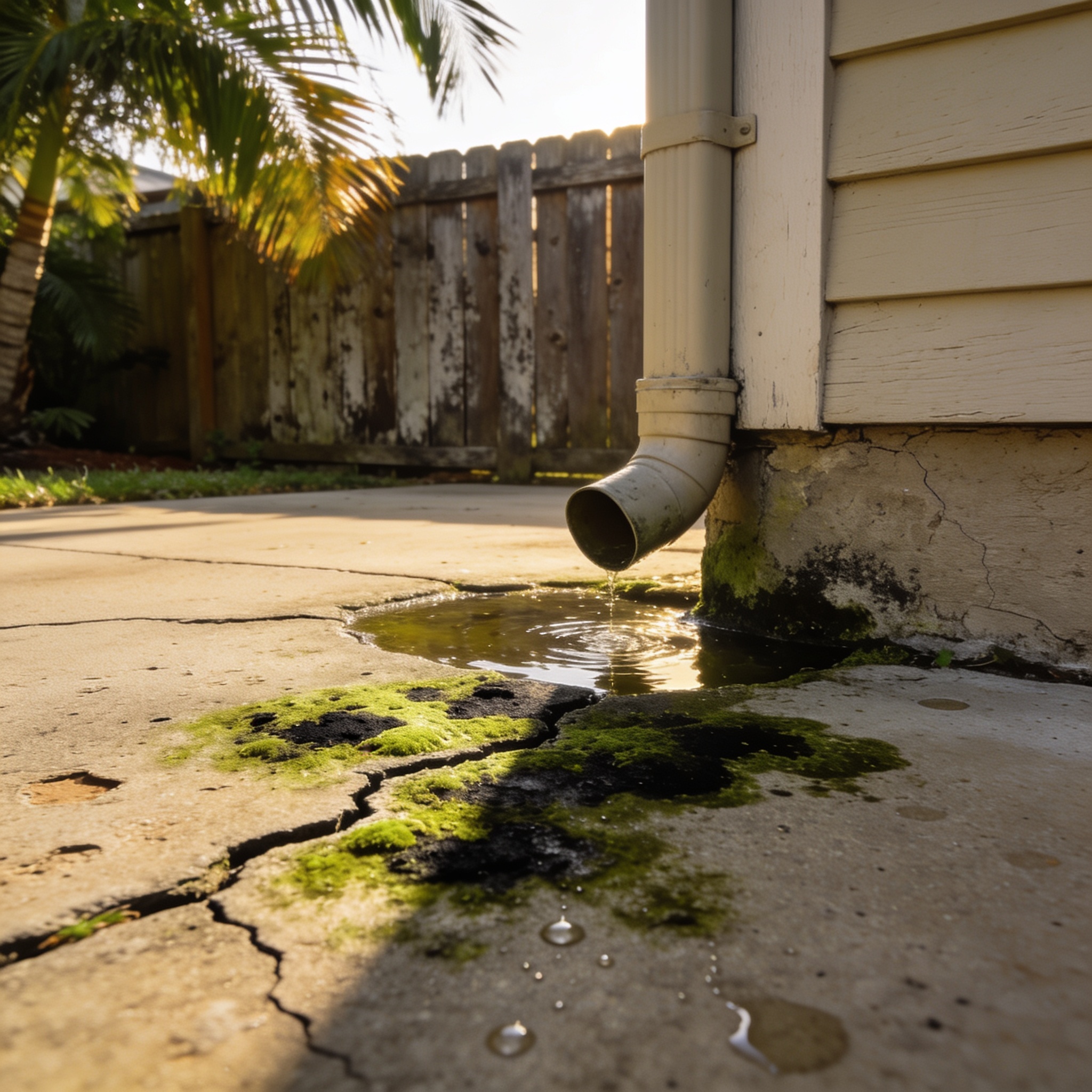
Mold growth on concrete is almost always fueled by excessive moisture, high humidity, and the presence of organic material like dirt trapped in the pores of the concrete. Even though cement is not a food source for mold, the surface of a concrete floor or foundation wall often collects enough debris to sustain a colony. In Southwest Florida, the combination of tropical humidity and frequent rain events can lead to mold growth due to condensation. If you have recently experienced flooding, you may need to look into Water Damage Restoration to address the underlying moisture before mold takes hold. Remember that mold thrives in damp conditions, and concrete blocks can harbor mold growth if they are not properly sealed. Outdoor concrete is also frequently exposed to elements like algae or moss that provide mold with a nutrient-rich environment. Because concrete becomes porous over time, it creates ideal places for mold to settle.
Is Black Mold on Concrete Toxic or Dangerous to Your Health?
Any type of mold, including black mold on concrete, is considered a potential health hazard because it releases spores into the air that can trigger allergic reactions and respiratory distress. While the term “toxic mold” is often used colloquially, the EPA notes that all mold should be treated as a health concern regardless of the specific species. Exposure to mold spores can be particularly dangerous for individuals with asthma, immune system deficiencies, or chronic lung conditions. If you find significant black mold growth in your basement or crawl space, it is safer to consult with experts for mold remediation near me to ensure the spores are properly contained. You do not want to get mold in your living spaces, as mold can cause significant health issues and it can be difficult to remove once it penetrates within the concrete. Remember, mold requires moisture to survive, and basement mold is a common issue in humid climates.
What Are the Signs of Mold Sickness You Should Watch For?
The 5 signs of mold sickness you should watch for include persistent sneezing, itchy or watery eyes, skin rashes, chronic coughing, and frequent headaches. These symptoms often worsen when you spend time in the specific room where the mold is growing, such as in areas like basements or a laundry room. If you notice these physical reactions, it is a strong indicator that the indoor air quality has been compromised by active mold colonies. You should monitor your health closely and consult a medical professional if your symptoms do not improve after leaving the affected area for an extended period.
Can Mold on Concrete Spread to Other Parts of Your Home?
Mold spores are microscopic and easily travel through HVAC systems, meaning mold growing on concrete can quickly spread to drywall, wood framing, and furniture throughout your home. Once a colony is established on a concrete foundation, it acts as a reservoir that continuously releases spores into the air. This is why addressing mold in a basement or garage is vital to protecting the rest of your property. If you suspect the spread has reached your living areas, seeking Water Damage Restoration services can help identify the source for the mold and prevent further contamination. Even existing mold can release spores that settle elsewhere, so immediate action is necessary.
How Do You Kill Mold on Concrete (DIY Methods Including Vinegar)?
You can effectively kill the mold on concrete by using a mixture of white vinegar and water, which penetrates the porous surface better than bleach. Bleach is often ineffective on porous materials because it only kills the surface mold while leaving the roots intact, which can actually lead to more aggressive regrowth. To remove mold from concrete, scrub the area with a stiff brush and a solution of one part vinegar to one part water. Always wear protective gear, including an N95 mask and gloves, to avoid inhaling spores while you work to get rid of mold on concrete. This process helps remove the growth on your concrete effectively, as mold can indeed grow on concrete surfaces if not treated with an acidic solution.
How Long Does It Take Vinegar to Kill Mold on Concrete?
Vinegar typically needs to sit on the mold colony for at least one hour to effectively penetrate the pores of the concrete and kill the mold spores at their root. After the hour has passed, you should scrub the area thoroughly with a detergent and water to remove the dead mold and any remaining residue. If the mold is deep-seated or covers a large area, a single application may not be enough to fully rid the surface of the infestation. Ensure the area is completely dried after cleaning, as any lingering moisture will provide an ideal environment for new mold growth. Proper mold removal requires patience and thoroughness, and it is important to note that mold can indeed grow on concrete even after a light cleaning if the moisture source remains.
When Should You Call a Professional for Mold on Concrete?
You should call a professional for mold remediation if the affected area is larger than 10 square feet, if the mold is located inside your HVAC system, or if you have recurring mold growth despite your best cleaning efforts. Professional mold remediation teams use specialized equipment like HEPA vacuums and industrial dehumidifiers to ensure that all spores are captured and removed from the environment. They can also perform a professional mold inspection to identify hidden moisture sources, such as cracks in the foundation or failing drainage systems. Relying on experts is the most reliable way to ensure your home remains safe and compliant with Florida building health standards. When dealing with concrete mold, professional mold remediation ensures that the root cause is addressed.
How Can You Prevent Mold Growth on Concrete for Good?
To prevent mold growth on concrete for good, you must maintain indoor humidity levels below 50% using a high-quality dehumidifier and ensure proper drainage around your home’s foundation. Keep the concrete dry by sealing any cracks and applying a high-quality concrete sealer that prevents moisture from seeping through the porous material. Regularly cleaning the surface to remove dust and organic debris will also deprive potential mold colonies of the food source they need to thrive. By controlling the moisture and keeping the surface clean, you can significantly reduce the risk of mold returning to your home. White mold and other varieties are easily prevented when the environment is kept dry, as mold can indeed grow on concrete when it is left damp.
Frequently asked questions
The following answers address common concerns regarding the management and safety of concrete-based mold infestations in Florida homes.
Is it safe to use bleach to remove mold from concrete?
Bleach is generally not recommended for porous concrete because it does not kill the roots of the mold, often leading to rapid regrowth.
Does mold on concrete always indicate a flood?
No, mold can grow on concrete due to high humidity, condensation, or plumbing leaks, not just from standing floodwater.
Can I paint over mold on my concrete wall?
Painting over mold is dangerous because it traps the mold underneath, allowing it to continue growing and potentially damaging the structural integrity of the wall.
How do I know if the mold is gone for good?
The mold is likely gone if the musty odor disappears and you no longer see new growth after maintaining low humidity levels for several weeks.
What is the best way to monitor humidity in a basement?
Use a digital hygrometer to track indoor humidity levels and ensure they stay between 30% and 50% to prevent mold from thriving.
Our editorial team verifies licensing and reviews for every restoration company in the directory and writes practical, Florida-specific guides to help homeowners act fast and protect their insurance claims after water, fire, mold or storm damage.