Is Black Mold on Bathroom Ceiling Dangerous? What You Need to Know
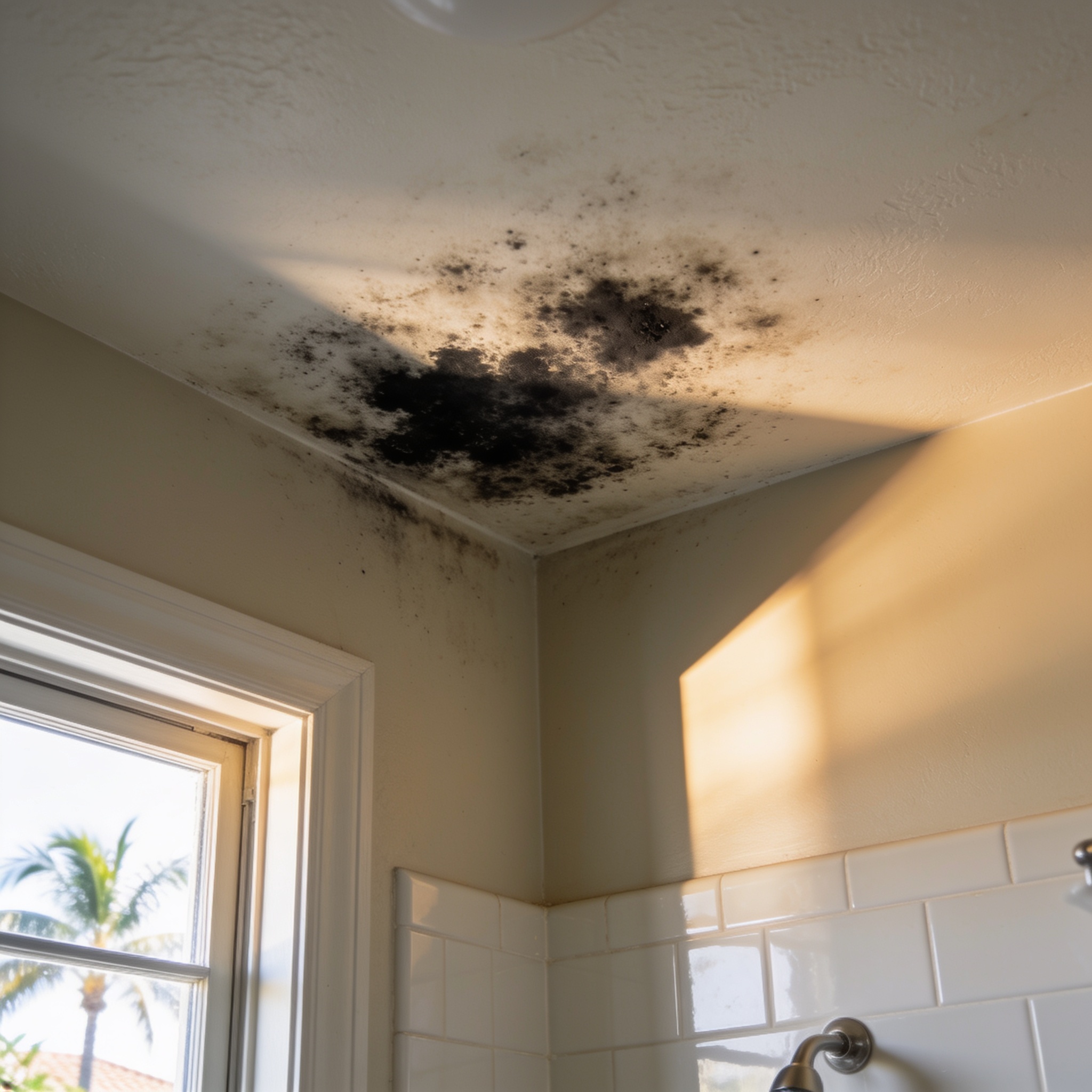
Is black mold on bathroom ceiling dangerous? Yes, it is considered a significant indoor air quality hazard because the presence of Stachybotrys chartarum, often called black mold, indicates that moisture levels are high enough to support toxic mold colonies that can trigger respiratory issues within 24 to 48 hours of initial growth. In the humid climate of Southwest Florida, where average humidity often exceeds 75%, any visible mold growth on a ceiling surface should be treated as a potential health risk requiring immediate attention. Addressing this mold problem early is essential to prevent mold growth in your bathroom from spreading throughout your home. Because mold can affect your respiratory health, it is vital to keep your bathroom mold-free.
Key Takeaways
- Black mold thrives in SWFL bathrooms due to high ambient humidity and poor ventilation.
- Visible mold colonies often indicate an underlying moisture source like a roof leak or plumbing issue.
- Exposure to fungal spores can trigger asthma attacks, allergic reactions, and chronic respiratory irritation.
- You should engage professional mold remediation services if the affected area exceeds 10 square feet.
- Maintaining a dry environment through consistent ventilation is the most effective way to help prevent future mold growth.
- Understanding the conditions for mold allows you to better protect your indoor air quality.
Is it normal to find mold on a bathroom ceiling, or should you be concerned?
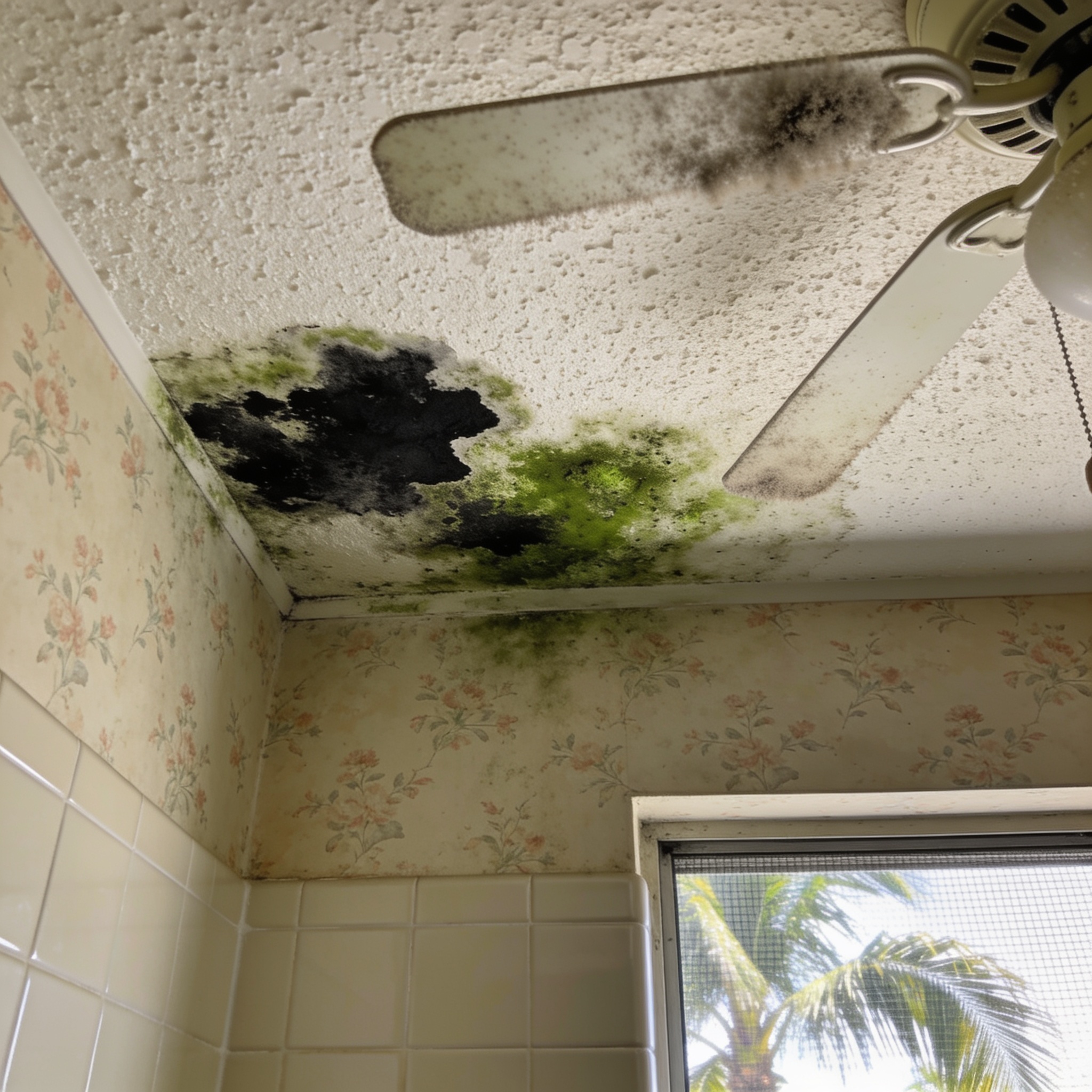
Finding mold on your bathroom ceiling is never considered normal, even in humid climates like Lee, Collier, or Charlotte counties. While minor mold and mildew may occur due to daily steam, persistent black mold on bathroom ceilings indicates that your bathroom is failing to dry out properly between uses. According to the EPA, any indoor mold growth should be addressed immediately to prevent the spread of airborne mold spores throughout your home. If you notice mold appears on my bathroom ceiling, it is a clear signal that your ventilation system is inadequate or that a hidden water source is feeding the fungus. Excess moisture is the primary catalyst that allows mold to develop in these areas, providing the perfect humid environment for mold to thrive.
How do you know if your bathroom mold is toxic or just common mold?
The only definitive way to distinguish between common household mold and toxic black mold is through professional lab testing of a physical sample. Many types of fungi appear dark or black, and visual identification alone is unreliable for determining toxicity. The IICRC notes that while not all dark-colored fungi are toxic, they all produce allergens that can affect your indoor air quality. If you are concerned about your health or the extent of the infestation, contact a specialist for a professional mold inspection to identify the specific species present. Identifying these mold issues early helps prevent long-term structural damage.
What causes black mold to grow on bathroom ceilings?
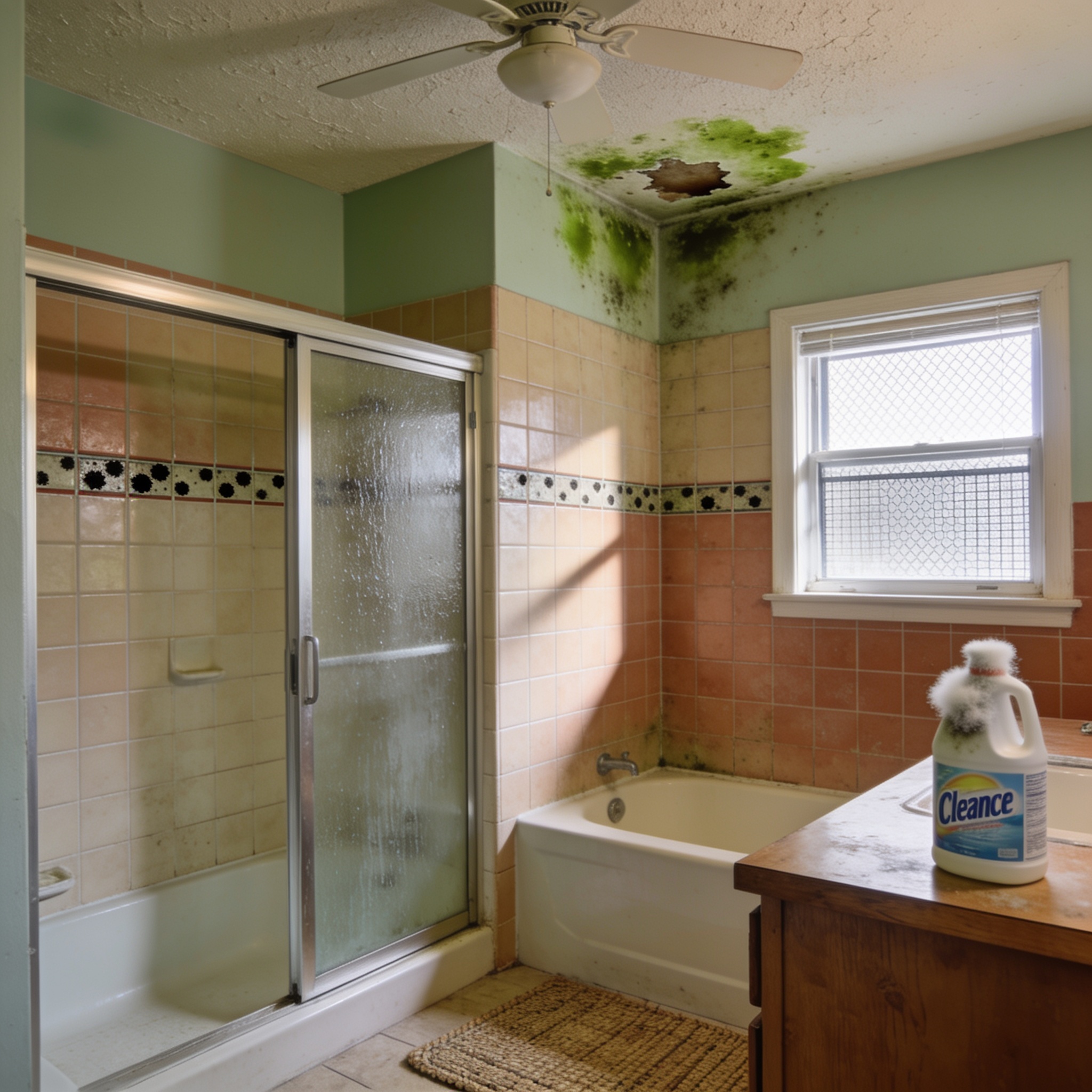
Black mold thrives in your bathroom because the combination of steam, poor ventilation, and porous materials creates the perfect breeding ground for mold. Bathroom ceilings are often painted with materials that can trap moisture, allowing spores to colonize the surface quickly. In Southwest Florida, high outdoor humidity levels exacerbate this issue, as bathroom exhaust fans often struggle to vent moisture effectively during the rainy season. Furthermore, hidden plumbing leaks or roof damage from tropical storms can provide a constant water supply that keeps the drywall damp, fueling rapid black mold growth. These are the ideal conditions for mold, which is why bathrooms are among the most common areas prone to mold growth.
What are the health risks of black mold exposure, and how quickly can it make you sick?
Exposure to black mold can pose health risks such as respiratory irritation, coughing, wheezing, and skin rashes, especially for individuals with asthma or compromised immune systems. The CDC emphasizes that the severity of symptoms depends on the individual’s sensitivity and the duration of exposure to airborne mold spores. While some people may experience immediate allergic reactions, others might develop chronic respiratory conditions after long-term exposure. Because mold spores are microscopic, they can easily travel through your HVAC system, potentially spreading the contamination to other rooms in your home.
Is it safe to shower in a bathroom with black mold on the ceiling?
It is not safe to use a bathroom with an active black mold infestation because the heat and steam from your shower can release more spores into the air. Each time you shower, you create an ideal environment for the colony to release additional spores, which you then inhale while in the enclosed space. If you discover mold, you should stop using that specific bathroom until the area has been cleaned or the source of the moisture is resolved. For significant water-related issues, you may require Water Damage Restoration to ensure the structural integrity of the ceiling is not compromised.
How do you get rid of mold on bathroom ceilings (DIY vs. professional removal)?
You can attempt to remove mold yourself if the affected area is less than 10 square feet and the mold has not penetrated deep into the drywall. To clean mold effectively, use a specialized cleaning solution or a mixture of one part bleach and three parts water; apply this with a spray bottle to the affected area. Always wear protective gear, including gloves and a mask, to ensure safe removal and avoid direct contact with the fungus. For more extensive damage, professional mold remediation is the only way to safely remove the contamination and prevent it from returning.
The 5 visual signs of black mold
- Velvety or slimy texture: Black mold often appears as a dark, fuzzy, or slimy patch that feels damp to the touch.
- Musty odor: A persistent, earthy, or damp smell in your bathroom is a primary indicator of hidden or visible mold growth.
- Discoloration of paint or wallpaper: Bubbling, peeling, or dark staining on your ceiling indicates moisture trapped behind the surface.
- Spreading circular patterns: Unlike surface mildew, black mold tends to grow in distinct, expanding circular colonies.
- Recurring dark spots: If you clean a spot and it returns within a few days, it confirms that the moisture source is still active.
When should you call professional mold removal services instead of doing it yourself?
You should contact professional mold removal services if the mold covers an area larger than 10 square feet or if you suspect the growth is inside the wall cavity. Professionals use specialized tools to remove mold safely and contain the area to prevent cross-contamination of your home. If you live in an area like Punta Gorda, you might need Water Damage Restoration if the mold was caused by a roof leak or flooding. Professionals also have the equipment to dry out the structure completely, which is a step many homeowners miss during DIY attempts.
How can you keep your bathroom mold-free?
The most effective way to help prevent mold is to maintain a dry environment by using an exhaust fan in your bathroom for at least 30 minutes after every shower. To keep your bathroom mold-free, use a dehumidifier if your bathroom lacks a window or has poor ventilation to keep humidity levels below 50%. Regularly check for water leaks from plumbing or the roof, as even a small, slow drip can lead to mold development over time. By keeping the bathroom door open after use, you can significantly reduce stagnant air. By staying vigilant, you can effectively remove mold from your bathroom ceiling and help prevent future outbreaks.
| Strategy | Benefit |
|---|---|
| Run exhaust fan | Removes steam and moisture |
| Fix plumbing leaks | Eliminates the water source |
| Use dehumidifier | Lowers ambient humidity |
| Wipe down surfaces | Prevents standing water |
| Monitor for mold | Helps prevent mold in bathroom early |
Frequently asked questions
Below are common concerns regarding mold management in Southwest Florida homes.
Does vinegar work better than bleach to kill mold?
Vinegar is often more effective than bleach because it can penetrate porous surfaces like drywall to kill mold at the roots, whereas bleach often only kills the surface layer.
Can mold grow on a ceiling without a leak?
Yes, mold can grow on a ceiling due to high humidity and poor ventilation causing condensation, which provides enough moisture for spores to thrive.
How long does it take for mold to grow after a leak?
Mold can begin to develop in as little as 24 to 48 hours if the conditions are right and the moisture is not addressed immediately.
Is it necessary to replace drywall if it has black mold?
If the mold has penetrated the porous drywall material, it is usually necessary to remove and replace the affected section to ensure the infestation is completely eliminated.
Our editorial team verifies licensing and reviews for every restoration company in the directory and writes practical, Florida-specific guides to help homeowners act fast and protect their insurance claims after water, fire, mold or storm damage.