Dangerous Orange Mold on Wood: What You Need to Know
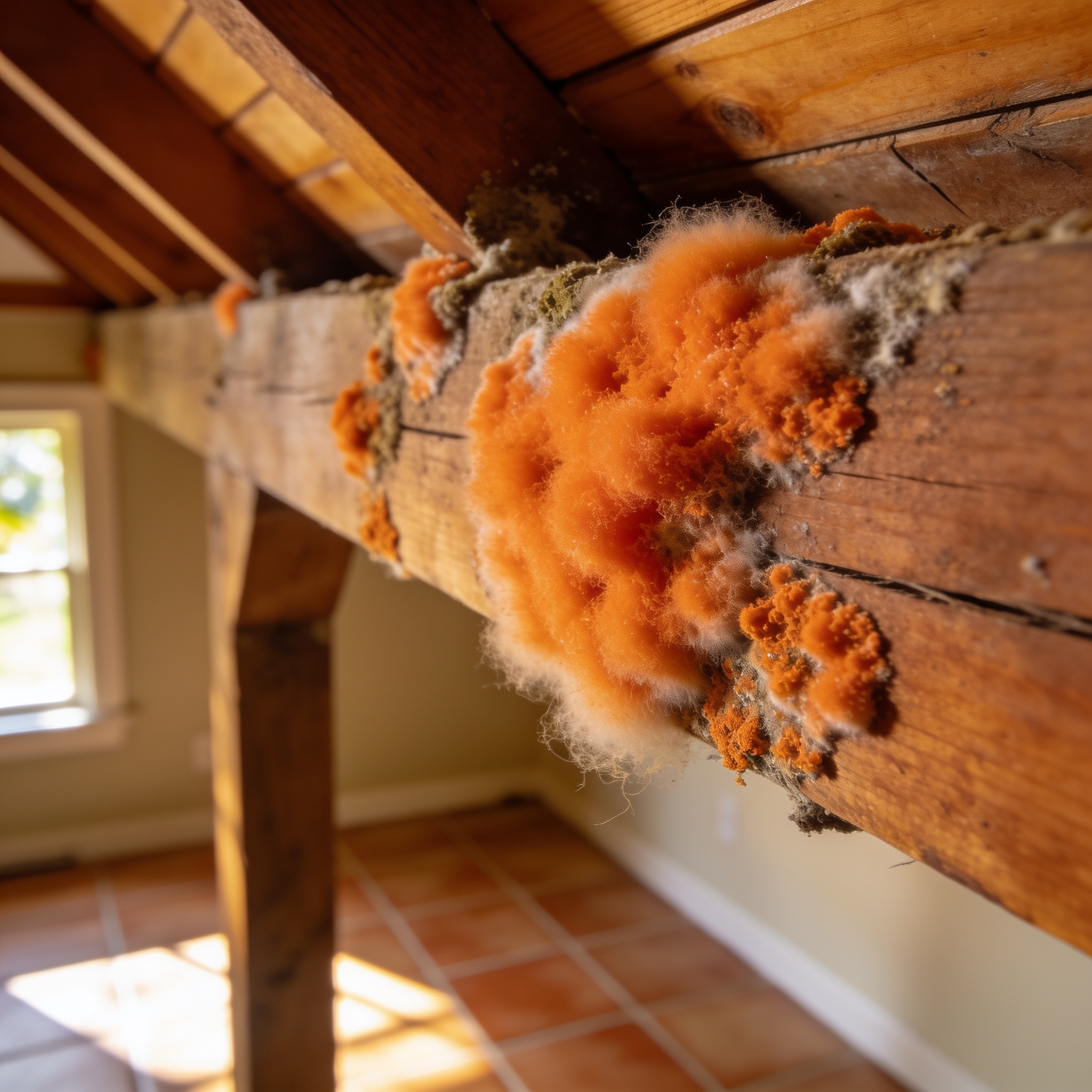
The presence of orange mold on wood typically indicates a moisture-related issue that can cost between $1,500 and $5,000 to remediate depending on the square footage and severity of the infestation. Because Southwest Florida experiences high humidity levels year-round, any visible orange mold on wood serves as a primary indicator that your home’s environmental controls have failed. Addressing this growth immediately is essential to prevent structural degradation and potential respiratory irritation for your household. Understanding the appearance of mold is the first step in protecting your home and health, as mold can damage structural integrity when left unchecked. Because mold can make residents feel unwell, identifying these mold types early is critical. Furthermore, mold can also affect your indoor air quality, potentially leading to serious health issues if spores are inhaled in large quantities.
Key Takeaways
- Orange mold on wood is a strong indicator of excessive moisture trapped within your home’s structural framing.
- While often less toxic than certain strains of black mold, orange mold can still cause significant allergic reactions in sensitive individuals.
- Professional mold testing is recommended if you suspect the growth has penetrated deep into wood fibers or drywall.
- Effective mold cleanup strategies require addressing the underlying moisture source, such as roof leaks or high indoor humidity.
- Routine maintenance and proper ventilation are the most effective ways to prevent mold from returning to your property.
What Does Orange Mold on Wood Look Like (and How to Identify It)?
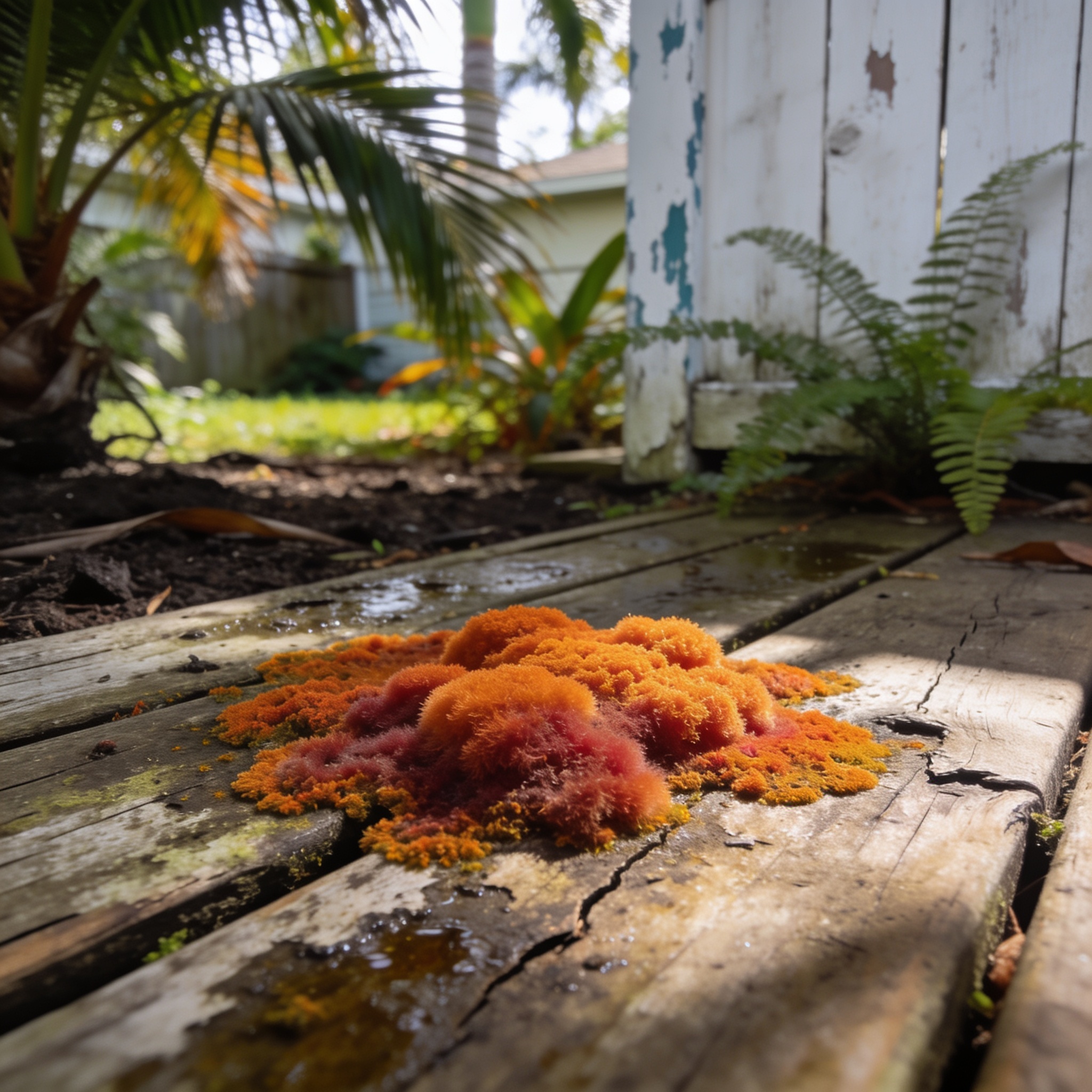
Orange mold on wood typically appears as a bright, fuzzy, or powdery growth that stands out sharply against the natural grain of the timber. Unlike other colors of mold that might look like dark stains, this fungus often presents in vibrant shades of rust, copper, or neon orange. You may notice this bright orange or fuzzy orange growth spreading across floor joists, wall studs, or subflooring in areas with poor ventilation. In Southwest Florida, this mold often thrives in damp crawlspaces or attics where humidity levels frequently exceed 60 percent. If you observe visible mold, it is likely releasing spores into the air, which can spread the colony to other organic material nearby. Identifying the specific type of mold is vital, as mold can grow rapidly when moisture and organic material are present.
What Does Toxic Mold Look Like on Wood Compared to Ordinary Orange Mold?
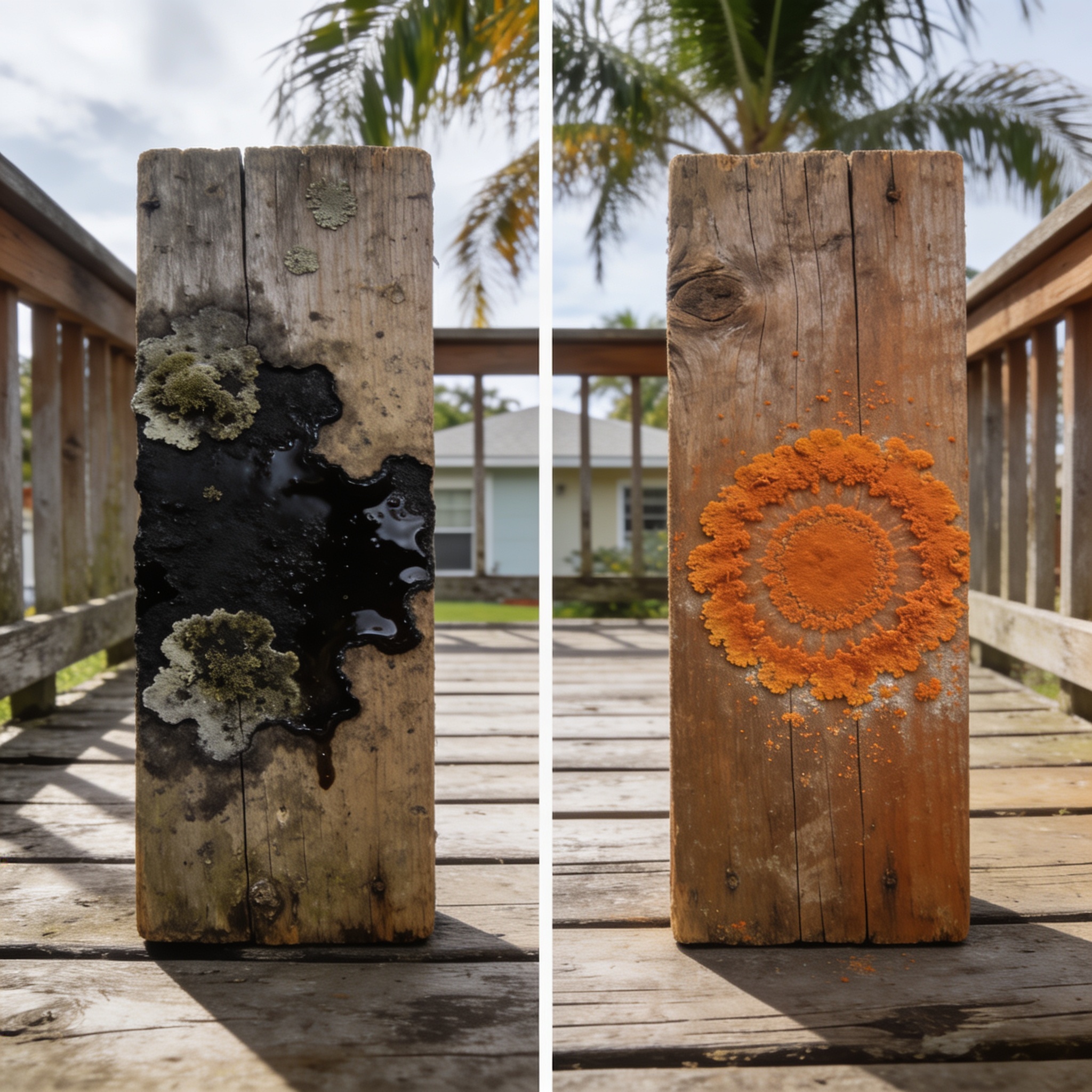
Distinguishing between different mold colors requires professional testing, as visual appearance alone cannot determine the specific species or toxicity level. While orange mold on wood often appears vibrant and fuzzy, toxic varieties like Stachybotrys chartarum—commonly known as black mold—usually look like dark, slimy, or soot-like patches. Ordinary orange mold is frequently a type of fungus found on wood that feeds on the sugars or cellulose within wood fibers. In contrast, black mold thrives in environments with chronic water damage, such as those often addressed through mold remediation after a hurricane. Always treat any significant fungal growth as a potential hazard regardless of its hue, as the risk of mold is always present in miami mold-prone climates.
What Causes Orange Mold to Grow on Wood?
The primary causes orange mold to grow on wood are sustained moisture, high humidity, and the presence of organic food sources like cellulose. Mold thrives in damp environments, and in Lee, Collier, and Charlotte counties, the combination of tropical weather and structural leaks creates ideal conditions for mold. When wood framing remains wet for more than 48 hours, it becomes a perfect host for various mold species. Poor ventilation in bathrooms or kitchens can also lead to mold on walls, as trapped steam provides the moisture necessary for these organisms to colonize. If you have recently experienced flooding, seek Water Damage Restoration to ensure that structural wood surfaces are dried properly to prevent future outbreaks. Additionally, homeowners often confuse this with orange slime in showers, which is usually a bacterial biofilm rather than a wood-destroying fungus.
Is Orange Mold on Wood Dangerous?
Whether orange mold on wood is dangerous to humans depends on the individual’s immune system and the extent of the colony present in the living space. Although not all orange mold species are inherently toxic, they can still cause serious health risks if they release high concentrations of airborne spores. According to the EPA, any mold in your home should be removed because it can trigger allergic reactions, asthma attacks, or other respiratory problems. The danger increases when the mold is left undisturbed, as it can continue to release spores into your HVAC system. If you reside in a flood zone, you should be particularly vigilant, as Water Damage Restoration professionals often find that hidden mold under flooring or behind walls poses the greatest risk to occupants. Ultimately, mold is dangerous to humans when it compromises indoor air quality.
What Are the Health Risks Associated with Orange Mold Exposure?
The 5 health risks associated with orange mold exposure include allergic reactions, respiratory irritation, skin rashes, eye inflammation, and aggravated asthma symptoms. While mold on food—like an orange—is different from the species that grows on structural wood, both can release mycotoxins that cause illness. Here are the five specific risks:
- Allergic Reactions: Many individuals experience sneezing, runny noses, and congestion when exposed to mold spores.
- Respiratory Irritation: Inhaling spores can lead to coughing, wheezing, and throat irritation, especially in those with pre-existing conditions.
- Asthma Aggravation: For those with asthma, mold exposure can trigger severe attacks that require immediate medical attention.
- Skin and Eye Sensitivity: Direct contact with moldy surfaces can cause dermatitis, while spores in the air often lead to red, itchy, or watery eyes.
- Systemic Immune Response: Prolonged exposure in immunocompromised individuals can lead to more serious respiratory disease or chronic fatigue.
Is Orange Mold as Dangerous as Black Mold?
While orange mold is generally considered less toxic as black mold, it can still cause significant health issues if left unaddressed in your home. Black mold is notorious for producing higher concentrations of mycotoxins, but any large-scale mold infestation can compromise your indoor air quality. The danger is not just about the specific species, but about the total volume of mold growing within your living environment. Regardless of color, the presence of any mold indicates a moisture problem that must be resolved to protect the structural integrity of your property. Do not assume that because the mold is orange, it is safe to ignore or handle without proper protective equipment; orange mold health risks are real, and orange mold is dangerous when it reaches high concentrations.
How Can You Get Rid of Orange Mold on Wood (DIY vs. Professional Removal)?
Deciding between DIY and professional mold removal depends on the size of the affected area and whether the wood is structurally compromised. For small, surface-level patches, you might be able to use specialized cleaning agents that kills mold on contact. However, if the mold has penetrated deep into the wood fibers, surface cleaning will not suffice. Professional remediation is necessary when the area exceeds 10 square feet or if the mold is located in hard-to-reach areas like wall cavities. The following table outlines the differences between these two approaches:
| Feature | DIY Removal | Professional Removal |
|---|---|---|
| Scope | Small, surface-level growth | Large, hidden, or structural growth |
| Equipment | Standard household cleaners | HEPA vacuums, industrial dehumidifiers |
| Safety | Basic PPE (mask/gloves) | Full containment and respirators |
| Effectiveness | Temporary surface fix | Root cause elimination |
| Expertise | General cleaning | Expert mold assessment |
When Should You Call a Professional for Orange Mold Removal?
You should call a professional for orange mold removal if the growth covers a large area, returns after cleaning, or if you suspect mold is growing inside your walls. Certified mold remediation experts have the tools to perform a comprehensive mold inspection to identify the exact source of moisture. If you notice a musty odor but cannot find the source, there is likely hidden mold behind your drywall or under your flooring. In Southwest Florida, professional intervention is often required after major storm events to ensure that all damp materials are properly sanitized. Relying on experts ensures that the mold is fully removed and that the environmental conditions are corrected to prevent future growth.
How Can You Prevent Orange Mold from Growing on Wood?
To prevent orange mold from growing on wood, you must maintain indoor humidity levels below 50 percent and repair all water leaks immediately. Consistent airflow is critical in our climate, so ensure that your bathroom fans and attic vents are functioning correctly. Regularly inspect your roof, windows, and plumbing for signs of water intrusion, as even a small leak can provide the moisture needed for mold to thrive. Using a dehumidifier in basements or crawlspaces can also significantly reduce the risk of fungal development. By keeping your home dry, you protect both your property value and the health of your family.
Frequently asked questions
Understanding the specific nature of mold in Florida homes can help you make informed decisions about your property maintenance.
Can I just paint over orange mold on wood?
No, painting over mold will not kill it; the fungus will continue to grow beneath the paint, eventually causing it to peel and potentially damaging the wood further.
Does bleach kill orange mold on wood effectively?
Bleach is often ineffective on porous surfaces like wood because it only kills the surface mold while leaving the roots intact, and it can also damage the wood fibers.
How quickly can orange mold grow on wood?
Under ideal conditions with high moisture and warm temperatures, mold can begin to grow on wood within 24 to 48 hours of exposure to water.
Is orange mold common in Florida homes?
Yes, due to the high humidity and frequent rainfall, mold growth is a common issue for homeowners in the SWFL region, especially in poorly ventilated areas.
Is orange mold dangerous?
While orange mold dangerous levels vary by species, any indoor fungal growth should be treated as a potential health hazard requiring professional assessment.
What happens when orange mold appears?
When orange mold appears, it often signals that moisture has compromised your building materials, requiring immediate remediation to stop the spread.
Does red mold differ from orange mold?
While red mold is a distinct classification, both red and orange varieties thrive in similar damp conditions and require identical moisture-control protocols.
Is orange mold growth always visible?
Not necessarily; orange mold growth can occur behind walls or under flooring, making it essential to monitor for musty odors or physical symptoms of exposure.
Does orange mold grow on wood specifically?
Yes, grows on wood is a common behavior for this mold type, as it consumes the cellulose found in structural timber and framing.
Is orange mold dangerous to humans?
Yes, orange mold is dangerous to humans who have sensitivities, as it can trigger respiratory distress and allergic reactions.
How does mold growing affect my home?
The mold growing process breaks down organic materials, which can lead to costly structural repairs if the underlying moisture issue is not resolved.
How to prevent mold in the future?
To prevent mold, ensure proper ventilation, use dehumidifiers, and address any water leaks immediately to keep humidity levels low.
Our editorial team verifies licensing and reviews for every restoration company in the directory and writes practical, Florida-specific guides to help homeowners act fast and protect their insurance claims after water, fire, mold or storm damage.