Can Wet Insulation Cause Mold? How to Protect Your Attic
Yes, wet insulation can cause mold growth in as little as 24 to 48 hours, making it a critical threat to your property’s structural integrity and indoor air quality. In the humid climate of Southwest Florida, where tropical storms and roof leaks are common, moisture trapped in your attic insulation creates the perfect environment for mold growth. Understanding the risks of wet insulation is vital for maintaining your home’s energy efficiency and protecting your family from health and structural hazards. Whether the issue originates in your attic or basement, knowing the steps to prevent further damage is essential.
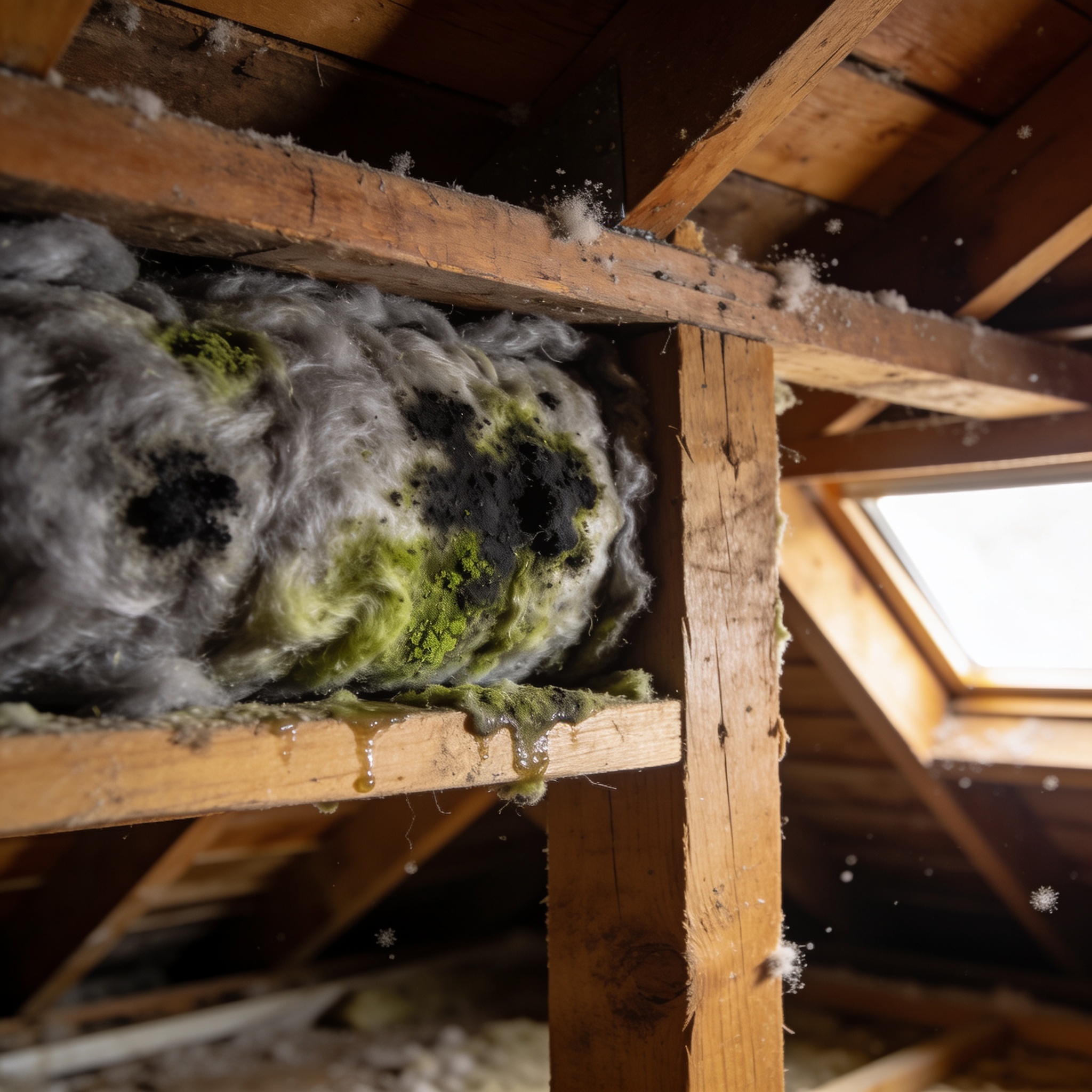
Key Takeaways
- Wet insulation loses its effectiveness and must be replaced to maintain your home’s energy efficiency.
- Mold spores can colonize damp insulation materials within 48 hours of water exposure.
- Professional mold remediation companies should be contacted immediately if you suspect contamination.
- Roof leaks and HVAC condensation are the most frequent causes of moisture in Florida attics.
- Always assess the extent of water damage before attempting any DIY cleanup efforts.
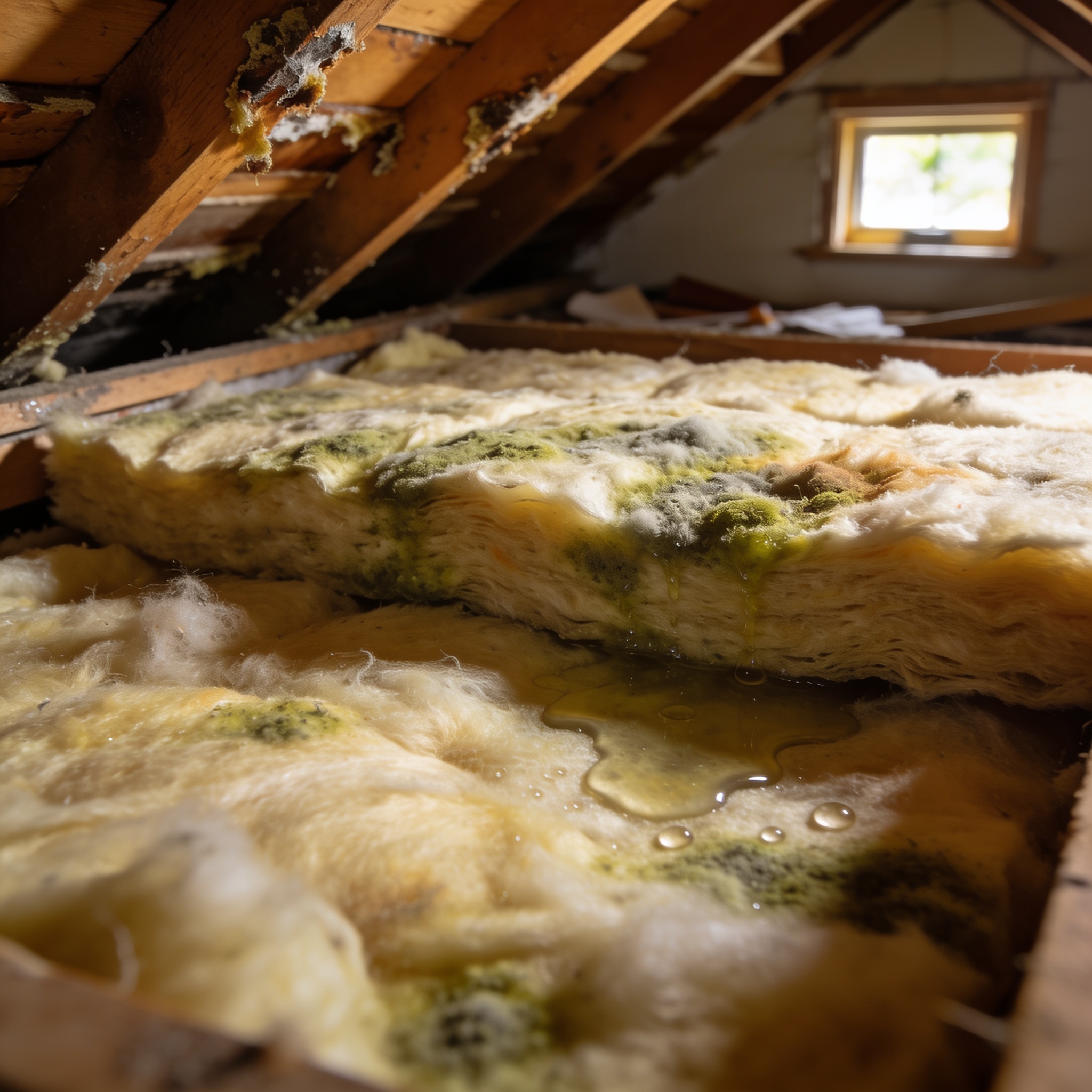
Does insulation go mouldy if it gets wet?
Insulation becomes a breeding ground for fungi once it absorbs water, as the material traps moisture against organic surfaces like wooden rafters. When insulation becomes wet, it loses its thermal insulation properties and provides a nutrient-rich surface for spores to settle. This is particularly problematic in Lee and Collier counties, where high outdoor humidity levels prevent materials from drying naturally. Because wet insulation can lead to rapid mold and mildew growth, addressing the issue quickly is essential to prevent mold from spreading. If you discover wet insulation in your home, it is often a sign that water gets into areas where it does not belong.
What causes insulation to get wet in the first place?
Water intrusion in an attic is usually the result of a compromised building envelope or internal system failure. A roof leak during a summer thunderstorm is the most common culprit, allowing water to soak insulation directly. Additionally, hvac ductwork that is improperly insulated can create condensation, which drips onto the ceiling and saturates the surrounding material. These wet insulation problems often go unnoticed until energy bills rise or odors develop.
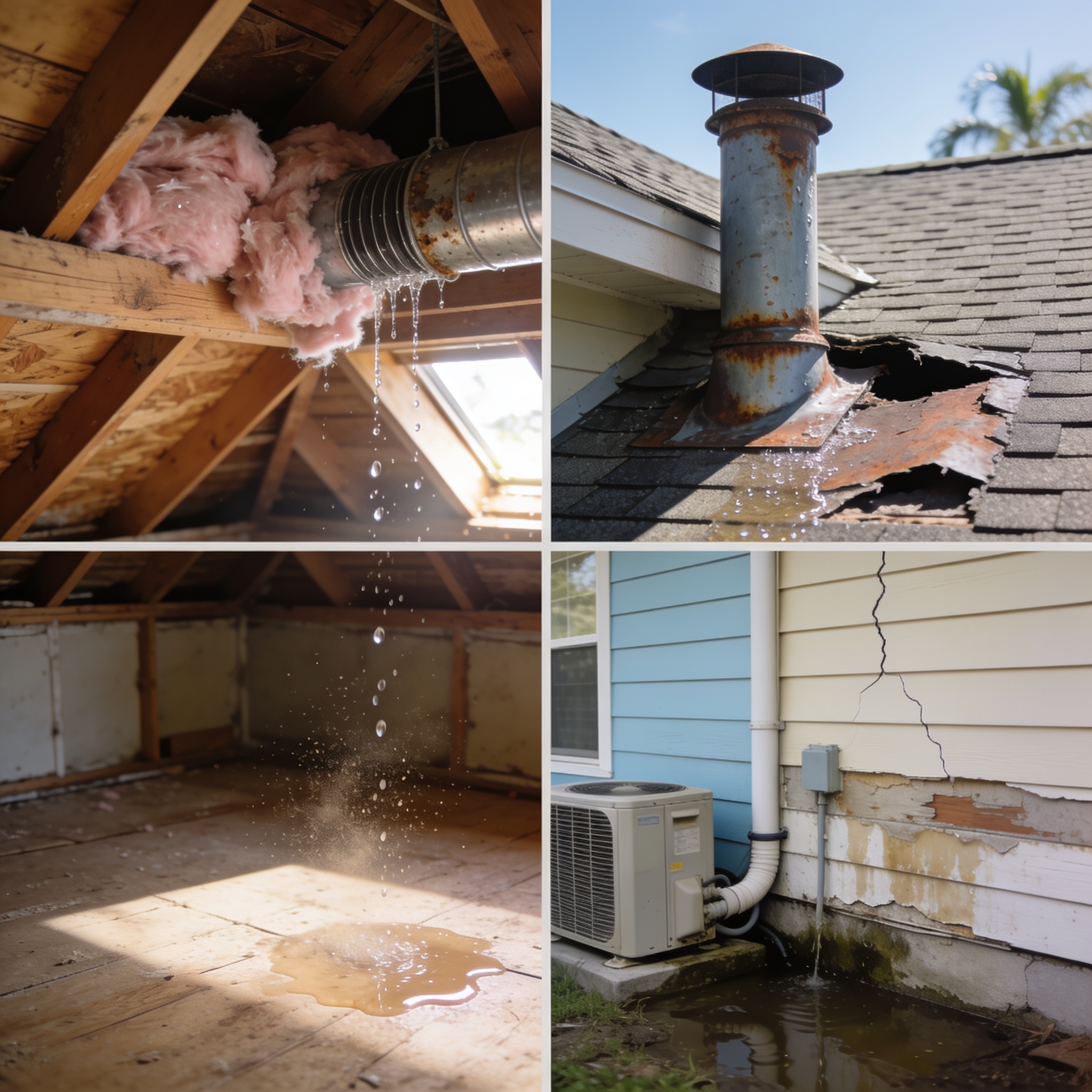
How long does it take for wet insulation to develop mold?
Mold growth typically begins within 24 to 48 hours if the environment remains damp and warm. Because Florida attics act as heat traps, they accelerate the biological processes that allow mold and mildew to thrive. Once the material is thoroughly wet, the clock starts ticking on potential structural damage to your home. If you notice your insulation becomes wet, you must act fast to grow mold prevention protocols, as the material will likely need to be replaced.
How do you find wet insulation?
You can identify compromised materials by looking for specific visual and olfactory cues that indicate deep-seated moisture issues.
The 5 signs of wet insulation
- Musty Odors: A persistent, damp smell in your home often indicates hidden mold growth in the attic.
- Discoloration: Dark spots, streaks, or fuzzy patches on the insulation or nearby wooden beams are clear indicators of fungal colonization.
- Clumping or Sagging: If your insulation appears matted, heavy, or is pulling away from the ceiling, it has likely absorbed significant water.
- Rust on Fasteners: Corrosion on nails or staples near the insulation suggests high humidity or water exposure within the attic space.
- Increased Energy Bills: Because wet insulation loses its effectiveness, your HVAC system must work harder, leading to a noticeable spike in monthly costs.
What happens to your home when insulation gets wet — beyond just mold?
Structural degradation occurs when moisture trapped by insulation leads to wood rot and the potential for ceiling collapse. When insulation stays saturated, it keeps the wooden joists and rafters in a constant state of dampness. This environment encourages wood-decay fungus, which can weaken the structural framing of your roof. Furthermore, the added weight of water-logged material can cause your drywall ceiling to sag or fail entirely. Replacing damaged insulation is critical because the heat transfer properties are ruined, forcing your system to overcompensate.
Can different types of insulation get wet and mold?
Every type of insulation reacts differently to moisture, but all are susceptible to mold growth under the right conditions. Fiberglass and Batt
Fiberglass insulation (specifically batt style) acts like a sponge, holding water against the studs for extended periods.
Cellulose insulation
Cellulose insulation, being paper-based, is highly absorbent and can become a dense, heavy mass that is difficult to dry. Even closed-cell spray foam can trap water behind it if there is a leak, leading to hidden mold issues.What are the health risks of wet insulation?
Exposure to mold spores released by damp insulation can trigger significant respiratory health risks and allergic reactions for occupants. When mold grows in the attic, spores can travel through
hvac
vents and circulate throughout your living space. This degrades indoor air quality and may cause symptoms like coughing, sneezing, or skin irritation. Residents with pre-existing conditions should seek professional Water Damage Restoration in Punta Gorda services to ensure the air is safe.Do I need to replace wet insulation?
Most experts agree that once insulation is saturated, it
need to be replaced
rather than attempting to dry it. Even if you use a dehumidifier, the structural integrity andinsulation performance
are permanently compromised. Attempting to dry out fiberglass or cellulose is rarely successful in Florida’s climate, as the material will likely remain a breeding ground for bacteria. When you replace the insulation, you restore the R-value and protect your home’s integrity.How to replace wet insulation
You must prioritize safety by hiring a certified professional if you find wet insulation that covers a large area or shows visible mold growth. Small, isolated spots might be manageable, but large-scale
water damage
requires specialized equipment to prevent cross-contamination. If you are in Charlotte County, look for experts like those specializing in Water Damage Restoration who can safely remove the wet insulation. Professionals use PPE and containment barriers to ensure spores do not spread to other rooms. When you replace wet insulation, ensure the underlying cause of the moisture is resolved first.How to get insulation to dry and prevent future issues
Preventing moisture intrusion requires regular roof inspections and proper ventilation to ensure your attic environment stays dry. Ensure your roof is inspected annually, especially after hurricane season, to catch any small leaks before they soak your insulation. Proper attic ventilation helps manage humidity, preventing the condensation that often leads to mold growth. Consider upgrading to
moisture-resistant insulation
in high-risk areas to improve your home’s long-term resilience. If you are waiting forinsulation wet
to dry, be aware that this is rarely a permanent fix forwet insulation in your home
.Frequently asked questions
Addressing common concerns regarding attic moisture helps homeowners make informed decisions about their property maintenance.
Can I just dry out my wet insulation with a fan?
No, using a fan is ineffective and can actually spread mold spores throughout your home; insulation replacement is the only reliable solution.
Does insurance cover the cost of replacing wet insulation?
Coverage depends on the source of the water; sudden, accidental leaks are often covered, while long-term maintenance issues usually are not.
Is it safe to stay in the house with moldy insulation?
If you have mold in the attic, it is best to consult a professional to determine if the indoor air quality has been compromised.
How often should I check my attic for moisture?
You should inspect your attic at least twice a year, specifically before and after the peak of the Florida rainy season.
| Insulation Type | Moisture Sensitivity | Action if Wet |
|---|---|---|
| Fiberglass | High | Replace |
| Cellulose | Very High | Replace |
| Spray Foam | Moderate | Remove affected area |
Our editorial team verifies licensing and reviews for every restoration company in the directory and writes practical, Florida-specific guides to help homeowners act fast and protect their insurance claims after water, fire, mold or storm damage.