Can Mold Behind Drywall Affect You and Your Family’s Health?
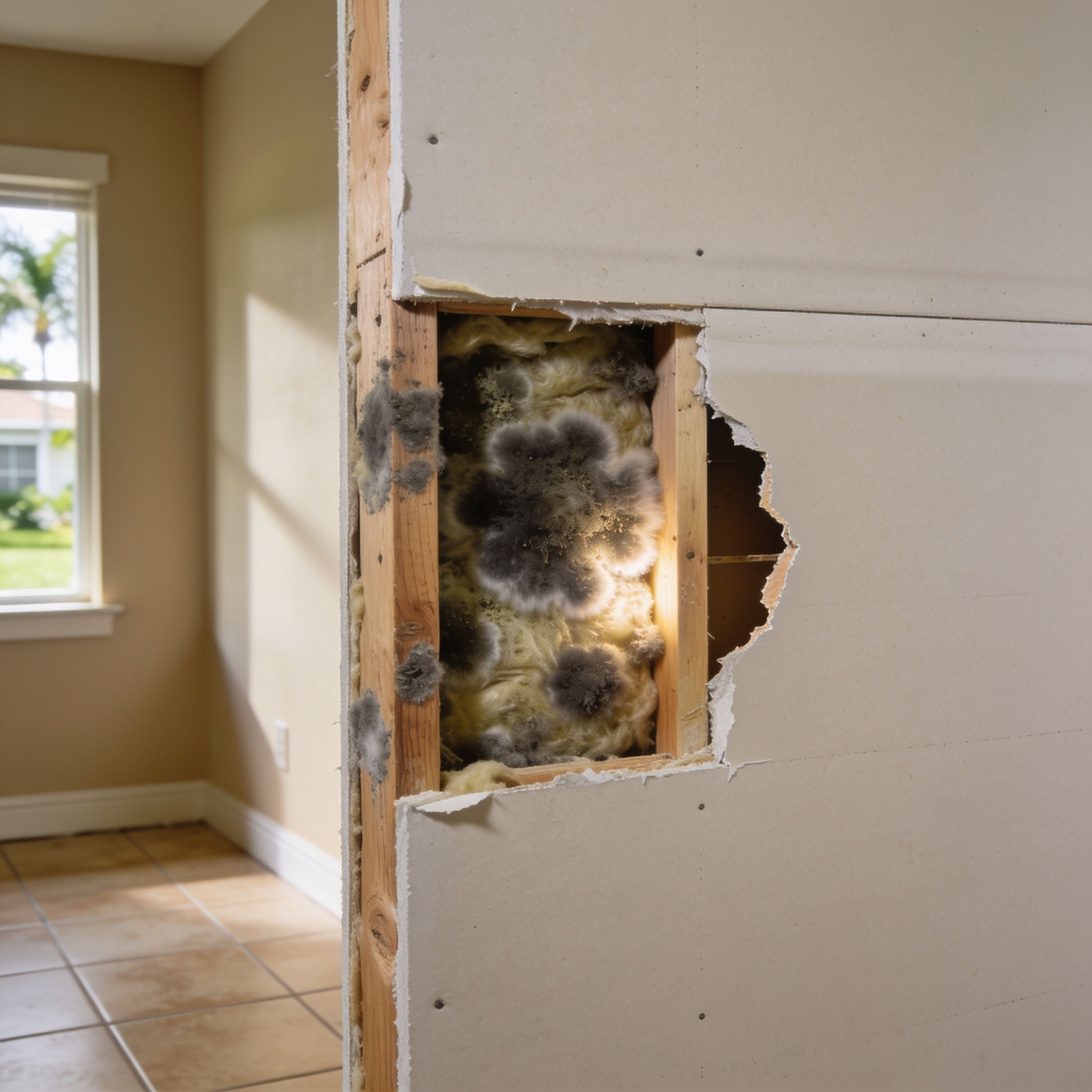
Yes, mold behind drywall can significantly affect you and your family’s health because it acts as a continuous source of airborne allergens and mycotoxins that degrade indoor air quality. According to the United States Environmental Protection Agency (EPA), any mold in your house should be addressed promptly regardless of the specific type of mold. Because mold may develop rapidly, moisture levels consistently above 60% in Southwest Florida create an ideal environment for the growth of mold. If you are allergic to mold, even small amounts of microscopic mold can trigger severe reactions, and the effects of mold on your respiratory system can be long-lasting.
Key Takeaways
- Mold behind drywall is a serious health hazard that can trigger respiratory issues, allergic reactions, and chronic fatigue.
- High humidity and water damage or mold growth are the primary drivers of fungal colonization inside walls.
- Professional mold inspection is recommended when the affected area exceeds 10 square feet to ensure safe containment.
- Early detection through moisture mapping and sampling for mold can prevent extensive mold and structural mold damage to your home.
- Effective mold prevention requires controlling indoor humidity levels and repairing plumbing or roof leaks immediately.
Signs of mold growth
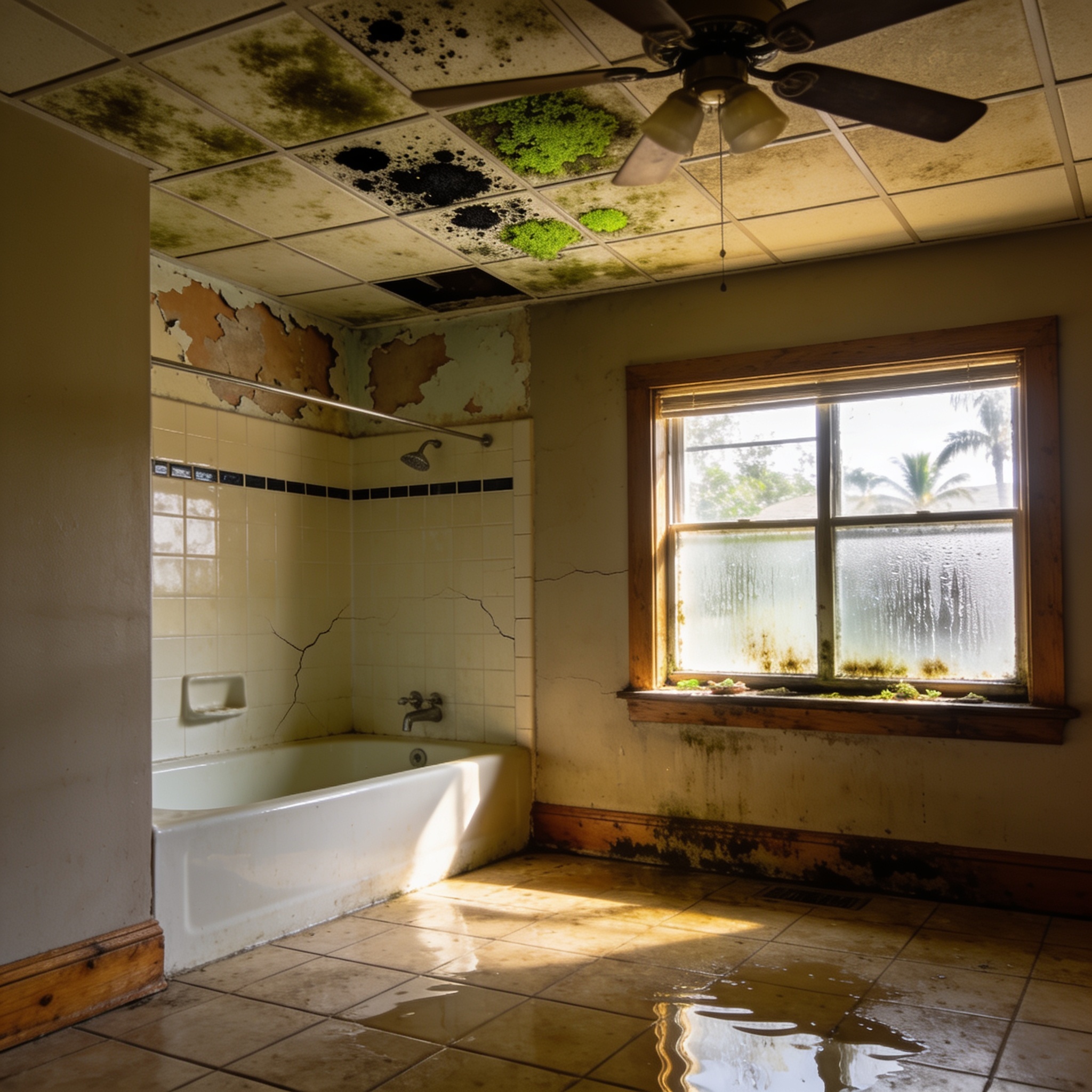
Signs of mold growth are often subtle, but identifying them early is crucial to protecting your health. Mold presence often manifests as a musty odor, peeling wallpaper, or unexplained health symptoms. You should also look for visible mold on baseboards or near a basement floor, as these are common entry points for moisture. If you notice these indicators, it is important to investigate the possible mold in your home before the situation escalates.
Hidden mold
Hidden mold is particularly dangerous because it thrives in dark, unventilated cavities inside your walls. When water leaks occur, they create an environment conducive to mold growth, often going unnoticed until the infestation is significant. If you suspect potential mold, a professional can perform an inspection to identify the source without needing to tear down every wall.
Causes of mold
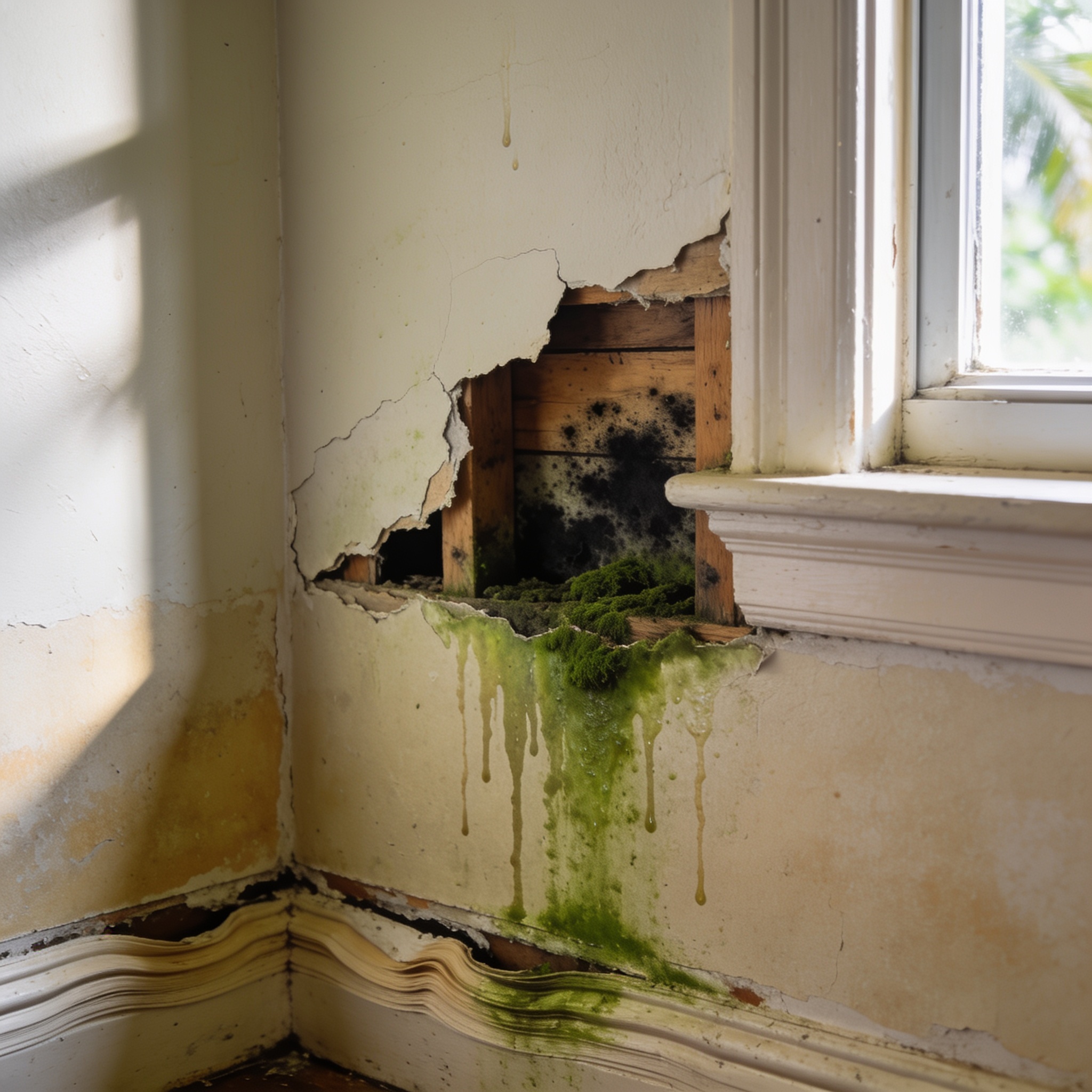
The primary causes of mold include high indoor humidity, poor ventilation, and water intrusion. Condensation on cold pipes or walls can provide enough moisture to sustain mold growth in your home. Additionally, if you have a carpet that has been damp for more than 48 hours, it can quickly become a breeding ground for spores.
Detect mold
To detect mold effectively, specialists use thermal imaging and moisture meters. If you are considering DIY mold removal, be aware that improper cleaning can spread mold to unaffected areas. Always adhere to professional mold standards when assessing the extent of the contamination.
Prevent mold
To prevent mold growth, it is essential to maintain a dry environment. Using a high-quality dehumidifier in damp areas can significantly lower moisture levels. If you find a small patch of surface fungi, some homeowners attempt to clean it with a bleach solution, but this is only a temporary fix if the underlying moisture issue remains.
Mold can cause
Mold can cause a variety of health complications, ranging from skin irritation to severe respiratory distress. Exposure to mold is a serious concern for those with pre-existing conditions. If you identify a significant infestation, contacting mold remediation services is the safest way to restore your home to a healthy state.
| Condition | Primary Symptom | Severity |
|---|---|---|
| Allergic Rhinitis | Sneezing and congestion | Mild to Moderate |
| Asthma Exacerbation | Shortness of breath | Moderate to Severe |
| Hypersensitivity Pneumonitis | Chronic cough | Severe |
| Mycotoxin Sensitivity | Brain fog and fatigue | Variable |
Frequently asked questions
Understanding the nuances of indoor fungal growth is the first step toward maintaining a healthy home environment in Florida.
Can I just paint over mold behind drywall?
Painting over mold behind drywall is never recommended because it traps the moisture and mold inside, allowing it to continue growing and damaging the structure. You must remove the contaminated material and resolve the moisture source before applying any new paint or finishes.
Is it safe to live in a house with mold inside the walls?
It is not safe to live in a house with significant mold inside the walls, as the continuous release of spores can make you sick over time. You should have a certified professional perform an inspection to determine the level of mold and the necessary steps for remediation.
How much does professional mold remediation cost in SWFL?
Professional mold remediation costs in Southwest Florida typically range from $1,500 to $6,000 depending on the square footage and the severity of the infestation. Insurance policies may cover these costs if the mold resulted from a sudden, accidental water leak, but coverage varies by provider.
Will my homeowner’s insurance cover mold removal?
Your homeowner’s insurance may cover mold removal if it is a direct result of a covered peril like a burst pipe, but it often excludes mold caused by long-term neglect or humidity. Always review your policy and document all signs of water damage to support your claim.
How long does it take for mold to grow behind drywall?
Mold can begin to grow behind drywall within 24 to 48 hours of exposure to moisture if the conditions are conducive to fungal development. This is why rapid response after a leak or flood is the most critical factor in preventing a major mold problem.
See also: mold remediation near me
See also: Water Damage Restoration
See also: Water Damage Restoration
Our editorial team verifies licensing and reviews for every restoration company in the directory and writes practical, Florida-specific guides to help homeowners act fast and protect their insurance claims after water, fire, mold or storm damage.