What Is Less Depreciation on an Insurance Claim? A Simple Breakdown
Less depreciation on an insurance claim refers to the process where your insurer subtracts the estimated loss of value due to age and wear from the total cost to replace your damaged property. In the context of a Southwest Florida hurricane recovery, this means your initial payout is often limited to the current market value of your belongings rather than the price to buy them brand new. To successfully navigate this, you must understand how depreciation works to ensure you receive the full settlement you are entitled to. This process involves a detailed depreciation calculation performed by the insurance adjuster to determine the decline in value of your home and personal property.

Key Takeaways
- Depreciation is the reduction in an item’s value based on its age, condition, and remaining useful life.
- Actual Cash Value (ACV) pays you the depreciated worth, while Replacement Cost Value (RCV) covers the cost to buy new items of similar quality.
- Recoverable depreciation is a portion of your claim held back by the insurer until you actually repair or replace the damaged items.
- Most homeowners insurance policies in Florida require you to submit proof of purchase or repair to release the withheld funds.
- Strict time limits often apply to your claim for recoverable depreciation, usually ranging from 180 to 365 days after the initial payout.
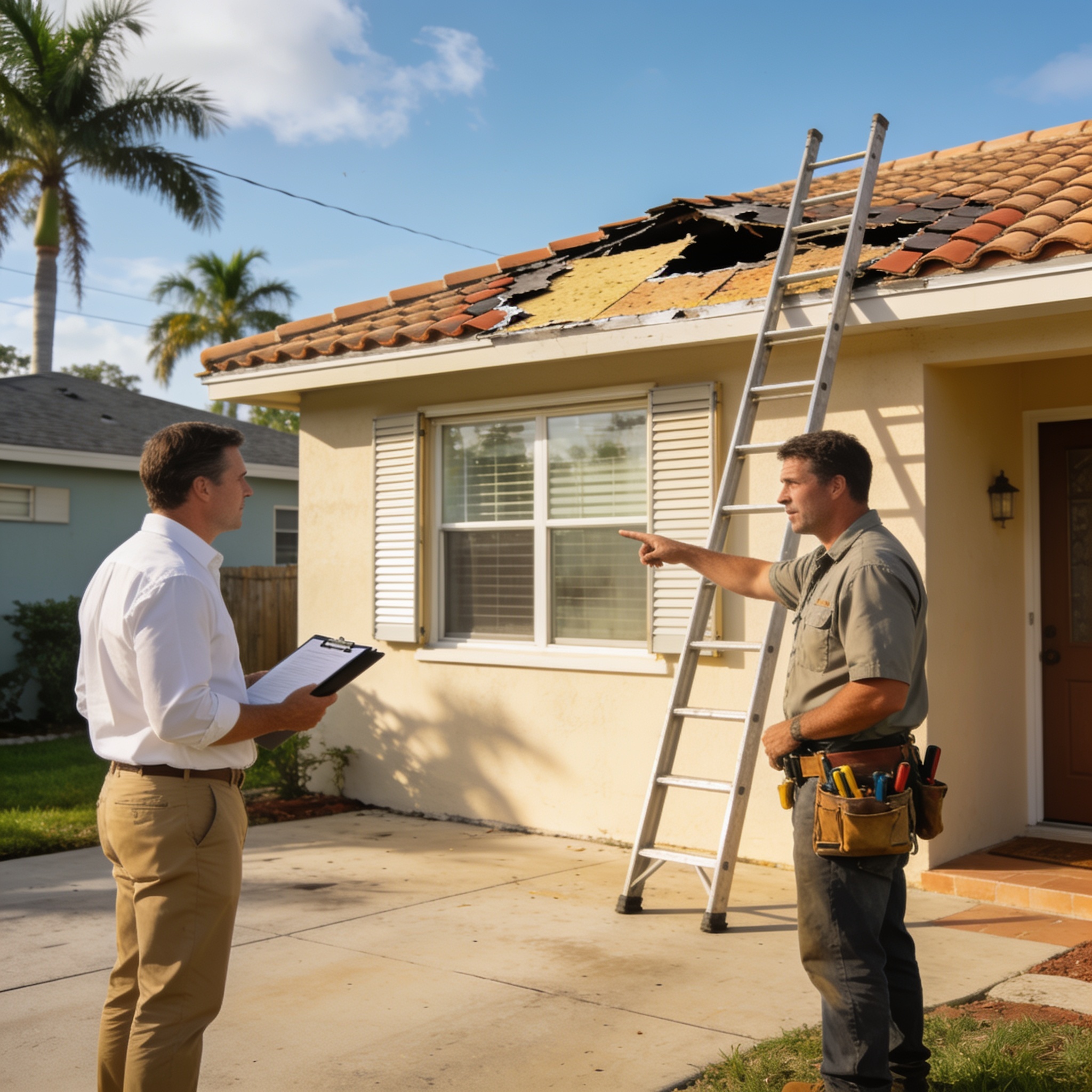
What does ‘less depreciation’ mean on an insurance company claim?
Understanding depreciation is essential for any homeowner navigating the aftermath of a major storm in Lee or Collier County. When an insurance company settles a claim, they often apply a formula to account for the age of your property, which results in a payout that is less than the replacement cost. This “less depreciation” figure represents the gap between what you paid for an item years ago and what it is worth on the open market today. When you file an insurance claim for items that were damaged or destroyed, the insurer will evaluate the value of the damaged items to determine the “actual cash value of your belongings.
Understanding depreciation: How does it work?
Depreciation in insurance claims is the mechanism by which an insurer adjusts the value of your damaged items to reflect their current condition rather than their original purchase price. When you file a claim, an adjuster assesses the age and expected lifespan of your belongings, such as a 10-year-old roof or a damaged laptop. If the item has reached the end of its useful life, the depreciation amount may be significant. This process is standard practice across the industry, whether you are dealing with a small leak or major Water Damage Restoration. Note that this is distinct from auto insurance, which often uses different valuation tables. You must understand the difference between the acv and the item’s replacement cost to grasp your financial position.
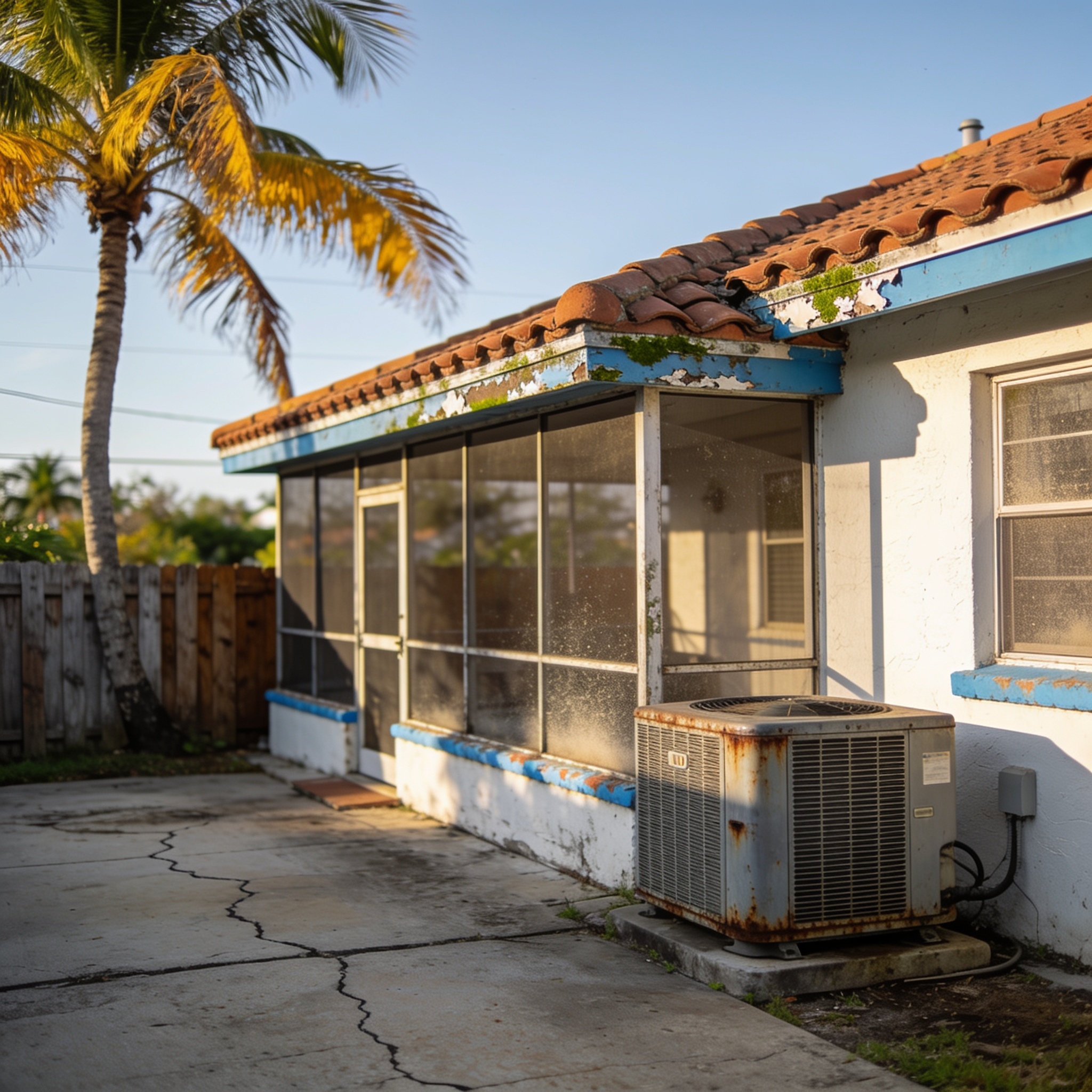
Repair or replace: Understanding your policy
The difference between actual cash value and replacement cost determines whether you receive the full value to replace your items or only their current depreciated value. ACV is calculated as the cost to replace the item minus depreciation, essentially paying you what the item was worth at the time of the loss. Conversely, a replacement cost policy provides coverage to replace the damaged property with items of like kind and quality without deducting for age or wear. When reviewing your property coverage, you will see how they pay the ACV first, and then you must recover the full amount later. It is vital to compare the item’s replacement cost value to see your total potential value claim.
Damaged items: What is recoverable depreciation?
Recoverable depreciation is the difference between the replacement cost and actual cash value. It is the portion of your claim payments that the insurance company agrees to pay you once you provide proof that you have replaced or repaired the replacement cost of the damaged property. In contrast, non-recoverable depreciation is a permanent deduction that you cannot get back. If your policy includes replacement cost coverage, the insurer will typically issue an initial payment minus your deductible and depreciation. Once you submit a receipt or invoice showing the actual cost to purchase a replacement for the item, the insurer will reimburse you the withheld funds. This is known as recoverable depreciation in home insurance.
Depreciation is calculated: How the math works
To calculate depreciation, the insurer typically uses the item’s age divided by its total expected useful life, multiplied by the current replacement cost. This annual depreciation is used to determine the item’s current worth. For example, if a $1,000 appliance has a 10-year lifespan and is 5 years old, the insurer may depreciate it by 50%, resulting in an ACV of $500. When depreciation is calculated, adjusters often use proprietary software. You might lose anywhere from 10% to 80% of an item’s value depending on its condition and the wear and tear it has sustained over time.
Value claim: Why do insurers hold back funds?
Insurance companies hold back depreciation to ensure that the policyholder actually spends the money to repair or replace the damaged property. By withholding this portion of the claim payout, the insurer mitigates the risk of a policyholder taking a cash settlement and choosing not to restore their home to its pre-loss condition. This practice is particularly common in Florida, where high-cost claims for Water Damage Restoration are frequent. It serves as a financial incentive to complete the necessary work promptly.
Claim payout: Who receives the check?
The recoverable depreciation check is typically issued directly to the policyholder once the required documentation is submitted to the insurer. However, if you have a mortgage on your home, the check may be made payable to both you and your mortgage lender. In such cases, you must coordinate with your bank to have the check endorsed so you can pay your contractor. This process ensures that the funds are used for their intended purpose, which is the repair of the damaged property.
How to file a claim for recoverable depreciation
To claim your recoverable depreciation, you must provide proof that you have incurred the expense to replace the item or complete the repairs. This usually involves submitting an itemized invoice, a receipt, or a signed contract from a licensed professional. If you are handling Water Damage Restoration ensure that your contractor provides detailed documentation of all materials used. Once the insurance company reviews your proof of purchase, they will issue the remaining balance of your claim payout so you can recover depreciation.
Are there time limits for replacement cost coverage?
Most insurance policies include a specific deadline, often 180 to 365 days, by which you must submit your claim for recoverable depreciation. If you fail to replace the damaged property or provide the necessary documentation within this window, you forfeit the right to those funds. It is vital to review your policy documents immediately after a loss to understand these constraints. If you are struggling with the is water damage covered by homeowners insurance, consider consulting a public adjuster to help manage these strict timelines.
Can I dispute the payout?
You have the right to dispute your insurance company’s depreciation assessment if you believe the adjuster has inaccurately valued your property or used incorrect life-expectancy data. If you disagree with the valuation, gather evidence such as recent appraisals, professional repair estimates, or comparable market data for similar items. You can submit a formal letter of protest to your insurer requesting a re-evaluation of the claim. Always keep detailed records of all communications and documentation throughout this process to support your position.
Frequently asked questions
These common questions address the most frequent concerns regarding how depreciation impacts your settlement in Florida.
Does every insurance claim involve depreciation?
No, depreciation is only applied to claims involving physical property that loses value over time, such as structures, furniture, and appliances. It is not applied to services like debris removal or emergency mitigation labor costs.
Can I get the full replacement cost without depreciation?
You can only receive full replacement cost without depreciation if your policy specifically includes a “Replacement Cost Coverage” endorsement. Without this, the insurer is contractually obligated to pay only the actual cash value.
What happens if the cost to replace the item is higher than the estimate?
If the actual cost to replace the item exceeds the initial estimate, you should submit the final invoice to your insurer immediately. They may issue a supplemental payment to cover the difference, provided it remains within your policy limits.
Does depreciation apply to my deductible?
Your deductible is subtracted from the total claim amount, not from the depreciation. The insurer calculates the total loss, subtracts the depreciation to find the ACV, and then subtracts your deductible from that final payout amount.
Is depreciation tax-deductible in Florida?
Generally, depreciation on a personal residence is not tax-deductible for homeowners. However, you should consult with a qualified tax professional regarding any potential casualty loss deductions under current federal tax laws.
| Term | Definition |
|---|---|
| ACV | Replacement cost minus depreciation based on age and condition. |
| RCV | The cost to replace items with new ones of similar quality. |
| Recoverable Depreciation | Funds held back until proof of repair or replacement is provided. |
| Deductible | The amount you must pay out-of-pocket before insurance kicks in. |
| Cash value and replacement cost | The two primary methods insurers use to value your property loss. |
Our editorial team verifies licensing and reviews for every restoration company in the directory and writes practical, Florida-specific guides to help homeowners act fast and protect their insurance claims after water, fire, mold or storm damage.