What Is Additional Living Expenses Insurance and How Does It Work?
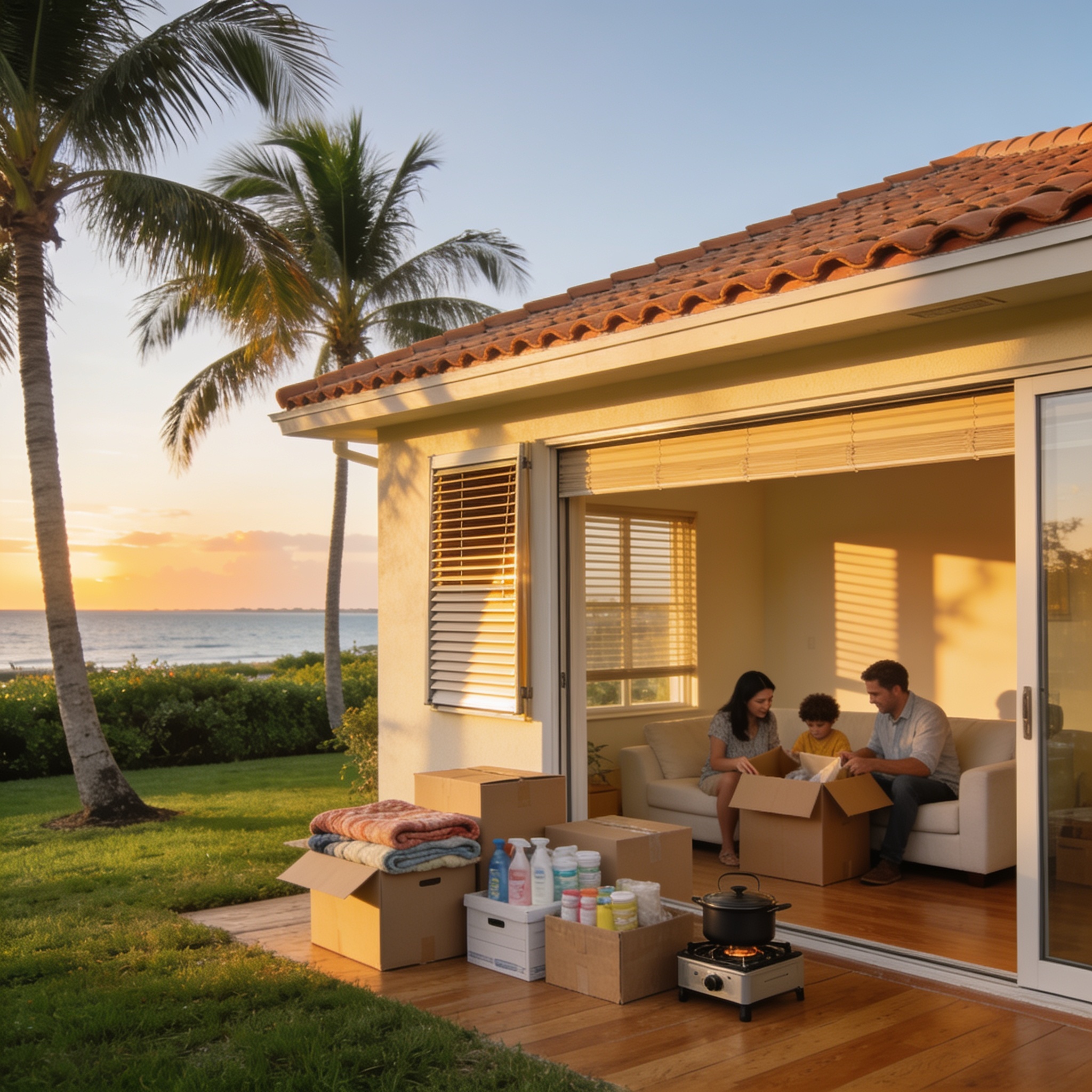
Additional living expense insurance typically covers the difference between your normal living costs and the increased costs you incur when your primary residence becomes uninhabitable due to a covered loss, often providing coverage up to 20% to 30% of your total dwelling limit. This provision, commonly known as “loss of use,” ensures that a policyholder can maintain their normal standard of living while their home is being repaired or rebuilt following a disaster like a hurricane or severe storm. When your home is uninhabitable, this insurance coverage acts as a financial safety net for every homeowner.
Key Takeaways
- ALE coverage triggers only when a covered peril makes your home unlivable.
- It reimburses you for the difference between normal costs and increased expenses.
- Most homeowners policies set a specific dollar limit or time limit for these benefits.
- Documentation, such as every receipt and bill, is essential for successful claims.
- This coverage is distinct from rent loss and does not cover your original mortgage payment.
- Your insurance policy may also provide coverage for a displaced pet.
What Is Additional Living Expenses (ALE) Insurance and How Does It Work?
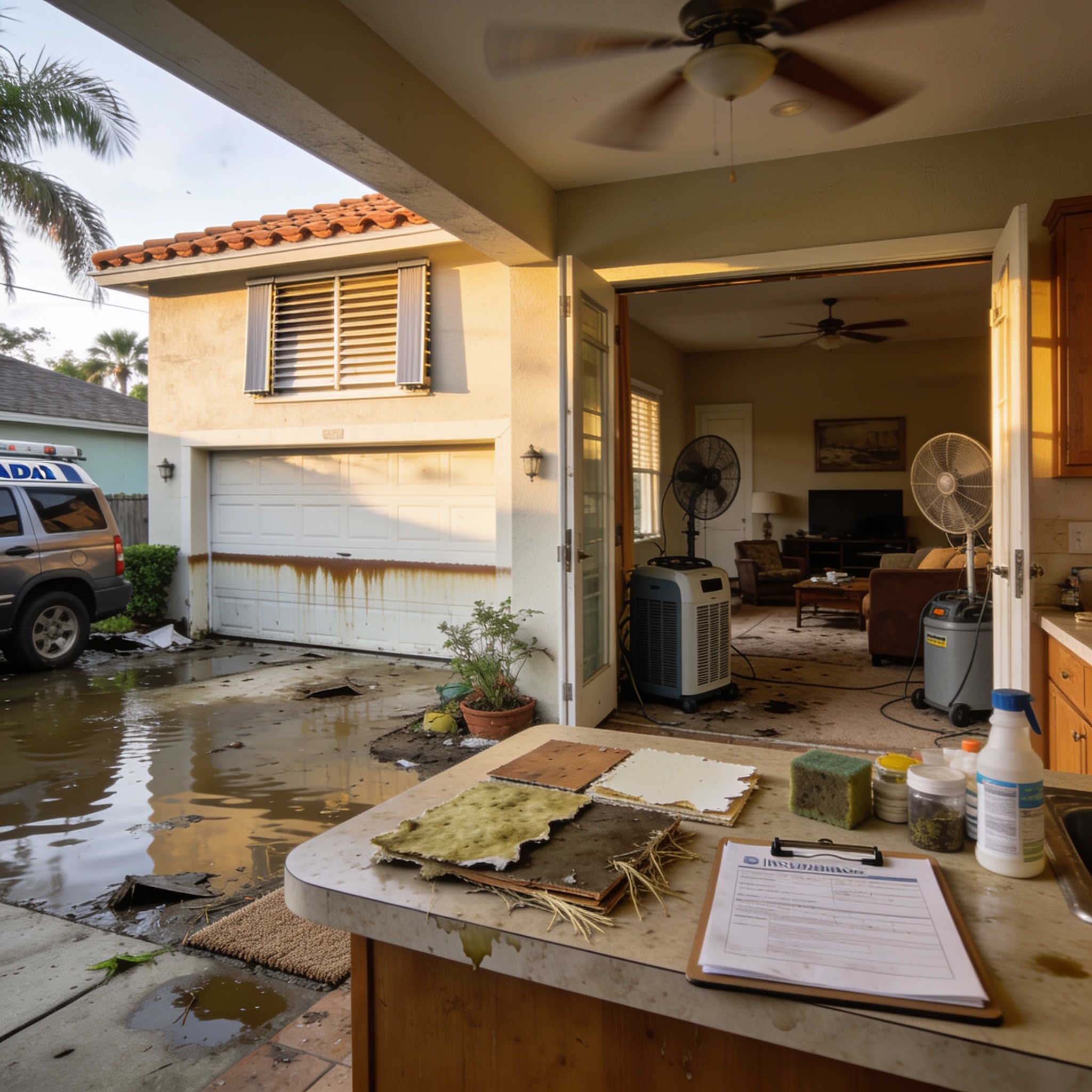
Additional living expense coverage is a standard component of most homeowners policies designed to help you maintain your lifestyle after a disaster. When your property suffers significant damage, such as from Water Damage Restoration, the insurer provides funds to cover the gap between your usual costs and the temporary costs of living elsewhere. According to the National Association of Insurance Commissioners, this benefit is intended to keep you in a similar standard of living while your home is being repaired or rebuilt. If you have questions about your specific insurance policy, you can contact your state department of insurance for guidance on local regulations and the terms of your policy.
When Does Additional Living Expenses Coverage Apply or Kick In?
ALE coverage applies only when a covered peril renders your primary residence uninhabitable. In Southwest Florida, this often occurs after major hurricanes or severe flooding events. If you are wondering is water damage covered by homeowners insurance, remember that ALE only activates if the specific damage event is listed in your policy. You cannot claim these benefits simply because you prefer to stay elsewhere during minor renovations; you must be unable to live in your home due to the damage. This insurance coverage is vital for any homeowner facing a major loss.
What Counts as a Living Expense Under ALE Coverage?
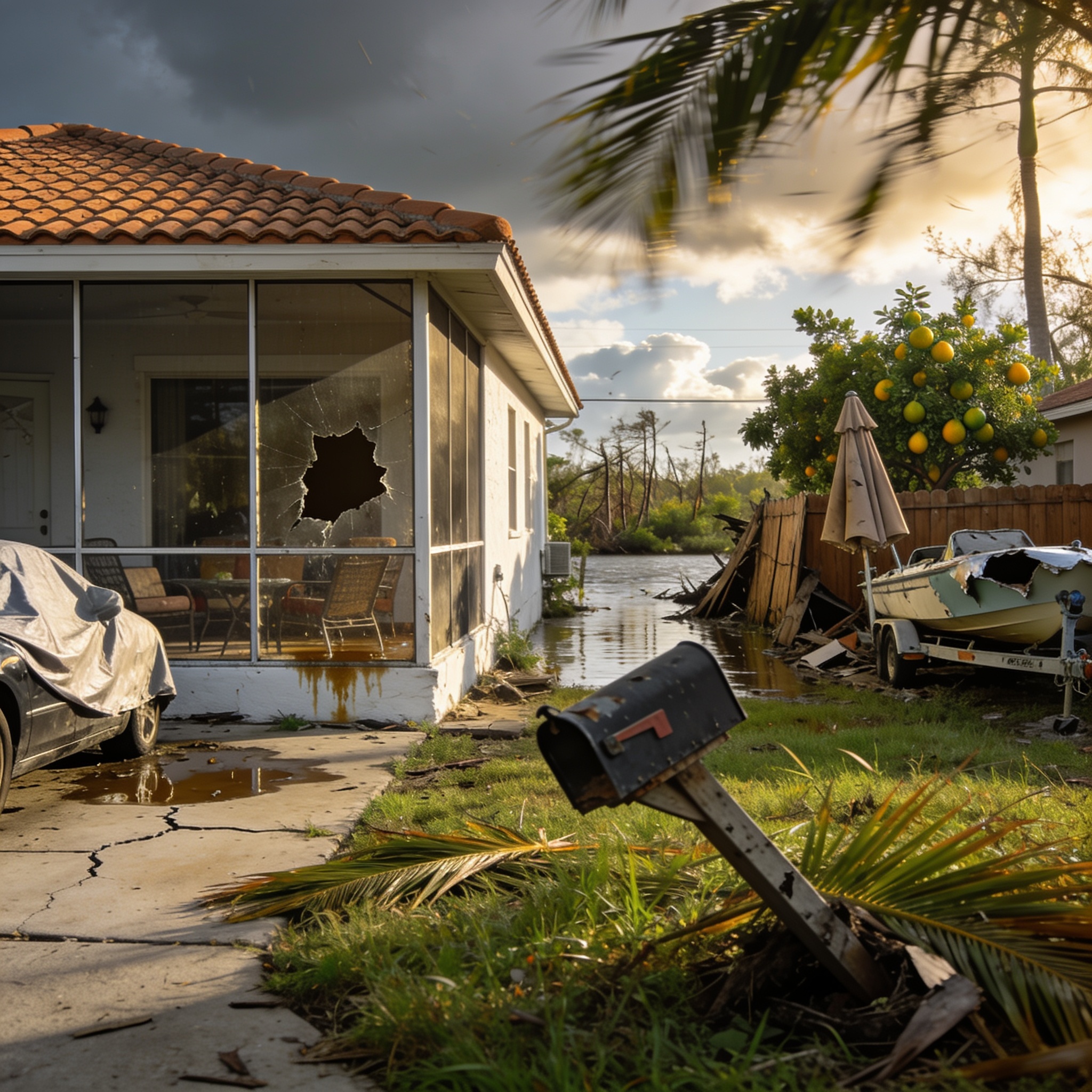
Living expenses under this coverage include any costs that exceed your normal day-to-day spending because of your displacement. You are responsible for paying your normal living expenses, such as groceries, which you would have paid regardless of the damage. The insurance company will then reimburse you for the additional costs, such as the premium difference for a hotel room compared to your usual housing costs. These ALE benefits are designed to offset increased living expenses incurred when you can’t stay in your home, ensuring the insurance company will pay for additional living expenses that arise during the transition.
What Are Examples of Additional Living Expenses That Are Covered?
Examples of covered expenses include temporary housing, increased utility costs, and even pet boarding fees if your temporary rental does not allow animals. If you require Water Damage Restoration services, you might also need to pay for laundry services if your temporary location lacks facilities. Keep a detailed log of every expense to ensure you receive proper ALE reimbursement. Whether you are staying in a hotel or an apartment while your home is being restored, ensure you track every belonging replaced or expense paid, as your policy may cover pet care costs during your displacement.
| Expense Category | Covered Status |
|---|---|
| Hotel or Rental Costs | Covered (Difference in cost) |
| Pet Boarding | Covered (If necessary for your pet) |
| Standard Groceries | Not Covered |
| Restaurant Meals | Covered (Amount exceeding normal food budget) |
| Swimming Pool Cleaning | Not Covered (Unless required by lease) |
| Mortgage Payment | Not Covered (Standard homeowner responsibility) |
What Expenses Are Not Included in Additional Living Expenses Coverage?
Expenses that you would have paid regardless of the damage, such as your standard monthly mortgage payment or utility bills at your original home, are not included. ALE is not designed to pay your mortgage or provide a windfall; it is strictly for the increased costs incurred due to the displacement. Always consult your home policy documents to see what specific exclusions apply to your residence, especially regarding personal property that may be covered under a different section of your contract. Remember that your regular mortgage payment remains your financial obligation even while you are displaced.
Does ALE Cover Temporary Housing Such as a Hotel or Rental?
ALE coverage specifically covers the cost of temporary housing, such as a hotel or a short-term rental, while your home is being repaired or rebuilt. If you need to relocate to a different city in Lee or Collier County, your insurer will generally pay for reasonable housing options. For major structural repairs like Water Damage Restoration, this benefit is vital for families who must temporarily relocate. There are many companies that provide this service to help you find a rental home or apartment while your home is under construction, and your policy will outline the payment terms for these temporary stays.
Is Additional Living Expense Coverage the Same as Rent Loss?
Additional living expense coverage is not the same as rent loss, as ALE applies to your primary residence while rent loss applies to income-generating properties. Rent loss coverage is designed for landlords who lose rental income when a tenant must move out due to damage. ALE is strictly for the homeowner who is displaced from their own living space. If you own a rental property, you would need a different endorsement than you would for your primary residence, and those with a condo insurance policy should verify their specific loss-of-use provisions within their homeowners policies.
How Much Does Additional Living Expenses Insurance Pay and What Are the Coverage Limits?
Most insurance companies set a dollar limit or a percentage of your dwelling coverage as the maximum amount they will pay for additional living expenses. While some policies offer unlimited ALE for a set time, many cap it at 20% to 30% of your home’s insured value. Check your declarations page to identify your specific limit for ALE. You must use coverage wisely to ensure you have enough funds to last until you can move back into your home after a covered loss, and verify the total payment available under your current policy.
How Long Does Additional Living Expenses Coverage Last?
Coverage typically lasts until your home is restored to a livable condition or until you reach the policy’s time limit, which is often 12 to 24 months. If you are rebuilding after a total loss, the process can take significant time due to supply chain issues or contractor availability in Florida. Ensure you maintain constant communication with your adjuster to keep your claim active and to track hotel bills or other costs incurred while living temporarily elsewhere. The policy will dictate the duration of the payment period for these living costs.
How Do I File an Additional Living Expenses Claim?
Filing an ALE claim requires you to submit an itemized list of all additional costs along with every corresponding receipt to your insurance company. Start by documenting the date you were forced to leave your home and keep a folder for every bill you incur. Promptly submitting these documents will speed up the reimbursement process for your temporary living arrangements. Ensure every claim submission clearly identifies the expense to facilitate a faster payment from your insurer.
Frequently asked questions
Common questions regarding ALE coverage help homeowners navigate the complexities of property claims in Florida.
Does ALE cover my food costs?
ALE covers only the portion of your food costs that exceeds what you would normally spend on groceries at home.
Can I choose my own temporary housing?
Yes, but you should verify with your insurer that the housing choice is considered “reasonable” and within their coverage guidelines.
What if I stay with family instead of a hotel?
Most insurers will not pay for the “cost” of staying with family, as you are not incurring an out-of-pocket expense.
Does flood insurance include ALE?
Standard policies from the National Flood Insurance Program (NFIP) do not include ALE, which is a common point of confusion for Florida homeowners.
Will my insurance pay for my pet?
Many homeowners policies include provisions to pay for additional living expenses related to pet boarding if your temporary housing does not allow animals.
Our editorial team verifies licensing and reviews for every restoration company in the directory and writes practical, Florida-specific guides to help homeowners act fast and protect their insurance claims after water, fire, mold or storm damage.