What Does Ordinance or Law Coverage Mean in Insurance? A Homeowner’s Guide
Ordinance or law coverage means an essential insurance endorsement that pays for the increased expense of rebuilding a home to meet current building codes after a covered loss, typically costing between 10% and 50% of your dwelling coverage limit. This protection is vital for property owners in Southwest Florida, where hurricane-resistant construction requirements frequently evolve after major storms. Without this specific protection, you may be forced to pay out of pocket to satisfy local ordinances or laws that mandate upgrades during the reconstruction process. Insurance companies offer this as an additional coverage to ensure you are not left financially vulnerable by changing regulations. Your home insurance is designed to protect your assets, but it must include the right endorsements to cover the enforcement of building codes.
Key Takeaways
- Ordinance or law coverage helps cover the financial gap between standard replacement costs and the expense of meeting updated building codes.
- Standard homeowners insurance policies often exclude the cost of complying with new regulations enacted after your home was originally built.
- This coverage typically includes three distinct components: loss to the undamaged portion, demolition costs, and increased construction costs.
- In hurricane-prone areas like Lee and Collier counties, local building codes often require significant structural upgrades after a major loss.
- Please consult an insurance professional for expert insurance advice, as it is the best way to determine if your current policy provides adequate financial protection for code compliance.
What Does Ordinance or Law Coverage Mean in Insurance?
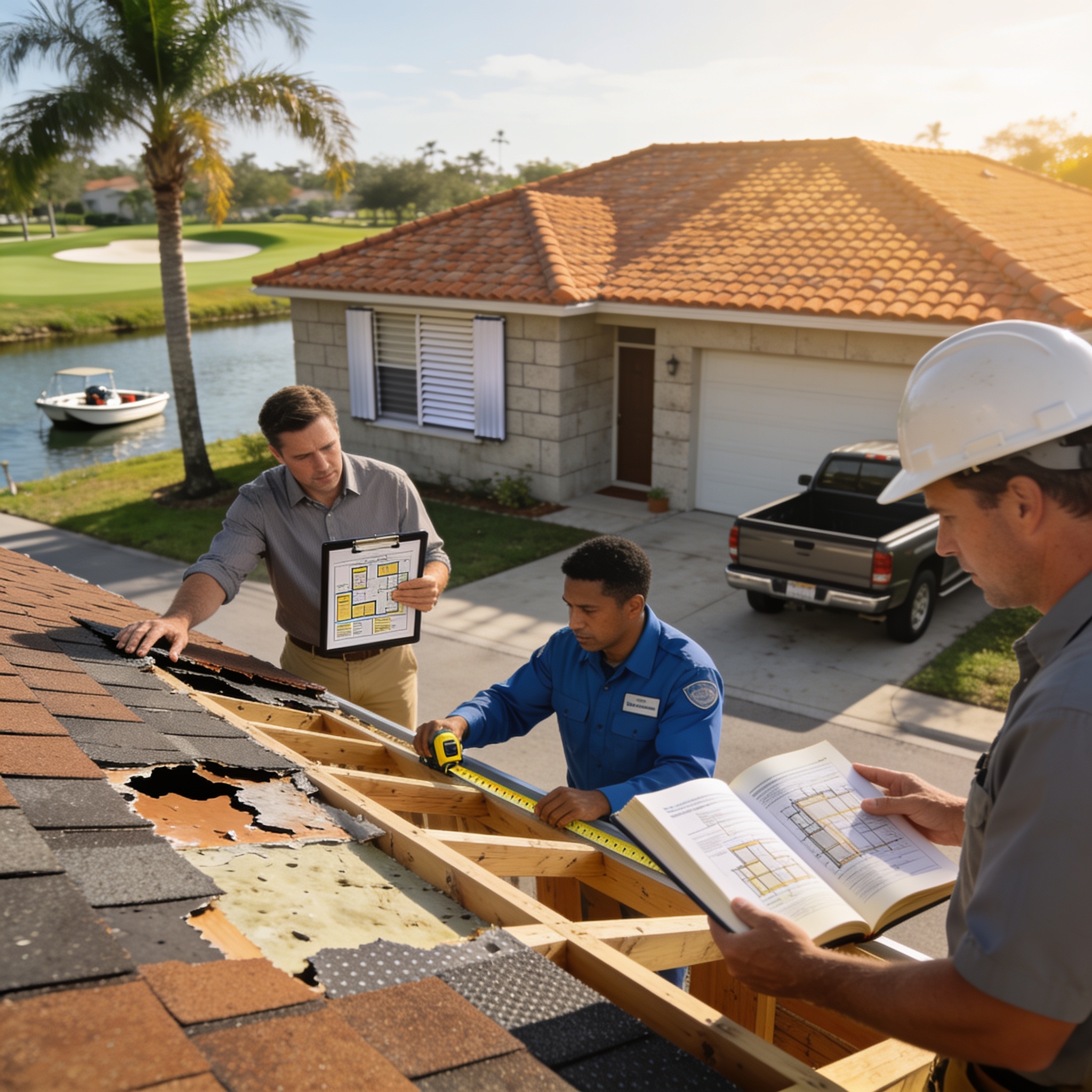
Ordinance or law coverage means your policy will pay for the extra expenses required to comply with current building codes when repairing or rebuilding a damaged structure. Many older homes in Southwest Florida do not meet the latest building codes, which have become significantly more stringent following recent hurricane activity. When a covered peril occurs, local ordinances or laws may mandate that the entire structure be brought up to modern safety and wind-load standards. This coverage ensures you are not left with a massive bill simply because the law requires you to tear down or upgrade parts of your home that were not directly damaged. Insurance can help bridge this gap, ensuring your property policy remains robust.
How Does Ordinance or Law Coverage Work?
Ordinance or law coverage works by triggering additional funds once a covered loss forces you to comply with updated local building code requirements. If your home suffers damage, such as from a storm requiring professional Water Damage Restoration, you must obtain permits for repairs. If the city inspector determines that your home must now adhere to current codes, the costs can escalate quickly. Your property insurance policy typically covers the cost of repairing the damaged portion, but this endorsement provides the extra capital needed to satisfy the legal mandates for the entire project. Because codes may change, having this protection is essential to bring your home back to a compliant state. Your standard policy may not pay to bring the structure up to code, so this endorsement is vital.
What Are the Different Types or Components of Ordinance or Law Coverage?
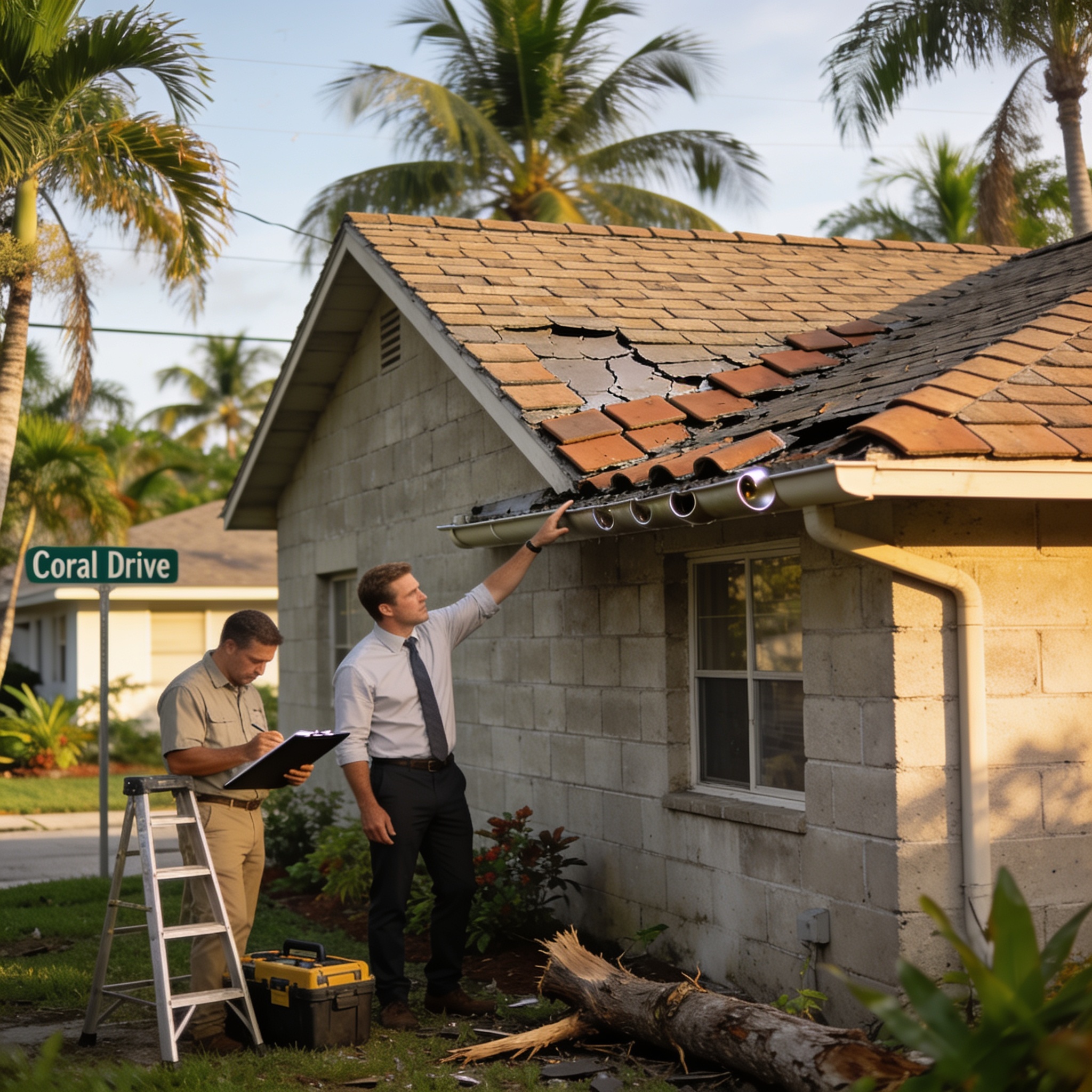
Ordinance or law coverage is generally divided into three specific parts that address the unique financial burdens of code compliance. These components are often referred to as Coverage A, Coverage B, and Coverage C in insurance terminology. Understanding these is critical when you Water Damage Restoration because the total cost to rebuild can vary based on the extent of the damage. Property owners must ensure their insurance coverage includes these specific provisions to pay for any required upgrades. Policies include these to help you pay for the cost of rebuilding or repairing property that has been destroyed.
The 3 components of ordinance or law coverage
- Coverage A (Undamaged Portion of a Building): This pays for the value of the portion of the covered property that must be demolished because local ordinances or laws require the entire structure to be rebuilt to new codes.
- Coverage B (Demolition): This covers the cost of demolishing the remaining undamaged portion of the building that must be cleared to allow for compliant reconstruction.
- Coverage C (Increased Cost of Construction): This pays for the additional costs to bring the repaired or replaced property up to the current building code requirements.
What Does Ordinance or Law Coverage Typically Cover and Not Cover?
Ordinance or law coverage typically covers the increased cost of bringing your home into compliance with current building codes after a covered loss. It does not cover the cost of general home improvements or renovations that were not mandated by a government authority. Furthermore, it does not cover fines or penalties imposed by local municipalities for failing to comply with codes prior to the loss event. If you need a Water Damage Restoration to assist with repairs, ensure you distinguish between code-mandated upgrades and elective remodeling. Always check your policy to see if these ordinances or laws are explicitly covered, as your home may need to bring its electrical or plumbing systems up to date if they were damaged by a covered peril.
Is Ordinance or Law Coverage Included in a Standard Homeowners Policy?
Ordinance or law coverage is rarely included in a standard homeowners policy and must usually be added as an endorsement. Many property insurance policies provide only limited or minimal coverage for building ordinance requirements unless specifically requested. You should review your declarations page to see if you have this protection, as it is a vital safeguard in Florida’s high-risk environment. Without this specific endorsement, you are responsible for any difference between the standard payout and the actual cost of rebuilding to code. Even with standard commercial property insurance, you should verify that your building ordinance coverage is sufficient for your specific needs.
What Is an Example of an Ordinance or Law Coverage Claim?
An example of an ordinance or law coverage claim occurs when a fire destroys 40% of your home, but the local building code requires the entire structure to be completely demolished and rebuilt to meet new wind-load standards. Your standard insurance might only pay for the 40% that was damaged. In this scenario, the ordinance or law insurance coverage helps pay for the demolition of the remaining 60% and the increased cost of rebuilding the entire home to meet current codes. This prevents the homeowner from having to pay out of pocket for the mandatory upgrades required by local laws or ordinances. This often involves b and c coverage components to ensure the project is fully funded.
Do I Need Ordinance or Law Coverage?
Homeowners in Southwest Florida should strongly consider ordinance or law coverage due to the frequent updates to local building codes after major hurricane events. If your home was built decades ago, it likely does not meet the latest wind mitigation or elevation standards required today. Even if your home is relatively new, local ordinances change, and the cost of bringing your home into compliance can be prohibitive. This coverage provides peace of mind that you will not be financially overwhelmed by regulatory requirements following a disaster. If local authorities require upgrading your home’s foundation or roof, this coverage is essential.
How Much Ordinance or Law Coverage Should I Have?
The amount of ordinance or law coverage you need depends on the age of your property and the strictness of local building code requirements in your county. Experts often recommend carrying at least 25% to 50% of your total dwelling coverage limit for this endorsement. You should discuss your specific home’s construction details with an insurance professional to determine the amount needed for your specific situation. Factors like your home’s proximity to the coast and its current elevation status play a major role in calculating the potential cost of rebuilding to current standards.
What Does Ordinance or Law Coverage Cost?
Ordinance or law coverage cost is relatively low compared to the potential financial risk, often adding only a small percentage to your annual insurance premium. While the exact price varies based on your home’s value and the insurance carrier, the investment is negligible compared to the thousands of dollars it could save you. You can get ordinance or law coverage quotes from your insurer to see exactly how much this protection will add to your policy. It is a proactive step that every responsible property owner in Lee, Collier, or Charlotte County should take to protect their investment.
Frequently asked questions
Understanding the nuances of your policy is the best way to ensure your property is fully protected against unexpected regulatory requirements.
Does standard homeowners insurance cover building code upgrades?
No, standard homeowners insurance typically does not cover the cost of bringing a home up to current building codes unless you have added an ordinance or law endorsement. These ordinances or laws are often excluded from basic plans.
What happens if I do not have ordinance or law coverage?
If you do not have this coverage, you will be responsible for paying the difference between the standard repair cost and the actual cost of meeting modern code requirements.
Is this coverage the same as replacement cost coverage?
No, replacement cost coverage pays to repair or replace your home with materials of like kind and quality, whereas ordinance or law coverage specifically addresses the extra cost of meeting new legal standards.
Does this coverage apply to all types of damage?
This coverage applies when the damage is caused by a covered peril, such as a fire, windstorm, or other event listed in your policy, and is covered by your standard dwelling protection.
| Component | What it Addresses |
|---|---|
| Coverage A (Undamaged portion of a building) | Value of the undamaged portion |
| Coverage B (Demolition) | Cost of demolition |
| Coverage C (Increased cost of construction) | Increased cost of construction |
Our editorial team verifies licensing and reviews for every restoration company in the directory and writes practical, Florida-specific guides to help homeowners act fast and protect their insurance claims after water, fire, mold or storm damage.