Renters Insurance Loss of Use Coverage: What You Need to Know
Renters insurance loss of use coverage typically provides reimbursement for additional living expenses when a covered peril renders your home uninhabitable, often covering 20% to 50% of your personal property coverage limit. In Southwest Florida, where hurricane-related damage can displace residents for weeks or months, understanding this financial safety net is vital for maintaining your standard of living during repairs. By securing this protection, you ensure that your insurance company assists with the costs of temporary housing while your rental undergoes necessary restoration. Renters insurance helps protect your finances, and coverage may vary depending on your specific renters policies. Most insurance policies include this protection to ensure you are not left without a place to stay in the event of a covered loss.

Key Takeaways
- Loss of use coverage is a standard component of most renters insurance policies designed to pay for temporary housing and essential living expenses.
- This coverage only triggers when a covered peril, such as fire or windstorm, makes your home uninhabitable.
- Most policies set a coverage limit based on a percentage of your dwelling coverage or personal property limit.
- Documentation, including receipts for meals and lodging, is required to receive reimbursement from your insurance company.
- Renters insurance does not cover displacement caused by flooding, which requires a separate policy through the National Flood Insurance Program (NFIP).
- Renters insurance coverage often includes provisions that are essential for any tenant.
- Your home or renters insurance policy acts as a critical safety net when your home is damaged.
What is loss of use insurance and how does it work?
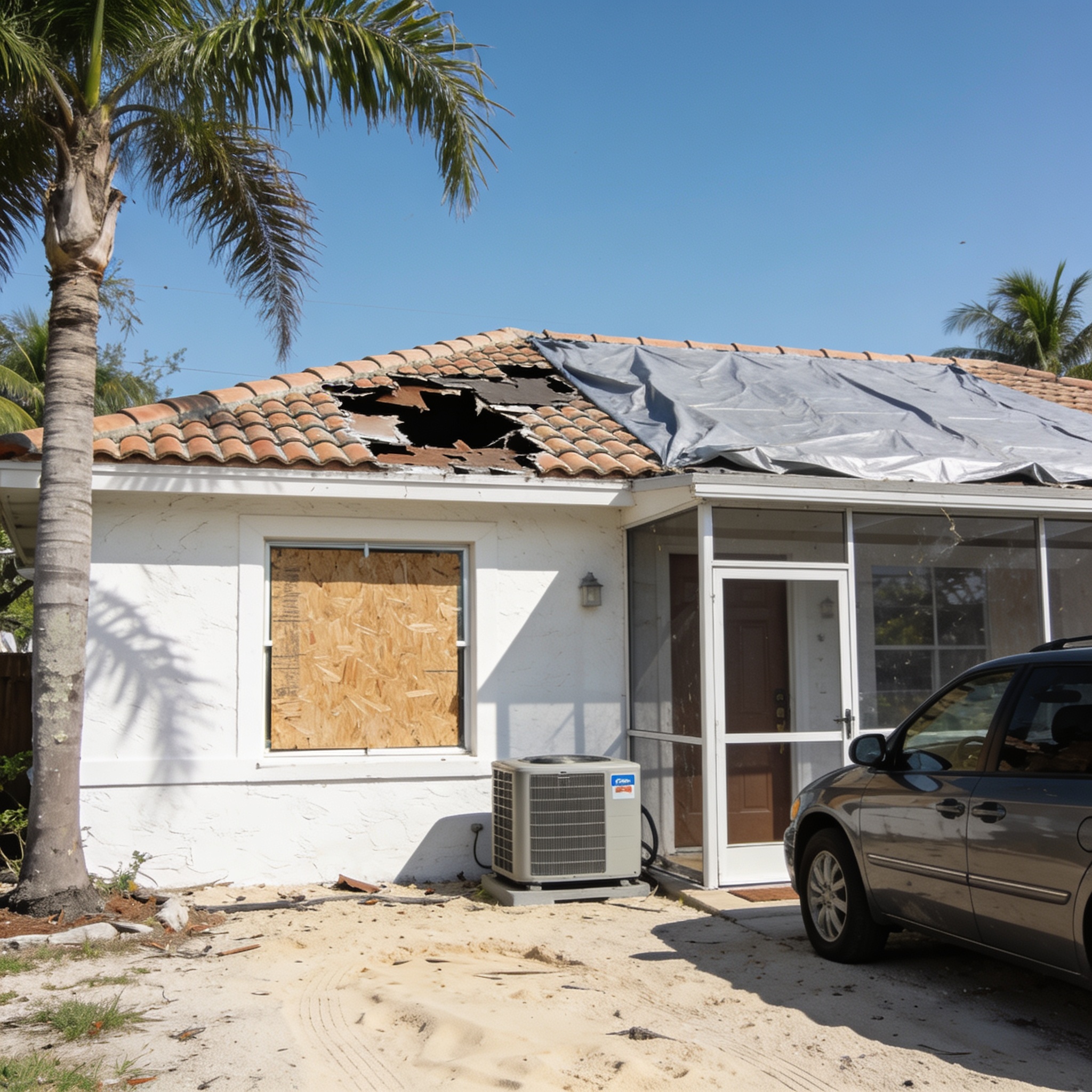
Renters insurance loss of use coverage functions as a financial bridge that pays for increased living costs when a covered loss forces you to vacate your apartment or condo. When your home becomes uninhabitable due to a peril listed in your policy, such as a fire or a burst pipe, this provision kicks in to prevent financial ruin. Unlike liability coverage, which protects you from lawsuits, this benefit focuses entirely on maintaining your normal living expenses while you are displaced. It is essential to note that your landlord is generally not responsible for providing alternative housing, making this coverage your primary defense in SWFL. If you are a homeowner, you would instead look for a homeowners policy that offers loss of use coverage. This is often called additional living expense coverage, and it is designed to provide loss of use coverage when your residence becomes uninhabitable.
What does insurance coverage include — and what expenses does it typically cover?
Loss of use coverage includes reimbursement for expenses that exceed your normal daily spending, such as hotel stays, restaurant meals, and temporary storage costs. Because loss of use covers these costs, it effectively helps you maintain your lifestyle. You are only entitled to the difference between your normal costs and the new, higher costs incurred because of the displacement. For example, if you usually spend $300 a month on groceries but must spend $600 on takeout because your rental lacks a kitchen, the policy helps cover the difference. In the aftermath of a storm requiring Water Damage Restoration in Fort Myers Beach mitigation, these funds can also cover laundry services or temporary pet boarding fees. This is a standard feature covered by renters insurance, and an insurance agency can explain how it functions alongside dwelling coverage.
What does home insurance not cover?
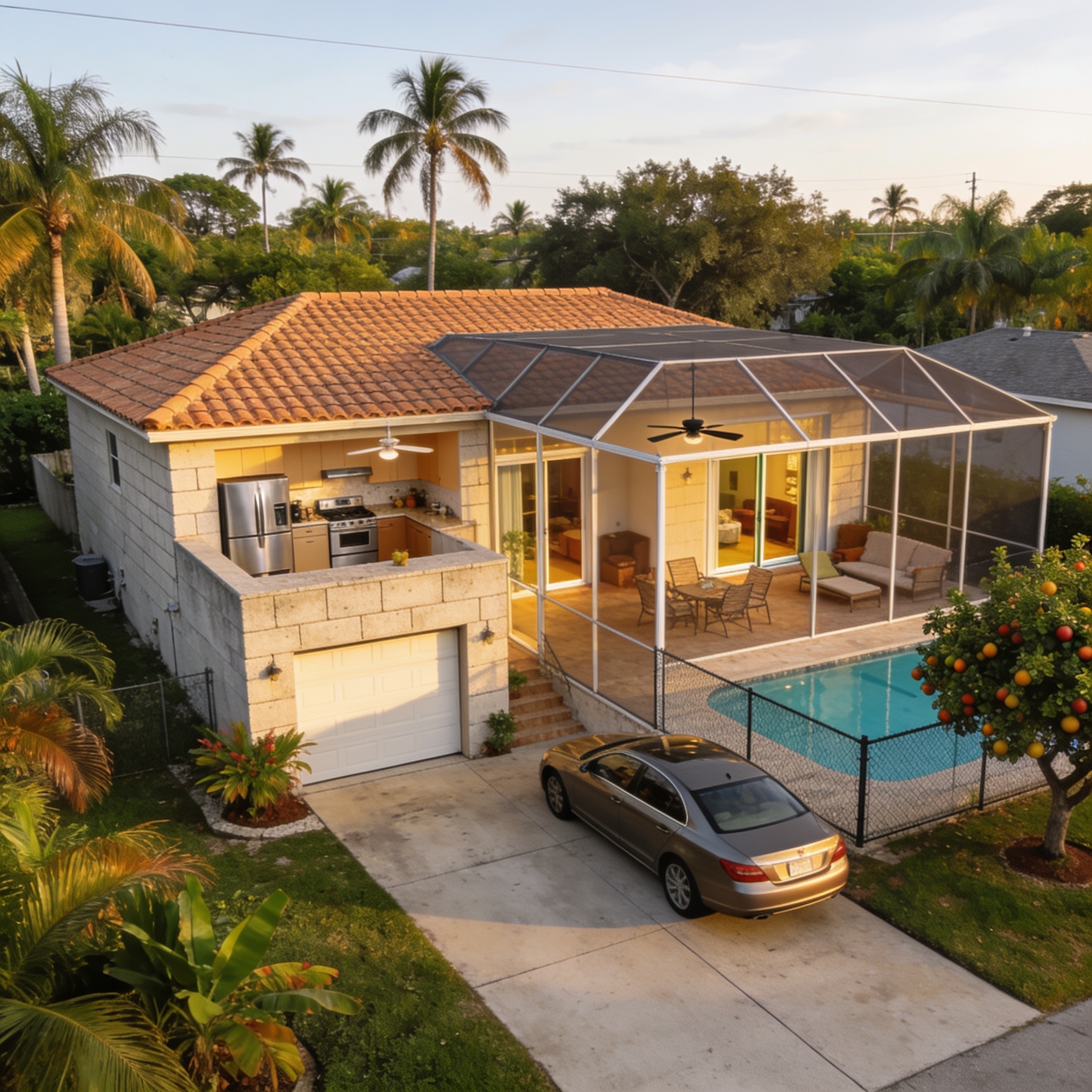
Renters insurance policies do not cover displacement costs resulting from floods, earthquakes, or intentional acts of damage by the policyholder. In Lee and Collier counties, many residents mistakenly believe their standard condo insurance or home policy covers storm surge; however, FEMA and the NFIP clarify that flood damage requires a separate, dedicated flood insurance policy. Furthermore, if your home remains habitable during minor repairs, your insurance company will likely deny claims for voluntary relocation expenses. Always check your specific policy declarations page to see which perils are explicitly excluded from your insurance policies.
Are there coverage limits for renters insurance coverage — and is it subject to a deductible?
Every policy includes a specific coverage limit, which is the maximum dollar amount the insurance company will pay for additional living expenses. This limit is often calculated as a percentage of your personal property coverage, though some carriers offer a flat dollar amount. You generally do not pay a separate deductible for loss of use claims, as the deductible is usually applied only to the underlying personal property claim. If your rental requires professional Water Damage Restoration, ensure your documentation clearly separates these costs to avoid confusion during the insurance claim process. Many plans include loss of use coverage to help you manage coverage for additional expenses during a crisis.
What is a good loss of use coverage amount for a homeowner?
Determining the right amount of coverage requires estimating the cost of a local hotel and dining for at least 30 to 60 days in your specific Florida county. Because rental markets in cities like Fort Myers or Naples can be volatile, having a higher coverage limit provides a necessary buffer against rising temporary housing costs. Most experts suggest setting your personal property coverage high enough that the associated loss of use percentage provides at least $10,000 to $20,000 in total protection. Consult with your insurance agent to review your lease terms and local market rates to ensure you have enough coverage for an extended displacement.
Is reimburse-ment worth it for renters?
Loss of use coverage is highly worth the minimal cost, as it is almost always bundled into standard renters insurance policies for a few dollars per month. Without this protection, you would be forced to pay for hotels, meals, and pet care out-of-pocket while still paying rent to a landlord for a property you cannot occupy. In the event of a catastrophic event, such as a major hurricane due to fire or wind, the cost of temporary housing can easily exceed $60,000 over several months. Securing this benefit ensures you have the support you need to recover without depleting your savings. Loss of use coverage helps you cover the cost of your temporary stay.
How do you file a claim for loss of use coverage on a renters policy?
Filing a claim for loss of use coverage requires notifying your insurance company immediately after the event and maintaining meticulous records of every dollar spent. You must prove that your home became uninhabitable home due to a covered loss, so obtaining a report from a professional providing Water Damage Restoration can serve as vital evidence. Use the following table to track your expenses to ensure you receive the maximum reimbursement allowed under your policy. This use coverage helps pay for your use or additional living expenses.
| Expense Category | Documentation Required | Purpose |
|---|---|---|
| Temporary Lodging | Hotel receipts or rental agreement | Proves cost of housing |
| Food/Dining | Itemized restaurant receipts | Shows excess over normal budget |
| Laundry/Cleaning | Service invoices | Covers loss of appliance access |
| Storage/Moving | Company invoices | Covers protecting your property |
| Rental Income | Fair rental value records | Covers lost rental income for landlords |
Frequently asked questions
The following questions address common concerns regarding renters insurance and loss of use benefits in Florida.
Does my landlord have to pay for my hotel if the apartment is damaged?
Landlords are generally not required to pay for your temporary housing unless the damage was caused by their direct negligence or a failure to maintain the property. Most lease agreements in Florida contain clauses that absolve the property owner of liability for your personal living expenses during repairs. Therefore, your renters insurance is your primary source of reimbursement for displacement costs. If you need to get loss of use, ensure your policy is active before an incident occurs.
How long does loss of use coverage typically last?
Most insurance policies limit the duration of loss of use payments to the time required to repair or replace the property, or until you permanently relocate, usually capped at 12 to 24 months. You must work closely with your claims adjuster to ensure that repairs are proceeding at a reasonable pace. If repairs stall, you may need to provide documentation to the insurer to justify an extension of your benefits. When you initiate a renters insurance claim, the adjuster will verify that your home becomes uninhabitable before approving these payments.
Can I use loss of use coverage if I move in with family?
You generally cannot claim loss of use coverage for staying with friends or family because you are not incurring an out-of-pocket expense for lodging. Insurance companies reimburse you for “actual loss sustained’, meaning they only pay for expenses you actually paid to third parties. If you do not pay rent to your family members, there is no financial loss for the insurer to indemnify. This is a standard rule across most insurance policies.
What happens if my loss of use coverage limit is reached?
Once you hit your coverage limit, the insurance company will stop paying for additional living expenses, and you become responsible for all further costs. This is why it is critical to review your policy limits annually and adjust them based on current market conditions in your area. If you anticipate a long restoration process, discuss your options with your insurance agent before your funds are fully exhausted. Remember that homeowners insurance is different from renters insurance; an owner might also have rental coverage if they are a landlord who lost rental income due to a property becoming uninhabitable.
Our editorial team verifies licensing and reviews for every restoration company in the directory and writes practical, Florida-specific guides to help homeowners act fast and protect their insurance claims after water, fire, mold or storm damage.