Insurance Proof of Loss: A Comprehensive Guide to Your Claim
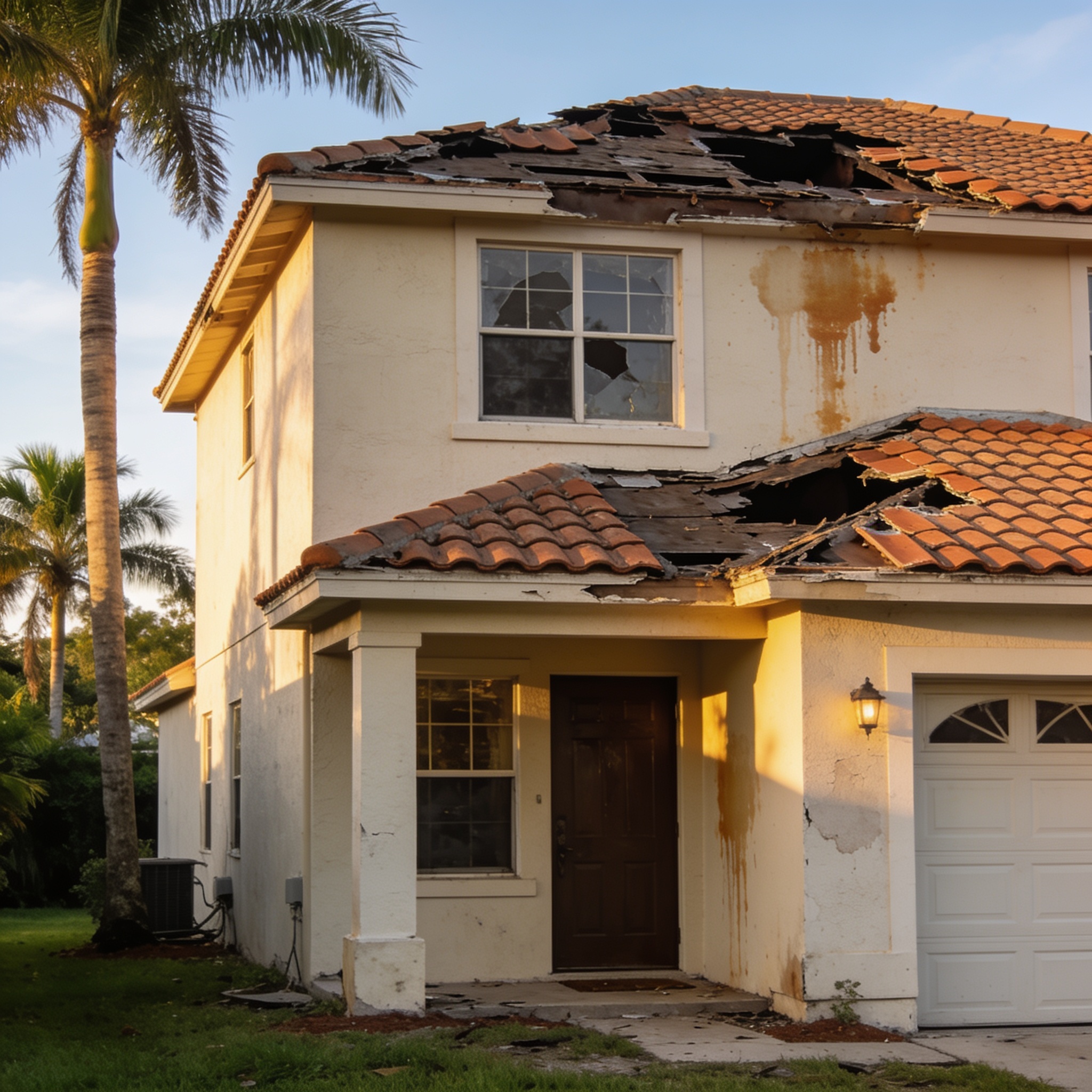
An insurance proof of loss is a formal, sworn statement that typically dictates the maximum settlement amount you can recover, often requiring submission within 60 days of an insurer’s request. Failure to provide this document accurately can lead to an immediate denial of your insurance claim by insurance companies. Proper documentation is essential for every homeowner in SWFL, especially when dealing with complex property damage from hurricanes or Water Damage Restoration. Understanding your insurance coverage and the duties after loss section of your policy is vital to the insurance claims process. As a first party claimant, you must ensure your sworn proof of loss is accurate to avoid having the carrier deny the claim.
Key Takeaways
- A proof of loss is a mandatory legal document that substantiates the financial value of your claim.
- Most insurance policies require this form to be notarized and submitted within a strict timeframe.
- Inaccurate or incomplete forms are common grounds for insurance companies to delay or deny payment.
- Maintaining a detailed inventory of damaged items is the policyholder’s responsibility.
- Consulting with public insurance adjusters can help protect your rights during the claims process.
What Is a Proof of Loss and Why Does It Matter for Your Insurance Claim?
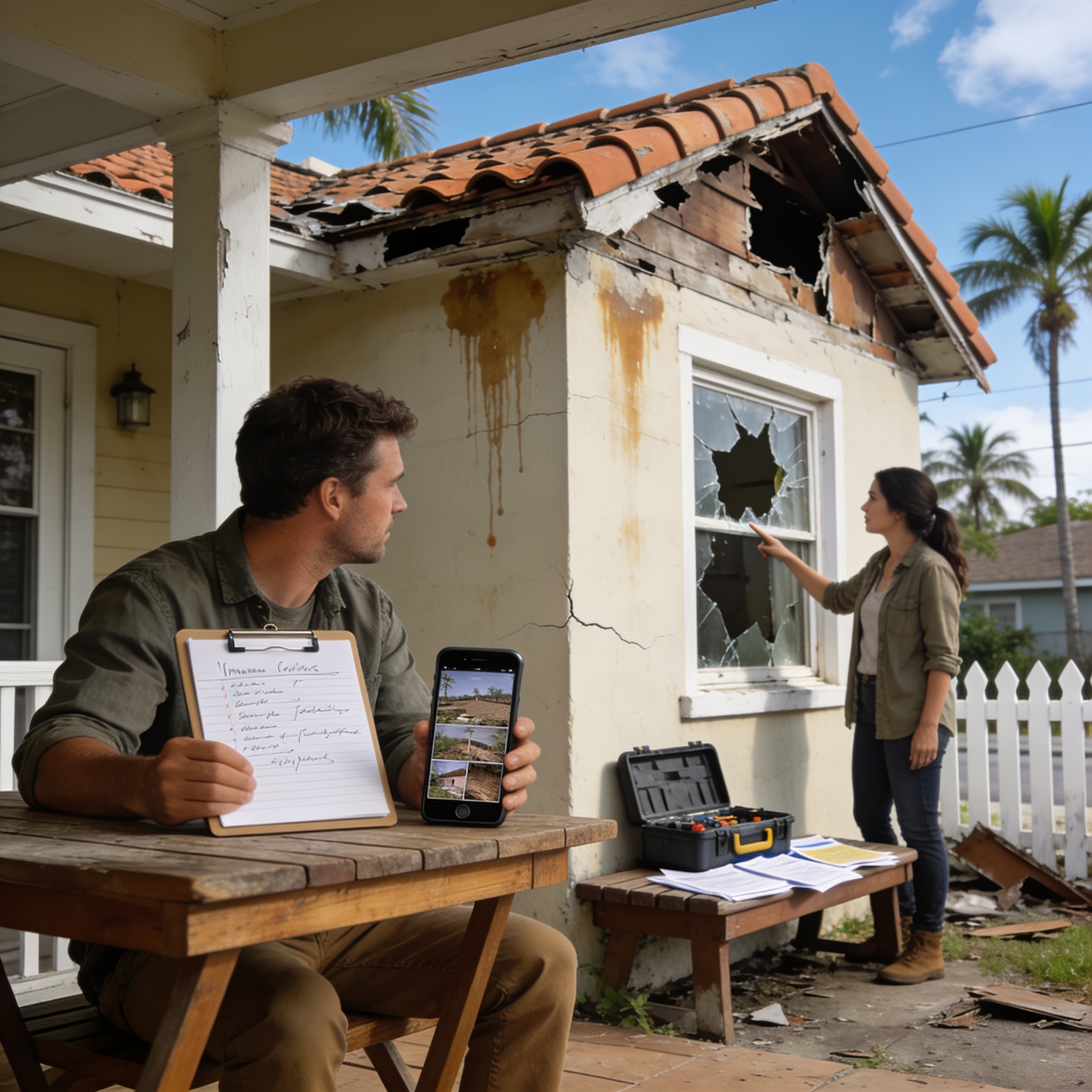
The purpose of a proof of loss is to provide the insurer with a verified, itemized account of the damages sustained during a covered event. This document serves as the primary evidence the insurer uses to calculate your total payout for the property damage claim. The “proof of loss” acts as a formal declaration from the insured to the insurer, detailing the loss value. As part of the claim handling process, this document ensures the carrier has the necessary data to validate the financial scope of your loss. In Southwest Florida, where storm-related damage is frequent, this form helps to substantiate the specific costs of repairs or replacements.
What Is a Sworn Statement in Proof of Loss (and Is It Legally Binding)?
A sworn statement in proof of loss is a formal declaration signed under oath that confirms the accuracy of the information provided to the insurance company. By signing this document, the policyholder attests that the information provided is true and accurate to the best of their knowledge. This document must be signed by the policyholder to be valid. This makes the document legally binding, and providing false information could be construed as insurance fraud. Always ensure that the details regarding your Water Damage Restoration needs are perfectly aligned with your policy coverage before signing. The use of the proof is to formally prove their loss to the carrier.
What Information and Documents Count as Proof of Loss for an Insurance Claim?
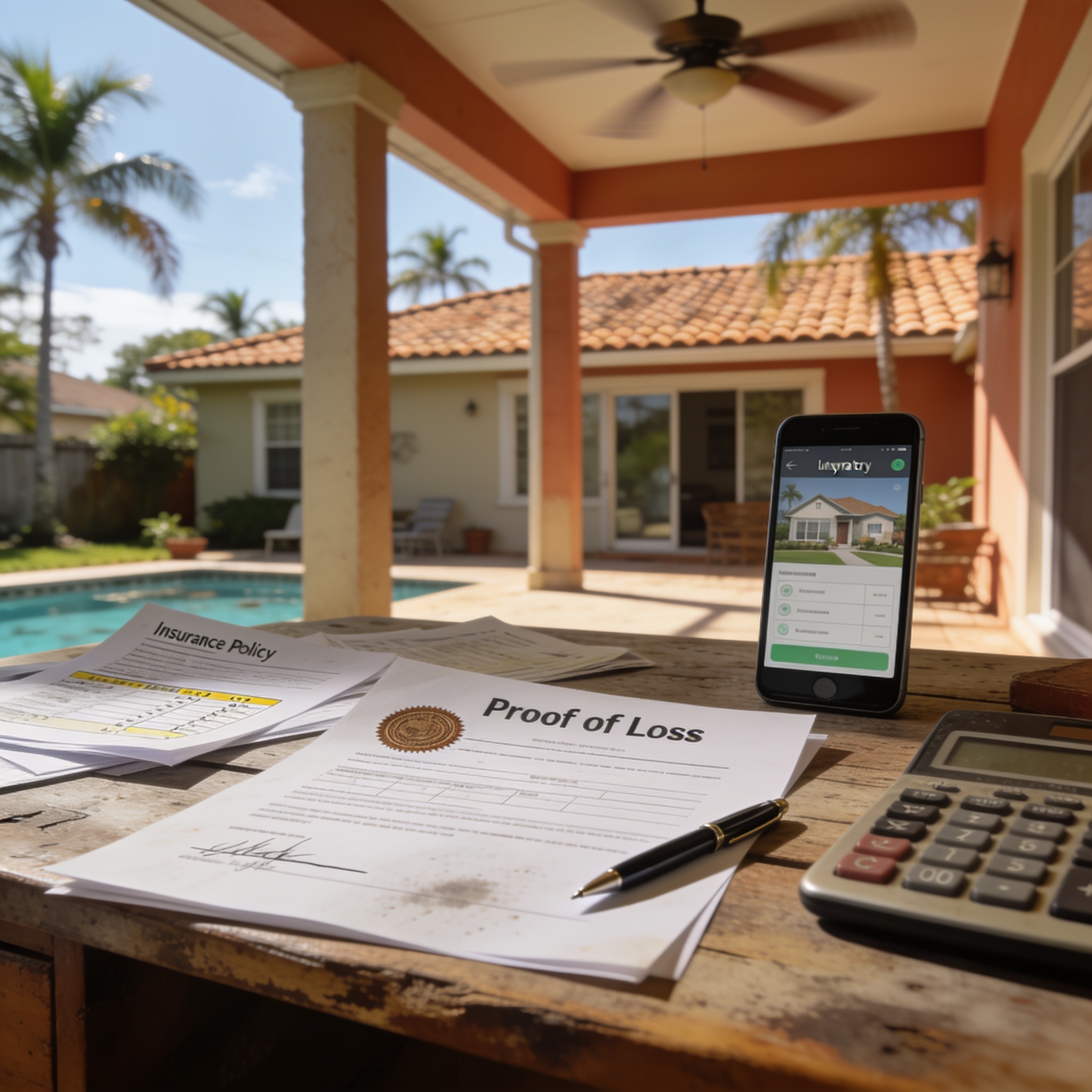
Everything included in a proof of loss must be supported by tangible evidence such as receipts, invoices, and photographs of the damage. Policyholders must provide proof of ownership and the current value of the damaged items to ensure the claim is processed correctly. The following table outlines the essential items that should be included in a proof of loss:
| Document Type | Purpose |
|---|---|
| Itemized Inventory | Lists all damaged property and its age/value. |
| Repair Estimates | Provides professional quotes for restoration services. |
| Photographic Evidence | Visually documents the extent of the damage. |
| Receipts/Invoices | Substantiates the original purchase price of items. |
| ACV Documentation | Establishes the actual cash value of items. |
| Supporting Documentation | Must be included to justify the amount claimed. |
When Is a Proof of Loss Required by an Insurance Company?
An insurer may require a proof of loss after you file an initial claim, especially for large or complex losses. The insurance company may trigger this requirement when they need a formal, notarized statement to finalize their internal audit of your claim. The loss is a document that must be submitted within a specific timeframe requested by the insurer regarding your policy number. While not every minor claim requires one, it is standard practice for significant structural damage in Lee, Collier, or Charlotte counties. This requirement protects the insurer by establishing a clear record of the insured event.
How Many Days Does an Insured Have to Provide Proof of Loss?
Most insurance policies require the policyholder to submit a proof of loss within a specific number of days, often 60, after the insurer’s formal request. Missing this deadline can result in a denial of coverage, effectively stripping the insured of their ability to recover funds for the damage. You must file your claim within the window specified in your contract. Always check your specific policy documents to confirm the exact deadline, as some contracts may vary. Documenting your duties after a loss is essential to ensure your signed proof of loss is submitted timely.
What Are the Steps to Filing a Proof of Loss Form Correctly?
Following the correct procedure ensures your claim remains on track for a timely resolution. The policyholder must carefully document every damaged item and repair cost to ensure the claim value is accurate. First, obtain the official form from your carrier; note that this form may vary by company. Second, compile all receipts and repair estimates. Third, complete the form thoroughly. Fourth, have the document notarized if required. Finally, submit a proof of loss via certified mail to track its delivery. Confirming that your proof of loss was submitted is a critical part of your duties after loss, and you may need to review your submission status regularly.
What Happens After You Submit a Proof of Loss Form?
Once the insurer receives your form, they will review it against your policy coverage and the adjuster’s findings. The insurance company will then either approve the claim, request additional information, or reject your proof of loss if they find discrepancies. This stage is critical, as it determines the final settlement offer you will receive for your Water Damage Restoration. The insurer will ultimately decide to pay or deny the claim based on supporting evidence provided in your filing.
Can an Insurance Company Reject a Proof of Loss Form — and What Can You Do?
An insurer may reject your proof of loss if it is incomplete, lacks supporting evidence, or contains inaccurate information. If your claim is rejected, you should immediately contact your insurance carrier to clarify the specific reasons for the denial. A denial of your claim can often be avoided by ensuring all documentation is precise. In some cases, you may need to consult with experienced and knowledgeable professionals, such as those at Ged Lawyers, LLP, to help protect your rights and potentially challenge the decision by filing suit if the company continues to deny a claim without merit.
What Common Mistakes Should Be Avoided When Filing a Proof of Loss?
Avoiding errors is essential to keeping your claim from being delayed or denied by the insurance company. Policyholders often fail to include enough supporting evidence, which is the most frequent reason for a rejected claim. You must ensure that every figure is backed by a receipt or professional estimate. Furthermore, failing to notarize the document when it is required under the policy is a common procedural error that can stall your payment. If you are trying to claim items that were damaged or stolen, ensure they are clearly listed.
Are There Specific Proof of Loss Requirements for Different Types of Insurance or States?
Requirements for a proof of loss can vary significantly between residential property insurance and commercial property policies. State regulations in Florida often mandate specific language in these forms to ensure the policyholder’s rights are protected during the claims process. Always verify the requirements listed in your specific insurance policies to ensure compliance with both state law and your carrier’s internal guidelines, especially when you seek to recover compensation for business interruptions.
Frequently asked questions
Navigating the claims process can be confusing, but these answers address common concerns regarding your documentation.
Is a proof of loss always required?
No, many insurance companies only require a proof of loss for large claims or when there is a dispute regarding the value of the damage.
Can I amend my proof of loss after submission?
Generally, you can submit an amended form if you discover additional damage, but you must do so before the insurer makes a final decision on your claim.
Do I need a lawyer to file a proof of loss?
While you are not legally required to have a lawyer, consulting with a firm like Ged Lawyers can be beneficial if you are facing a complex claim or a potential denial.
What does it mean to notarize my proof of loss?
Notarizing the document means a state-authorized notary public verifies your identity and witnesses your signature, adding a layer of legal authenticity to the claim.
Our editorial team verifies licensing and reviews for every restoration company in the directory and writes practical, Florida-specific guides to help homeowners act fast and protect their insurance claims after water, fire, mold or storm damage.