How to Get Proof of Loss of Insurance: A Simple Step-by-Step Guide
You can obtain proof of loss of insurance by requesting a formal letter from your former carrier or employer that explicitly states your coverage end date, typically provided within 30 days of the request. Securing this documentation is essential because you must provide it within 60 days of your coverage loss to qualify for a special enrollment period on HealthCare.gov. If you are dealing with property damage alongside insurance complications, you might need professional assistance like Water Damage Restoration to document structural losses properly. To verify you have lost qualifying health coverage, you must confirm your loss of coverage through official documentation, such as a letter from your insurance company or a proof of lost coverage document. You must provide this coverage or proof to ensure you can enroll in a new insurance plan within the next 60 days.
Key Takeaways
- You must provide official documentation to prove your loss of health coverage to qualify for a special enrollment period.
- Most insurers and employers will provide a formal letter upon request that includes your specific coverage end date.
- The documentation must be submitted within 60 days of the date your coverage ends to remain eligible for new plans.
- If you cannot find your documents, contact your former HR department or insurance provider immediately to request a replacement.
- Keep copies of all correspondence, including emails and physical letters, as part of your permanent financial records.
What is a proof of loss form and when is it needed?
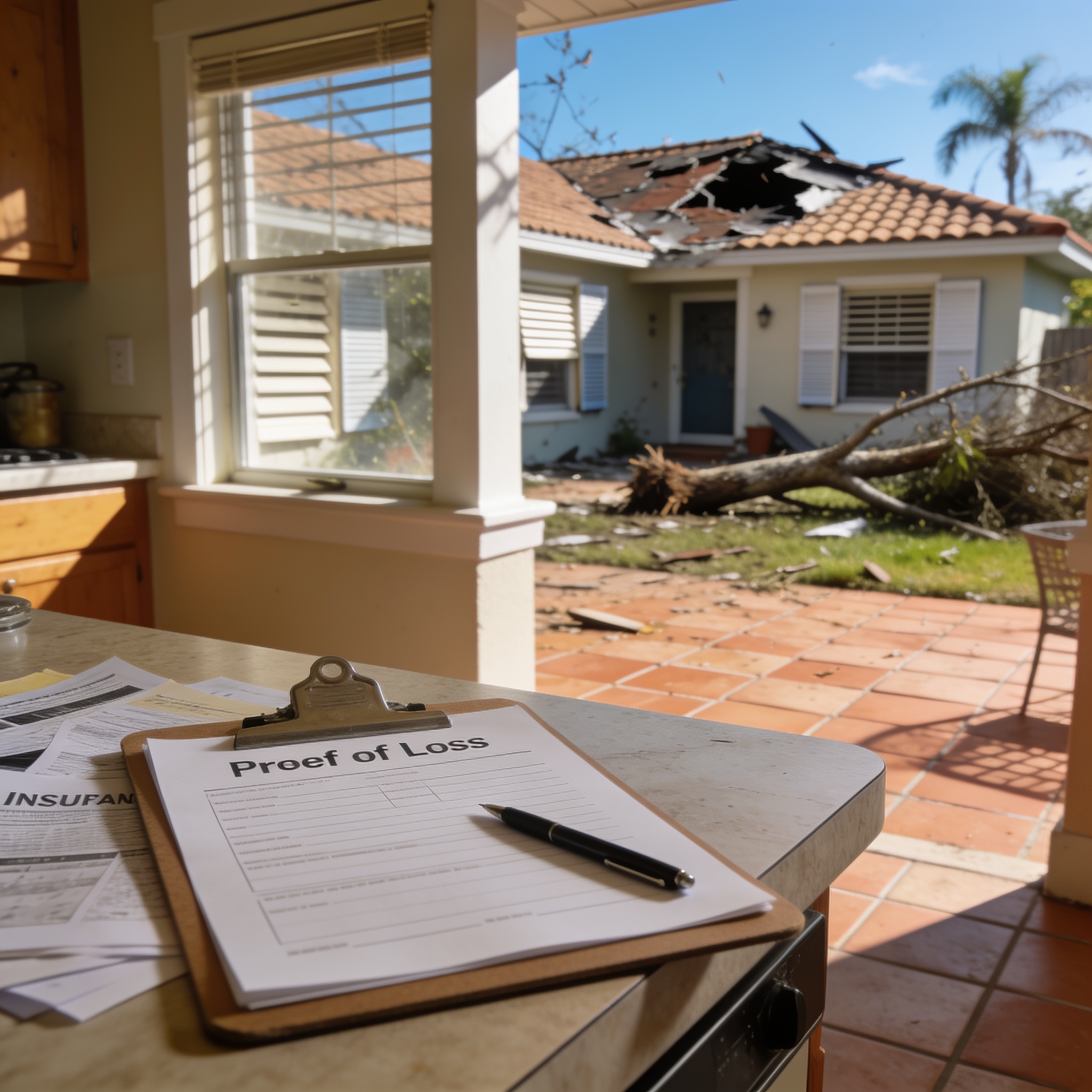
A proof of loss form is a formal document required by insurers or government agencies to verify that your previous health coverage ended, which allows you to enroll in a new plan outside of the standard open enrollment window. This verification is a mandatory step if you experience a qualifying life event such as a job loss or a change in your household status. In Southwest Florida, where residents often face unexpected transitions after hurricanes, maintaining accurate records is vital for insurance claims, much like how you would rely on a Water Damage Restoration to verify property damage for a claim. You need this form when you have lost or will lose coverage to prove you are eligible for a special enrollment period. This includes situations involving legal separation or a reduction in work hours caused by your employer. When you need to provide evidence, you can use this form or a similar document, like a letter, to show you lost your benefits.
What counts as proof of loss of insurance?
Valid proof of loss consists of any official correspondence from your insurer, employer, or government agency that confirms your coverage ended or will end. Documents must clearly state the date your coverage ended or will end to be considered acceptable by the Health Insurance Marketplace. This includes a letter from an insurance company, a notice from a government health program, or a document from your employer confirming they stopped or will stop contributing to the cost of your health insurance. Whether you are in Lee, Collier, or Charlotte County, the standard for verification remains consistent across all federal and state health programs. Ensure your documents are on official letterhead or stationery to guarantee they are accepted as proof of coverage, and ensure they are dated and signed.
What documents can I submit to prove loss of coverage?
You can submit various official papers to prove your loss of coverage, provided they are dated and clearly identify the policyholder. The following list details the specific documents you can use to satisfy the requirements for a special enrollment period:
- A dated letter from an insurance company confirming the date your health coverage ended.
- A letter from an employer stating that your employer stopped or will stop contributing to your health insurance.
- A premium bill from your former insurance company showing the final date of coverage.
- A notice from a Medicaid or CHIP agency showing your eligibility for Medicaid or CHIP ended, or that your medicaid was denied or that your medicaid coverage has ended.
- A document confirming your COBRA coverage ended or that your student health coverage is no longer offered.
- A decertification letter from your insurance confirming your coverage will end.
- Documentation regarding your Peace Corps service, veterans affairs, or Tricare status if applicable.
How does loss of coverage relate to a Special Enrollment Period (SEP)?
Loss of coverage is a qualifying life event that grants you a 60-day special enrollment period to select a new health plan. You must act within 60 days of the date your previous coverage ends to ensure there is no gap in your health protection. This window is critical for residents who lose coverage due to job changes or the end of a non-calendar year plan. If you miss this window, you may have to wait until the next open enrollment period, leaving you without necessary health benefits. If a dependent family member was also on the plan, ensure their status is noted, as the loss of coverage due to a change in status—such as coverage because of your relationship—likely affected them as well.
Can you pull up proof of insurance online, and can I access my 1095-A form online?
You can typically access proof of insurance or your 1095-A tax form by logging into your account on your insurer’s portal or the HealthCare.gov website. Most major carriers provide a digital summary of benefits that includes your coverage end date, which serves as acceptable proof of loss. If you are struggling with property-related insurance documentation after a storm, consider reaching out for Water Damage Restoration services to help you organize your claim files effectively. Always download and save these digital files as PDFs to ensure you have a permanent record. If you cannot find a digital copy, contact your provider to get a letter sent to your address.
What do I do if I lost my proof of insurance or don’t have any of the required documents?
If you cannot locate your documents, you should immediately contact your former HR department or insurance carrier to request a formal verification letter. Do not wait to resolve this issue, as you only have 60 days from the date your coverage ends to submit your application and supporting evidence. If your former company is unresponsive, you can sometimes use pay stubs showing a deduction for health coverage that stopped, or a bank statement showing the final premium payment. Keep a log of every person you speak with and the dates of your requests to show you are making a good-faith effort to obtain the necessary proof. You may need to submit a letter explaining your situation if official documentation is delayed, or provide a public notice if your plan will no longer be offered.
What information is included in a proof of loss form?
A standard proof of loss document must include the name of the insured, the specific date of coverage loss, and the signature or official stamp of the issuing organization. The document must explicitly state that your health coverage or benefits have ended or will end on a specific date. This information is essential for the Marketplace to verify that you qualify for a special enrollment period. Without these specific details, your application for a new plan may be delayed or denied during the verification process. Your documentation should clearly detail the cost of coverage and confirm that coverage will no longer be active, ensuring you have coverage within the next 60 days or will lose eligibility.
| Document Type | Key Purpose |
|---|---|
| Termination Letter | Confirms the exact date coverage ends. |
| Premium Bill | Shows the final paid period of coverage. |
| Employer Notice | Verifies the end of employer-sponsored contributions. |
| Medicaid/CHIP Notice | Confirms Medicaid or CHIP coverage ended. |
| Status Change Notice | Confirms events like legal separation or coverage year ends. |
How do I submit documents for proof of loss of coverage?
You can submit your documents through your online Marketplace account, by mail, or by uploading them during the application process. You must ensure that all uploaded files are clear, legible, and include the official letterhead of the issuing entity to avoid processing delays. Once submitted, the Marketplace will review your information to confirm you qualify for the special enrollment period. Monitor your account regularly for updates, as the agency may request additional information if the initial documents are incomplete. You can provide a letter or premium bill to satisfy these requirements, provided it was issued within the past 60 days.
Frequently asked questions
Understanding the nuances of insurance documentation can be complex, so these answers address the most common concerns regarding loss of coverage.
Can I use a copy of my resignation letter as proof of loss?
No, a resignation letter is not sufficient because it does not confirm the specific date your employer stopped contributing to your health insurance.
Does Medicare count as a loss of coverage if I switch to a private plan?
Generally, voluntary termination of coverage does not qualify as a loss of coverage, but you should check with the Marketplace for your specific situation.
What if my COBRA coverage ends after the 60-day window?
If your COBRA coverage ends, you are granted a new 60-day special enrollment period starting from the date that coverage ends.
Is a phone call to my insurance company enough for verification?
No, you need written verification on official stationery or a digital document that you can upload to the Marketplace.
Does the loss of student health coverage qualify me for a special enrollment period?
Yes, losing student health coverage is considered a qualifying life event that allows you to enroll in a new plan.
Do I need a coverage letter for CHIP coverage?
Yes, if your child’s CHIP coverage ends, you will need a coverage letter from the state health insurance program to verify the end date.
Our editorial team verifies licensing and reviews for every restoration company in the directory and writes practical, Florida-specific guides to help homeowners act fast and protect their insurance claims after water, fire, mold or storm damage.