Homeowners Insurance for Roof Leak Claims: What You Need to Know
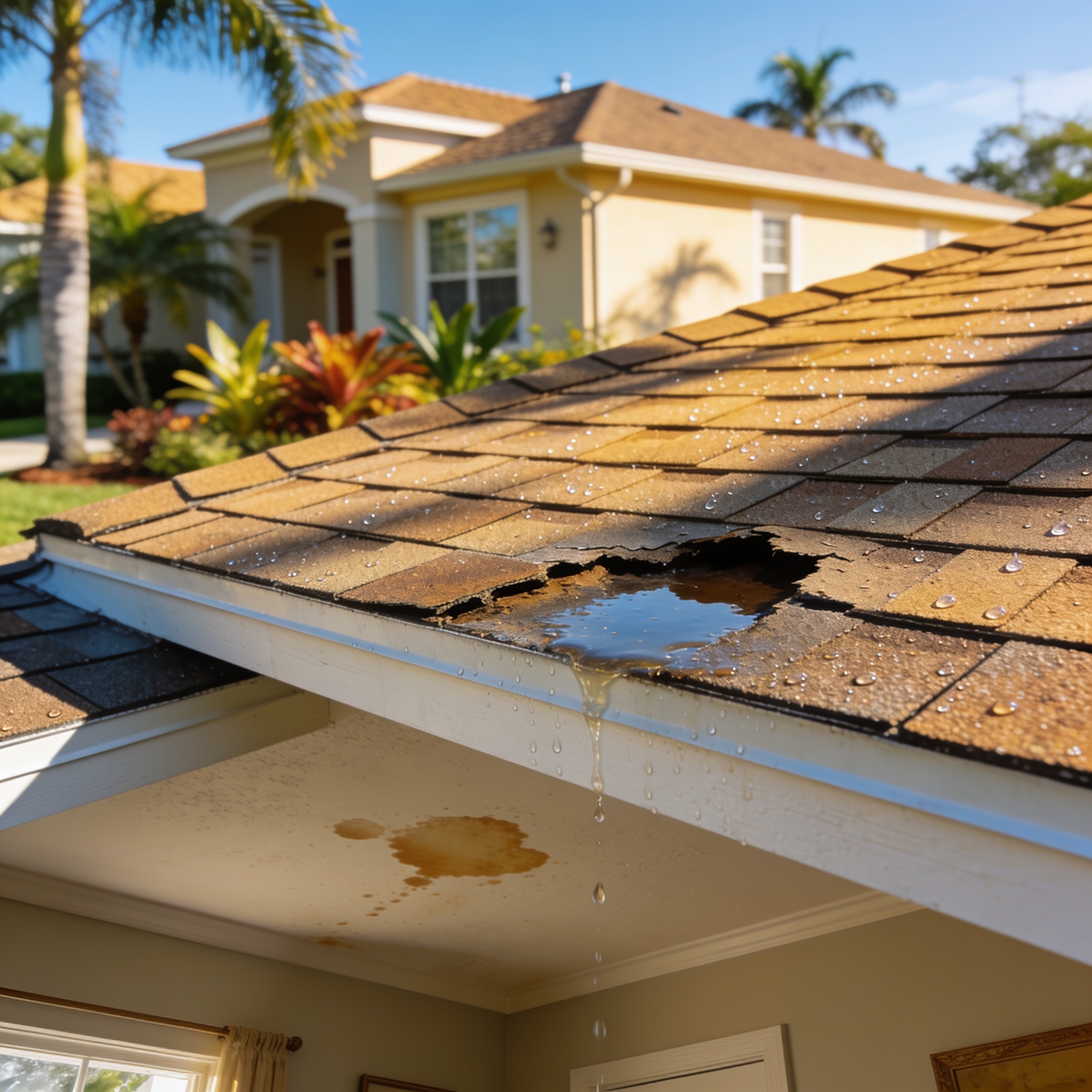
Homeowners insurance for roof leak claims typically covers damage caused by sudden, accidental perils like hurricanes or windstorms, provided the cost to repair exceeds your policy deductible, which often ranges from $1,000 to $5,000 in Southwest Florida. Whether your homeowners insurance cover roof leaks depends heavily on the cause of the damage and the age of your roofing materials. Understanding your specific policy language is the most effective way to navigate the complexities of filing a claim for roof damage after a storm. Your standard homeowners insurance policy is designed to protect against unforeseen events, but it is important to remember that homeowners insurance may not cover maintenance issues. Reviewing your homeowners policies is the first step to understanding how to protect your home from roof issues, as these documents outline the specific situations in which homeowners insurance will provide assistance. If you are facing significant damage, your policy may help cover the cost of professional remediation.
Key Takeaways
- Sudden, accidental damage from events like hurricanes is generally covered, while long-term neglect is not.
- Your deductible must be met before the insurance company pays for any repairs or replacements.
- Documenting the condition of your roof before and after a storm is critical for a successful claim.
- Regular maintenance is a requirement under most homeowners insurance policies to keep your coverage active.
- Southwest Florida homeowners should be aware that older roofs may only be covered for actual cash value rather than replacement cost coverage.
- Investing in an impact-resistant roof can sometimes lower your premiums and better protect your roof from future storm debris.
Does Homeowners Insurance Usually Cover a Leaking Roof?
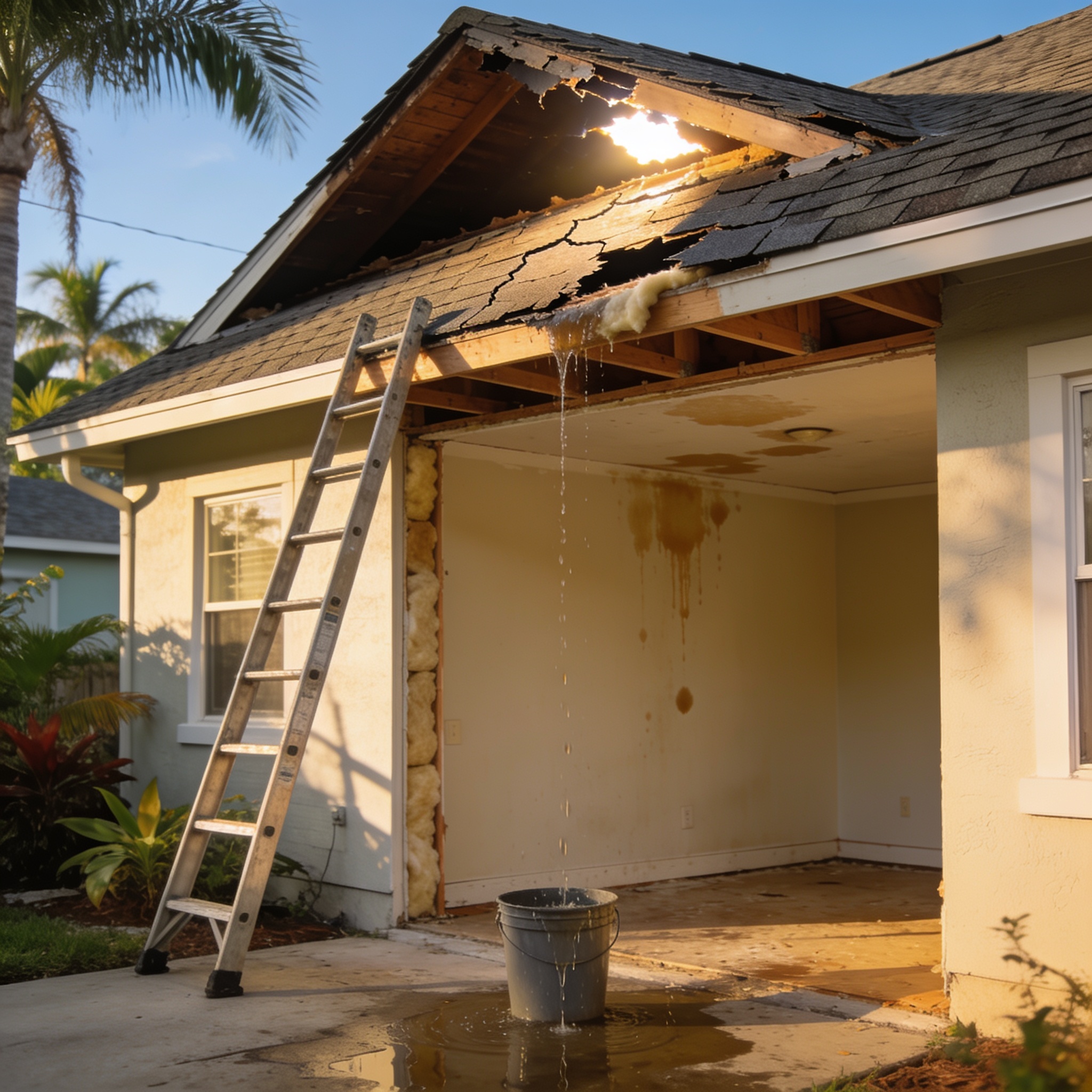
Homeowners insurance typically covers a leaking roof only when the damage is the result of a sudden, unforeseen event rather than gradual deterioration. In Southwest Florida, where severe weather is common, insurance providers differentiate between storm-related damage and general wear and tear. If a hurricane or windstorm caused your roof leak, your policy may cover the cost to repair or replace the damaged sections. However, if the leak is due to a lack of maintenance, the insurance company will likely deny the claim, as insurance typically excludes wear and tear. Knowing whether homeowners insurance covers roof leaks requires checking if the damage is covered by insurance or if it is a result of a bad roof that was not properly maintained.
What Types of Roof Leaks Are Covered by Homeowners Insurance?
Home insurance cover roof leaks that result from “covered perils” defined in your agreement, such as wind, hail, or lightning strikes. When a storm causes a tree limb to puncture your roof, the resulting water damage is usually considered a valid claim. The IICRC notes that rapid response is essential to mitigate secondary issues like mold growth, which can complicate your insurance claim. Always check your policy for specific exclusions regarding wind and hail, especially if you live in high-risk zones in Lee or Collier counties. Note that insurance typically covers these sudden events, but homeowners insurance may cover only the damaged portion, not the entire structure. A roof leak is usually covered when it is a direct consequence of a sudden, accidental event.
When Does Homeowners Insurance Not Cover Roof Leaks?
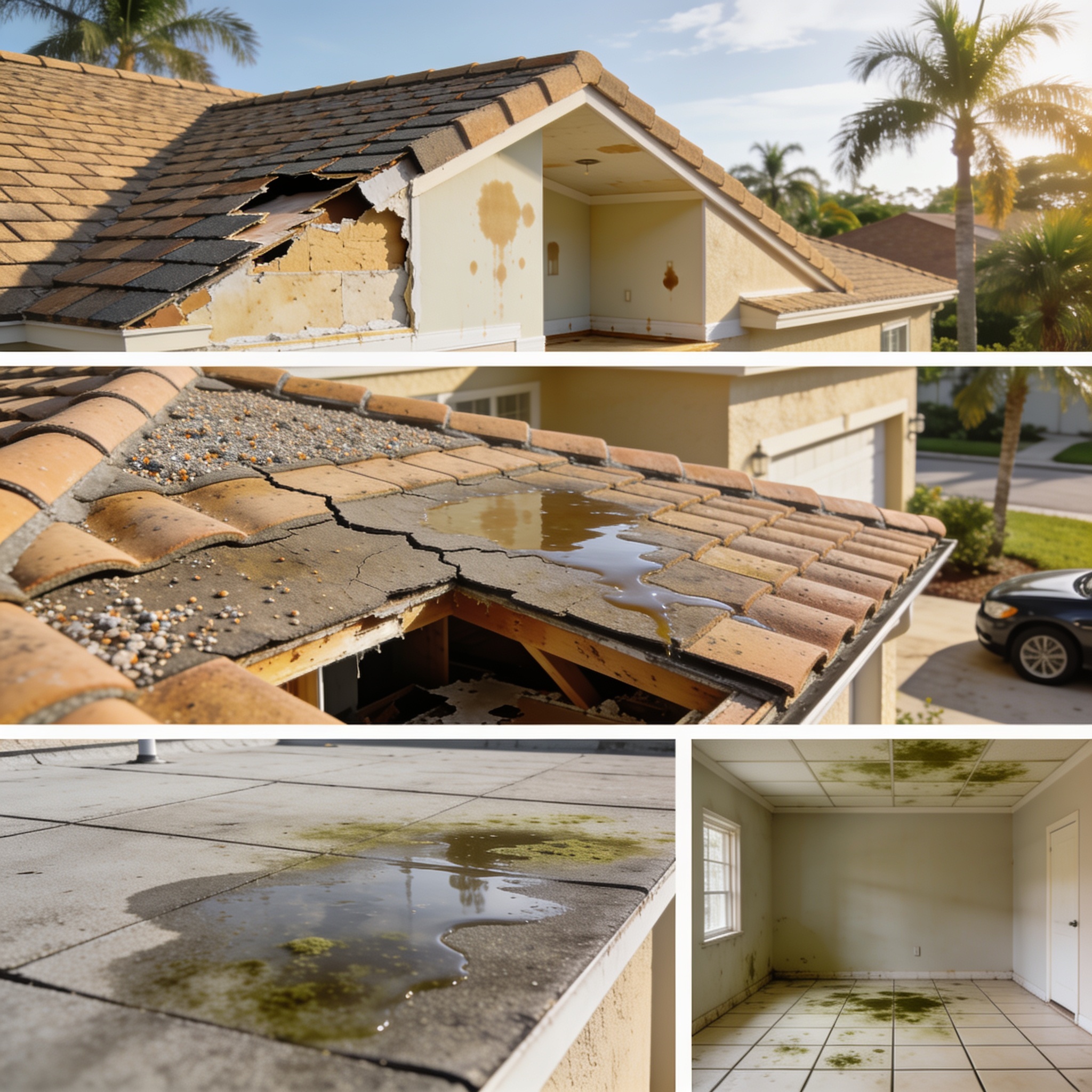
Homeowners insurance generally excludes coverage for roof leaks caused by long-term neglect, poor installation, or normal aging of materials. If your roof is leaking because of missing shingles that were never replaced or rotting wood that went unaddressed, the insurance company will classify this as maintenance failure. It is important to note that typically won’t cover damage resulting from deferred maintenance. Furthermore, if you have a metal roof, the insurer will evaluate if the damage was caused by a covered peril or improper installation. If the damage is due to neglect, insurance will not pay for the repairs. Consistent roof upkeep is the best way to keep your roof in good standing and avoid claim denials.
Does Homeowners Insurance Cover Water Damage from a Roof Leak?
Homeowners insurance will cover water damage resulting from a covered roof leak, provided the damage was sudden and accidental. If a storm tears off a section of your roof, the subsequent interior water damage is typically included in your claim. For residents dealing with these issues, professional Water Damage Restoration mitigation is often required to prevent further structural degradation. You should consult your policy to see if is water damage covered by homeowners insurance provisions apply to your specific situation, as covers roof leaks caused by storms is a standard provision. Proper mitigation helps home from roof leaks by preventing secondary damage.
Does Homeowners Insurance Cover Roof Replacement Due to a Leak?
Insurance companies often pay to repair or replace a roof only if the damage is widespread and caused by a covered peril that renders the entire roof unrepairable. If only a small section of the roof is damaged, the insurer will likely only pay to repair that specific area. In Florida, if your roof is older, you may be subject to actual cash value or replacement cost payouts. Whether you choose actual cash value or replacement cost depends on your specific policy terms. If the damage is severe enough, the provider might pay for a roof replacement, but you must prove the necessity of a full roof replacement. Whether you need a roof repair or replacement depends on the extent of the damaged roof assessment.
What Happens If a Roof Leak Is Left Untreated?
Leaving a roof leak untreated will lead to compounding structural damage and the likely denial of future insurance claims due to negligence. Moisture intrusion can cause wood rot, electrical hazards, and severe mold infestations that are significantly more expensive to remediate than the initial leak. If you suspect a leak, contact a professional for Water Damage Restoration services immediately to stabilize the property. Documentation of your efforts to stop further damage is vital when you eventually file your claim. Remember that most policies won’t cover roof leaks that have been ignored for an extended period.
Should You File an Insurance Claim for a Roof Leak?
You should only file a claim for a roof leak if the estimated cost to repair your roof significantly exceeds your policy deductible. Filing a claim for minor repairs can lead to increased premiums or even policy non-renewal in the competitive Florida insurance market. Before you file a claim, obtain a professional inspection of the roof to determine the exact cause and the estimated cost of repairs. If the repair cost is close to your deductible, it is often more financially sound to pay out of pocket for the roof repair. Insurance is designed to cover a roof only when the financial burden is substantial.
How Do You File a Homeowners Insurance Claim for a Roof Leak?
To file a claim for a roof leak, you must document the damage thoroughly with high-resolution photos and videos before performing any temporary repairs. Contact your insurance provider immediately to report the loss and request a claim number. Keep a detailed log of all communications with your adjuster and any contractors who visit your home. If you are struggling to manage the process, seeking professional Water Damage Restoration can often provide the necessary documentation to support your case. This documentation is essential to help cover your roof expenses and secure the necessary roof coverage.
How Can You Prevent Roof Leaks and Protect Your Coverage?
Maintaining your roof through regular inspections and prompt repairs is the best way to prevent roof leaks and ensure your insurance coverage remains valid. The following checklist outlines the essential steps to keep your covered roof in good condition:
| Action Item | Frequency |
|---|---|
| Professional Roof Inspection | Annually or after major storms |
| Clear Debris from Gutters | Every 3-6 months |
| Check for Loose/Missing Shingles | After high wind events |
| Trim Overhanging Tree Branches | Once per year |
| Inspect Attic for Moisture Signs | During heavy rain seasons |
| Assess for roof damage | Biannually |
| Evaluate if you need a new roof | Every 15-20 years |
The 5 visual signs of black mold
Identifying the 5 visual signs of black mold is essential for maintaining a healthy home environment after a roof leak occurs.
- Discoloration: Look for patches that appear black, dark green, or slimy on ceilings and walls.
- Texture Changes: Mold often presents as fuzzy, velvety, or powdery growth on drywall or wood surfaces.
- Water Staining: Persistent rings or dark spots on your ceiling indicate long-term moisture accumulation.
- Peeling Paint: Moisture trapped behind the surface causes paint or wallpaper to bubble and peel away.
- Musty Odor: A persistent, earthy smell in a room is often a sign of hidden mold growth behind walls.
Frequently asked questions
Understanding the nuances of your policy can save you thousands during the claims process.
Does a standard home insurance policy cover roof leaks caused by aging?
No, standard home insurance policies do not cover damage caused by wear and tear or the natural aging of roofing materials. You must replace your roof if it has reached the end of its lifespan.
What is the difference between actual cash value and replacement cost?
Replacement cost covers the price to repair or replace your roof with new materials, while actual cash value subtracts depreciation based on the age of the roof.
How long do I have to file an insurance claim after a storm?
While timelines vary by policy, Florida law generally requires you to report a claim within a reasonable timeframe, though many policies have specific deadlines for storm-related damage.
Will my insurance premiums increase if I file a claim for a roof leak?
Filing a claim for a roof leak can lead to premium increases, especially if the claim is substantial or if you have filed multiple claims in recent years.
Can I perform temporary repairs before the insurance adjuster arrives?
Yes, you are expected to take reasonable steps to prevent further damage, such as placing a tarp over the damaged area, but document everything first.
Our editorial team verifies licensing and reviews for every restoration company in the directory and writes practical, Florida-specific guides to help homeowners act fast and protect their insurance claims after water, fire, mold or storm damage.