Homeowners Insurance for Hurricane Damage: What You Need to Know
Standard homeowners insurance policies typically do not cover flood damage, meaning you must secure separate flood insurance to be fully covered for the total impact of a hurricane. While your policy covers damage caused by windstorms, the financial protection for your property depends heavily on whether you have a specific hurricane deductible in place. Ensuring you have adequate insurance coverage is vital, as policies don’t cover rising water, and standard home insurance policy terms often require separate flood insurance and homeowners insurance to address all risks. Because florida homeowners face unique environmental threats, understanding how insurance can help protect your home from damage is essential.
Key Takeaways
- Standard homeowners insurance covers wind damage but excludes rising water or storm surge.
- You must purchase a separate flood insurance policy through the National Flood Insurance Program or private carriers.
- Hurricane deductibles are often percentage-based rather than flat dollar amounts.
- Reviewing your policy before the Atlantic hurricane season begins is essential for financial security.
- Documenting your property condition annually helps streamline the claims process after a storm.
- The National Association of Insurance Commissioners provides resources to help you understand your specific policy terms.
Does Regular Insurance Covers
Hurricane Damage?
Standard homeowners insurance covers wind damage and structural impacts caused by a hurricane, but it explicitly excludes damage caused by flooding. Most insurance companies categorize types of damage into two distinct buckets: wind and water. While your policy covers damage caused by windstorms, you remain financially responsible for damage from flooding unless you carry a separate flood insurance policy. According to the National Hurricane Center, storm surge remains the deadliest and most destructive force during a tropical cyclone, yet it is rarely included in standard homeowners policies. It is important to remember that policies won’t cover flood damage, so confirming your property insurance status is a priority when your home is damaged. Hurricane damage is typically covered by your policy only if it results from wind or wind-driven rain.
What Specific Types of Damage
Does Standard Home Insurance Covers
?
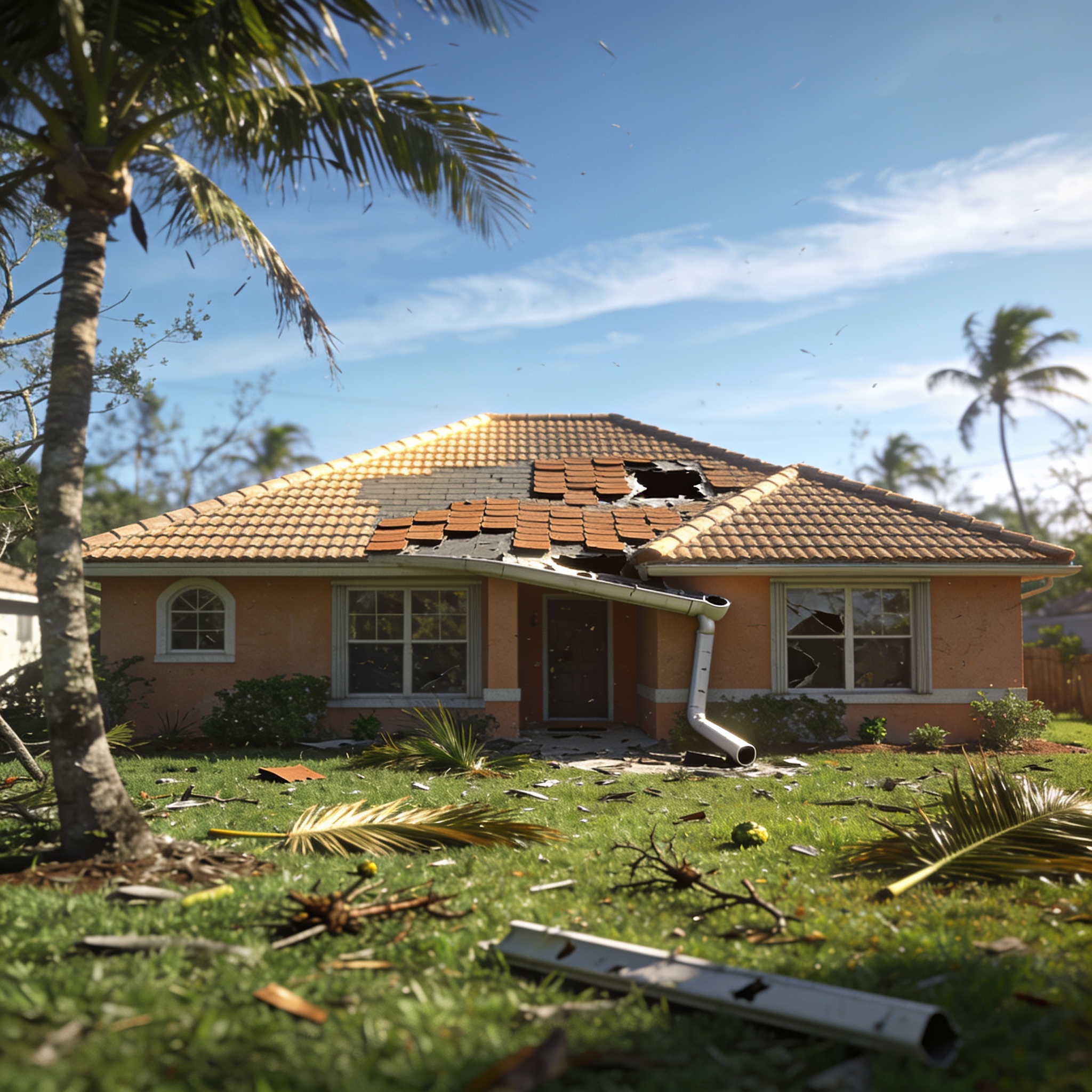
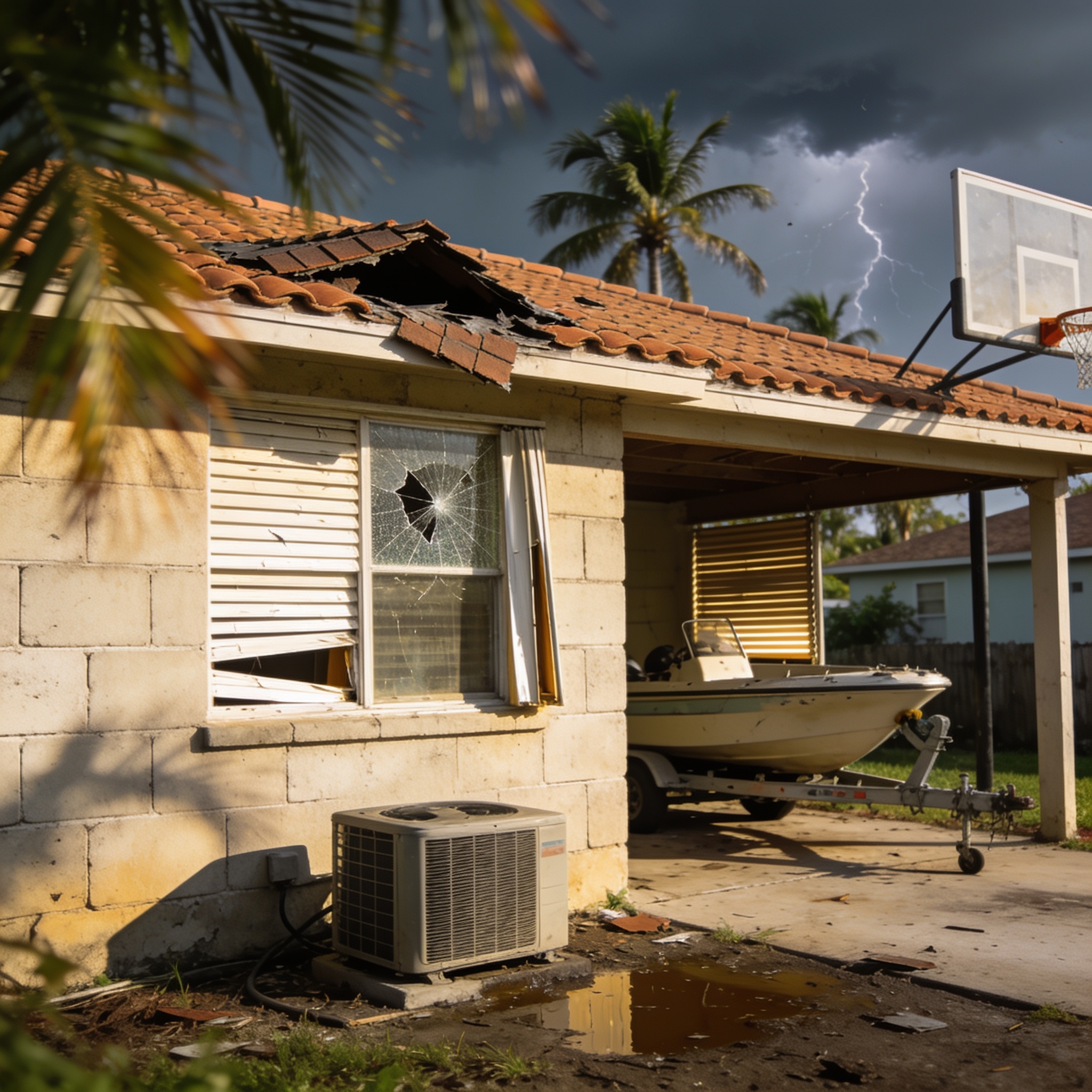
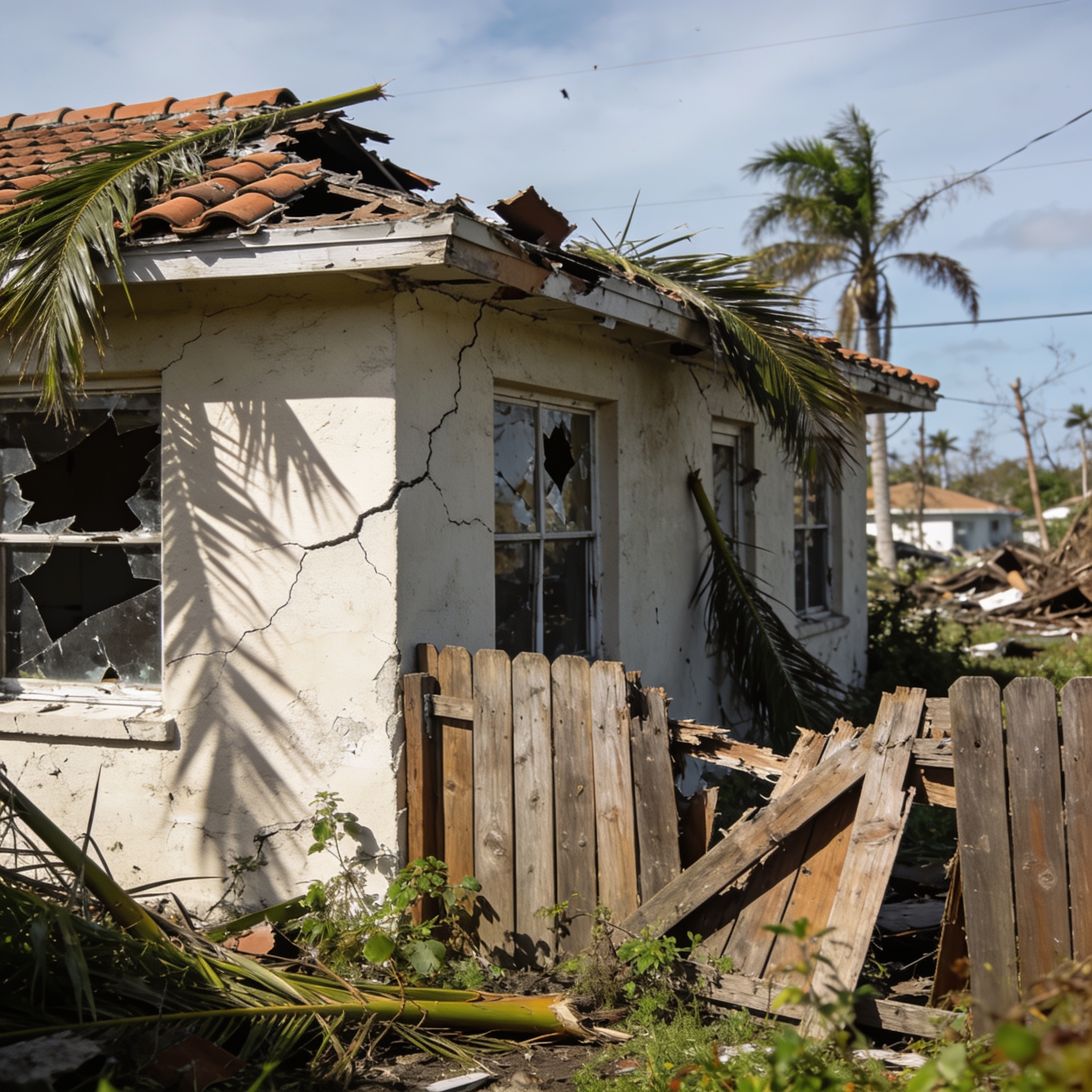
Your home insurance policy covers damage caused by windstorms, including roof damage, broken windows, and structural failures resulting from high-velocity gusts. If a tree falls on your home due to intense winds, your dwelling coverage typically applies to the repairs. Many homeowners insurance policies also provide coverage for hail damage that often accompanies severe tropical systems. You may also find that your policy covers damage caused by wind-driven rain if the wind first creates an opening in the building envelope. Generally, insurance generally covers wind-driven water damage if the initial structural breach was caused by wind.
What Hurricane Insurance
Is Typically Not Covered by Standard Homeowners Insurance?
Standard home insurance policies do not cover damage caused by flooding, storm surge, or rising water from external sources. Even if the water enters your home because of a hurricane, the policy covers damage caused by wind, not the water itself. This distinction is critical for residents in Southwest Florida, where storm surge is a frequent threat. If you need flood insurance, you might look into Water Damage Restoration to mitigate mold growth. Always check your insurance information to see exactly what is covered by homeowners insurance, as many exclusions apply to water-related events.
What Hurricane Coverage
Do You Need to Protect Your Home?
To protect your home effectively, you need a combination of homeowners insurance for wind and a separate flood insurance policy for water-related events. While some Florida residents opt for separate windstorm insurance if their primary carrier excludes it, flood insurance is almost always a distinct product. The National Flood Insurance Program (NFIP) is the primary provider, though private market options are expanding. For those in low-lying coastal areas, having both is the only way to ensure you are not left with a total loss after a storm. Homeowners insurance may provide the base, but you must ensure you have specific hurricane coverage to address the full scope of potential loss.
How Does the Insurance Agency Handle Hurricane Claims?
The claims process begins by documenting all visible damage to your home and contacting your insurance agency immediately after the storm passes. You should take photos and videos of the damage before attempting any temporary repairs to prevent further destruction. Once a claim for hurricane damage is filed, an adjuster will visit your property to assess the extent of the loss. If the damage is extensive, you may need professional help, such as Water Damage Restoration, to stabilize the property while you wait for the insurance payout. Efficiently managing hurricane claims requires clear communication with your provider regarding the specific cause of loss.
What Is a Windstorm Deductibles
and How Does It Work?
A hurricane deductible is a separate deductible for hurricane damage that is typically calculated as a percentage of your home’s insured value rather than a flat dollar amount. If your home is insured for $500,000 and you have a 5% hurricane deductible, you are responsible for the first $25,000 of damage. These wind and hurricane deductibles are triggered only when a storm is officially named by the National Hurricane Center. Many insurance companies implement these to manage their risk in high-exposure areas like Lee or Collier County. Understanding these hurricane deductibles may impact your out-of-pocket costs is essential when a named hurricane or windstorm damage impacts your property.
What Is the Cost of an Typically Cover
Quote for Hurricane Damage?
Insurance costs for hurricane-prone properties in Florida are among the highest in the nation, often exceeding $4,000 to $6,000 annually for comprehensive coverage. High-value homes require higher dwelling limits, which directly increases your premium. When requesting an insurance quote, ensure you account for the replacement cost of your structure rather than its market value. You can learn more about the is water damage covered by homeowners insurance to understand how your coverage limits might perform in a real-world scenario. Carriers insurance typically cover wind damage as part of the base premium, but specialized coverage is often known as hurricane insurance in high-risk zones.
How Can You Ensure Adequate Homeowners Policies?
Reviewing your insurance policies annually ensures you understand your coverage limits and deductible requirements before hurricane season begins. You should verify that your dwelling coverage reflects current local construction costs, as inflation can leave you underinsured. Consult with your insurance agent to confirm if your policy covers wind-driven water damage or if you need a separate flood insurance policy. Keeping an updated home inventory can also expedite the claims process significantly. If you live in areas prone to tropical systems, consider professional Water Damage Restoration resources to have on hand.
What to Know About Damage Caused by Windstorms
and Water
Florida and Texas have specific regulations regarding hurricane deductibles and the availability of windstorm insurance. In Florida, the Office of Insurance Regulation oversees how these deductibles are applied to ensure transparency for consumers. Many insurance companies are required to offer policyholders a choice of deductible amounts to help manage premiums. Always check your policy documents to see if your insurer uses a named storm trigger for your specific deductible, as this is how
Home Insurance Cover Hurricane Damage
is determined. Additionally, you should verify if your policy willCover Flooding
, as most standard plans exclude this peril.Frequently asked questions
Understanding the nuances of your coverage can save you significant financial stress during the recovery process.
Does my homeowners insurance cover roof damage from a hurricane?
Yes, your standard homeowners insurance policy covers roof damage caused by wind during a hurricane, provided the damage is not due to long-term neglect.
Do I need separate flood insurance if I live in a high-risk zone?
Yes, homeowners in high-risk flood zones are often required by their mortgage lenders to carry a separate flood insurance policy through the NFIP or a private provider.
When does a hurricane deductible apply?
A hurricane deductible typically applies only when a storm is officially named by the National Hurricane Center and results in damage to your property.
What is the difference between windstorm insurance and flood insurance?
Windstorm insurance covers damage caused by high winds and hail, while flood insurance covers damage caused by rising water, storm surge, and mudslides.
Can I buy flood insurance after a hurricane warning is issued?
No, most flood insurance policies have a 30-day waiting period before coverage becomes effective, so you cannot wait until a hurricane is approaching to purchase it.
| Coverage Type | What It Protects | Common Exclusions |
|---|---|---|
| Standard Homeowners | Wind, Hail, Fire, Theft | Flood, Storm Surge, Earth Movement |
| Flood Insurance | Rising Water, Storm Surge | Wind-driven rain (unless via roof breach) |
| Windstorm Policy | Named Storm Wind Damage | Water damage from flooding |
Our editorial team verifies licensing and reviews for every restoration company in the directory and writes practical, Florida-specific guides to help homeowners act fast and protect their insurance claims after water, fire, mold or storm damage.