Home Insurance Loss of Use Coverage: What You Need to Know
Home insurance loss of use coverage typically provides reimbursement for additional living expenses when your home becomes uninhabitable due to a covered peril, often capped at 20% to 30% of your dwelling coverage limit. This financial protection ensures that if a hurricane or major pipe burst forces you to evacuate, your insurer helps cover the cost of maintaining your standard of living while your property is being restored. Understanding your home insurance policy is the first step in ensuring you are protected when your home becomes unlivable, as this loss of use insurance coverage is designed to mitigate the financial burden of displacement. Because loss of use coverage is typically included in standard plans, it is vital to review your specific amount of coverage to ensure it meets your needs.

Key Takeaways
- Loss of use coverage, often called Additional Living Expenses (ALE), pays for costs exceeding your normal budget when you cannot live in your home.
- Most homeowners policies set this limit as a percentage of your total dwelling coverage rather than a standalone dollar amount.
- Coverage generally applies only after a “covered peril” occurs, such as fire, windstorm, or lightning, but rarely covers flood damage without a separate policy.
- You must keep detailed receipts for all expenses, as insurance companies require proof of payment to reimburse your claims.
- If you rent out part of your home, this coverage can also compensate you for lost rental income during the repair period.
- Most policies include loss of use coverage as a standard feature to protect policyholders.
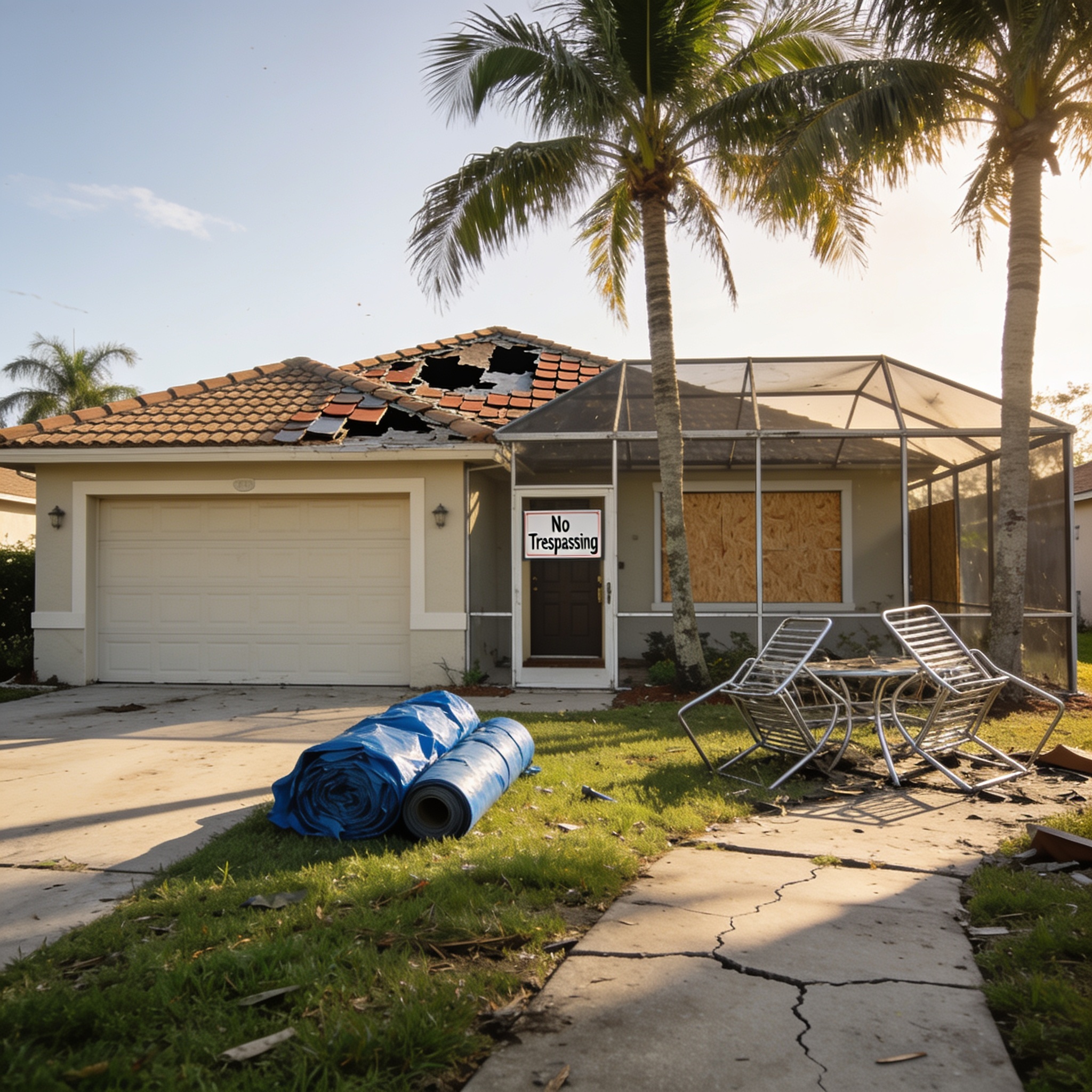
What does loss of use mean on my homeowners insurance policy?
Loss of use coverage is a standard component of most homeowners insurance policies designed to pay for the extra costs incurred when you are displaced from your home. That’s where loss of use coverage becomes vital, serving as a financial safety net that allows you to maintain your normal standard of living. When your home becomes unlivable, this insurance coverage ensures you have the resources to find temporary shelter. According to guidance from the Insurance Information Institute, this provision is critical for families in Southwest Florida who may face weeks of displacement following a major hurricane. A robust homeowner’s insurance policy will clearly outline these protections.
How does loss of use coverage work when your home becomes uninhabitable?
When your home becomes uninhabitable due to a covered loss, your insurance provider steps in to pay for reasonable and necessary expenses that exceed your typical monthly costs. You must notify your insurance agent immediately after the damage occurs to initiate the claims process and confirm your coverage limits. Once the insurer verifies the damage, they will begin the process of reimbursing you for temporary housing, such as a hotel or a short-term rental property. This coverage continues until your home is repaired after a disaster or until your policy limits are reached. In these scenarios, loss of use coverage helps by providing the funds you need to move into temporary housing quickly. Ultimately, this use coverage can help you navigate the immediate aftermath of a disaster.
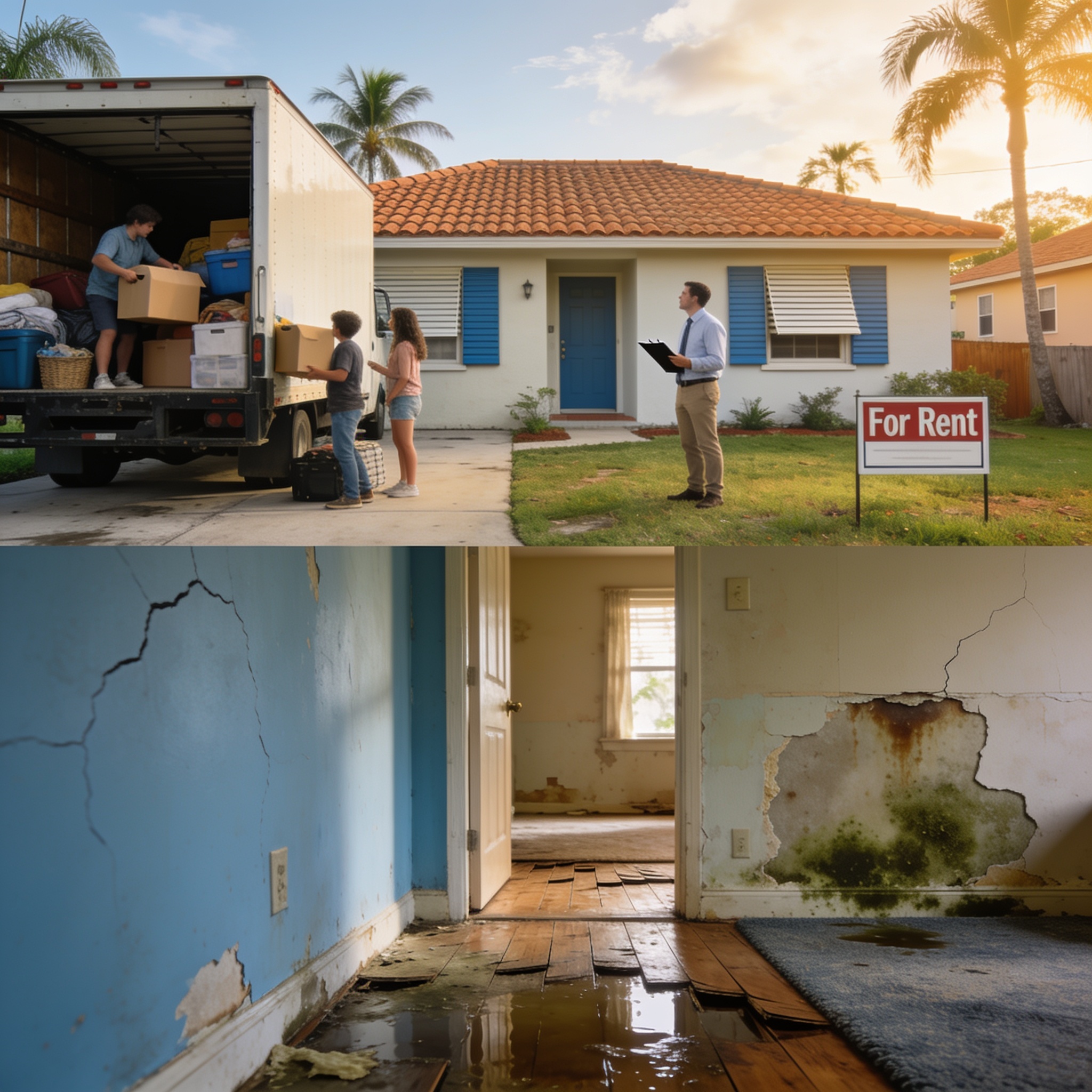
What does loss of use coverage include — and what is not covered?
Loss of use coverage includes necessary expenses that you would not have incurred if you were still residing in your own home. It is important to understand that standard homeowners policies do not cover living expenses resulting from a flood unless you have a separate flood insurance policy through the NFIP or a private carrier. When reviewing your insurance contracts, check your personal property coverage, as some policies may also assist with moving or storing items when the home becomes unlivable. Knowing exactly what your insurance covers is essential for effective financial planning.
Covered Expenses
- Costs for temporary housing, such as hotels, motels, or rental apartments.
- Increased food costs if your temporary living situation lacks a kitchen, forcing you to eat out more often.
- Moving and storage costs for your personal property while the home is being restored.
- Laundry services if your temporary residence does not have onsite facilities.
Excluded Expenses
- Your normal, everyday living expenses, such as your standard grocery bill or utility payments you would have paid anyway.
- Expenses incurred if you choose to stay with friends or family at no cost to you.
- Costs resulting from a peril specifically excluded by your policy, such as earth movement or neglect.
What are some examples of expenses covered by loss of use?
Covered expenses are those that represent an increase over your normal cost of living while you are displaced. If your primary residence in Lee County suffers a major pipe burst, you may require professional Water Damage Restoration in North Fort Myers services that render the property temporarily unlivable. During this time, your policy might pay for the difference between your normal monthly food budget and the higher cost of dining out. It also covers the monthly rent for a temporary apartment that is comparable in size and location to your damaged dwelling. This is a primary example of how loss of use coverage helps you maintain your lifestyle, and this use coverage for home insurance is a critical tool for maintaining stability.
What are the limits on loss of use coverage, and how much should you have?
The loss of use coverage limit is usually expressed as a percentage of your dwelling coverage, typically ranging from 10% to 30% of the total insured value of your home. If your home is insured for $300,000 and your policy includes 20% for loss of use, you have a maximum of $60,000 available for additional living expenses. Homeowners should review their declarations page annually to ensure their coverage amount is sufficient to cover high-cost temporary rentals in the competitive Southwest Florida market. Your insurance agent can help you calculate how much loss of use coverage you need based on local rental rates.
| Coverage Type | Typical Limit Range |
|---|---|
| Dwelling Coverage | 100% of Replacement Cost |
| Loss of Use (ALE) | 10% – 30% of Dwelling |
| Personal Property | 50% – 70% of Dwelling |
| Policy Limits | Varies by Policy |
What is an example of loss of use coverage in a real claim scenario?
Consider a homeowner in Collier County whose roof is destroyed by a hurricane, leaving the interior exposed to the elements and requiring extensive Water Damage Restoration. Because the home is uninhabitable, the family moves into a rental property for six months at a cost of $3,000 per month. The insurance company reimburses the $18,000 in rent, plus the additional $200 per month they spent on laundry and dining out, totaling $19,200. This total amount is deducted from their overall loss of use coverage limit, leaving the remainder available for any further housing needs until the repairs are finalized.
How do I file a loss of use claim with my insurance company?
Filing a loss of use claim requires meticulous documentation of every extra dollar you spend while displaced from your residence. You should start by contacting your insurer to report the loss and request a copy of your policy to understand your specific coverage options. Keep a dedicated folder for all receipts, invoices, and estimates related to your temporary housing and increased living costs. If you are dealing with significant structural issues, contact a professional for Water Damage Restoration to document the extent of the damage for your adjuster. This loss of use home insurance claim process is vital for ensuring you get the reimbursement you are entitled to.
Does loss of use coverage have a deductible?
Loss of use coverage generally does not have a separate deductible, as it is triggered by the primary deductible applied to the covered peril that caused the damage. For example, if a windstorm damages your roof, you will pay your windstorm deductible once, and your loss of use benefits will begin immediately thereafter. This structure is designed to prevent financial hardship for homeowners who are already managing the upfront costs of a major property claim.
Is loss of use coverage available for renters or condo owners?
Renters and condo owners can both benefit from loss of use coverage, though it is structured differently depending on the policy type. A renters insurance policy typically includes loss of use to cover the cost of finding a new place to stay if their apartment becomes damaged. Similarly, condo insurance often provides this coverage to assist unit owners when the interior of their home is damaged by a covered event. Always verify that your specific policy includes loss of use coverage, as some basic renters insurance plans may require an endorsement to add this protection.
Is loss of use coverage worth it for homeowners?
Loss of use coverage is an essential component of any comprehensive property insurance plan, especially in high-risk areas like Southwest Florida. Without this coverage, you would be forced to pay for hotels, storage, and increased food costs entirely out of pocket during an already stressful recovery period. Given that the cost to add or maintain this coverage is often minimal compared to the potential thousands of dollars in displacement expenses, it is widely considered a non-negotiable part of a sound financial strategy. This loss of use insurance is a critical tool for maintaining stability when life takes an unexpected turn.
Frequently asked questions
Understanding the nuances of your policy can prevent surprises when you need to file a claim.
Does loss of use cover lost rental income?
Yes, if you rent out part of your home and the space becomes uninhabitable, your policy may reimburse you for the lost rental income you would have otherwise collected.
How long does loss of use coverage last?
Coverage typically lasts for the time it takes to repair or replace the damaged property, usually capped at 12 or 24 months depending on the specific terms of your policy.
Can I use my coverage to stay in a luxury hotel?
Insurers usually only reimburse for “reasonable and necessary” expenses, meaning they will pay for a hotel comparable to your standard of living, not a luxury suite.
What happens if I reach my coverage limit?
Once you hit your loss of use coverage limit, the insurance company will no longer reimburse you for additional living expenses, and you will be responsible for those costs moving forward.
Do I need to keep receipts for everything?
Yes, insurance companies require itemized receipts and documentation to prove that your expenses were legitimate and directly related to your displacement.
Our editorial team verifies licensing and reviews for every restoration company in the directory and writes practical, Florida-specific guides to help homeowners act fast and protect their insurance claims after water, fire, mold or storm damage.