Frontline Insurance Sworn Proof of Loss: A Complete Homeowner Guide
Completing a sworn proof of loss for Frontline Insurance typically requires a formal submission of your damages within 60 days of the insurer’s request to ensure your claim remains valid. This document serves as the official, notarized financial backbone of your insurance claim, detailing the specific scope of property damage and the associated repair costs for your SWFL home. Providing thorough supporting documentation is essential to validate your damage claim and ensure you receive the full insurance coverage you are entitled to under your homeowners insurance policy.

Key Takeaways
- A sworn proof of loss is a formal, notarized demand for payment that binds the policyholder to the accuracy of their reported damages.
- Frontline Insurance requires this documentation to verify the extent of property damage before issuing final settlement checks.
- Failure to provide this document within the specified policy’s deadline can lead to a formal denial of your claim.
- Always include detailed estimates from a licensed contractor’s records to support your valuation of the loss.
- Consulting with a reputable public adjuster in Fla can help ensure your documentation meets all statutory requirements.
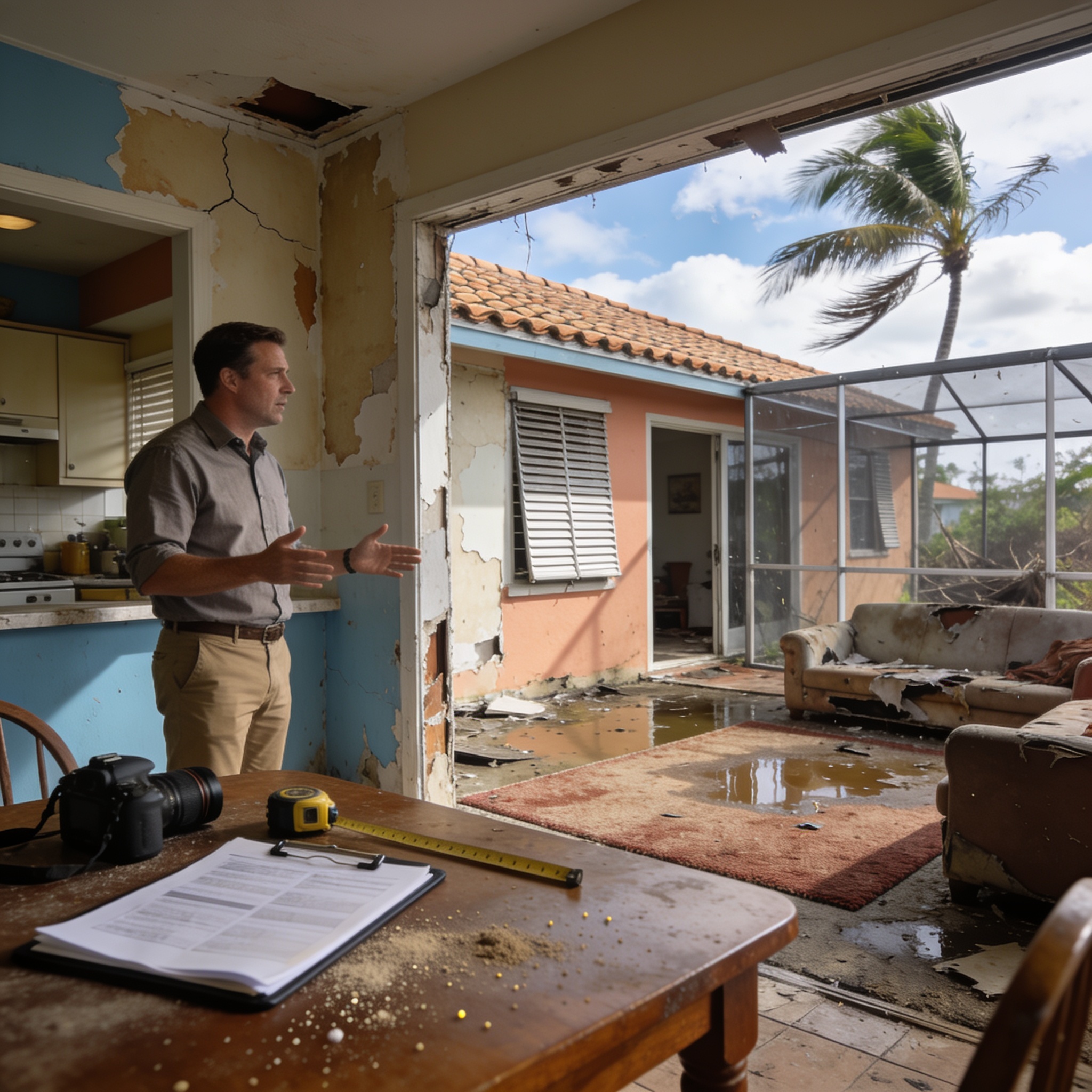
What Is a Sworn Proof of Loss Statement for Property Insurance
?
A sworn proof of loss is a legal document where the insured’s financial demand for property insurance coverage must be sworn to for truthfulness. Under Florida law, this document acts as a formal declaration of the loss, providing the carrier with a clear valuation of the repairs needed for your home. If you fail to comply with this requirement, the carrier may use the omission as grounds to deny your request for payment. This process is governed by specific statutory guidelines, including § 624.155, which protects consumers against unfair claims practices.
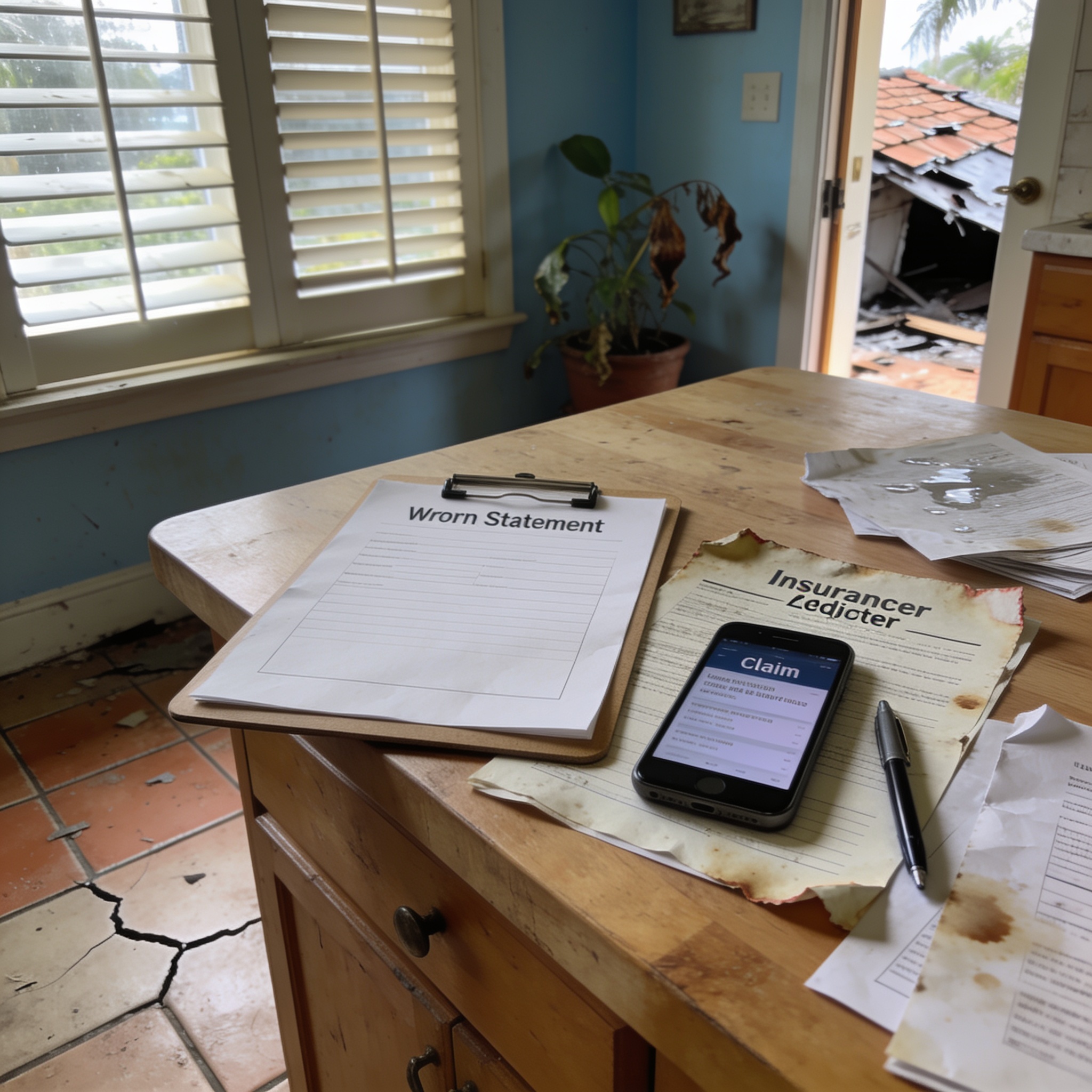
How to Fill Out a Sworn Statement in Proof of Loss for Underpay
Issues
You must follow this 5-step checklist to properly complete your sworn proof of loss for your Frontline Insurance claim and resolve disputes if they attempt to underpay your settlement.
- Gather Comprehensive Documentation: Collect all receipts, photos of the damage, and a detailed line-item estimate from a licensed contractor.
- Calculate Total Damages: Sum the costs of materials and labor required to return your property to its pre-loss condition, accounting for your policy deductible.
- Complete the Form Accurately: Fill out the specific form provided by your adjuster, ensuring all figures match your evidence exactly.
- Notarize the Document: Take the completed form to a notary public to legally swear that the information provided is accurate and complete.
- Submit via Certified Mail: Send the notarized document to your insurance carrier using certified mail to establish a clear paper trail and resolve the matter as quickly as possible.
What Types of Coverage Options
Does Frontline Insurance Offer?
Frontline Insurance provides various coverage options, including standard property insurance, windstorm and hurricane protection, and dwelling fire policies. These policies are designed to protect against common SWFL perils, such as tropical cyclone damage to your roof or interior water damage. Be aware that every policy contains a specific clause or exclusion language that may limit your recovery in a catastrophe.
Is First Protective Insurance Company
and Frontline Legitimate?
Frontline Insurance is a licensed and regulated insurance carrier operating within the state of Florida, though customer experiences may vary significantly based on individual claim outcomes. While some policyholders report satisfaction with prompt service, others have faced disputes regarding the valuation of complex repairs or allegations of bad faith. In 2021, several homeowners sought legal counsel to address frontline’s handling of claims, emphasizing the need for transparency when dealing with horrendous service or a refusal to pay.
What States Does Insurance and Florida
Operations Cover?
Frontline Insurance primarily focuses its business operations within the state of Florida, catering specifically to the unique needs of the coastal market. Their underwriting guidelines are tailored to address the high-risk environment of insurance and Florida, including the frequent threat of catastrophic weather events.
How Does the Insurer
Handle Bad Faith
Procedures?
The company typically assigns an adjuster to inspect your property damage shortly after you report a loss. Following the inspection, they will evaluate the repair costs against your policy terms and conditions to determine the payout amount. If they want to pay only a fraction of the damages or issue a refusal to pay, they must provide a formal denial letter explaining their reasoning. If the pending claim is handled unfairly, it may constitute bad faith.
| Claim Phase | Standard Action |
|---|---|
| Initial Report | Policyholder notifies carrier of damage |
| Field Inspection | Adjuster visits to document the roof or interior |
| Proof of Loss | Insured submits notarized financial summary |
| Settlement | Carrier approves or disputes the estimate |
| Dispute Resolution | Engage an appraiser or law group for punitive damages |
How Do I File a Claim with Frontline Insurance?
To file a claim, you must contact the Frontline Insurance claims department immediately after discovering property damage to start the evaluation process. Prompt reporting is essential, especially when dealing with Water Damage Restoration that can worsen over time. Ensure you have your policy number and photos ready when you initiate the call.
Why Might Frontline Insurance Premiums Increase?
Premiums often increase due to rising reinsurance costs, increased frequency of hurricane activity, and the overall cost of construction materials in the Florida market. These factors force insurance companies to adjust their rates to maintain solvency and meet their financial obligations to all policyholders.
What Should I Do If the Deny
/ Denial
Process Occurs?
If you believe your claim was wrongfully denied or underpaid, you may need to invoke the appraisal process or consult with legal counsel to receive fair compensation. You should first request a formal explanation for the denial, then consider hiring a public adjuster to review the Water Damage Restoration estimate. If the dispute persists, you might explore a civil remedy notice to address potential general business practice violations or bad faith, which could lead to litigation and punitive damages. Always act in good faith when negotiating your settlement.
Frequently asked questions
Addressing common concerns helps homeowners navigate the complexities of the insurance claims process effectively.
What is the deadline for submitting a proof of loss?
Most policies require submission within 60 days of the insurer’s written request, though you should always check your specific policy provision for exact timelines.
Can I hire a contractor before the adjuster arrives?
Yes, you should perform emergency repairs to prevent further Water Damage Restoration, but avoid major permanent repairs until the adjuster has inspected the site.
What if my roof damage is only partially covered?
If the carrier claims only a portion of the roof is damaged, you may need an independent expert to verify the full scope of the loss to support your claim.
Does a public adjuster help with the proof of loss?
A public adjuster can assist in preparing the documentation and estimates required to ensure your sworn proof of loss is accurate and professionally presented.
Our editorial team verifies licensing and reviews for every restoration company in the directory and writes practical, Florida-specific guides to help homeowners act fast and protect their insurance claims after water, fire, mold or storm damage.