Elevation Certificate and Flood Insurance: What You Need to Know
An elevation certificate typically costs between $500 and $1,500 in Southwest Florida, and it serves as the primary document used by your insurance agent to determine your specific flood insurance premium based on your property’s elevation relative to the base flood elevation. Understanding your elevation certificate is essential for homeowners in Lee, Collier, and Charlotte counties to accurately assess your home’s flood risk and manage insurance costs effectively.
Key Takeaways
- An elevation certificate documents your building’s elevation relative to the base flood elevation (BFE).
- Insurance agents use this data to calculate your risk-based premium for a flood insurance policy.
- Properties in high-risk zones, known as Special Flood Hazard Areas (SFHA), often require this documentation.
- You can search for an existing certificate through your local floodplain manager or county records office.
- Even if not strictly required, having an elevation certificate on file can help you verify your home’s flood risk.
- Elevation certificates help determine if a property qualifies for a letter of map amendment to remove it from a high-risk zone.
- Participating communities must adopt a floodplain management ordinance to remain eligible for the national flood insurance program.
What Is a Flood Elevation Certificate and What Does It Do?
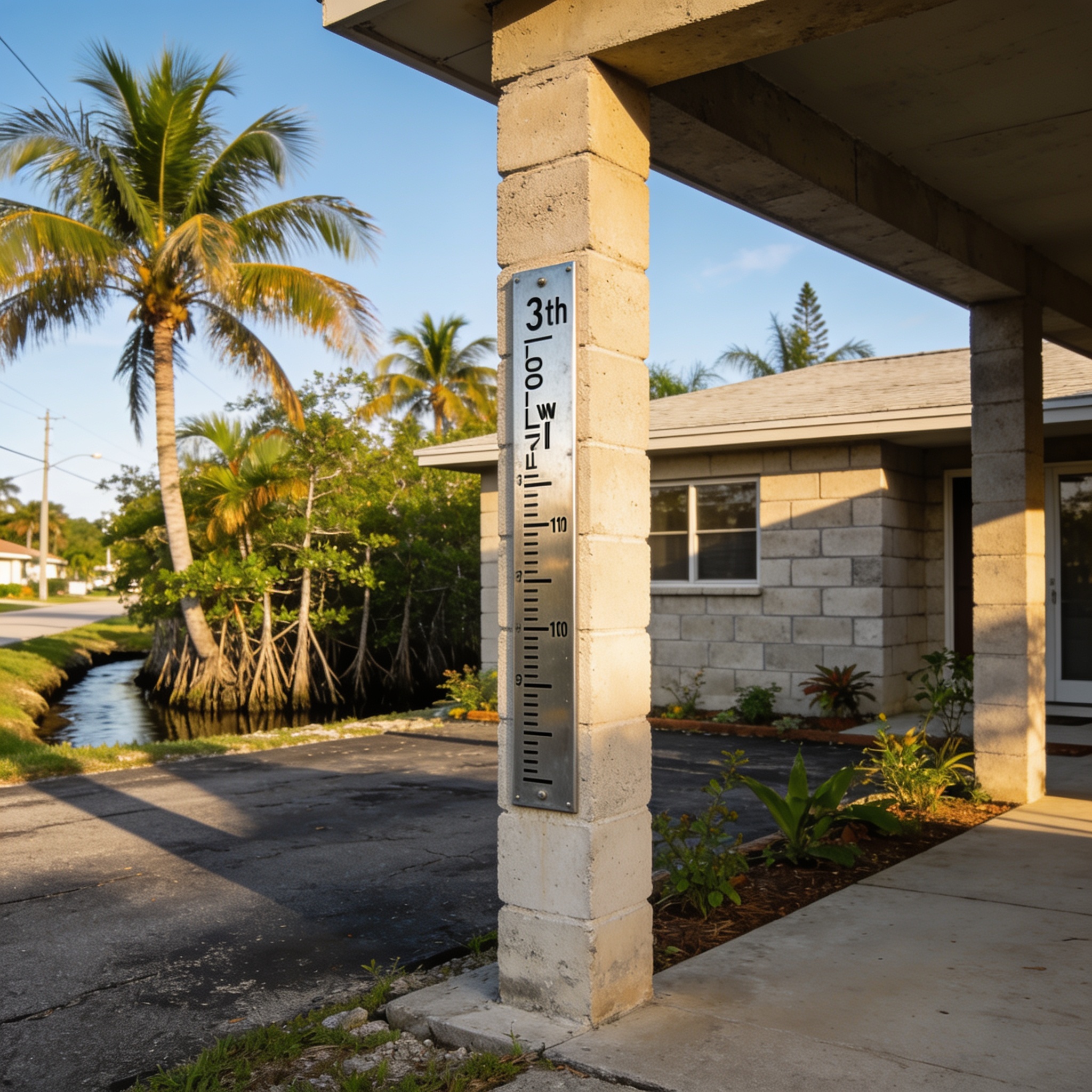
An elevation certificate provides a way to document your building’s elevation in relation to the estimated height of floodwaters during a major flood event. This document is used for insurance purposes to verify the elevation of the lowest floor of your structure. By comparing your building’s elevation to the base flood elevation, the Federal Emergency Management Agency (FEMA) can establish the flood hazard area risk level for your specific property. This process is essential for making flood insurance available to homeowners through the NFIP. The certificate includes critical data points, such as the floor elevation of the lowest floor and the building’s relationship to the prescribed flood elevation.
Who Needs an Elevation Certificate and When Is It Required?
Property owners in a high-risk flood zone generally need an elevation certificate to determine flood insurance rates. If you live in a high-risk area, your lender often requires this document to finalize a mortgage or to ensure you maintain adequate coverage. A certificate is required in order to comply with local floodplain management ordinances, which establish the minimum requirements for reducing flood losses. Furthermore, it is often a legal requirement to certify elevation information when new construction occurs in these zones. Local jurisdictions often use a floodplain management ordinance that specifies how to determine the elevation around a structure to ensure compliance with local floodplain management standards.
Does an Elevation Certificate Affect Your Flood Insurance Rates or Premiums?
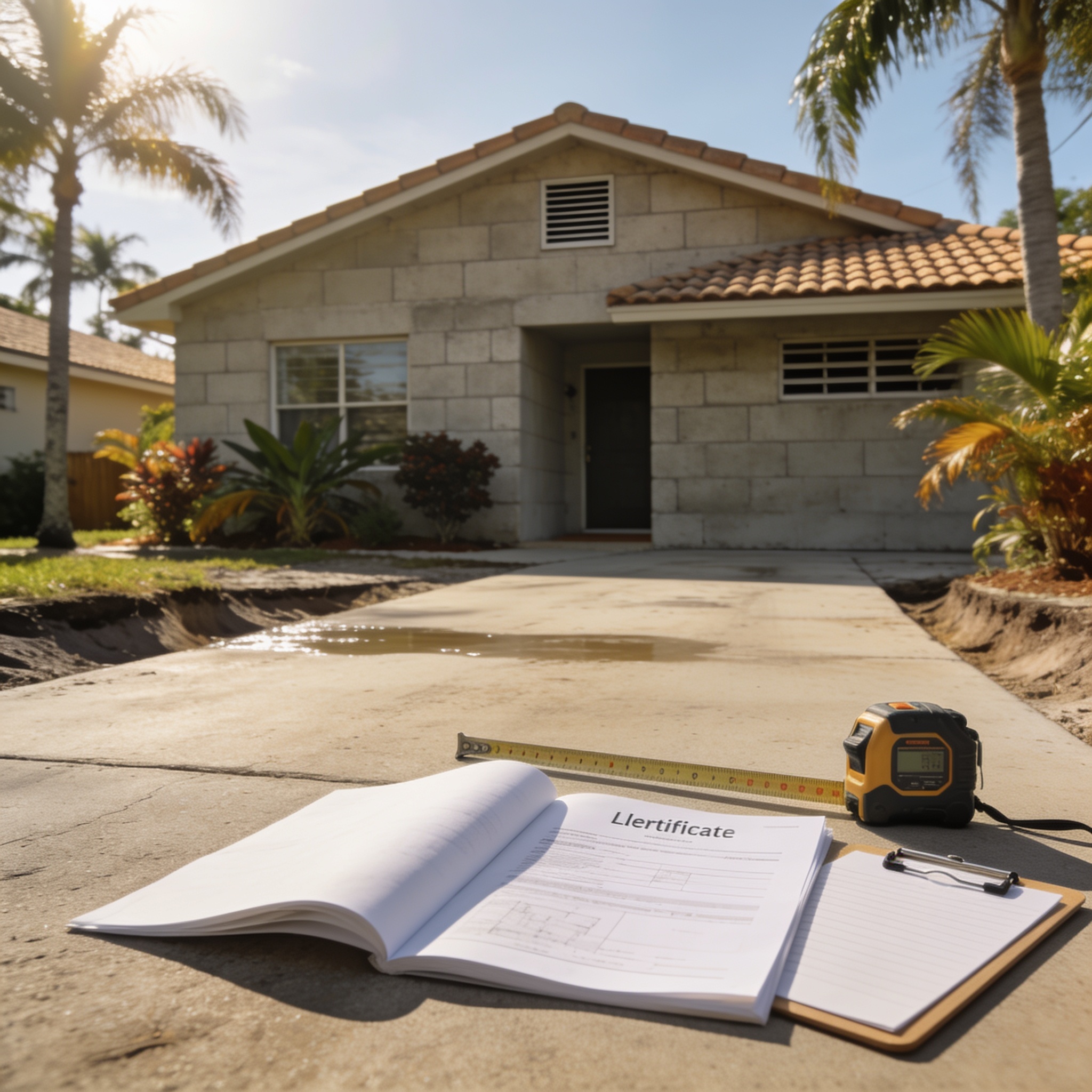
Your specific flood insurance premium is directly influenced by the elevation information provided in your official certificate. When you purchase flood insurance, the insurance agent will use the lowest floor elevation to calculate a risk-based premium. A structure built higher than the BFE may qualify for lower flood insurance premiums compared to a structure built below it. In the event of a major flood, having accurate documentation ensures you are paying a fair rate based on your building characteristics and the publication of the flood insurance rate map.
What Is Excluded from Flood Insurance?
Standard flood insurance policies typically exclude flood damage to land, crops, livestock, and certain detached structures. While the policy covers the building and its foundation, it does not cover the cost of landscaping or personal property kept in a basement. If you experience a disaster, professional Water Damage Restoration is necessary to address structural integrity. Additionally, understanding your home’s flood risk is vital, as policies may have specific requirements for reducing flood losses in areas prone to repetitive damage. To ensure compliance with local floodplain management, property owners should keep their records updated.
Do You Need an Elevation Certificate If You Are Not in a Flood Zone?
An elevation certificate is not required for properties located in low-to-moderate risk zones, though it remains a valuable tool to assess flood risk. Even if your property is outside a Special Flood Hazard Area, having an elevation certificate on file can provide peace of mind. If you reside in areas like Punta Gorda, professional Water Damage Restoration can help you mitigate secondary issues if flooding occurs, regardless of your zone designation.
How Do You Get an Elevation Certificate (and Where Can You Find an Existing One)?
To obtain an elevation certificate, you should first check with your local floodplain manager to see if one is already on file. If no record exists, you must hire a licensed land surveyor to provide elevation information. The surveyor will compare your building’s elevation to the base flood level to complete the official FEMA elevation certificate form. This survey can also support a request to change your flood insurance zones if the data shows the structure is actually above the base flood elevation.
How Much Does a Flood Elevation Certificate Cost?
The cost to get an elevation certificate typically ranges from $500 to $1,500 depending on the complexity of the property. Factors such as the size of the structure and whether the property is based on fill influence the final price. Investing in this survey can be cost-effective if it results in lower premiums. Note that your mortgage lender often requires an elevation certificate to verify if a property is eligible for optional post-firm flood insurance rules.
How Long Is an Elevation Certificate Valid?
An elevation certificate does not technically expire, but it remains valid only as long as the building’s lowest elevation or the surrounding floodplain characteristics remain unchanged. If you have completed major structural renovations or if FEMA updates the local flood map for your area, you may need a new elevation certificate. Always consult with your insurance agent to ensure your current documentation accurately reflects the current state of your property and the flood insurance purchase requirement.
Frequently asked questions
These common inquiries help clarify the role of elevation documentation in your insurance planning.
Does a basement affect my flood insurance?
Yes, the elevation of the lowest floor is critical, and insurance providers often apply different risk factors to structures with basements compared to those on slabs.
Can I use an old certificate from the previous owner?
You can use an existing certificate if the building’s elevation has not changed, though you should verify that the data aligns with current FEMA flood hazard maps.
What is the difference between BFE and my home’s elevation?
The BFE is the regulatory standard for the height of floodwaters, while your home’s elevation is the actual height of your lowest floor relative to sea level.
What happens if I cannot find my elevation certificate?
If your records are missing, you must hire a licensed land surveyor to conduct a new survey to obtain the elevation data required by your insurer.
See also: water damage restoration companies
Our editorial team verifies licensing and reviews for every restoration company in the directory and writes practical, Florida-specific guides to help homeowners act fast and protect their insurance claims after water, fire, mold or storm damage.