Flooded or fire damage right now? Call 24/7 — (239) 555-0199 for an emergency restoration company near you.
Insurance
Does Insurance Cover Roof Damage From Wind? A Homeowner’s Guide
Practical, Florida-specific guidance from our restoration team.
SR
SWFL Restoration Editorial
Nov 26, 2026 8 min read
Key Takeaways
- Most standard homeowners insurance policies cover wind damage as a named peril.
- Your specific hurricane or windstorm deductible often differs from your standard all-peril deductible.
- Documenting the condition of your roof before and after a storm is vital for a successful damage claim.
- Insurance companies may deny claims if they determine the damage resulted from deferred maintenance or aging roof shingles.
- Consulting with a licensed professional roofer before filing a claim can help you assess if the repair and replacement costs exceed your deductible.
Does Homeowners Insurance Cover Wind Damage?
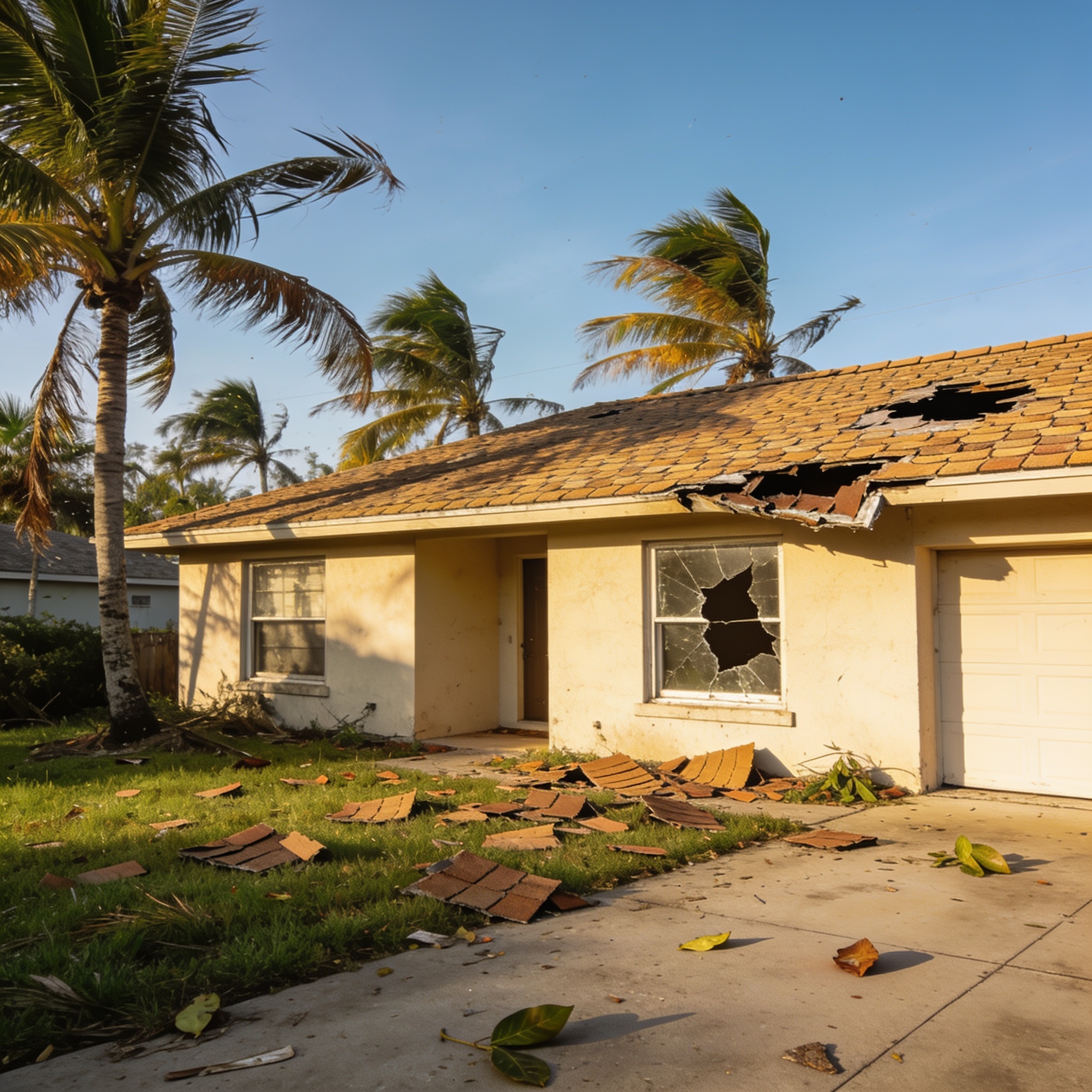
Homeowners insurance policies generally cover roof damage from wind as long as the event is considered a sudden, accidental occurrence. In Florida, most homeowners insurance cover wind damage as a standard provision, though the specific terms can vary significantly between carriers. Because Southwest Florida is prone to tropical systems, many insurance companies require a separate, higher deductible for wind or hail events compared to other types of property damage. You should review your policy declarations page to confirm your specific windstorm damage coverage, as this is the amount you must pay before your insurance provider contributes to the repair. If you experience damage from wind-related incidents, ensure you document the portion of the roof affected immediately.What Is Considered Damage to Roofs by Insurance Companies?
Insurance companies define damage to roofs as physical harm to the roof structure or materials caused directly by high-velocity wind speeds during a storm. This includes damage caused by gusts that lift, tear, or displace roof shingles, as well as structural compromises caused by falling debris or trees. While wind and hail coverage are often grouped together in policies, it is important to distinguish between them during your inspection. If your roof sustains water damage due to a hole created by wind, the resulting interior issues may also be covered under the same claim. For significant interior issues, you may need to look into Is Water Damage Covered by Homeowners Insurance mitigation services to prevent further loss. Note that while wind and water are often linked in storms, you’ll need separate flood insurance for rising water, as standard policies exclude flood damage.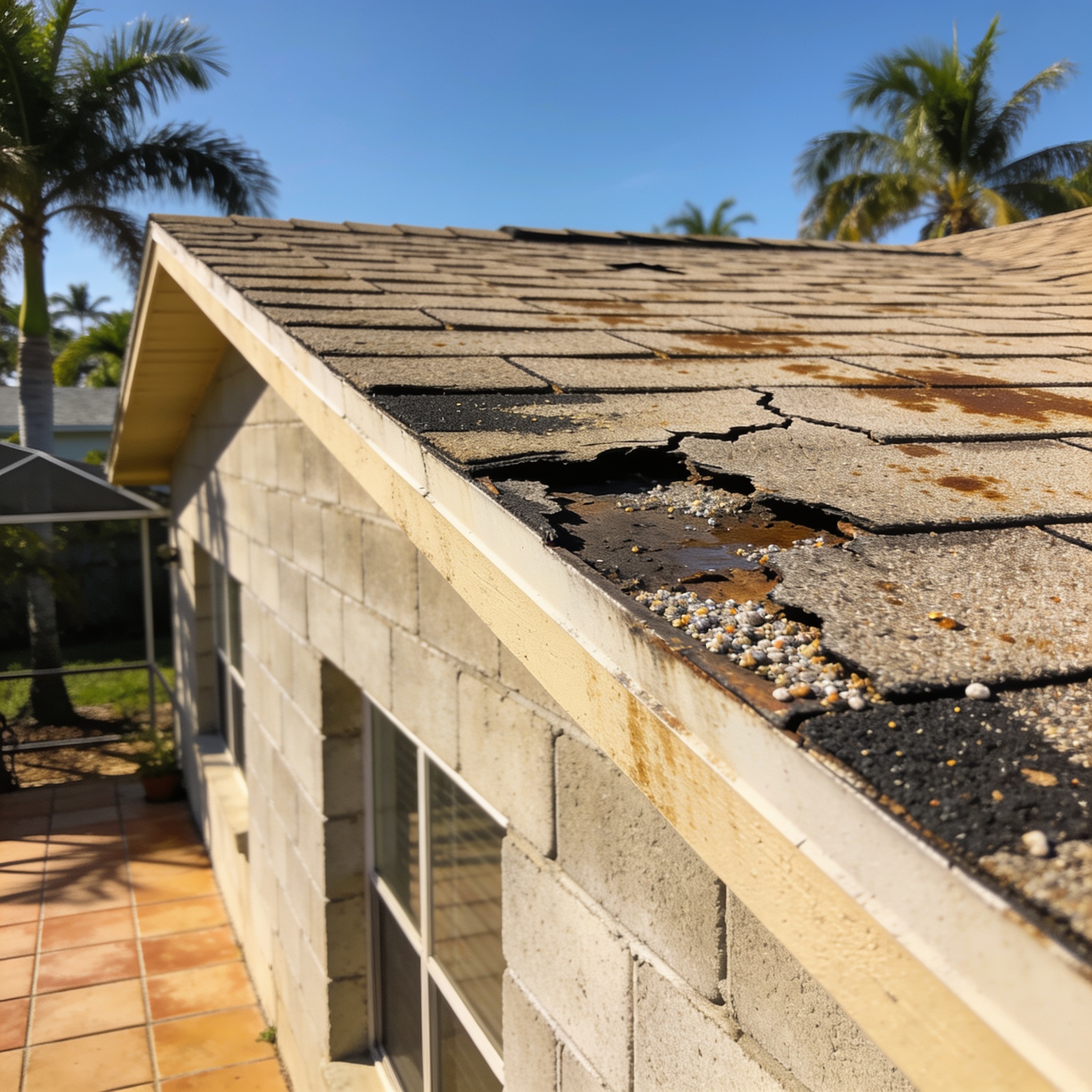
What Are the Common Signs of Shingle Damage?
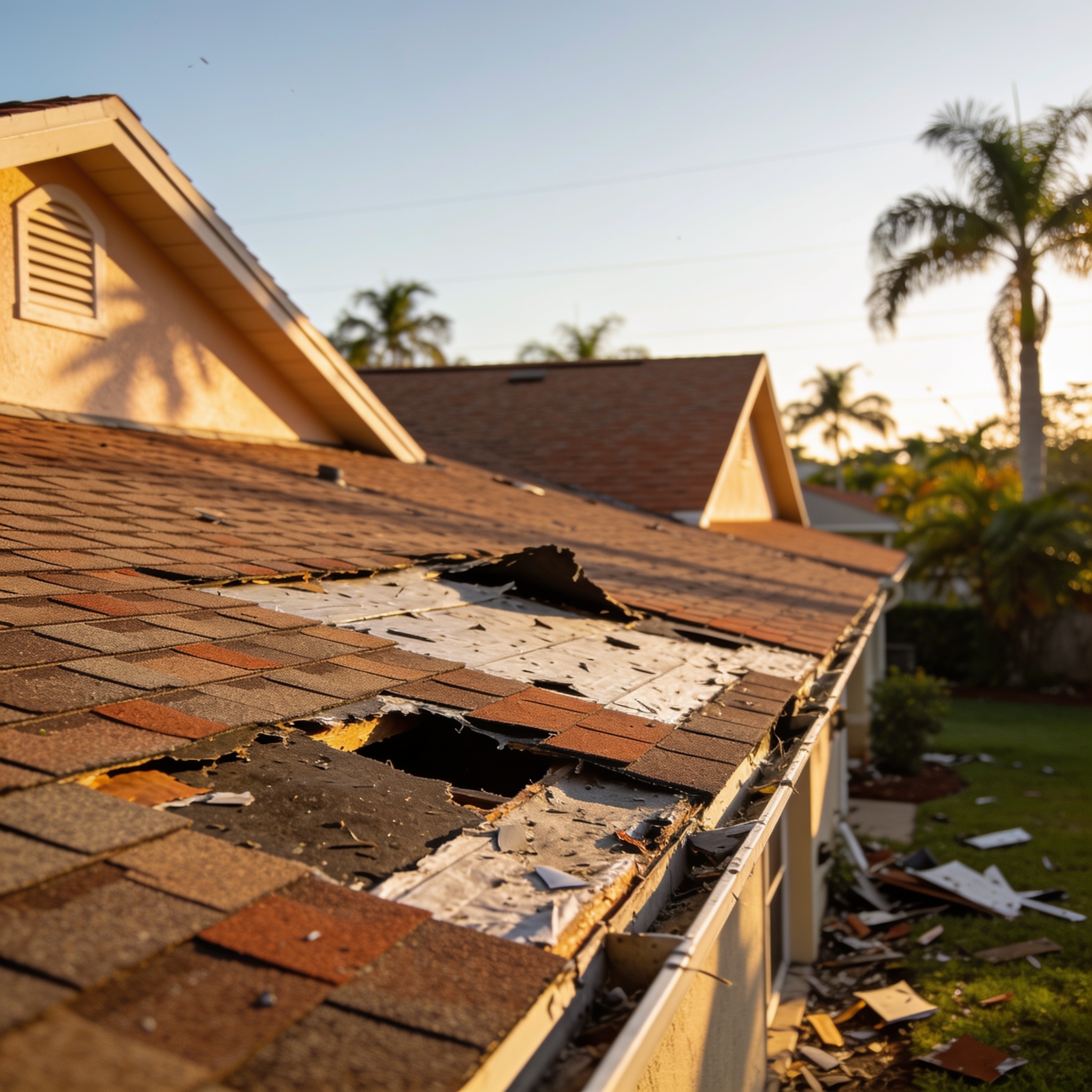
The 5 visual signs of wind damage on a roof are listed below to help you identify potential issues after a storm:- Missing Shingles: You may notice patches of bare roof deck where wind has ripped shingles away entirely.
- Curled or Lifted Shingles: Wind can cause the adhesive seal on asphalt shingles to fail, making them susceptible to rain.
- Granule Loss: Excessive wind can scour the protective granules off your shingles, exposing the underlying asphalt to UV degradation.
- Creased Shingles: A horizontal line or crease across the middle of a shingle often indicates that it was lifted by wind and then folded back down.
- Debris Impact: Visible dents, punctures, or gouges in the roof surface often indicate that wind-blown branches or objects have caused significant damage.
At What Point Will Insurance Policies Not Cover Roof Damage?
Property insurance policies will not cover roof damage if the adjuster determines the issue is the result of long-term wear and tear or deferred maintenance. If your roof is past its expected lifespan or has existing rot, the insurance provider will likely argue that the damage was not caused by a recent windstorm. Furthermore, if you fail to perform routine maintenance, such as cleaning out gutters or replacing loose shingles, the insurance company may cite an exclusion in your policy to deny your claim. It is essential to keep records of all past repairs, as these documents prove you have taken reasonable steps to protect your home. Always be aware of the risk of damage if you neglect minor repairs, as these can eventually cause damage to the integrity of the entire structure.Is It Smart to Submit a Damage Insurance Claim for Your Roof?
Submitting a damage insurance claim is only advisable if the estimated cost of damage repair or a full roof replacement significantly exceeds your windstorm deductible. Filing a claim for minor issues, such as replacing a few shingles, can lead to increased premiums or even policy non-renewal without providing a financial benefit. Before you file a claim, have a reputable local roofer perform a professional inspection to provide an accurate estimate of the damage. If you are in Lee or Collier County, ensure your contractor is familiar with the strict Florida Building Code requirements for wind mitigation. Remember that roof claims are scrutinized heavily; ensure your documentation is thorough.What Steps Should You Take After Your Roof Sustains Storm Damage?
Taking immediate action to document the damage is the most critical step in the insurance claim process. Start by safely photographing all visible damage from the ground; never climb on a roof during or immediately after a storm. Contact your insurance provider as soon as possible to report the incident and ask for a claim number. If the damage has caused interior leaks, contact a professional for Water Damage Restoration to prevent mold growth. Keep all receipts for emergency repairs, such as tarping the roof to prevent further rain damage, as these are often reimbursable. If you find wind damage to a fence or other structures, include those in your report to ensure comprehensive insurance coverage.How Can You Prove Damage Caused by Wind to Insurance Adjusters?
Proving damage caused by wind requires providing clear, date-stamped photographic evidence that links the damage to a specific weather event. Insurance adjusters will look for evidence of wind speeds in your area that correlate with the date of your claim. Providing a professional report from a licensed roofer that details the specific types of wind damage—such as creased shingles or uplifted sections—can significantly strengthen your position. If you live in an area like Punta Gorda, a company specializing in Water Damage Restoration can often provide documentation regarding the extent of the roof failure. If the adjuster disputes your findings, you may need to negotiate with your insurance company to ensure they replace the roof if the damage is widespread.What Should You Do If Your Wind Damage Claim Is Denied?
If your wind damage claim is denied, you have the right to request a detailed explanation in writing and seek a second opinion from an independent adjuster or contractor. Insurance companies sometimes make mistakes or misinterpret the cause of the damage, and you are entitled to dispute their findings. If you believe the denial was made in bad faith, you may need to contact a public adjuster, an insurance claim lawyer, or your state’s department of insurance to help you navigate the process. For those in Port Charlotte, professional assistance with Water Damage Restoration can also help document the scope of the underlying structural issues.How Can You Protect Your Home from Wind?
Regular maintenance and proactive inspections are the most effective ways to protect your home from wind damage. Schedule an annual inspection with a licensed roofer to check for loose shingles on your roof, damaged flashing, and signs of granular loss. Ensure that your roof deck is properly secured to the rafters, as this is a primary point of failure during high-wind events. Keeping nearby trees trimmed back from your roofline will also reduce the risk of structural damage from falling branches during a storm. When it is time to replace your roof, ensure the new materials meet current wind-resistance standards.Frequently asked questions
Understanding the nuances of your policy is the best way to ensure you are prepared for the next storm season in Florida.
Does my standard homeowners insurance cover wind damage?
Yes, most standard homeowners insurance policies include coverage for wind and hail, though you should verify if your policy has a separate, higher deductible for these specific perils. Ensure your policy covers wind or hail damage explicitly.What is the difference between a hurricane deductible and a standard deductible?
A standard deductible is a flat fee, whereas a hurricane or windstorm deductible is typically a percentage of your home’s insured value, which can result in much higher out-of-pocket costs during a major event.How long do I have to file a claim after a windstorm?
While you should report damage as soon as possible, Florida law generally allows homeowners a specific window of time to file a claim, though waiting too long can make it difficult to prove the damage was caused by a specific storm.Will my insurance pay for a full roof replacement?
Insurance will only pay for a full roof replacement if the damage is extensive enough that repair is not feasible or if local building codes require the entire roof to be replaced due to the extent of the damage.Can I choose my own contractor for roof repairs?
Yes, you have the right to choose your own licensed and insured contractor to perform repairs, and you are not obligated to use the company recommended by your insurance provider. SR
SWFL Restoration Editorial
Local restoration research team
Our editorial team verifies licensing and reviews for every restoration company in the directory and writes practical, Florida-specific guides to help homeowners act fast and protect their insurance claims after water, fire, mold or storm damage.