Does Homeowners Insurance Cover Mold Removal? What You Need to Know
Whether your homeowners insurance covers mold depends almost exclusively on whether the mold was caused by a sudden, accidental water event rather than long-term neglect or flooding. In Southwest Florida, where humidity levels frequently exceed 70%, the decisive factor for coverage is proving the mold originated from a covered peril like a burst pipe rather than a preventable maintenance issue. Understanding how insurance coverage works is vital to protecting your property investment. Standard homeowners policies typically define mold as an excluded peril unless it is a direct result of a covered water event.
Key Takeaways
- Most standard homeowners policies exclude mold unless it results from a “covered peril” like a sudden pipe burst.
- Flood damage, including storm surge from tropical cyclones, is never covered by standard home insurance and requires a separate NFIP policy.
- Neglect, such as failing to repair a known roof leak, will almost certainly lead to a claim denial.
- Documenting the exact source of water damage is the most critical step in successfully securing coverage for remediation.
- Professional inspections are essential to distinguish between sudden water damage and long-term moisture accumulation.
- Knowing if mold damage is covered depends on whether the water and mold damage originated from a sudden accident.
What are common signs of mold in your home?
Identifying mold early is the best way to prevent mold in your home from becoming a catastrophic financial burden. Common causes of mold include high humidity, poor ventilation, and undetected leaks. You should look for physical indicators that suggest moisture has compromised your building materials. Proper home maintenance is the first line of defense to prevent mold from growing in hidden areas, as mold can start growing within 24 to 48 hours of moisture exposure.
The 5 visual signs of mold damage
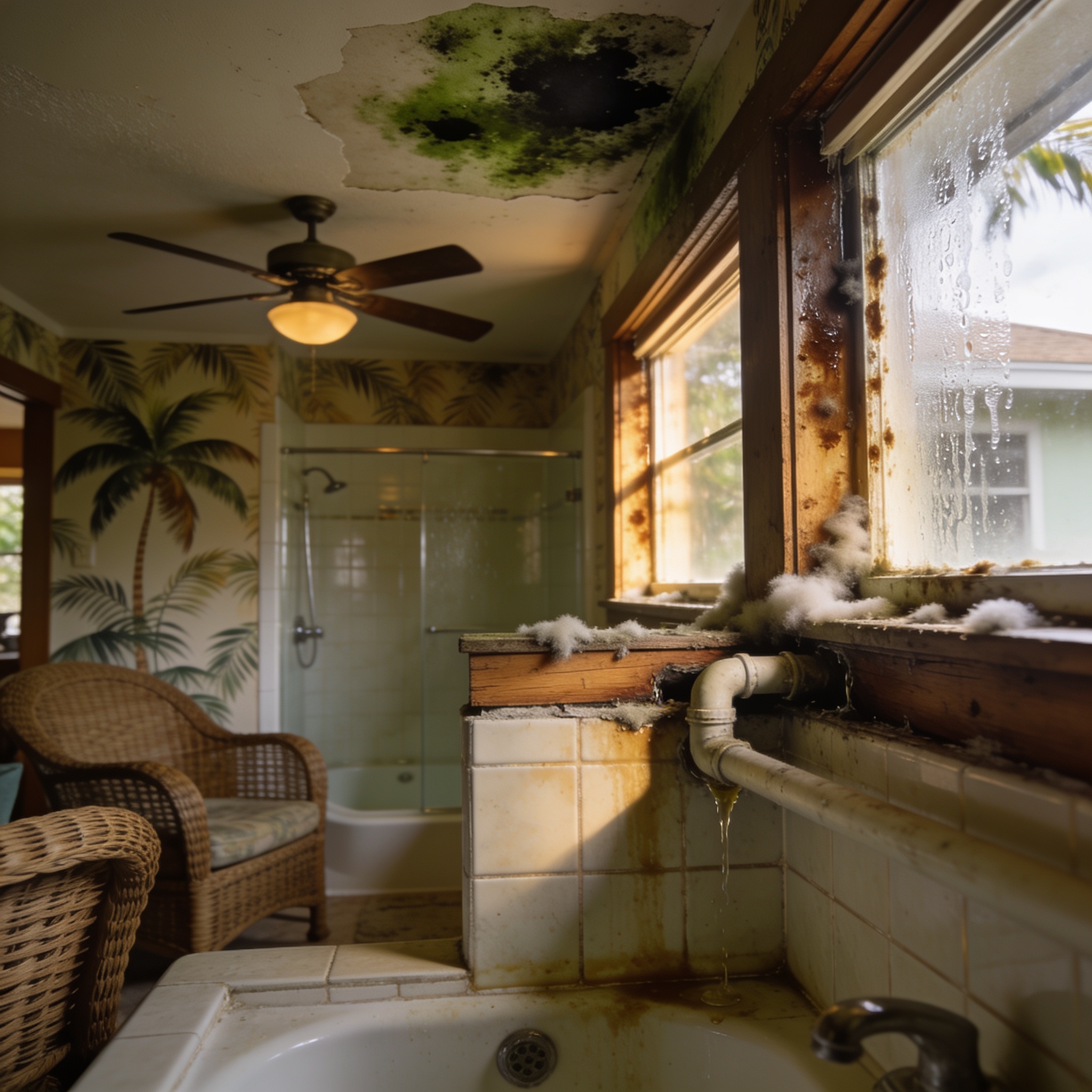
- Visible discoloration on walls, ceilings, or floorboards appearing as black, green, or white fuzzy patches.
- A persistent, musty, or earthy odor that remains even after deep cleaning or using air fresheners.
- Peeling, bubbling, or warping paint and wallpaper, which often indicates hidden water damage behind the surface.
- New or recurring respiratory issues, such as persistent coughing or sneezing, experienced by household members.
- Visible condensation or dampness on windows and HVAC vents, signaling high indoor humidity levels.
When home insurance covers mold and water damage
Your insurance company will typically pay for mold remediation if the mold is a direct result of sudden and accidental water damage. If a pipe bursts inside your wall and the resulting moisture leads to mold growth, the damage to your home is generally considered part of the initial water damage claim. In these instances, mold is covered because it is a secondary consequence of a covered peril. Water damage from a burst pipe is a classic example of when insurance covers mold. You should consult local experts in mold remediation companies near me to document the causal link between the leak and the fungal growth, as insurance companies may require proof that the damage is covered by your insurance policy.
When insurance policies may not cover mold
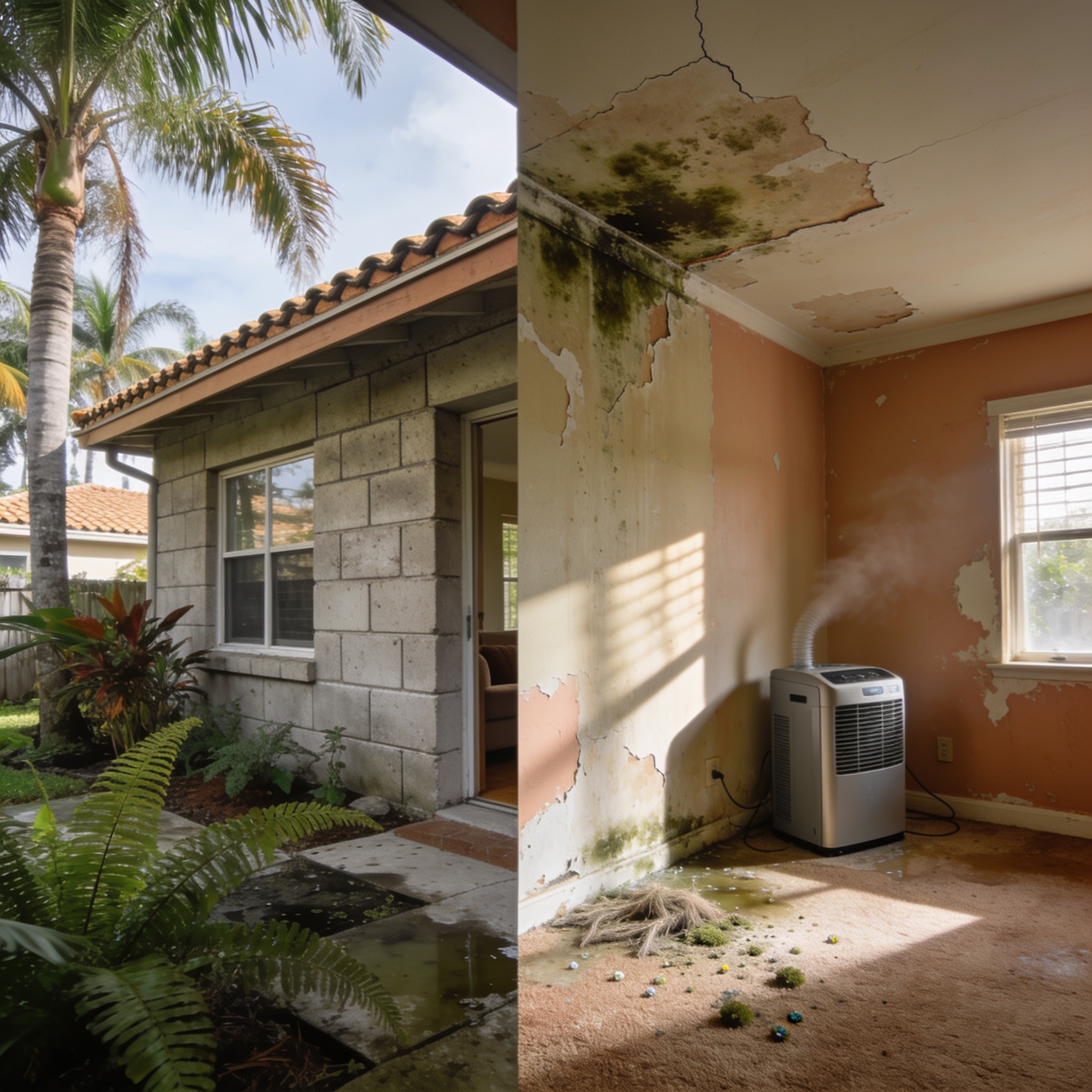
Standard home insurance policies may not cover mold that develops due to long-term maintenance neglect or external flooding. If the mold is caused by a slow, chronic drip that you failed to address, the insurance company will classify this as negligence. Mold caused by neglect is rarely protected. Furthermore, the National Flood Insurance Program (NFIP) notes that damage from rising water or storm surges is excluded from standard policies, requiring a separate flood insurance policy to handle those specific costs. Always remember that a standard homeowners insurance policy is designed for sudden events, not gradual deterioration; therefore, it may not cover mold damage that accumulates over time.
How to file a mold claim
You can file a mold claim if you have clear evidence that the damage originated from a covered peril, but you must weigh the deductible against the total cost of mold remediation. If the cost of repairs barely exceeds your deductible, filing a claim may not be financially wise. Before proceeding, consider if your situation requires professional Water Damage Restoration to stabilize the environment. Your home insurance policy may help cover mold if the cause was a sudden water backup that was not caused by your own negligence. Remember, the insurance company may send an adjuster to verify if the damage is covered.
Understanding hidden water damage
Hidden water damage often causes mold to grow behind drywall or under flooring. Because moisture causes mold, it is essential to identify the source of a water leak immediately. If you can prove the mold was caused by a sudden, accidental event, your insurance covers mold damage as part of the remediation process. Typically cover mold remediation costs only when the underlying cause is a covered peril.
Insurance coverage for mold
When asking if insurance covers mold damage, it is important to review your specific policy. While mold coverage is often limited, many homeowners policies provide a sub-limit for remediation. If you are wondering if mold is covered by insurance, check if your policy includes a specific endorsement for mold coverage. This can help cover mold remediation costs that would otherwise be out-of-pocket.
Will my rates go up if I pay for mold claims?
Filing a claim for mold damage often results in increased premiums or the potential for your policy to be non-renewed by the insurance company. Florida carriers are particularly sensitive to water and mold claims due to the high frequency of tropical weather events. Always verify your specific policy language regarding loss history surcharges. It is helpful to know that while your policy may cover the initial event, subsequent claims can impact your future insurability.
What time of year is worst for mold?
The summer months in Southwest Florida, particularly June through September, represent the peak period for mold growth due to extreme heat and heavy rainfall. High humidity levels create the perfect environment for mold spores to thrive, especially if your home has any compromised seals or roofing. During this time, ensure you are monitoring your home for signs of Water Damage Restoration as rapid response is vital to ensure the issue remains covered by your homeowners insurance.
How do I file a claim with homeowners insurance policies?
The most effective way to file a claim is to document the initial water damage event with time-stamped photographs and a professional assessment. You must notify your insurance company immediately upon discovering the leak. Do not begin repairs until an adjuster has inspected the property, as this can jeopardize your ability to receive a payout. Ensure you have clear proof that the mold develops as a direct result of the covered peril.
What should I do if my mold claim is denied?
If your claim is denied, you should request a detailed written explanation from your insurance company and compare it against your specific policy declarations page. You may choose to hire a public adjuster to review the denial if you believe the insurer misinterpreted the cause of the mold. It is also helpful to reference the is water damage covered by homeowners insurance guide to understand common coverage pitfalls.
How can I prevent mold in your home?
Maintaining consistent indoor humidity levels below 60% is the most effective strategy to prevent mold in your home. Regular home maintenance, such as cleaning gutters and inspecting plumbing under sinks, prevents the small leaks that often lead to mold growth. Use high-quality dehumidifiers in areas prone to dampness, like bathrooms and laundry rooms, to ensure your property remains in a condition that would be covered by insurance.
Frequently asked questions
Understanding the nuances of your policy is essential for navigating the complex world of Florida property insurance.
Does standard home insurance cover mold caused by a roof leak?
Most policies only cover mold from a roof leak if the leak was caused by a sudden, covered event like a windstorm, rather than general wear and tear.
Is mold covered by flood insurance?
Standard flood insurance may cover mold damage if the mold was a direct result of floodwater entering the home, provided the policyholder acted to mitigate damages.
What is the average cost of mold remediation?
Costs vary widely, but professional remediation in Florida typically ranges from $1,500 to $6,000 depending on the square footage and the extent of the infestation.
Can I clean up mold myself?
Small patches of mold on non-porous surfaces can sometimes be cleaned, but professional remediation is required for large areas or mold inside HVAC systems.
| Source of Moisture | Likelihood of Coverage |
|---|---|
| Sudden Pipe Burst | High (if sudden and accidental water damage) |
| Chronic Roof Leak | Low (often excluded as maintenance) |
| Storm Surge/Flood | None (Requires separate Flood Policy) |
| High Humidity/Neglect | None (Owner responsibility) |
| Mold covered by insurance | Depends on if mold damage is covered by your policy |
Our editorial team verifies licensing and reviews for every restoration company in the directory and writes practical, Florida-specific guides to help homeowners act fast and protect their insurance claims after water, fire, mold or storm damage.