Does Home Insurance Cover Roof Leak Damage? What You Need to Know
Homeowners insurance cover roof leaks specifically when the damage is caused by a sudden, accidental peril like a hurricane or falling tree, but it typically excludes maintenance-related issues or wear and tear. In Southwest Florida, where tropical storms are frequent, your specific policy language is the decisive factor in whether your claim is approved or denied. Maintaining your roof helps protect your home from unnecessary damage, ensuring you remain eligible for coverage when a legitimate disaster strikes. By prioritizing consistent roof upkeep, you can better protect your roof against premature degradation.
Key Takeaways
- Most policies only cover roof damage resulting from sudden, unexpected events like wind or hail.
- General wear and tear or lack of maintenance is almost never covered by insurance providers.
- The age of your roof significantly impacts your ability to secure full replacement cost coverage.
- Documenting damage immediately and contacting your insurance provider is essential for a successful claim.
- Florida’s unique building codes, such as the 25% rule, may influence whether you need a full roof replacement.
When does homeowners insurance cover roof leaks?
Homeowners insurance generally covers a roof leak if the damage is the direct result of a “covered peril” identified in your policy. Insurance companies typically define these perils as sudden, accidental events such as windstorms, lightning, or falling objects. In Lee, Collier, and Charlotte counties, this often includes damage sustained during a named hurricane or tropical storm. Insurance typically covers the cost to repair the damage if the event is sudden and accidental. Homeowners insurance may help pay for these repairs, provided the damage was not caused by neglect.
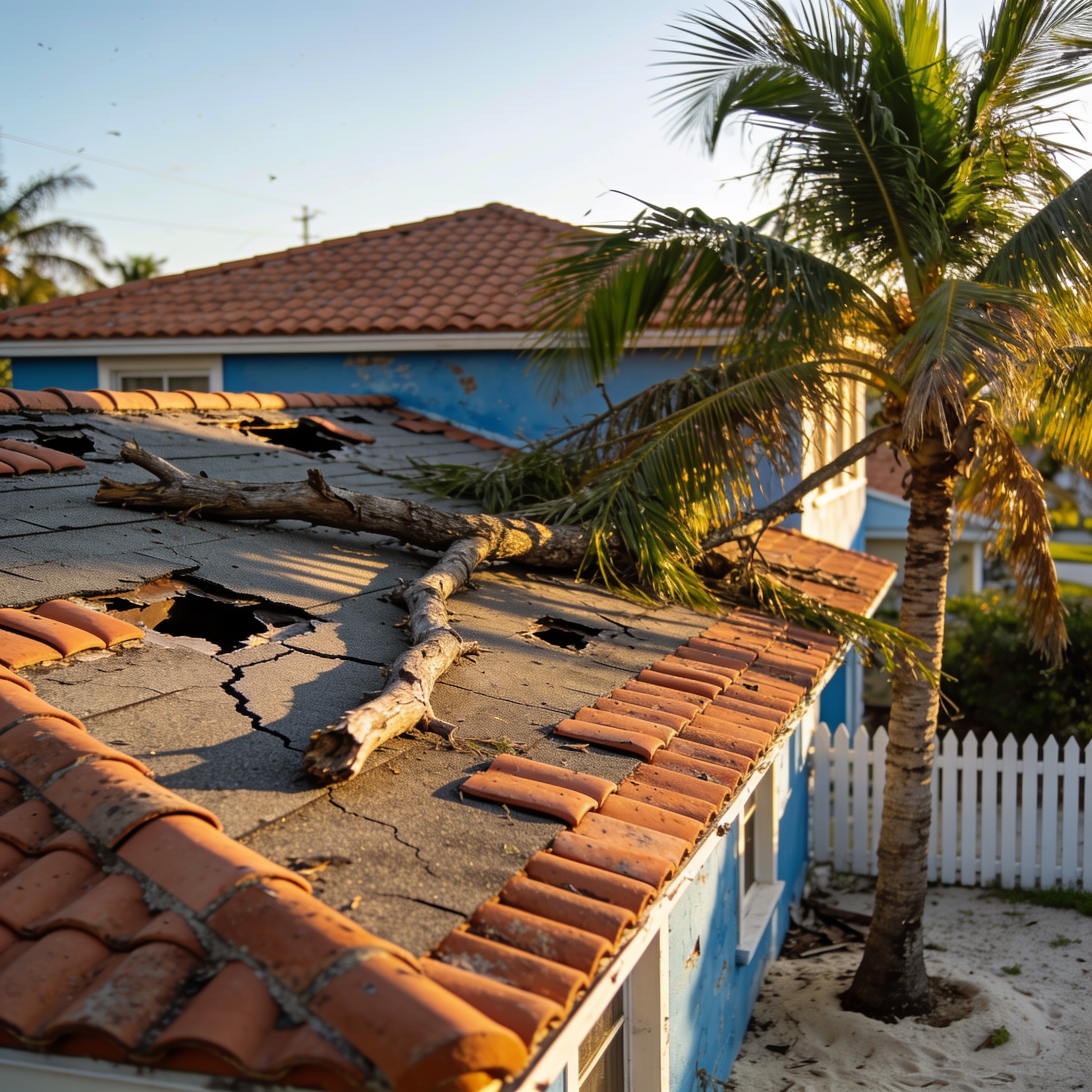
Insurance policies are designed to protect your home against unpredictable disasters rather than the natural degradation of building materials. If a tree falls onto your roof during a storm, the resulting leak is usually a valid claim. Conversely, if the roof is simply old and begins to leak during a standard rain shower, the insurance company would classify this as maintenance, not a covered loss. Situations in which homeowners insurance provides support are limited to sudden, accidental events. A roof leak is usually covered only when it stems from a specific, named peril in your policy.
What types of roof damage are not covered by insurance?
Insurance won’t cover roof damage that stems from long-term neglect, poor installation, or normal aging processes. Most standard homeowners insurance policy documents explicitly state that they will not pay for damages caused by the gradual deterioration of materials. This is a critical distinction for property owners in humid, high-heat environments like SWFL, where a metal roof or shingle system can degrade faster due to intense UV exposure. Insurance will not pay for damage that is clearly the result of deferred maintenance.
Standard policies typically exclude damage caused by pests, mold growth that occurred over time, and improper roof maintenance. If you fail to address a small, known leak for months, the resulting interior destruction is often denied because it is considered preventable. Always review your policy to see if it lists specific exclusions for certain types of roof materials or age-related conditions. Remember that leaks caused by lack of care are the homeowner’s responsibility.
Does homeowners insurance cover water damage from a leaking roof?
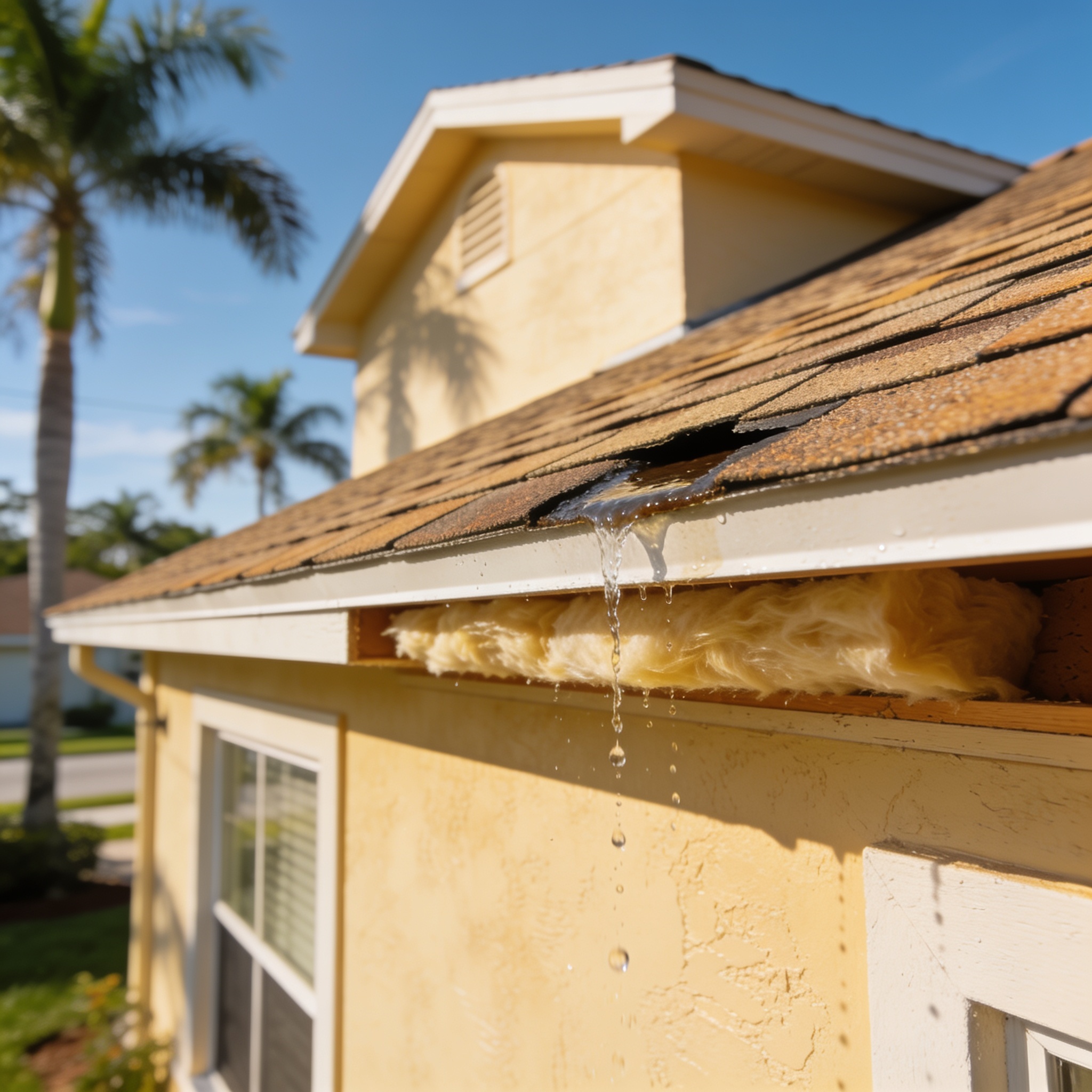
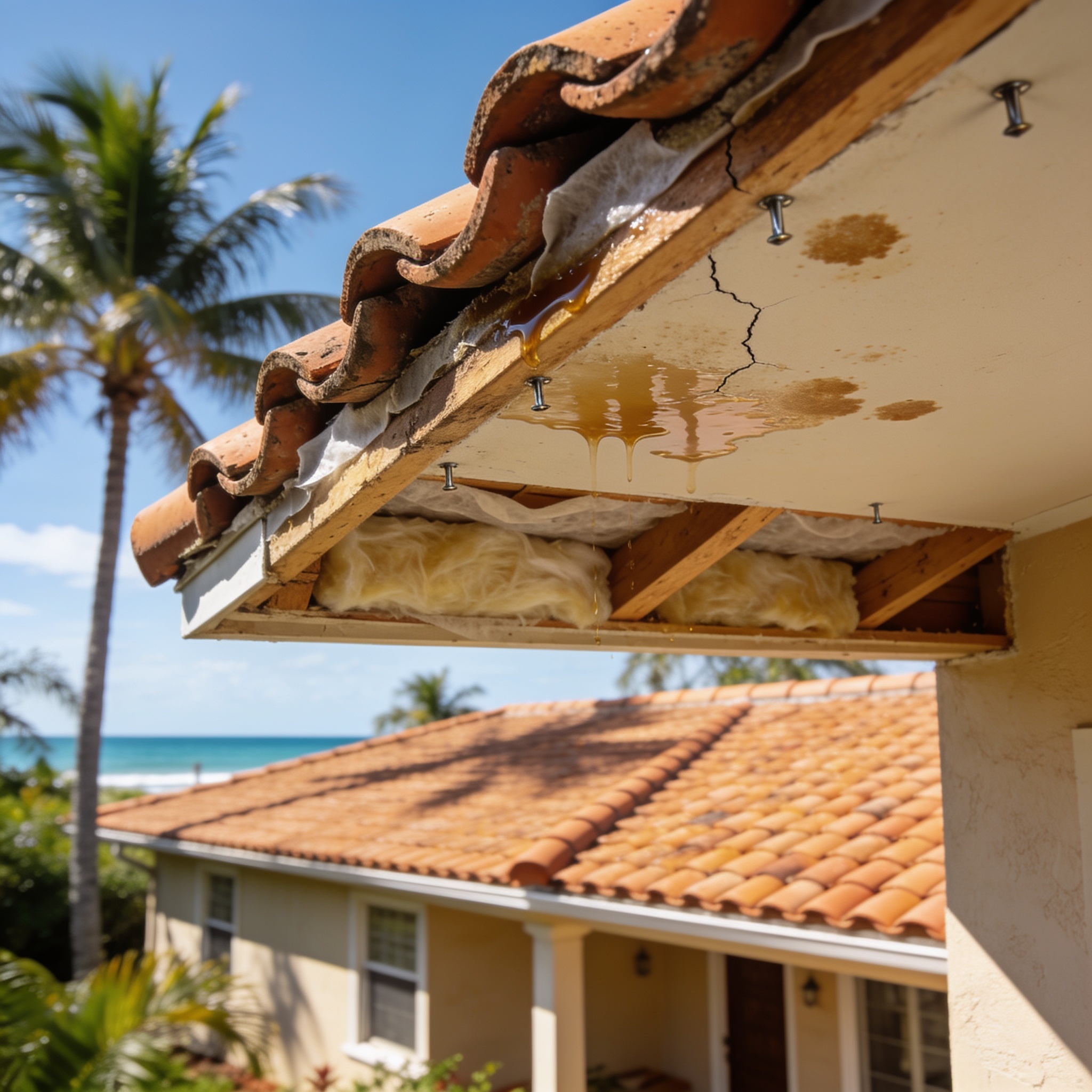
Homeowners insurance may cover water damage from a leaking roof if the leak itself was caused by a covered peril. If a storm tears off shingles and allows water to enter your home, the policy may help cover the cost of the Water Damage Restoration to your ceilings, walls, and flooring. A policy may cover a roof leak if the damage is sudden, but it doesn’t cover damage from long-standing, unrepaired leaks. Homeowners insurance may pay for the resulting interior restoration if the roof failure was an insured event.
Insurance providers distinguish between sudden water intrusion and long-term moisture accumulation when evaluating a claim. If you discover internal water damage, you should contact a professional for Water Damage Restoration immediately to mitigate further loss. While waiting for help, avoid placing buckets under leaks if it puts you in danger, but do document the water intrusion thoroughly. Roof leaks that result from storm damage are generally the primary focus of an insurance adjuster during their site visit.
Can I claim a leaking roof on my homeowners insurance?
You can file a claim for roof damage if you believe the issue was caused by a specific, covered event rather than routine aging. Before you file a roof claim, perform a visual inspection of the roof from the ground or hire a licensed professional to verify the cause of the leak. If the damage appears to be from a storm, document everything with photos and videos before any temporary repairs are made. Homeowners insurance will cover damage if you can prove an external event caused your roof leak.
Many homeowners make the mistake of filing a claim for minor damage that falls below their deductible, which can negatively impact their future premiums. If your deductible is $2,500 and the repair cost is $1,500, filing a claim is not financially beneficial. Always consult with a reputable contractor to get an estimate before alerting your insurance company. Understanding how insurance claims work is vital before you initiate the process.
How do I file a roof leak insurance claim?
To file a claim, you must notify your insurance provider as soon as the damage is discovered and provide detailed evidence of the event. Start by documenting the exact location of the leak and any interior damage it has caused to your living space. If you are located in the region, seeking Water Damage Restoration can help ensure the structural integrity of your home is maintained while the claim is processed.
Proper documentation is the single most important factor in ensuring your insurance company processes your request fairly. Keep a detailed log of all communications with your adjuster and save receipts for any emergency tarping or temporary repairs you perform to prevent further damage. Do not dispose of damaged materials until the adjuster has had the opportunity to inspect them.
Does the age of my roof impact my insurance coverage or premiums?
The age of your roof is a primary factor insurance companies use to determine whether they will offer full replacement cost or only actual cash value. In Florida, many insurance providers will refuse to write a new policy or will limit coverage if a roof is older than 15 or 20 years. An old roof is seen as a high-risk liability because it is more likely to fail during a storm. Your policy might offer either actual cash value or replacement cost, which significantly changes your out-of-pocket expenses.
Insurance companies often require a roof inspection for older homes to verify the remaining life expectancy of the shingles or metal panels. If your roof is nearing the end of its life, you might find that your policy only pays out the depreciated value of the roof rather than the cost of a new roof. Upgrading to an impact-resistant roof may help you qualify for better coverage or lower premiums in the future.
What is the 25% rule in roofing?
The 25% rule is a Florida building code requirement stating that if more than 25% of a roof is damaged or repaired within a 12-month period, the entire roof must be brought up to current building code standards. This rule is vital for homeowners because it often forces a full roof replacement rather than a simple patch job. If your insurance policy includes “ordinance or law” coverage, it may help cover the extra costs associated with these code upgrades.
Understanding the 25% rule can be the difference between a small repair and a complete roof replacement project. If your roof is damaged by a storm, ensure your contractor is aware of this code, as it significantly changes the scope of work. Always check with your local building department in Lee or Collier County to confirm how this rule applies to your specific property.
What happens if a roof leak is left untreated?
Leaving a roof leak untreated leads to secondary damage, including wood rot, mold growth, and structural failure, none of which are typically covered by insurance. When water enters your home, it quickly saturates insulation and drywall, creating an environment where mold can thrive within 24 to 48 hours. Insurance providers view this as “neglect,” which is a standard exclusion in almost every homeowners policy.
Preventing the spread of water is your responsibility as a homeowner, and failure to act can void your coverage for the resulting damage. If you see signs of a leak, such as water spots on the ceiling or sagging drywall, you must take immediate steps to stop the water. Ignoring these signs will only increase the total cost of repairs and decrease the likelihood of a successful insurance payout.
How much does it cost to repair a leaking roof?
The cost to repair a leaking roof in Southwest Florida typically ranges from $500 for a minor shingle replacement to over $15,000 for complex flashing repairs or significant structural work. If the leak is caused by a covered peril, the insurance company will pay the cost to repair or replace your roof, minus your deductible. However, if the leak is due to wear and tear, you are responsible for 100% of the repair costs. Securing a professional roof repair is essential for a damaged roof.
| Repair Type | Estimated Cost Range | Coverage Note |
|---|---|---|
| Minor Shingle Patch | $300 – $800 | Depends on cause |
| Flashing/Vent Repair | $500 – $1,200 | Depends on cause |
| Underlayment Replacement | $1,500 – $4,000 | Depends on cause |
| Full Roof Replacement | $10,000 – $30,000+ | Policy dependent |
| Roof coverage | Varies by policy | Check your deductible |
Getting multiple estimates from licensed, local contractors is the best way to ensure you are paying a fair market rate for your repairs. Prices can fluctuate based on the type of roofing material, the pitch of your roof, and the current labor market in your specific county. Always verify that your contractor is licensed and insured before allowing them to perform work on your property.
How can I prevent roof leaks and maintain my roof?
To prevent roof leaks, you must conduct regular roof maintenance, such as clearing debris from gutters and inspecting flashings for signs of cracking. In the high-humidity environment of Southwest Florida, keeping your roof clean and free of organic growth is essential to extending its lifespan. Routine inspections can help you identify a small problem before it becomes a major, expensive catastrophe.
Proactive roof maintenance is the most effective way to protect your home from water intrusion and ensure your insurance coverage remains valid. Schedule a professional inspection at least once a year, preferably before the start of the Atlantic hurricane season. By investing in the upkeep of your roof today, you save yourself the stress and financial burden of a leaky roof tomorrow.
Frequently asked questions
Understanding the nuances of your policy can help you navigate the complex process of managing roof-related insurance claims.
Does homeowners insurance cover a roof leak caused by old age?
No, standard homeowners insurance policies do not cover damage resulting from wear and tear or the natural aging of roofing materials. You are responsible for the cost of replacing an old roof that has reached the end of its useful life.
Will my insurance premiums go up if I file a roof claim?
It is common for insurance premiums to increase after filing a claim, especially if the claim is for a significant amount or if you have filed multiple claims in a short period. Always weigh the cost of the repair against the potential increase in your long-term insurance costs.
What should I do if my insurance claim is denied?
If your claim is denied, you have the right to request a formal explanation from your insurance provider and may choose to hire an independent public adjuster to review the decision. You can also provide additional evidence or an independent inspection report to support your case for a reversal.
Are flat roofs covered differently than pitched roofs?
Insurance companies often view flat roofs as higher risk due to their tendency to pool water, and some policies may have specific endorsements or exclusions regarding flat roof materials. Always verify your specific policy terms if you have a flat roof section on your home.
Does my deductible apply to every roof claim?
Yes, your deductible is the amount you must pay out-of-pocket before your insurance coverage kicks in for any approved claim. Ensure you have a clear understanding of your current deductible amount before an emergency occurs.
Our editorial team verifies licensing and reviews for every restoration company in the directory and writes practical, Florida-specific guides to help homeowners act fast and protect their insurance claims after water, fire, mold or storm damage.