Do You Need Receipts to Claim Contents Insurance? Your Options Explained
You do not need a physical receipt for every single item to successfully file a contents insurance claim, as most insurers accept alternative evidence like photos, credit card statements, or manuals to establish value and ownership. While having a paper trail is ideal, Florida homeowners in hurricane-prone zones like Lee or Collier County often find that secondary documentation is sufficient to satisfy the requirements of their insurance provider. When you need to make a claim, protecting your belongings with a comprehensive contents cover plan is essential to ensure you can cover the cost of replacement after a disaster. Always consider the product disclosure statement provided with your contents insurance policy to understand your specific coverage limits.
Key Takeaways
- Physical receipts are the gold standard for proof of purchase but are not the only form of evidence accepted by insurers.
- Digital records, such as bank statements or email confirmations, serve as valid proof of ownership for most contents claims.
- Creating a home inventory with photos and videos before a disaster occurs simplifies the claim process significantly.
- Insurers typically use the “actual cash value” or “replacement cost” basis to determine your payout, regardless of whether you have the original receipt.
- If a claim is denied due to lack of documentation, you have the right to appeal through your insurer’s internal dispute resolution process.
Can You Claim on Contents Insurance Without a Receipt?
You are legally entitled to make an insurance claim without a receipt if you can provide other credible evidence of ownership and value. Many homeowners in Southwest Florida lose their documentation during catastrophic events like Hurricane Ian, and insurance companies are accustomed to handling these situations. While a receipt is the most direct proof, your insurer will generally work with you to verify your personal property through other means. If you are dealing with significant destruction, you may require professional Water Damage Restoration to secure your property while you compile your inventory list. When you make an insurance claim, remember that you are simply providing the necessary information for the insurance claim process to begin. If you have got proof of your transaction, such as a digital confirmation, use it to support your make a contents insurance claim request.
What Proof Do You Need for Contents Insurance Claims?
To successfully process a claim, you need to provide enough evidence to convince a claims assessor that you owned the item and to establish its approximate market value. Most insurance policies require a minimum of proof for assessment, which includes details such as the make and model and age of the damaged or stolen items. In regions like Charlotte County, where flood damage is common, your insurer may ask for proof of purchase to make a determination on high-value items such as jewellery or electronics. You usually need to demonstrate that the item existed in your home prior to the incident. Always check your specific product disclosure statement to see exactly what documentation your insurer mandates. It is helpful to give your insurance company as much detail as possible about the items in your home to expedite the review.
How Can You Prove Ownership of Items Without Receipts?
There are several effective ways of proving ownership even if they can’t provide a formal receipt, including using digital financial records and visual evidence. You can use a bank statement or credit card transaction history to show when and where you bought the item. Furthermore, a photo of the item taken during a holiday or a family gathering can serve as proof that the item was in your home. If you are currently facing property damage, you might need Water Damage Restoration to mitigate further loss while you gather these documents. If you don’t have receipts, you are still able to provide alternative evidence to support your contents insurance claim without receipts. When exploring ways of proving ownership without traditional paper receipts, focus on digital logs or a card to purchase history.
The 5 visual signs of black mold
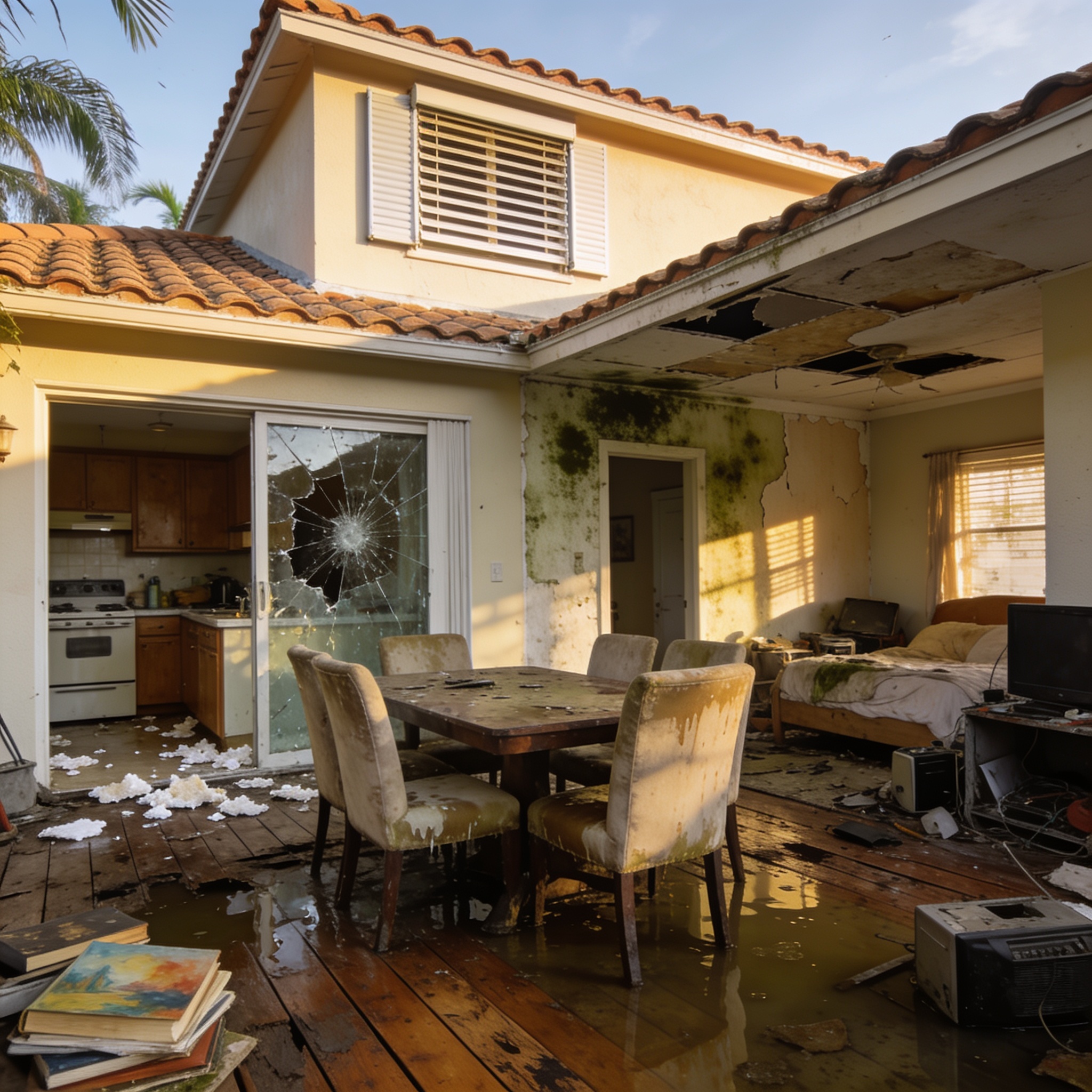
If you are documenting contents damage, you must also identify if mold has compromised your belongings, as these items may be deemed a total loss claim.
- Fuzzy or velvety textures appearing on fabrics, leather, or wood surfaces.
- Discoloration that presents as dark green, black, or gray patches on porous materials.
- A persistent, musty odor that remains even after the area has been dried out.
- Visible spore clusters spreading across damp drywall or furniture backing.
- Warping or bubbling of surfaces, which often indicates deep-seated moisture and fungal growth.
What Happens If You Don’t Have Proof of Purchase for a Claim?
If you lack a formal receipt, your insurer may rely on the “actual cash value” of the item rather than the replacement cost. They will consider the age, wear and tear, and current market value of the item when calculating your settlement. While you don’t need to worry about being automatically denied, the burden of proof shifts to you to provide as much detail as possible about the item’s specifications. If you are struggling with property recovery, professional Water Damage Restoration teams can help document the state of your damaged belongings for your claim. Be aware that insurance fraud is a serious crime, so ensure all documentation provided is accurate. You need proof of purchase or a reasonable substitute to validate the purchase when you make your claim, and your insurer may replace the item if they are satisfied with your evidence.
How Do You File a Contents Insurance Claim Step by Step?
The process begins by notifying your insurance provider immediately after the loss or damage occurs. First, secure your home to prevent further damage and take photos or videos of the entire scene. Second, create a comprehensive list of every item that was damaged or stolen, including the approximate date of purchase. Third, submit your claim form along with any available evidence, such as manuals, warranties, or digital statements. Finally, cooperate fully with the claims assessor when they visit your property to inspect the losses. When you claim on my contents insurance, you are initiating a formal request for your contents policy to trigger coverage.
Is It Worth Claiming on Home Contents Insurance?
It is generally worth claiming on your contents insurance if the total value of your losses significantly exceeds your policy deductible. You should weigh the cost of the deductible against the potential increase in your future premiums. For minor losses, such as a single damaged appliance, it may be more cost-effective to replace the item yourself. However, for major events affecting multiple rooms, filing a claim is the primary purpose of your home insurance cover.
What Should You Do If Your Contents Insurance Claim Is Rejected?
If your claim is rejected, you have the right to request a formal explanation and initiate an internal dispute resolution process. Review your policy number and the specific reasons provided by the insurer for the denial. If you remain unsatisfied, you can escalate the matter to the Financial Ombudsman Service. They provide an independent review of disputes between consumers and insurance companies. Never accept a denial without first verifying the reasoning against your original policy terms.
How Soon Can You Make a Claim After Buying Contents Insurance?
You can make a claim as soon as your policy is active, provided the damage occurred after the policy start date. Most insurance policies have an immediate start, but some may have waiting periods for specific types of coverage. Always check your policy documents to confirm your coverage start date. Buying this insurance well before hurricane season is the best way to ensure you are protected when you need to make an insurance claim.
Can You Get Cash Instead of a Replacement Item for a Claim?
Most insurance companies offer the option of a cash settlement, though they may deduct depreciation from the total amount. While many policies prefer to replace the item with a new one of similar quality, you can often negotiate for a cash payout if you prefer. This is common when you want to upgrade an item or choose a different brand than the one that was lost. Be aware that the cash settlement may be lower than the original purchase price due to the item’s age at the time of the loss.
How Can You Make the Contents Insurance Claims Process Easier?
The best way to simplify the claims process is by maintaining a digital home inventory of your belongings before disaster strikes. Keep receipts for high-value items such as jewellery in a secure, cloud-based storage system. Taking a video walkthrough of your home once a year provides invaluable evidence of what you owned. By being proactive, you ensure that even if you don’t have receipts for every item, you have the necessary documentation to prove ownership and value.
Frequently asked questions
Understanding the nuances of your policy can save you significant time and stress during the recovery process.
Does a bank statement count as a receipt?
Yes, a bank statement showing the date, merchant, and amount of the purchase is widely accepted by insurers as valid proof of purchase.
What if my items were gifts?
If you received an item as a gift, you can provide photos of the item in your home or ask the giver for any documentation they might have kept.
Are high-value items covered differently?
Yes, items such as jewellery or rare collectibles often require a professional valuation or a separate endorsement on your policy to be fully covered.
Will my premiums increase if I make a claim?
It is possible for premiums to increase after a claim, but this depends on your insurer’s policies and your overall home insurance claims history.
| Evidence Type | Acceptability | Best Use |
|---|---|---|
| Original Receipt | High | High-value electronics/jewelry |
| Bank/Credit Statement | High | General household items |
| Photos/Videos | Medium | Proving existence/condition |
| User Manuals/Boxes | Low | Proving model/specifications |
Our editorial team verifies licensing and reviews for every restoration company in the directory and writes practical, Florida-specific guides to help homeowners act fast and protect their insurance claims after water, fire, mold or storm damage.