Do You Get Depreciation Back on an Insurance Claim? A Simple Explanation
You can get depreciation back on an insurance claim if you have a replacement cost policy and complete the necessary repairs or replacements within the timeframe specified by your insurer. In Southwest Florida, where hurricane-related damage often triggers complex claims, recovering this held-back amount typically represents the difference between a partial settlement and the full cost to restore your home to its pre-loss condition. Understanding how your home insurance policy functions is the first step in ensuring you receive the full value for your damaged or destroyed items. When you need to file a claim, it is important to understand that items lose value over time due to wear and tear, a process called depreciation. This is a standard type of claim procedure where the insurance company still requires specific documentation to release the full value amount.
Key Takeaways
- Recoverable depreciation is the portion of your claim payment that the insurer holds back until you provide proof of repair or replacement.
- Actual Cash Value (ACV) represents the current value of an item, whereas Replacement Cost Value (RCV) covers the cost to buy a new one today without deduction for age.
- Not all depreciation is recoverable; non-recoverable items, such as certain older materials or specific exclusions in your policy, will never be reimbursed.
- Insurance companies require documentation, such as final invoices or receipts, to release the recoverable depreciation check.
- Most homeowners insurance policies impose a strict deadline, often 180 to 365 days, to submit a claim for recoverable depreciation.
- Recoverable depreciation is the difference between the replacement cost and actual cash value of your property.
- Understanding how depreciation is calculated helps you anticipate the initial claim payout.
Understanding Recoverable Depreciation
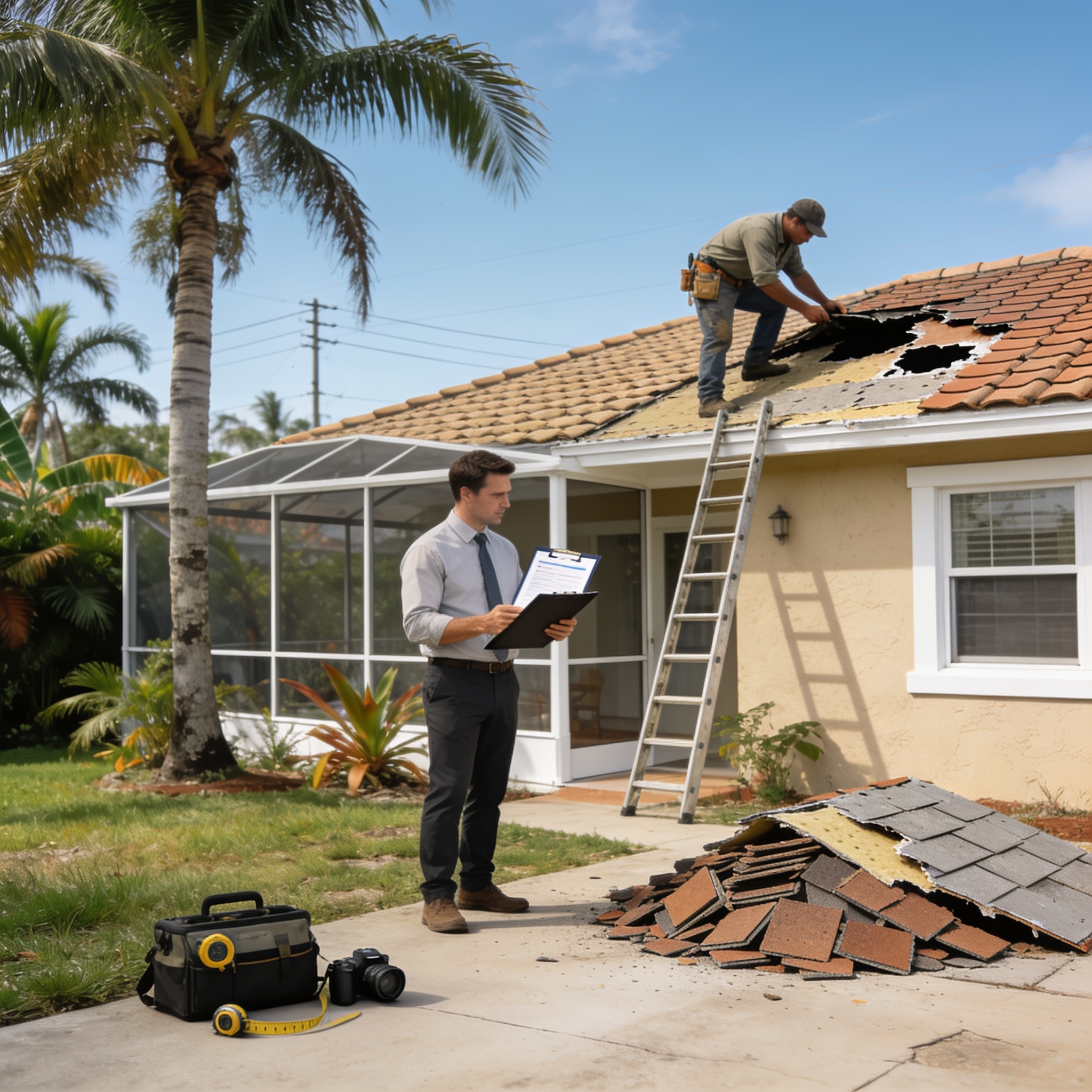
Recoverable depreciation is the amount of money an insurance company initially deducts from your claim settlement to account for the age and condition of your property. Understanding recoverable depreciation is essential for any homeowner managing a property loss after a storm or water event in Lee or Collier County. When you file a claim, the insurer evaluates the cost to replace your damaged items, such as roofing or flooring, but they reduce that amount based on the item’s remaining lifespan. This initial withholding is not necessarily a permanent loss of funds, provided your policy includes replacement cost coverage. Once you complete the repair or replace the damaged item, you can request the withheld funds. Because insurance covers the cost to restore your property, you must ensure your policy includes recoverable depreciation to avoid being stuck with the depreciated value of your belongings. This is often called recoverable depreciation because it is money that is initially recoverable may become non-recoverable if you fail to complete the repairs.
Replacement Value and Actual Cash Value
The primary difference between ACV and RCV lies in whether the payout accounts for the age-related loss in value of your property. Actual cash value is defined as the replacement cost minus depreciation, which reflects the current market worth of the item at the time of the loss. In contrast, replacement cost value provides the funds necessary to purchase a brand-new item of similar kind and quality without subtracting for wear and tear. If you are dealing with significant structural issues, professional Water Damage Restoration is often the first step in determining the scope of your loss. Homeowners in Florida should verify if their policy covers ACV or RCV, as this dictates your out-of-pocket expenses for items like a 10-year-old asphalt shingle roof. While auto insurance often uses the value of the vehicle to determine payouts, home insurance typically relies on the relationship between replacement cost and actual cash value to settle claims for damaged or destroyed property. Your policy will specify if the depreciation is recoverable or non-recoverable.
Damaged Item and Depreciation Types
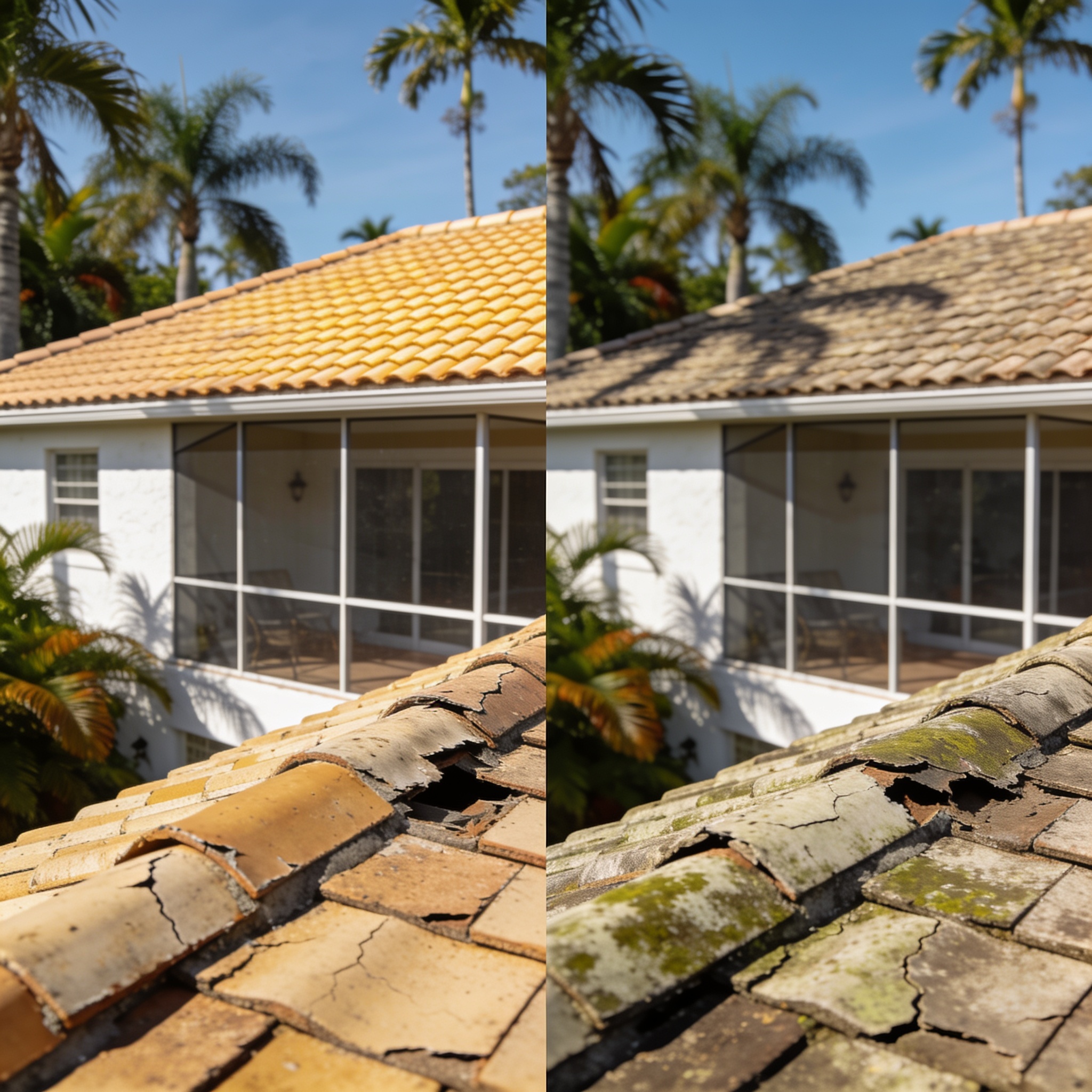
Recoverable depreciation is money you can eventually recoup, while non-recoverable depreciation is a permanent deduction that the insurer will never reimburse. Non-recoverable depreciation typically applies to items that the insurance company deems fully depreciated or to specific policy exclusions that limit your total payout. For example, if your policy has a specific endorsement that limits coverage on older systems, you might only receive the ACV, leaving you to cover the remaining costs yourself. When you need Water Damage Restoration understanding these distinctions helps you budget for the final project costs. Always review your declarations page to see if your coverage includes the ability to recover these funds. Depreciation in insurance is a standard practice, but knowing your specific limits is key to managing the depreciation amount effectively. Depreciation might be applied differently depending on the specific policy terms.
Full Replacement and Insurance Safeguards
Insurance companies hold back depreciation to ensure that the policyholder actually uses the claim payout to restore the property rather than pocketing the cash. Insurance companies protect their financial interests by requiring proof that the repair or replacement has been completed before releasing the full replacement value. This practice prevents homeowners from taking a cash settlement for a damaged roof and leaving the house in a state of disrepair. In the context of Florida’s frequent hurricane seasons, this mechanism ensures that homes are properly rebuilt, maintaining the overall value of the community. It serves as a safeguard against fraudulent claims or the misuse of insurance funds. If you notice a diminished value claim on your settlement, remember that the insurance carrier is simply managing the risk associated with the property’s value over time. They will only cover the actual cash value initially, but you can recover the full amount once repairs are finished.
Total Recoverable Depreciation Calculations
The calculation of recoverable depreciation is based on the item’s age, its expected lifespan, and its current condition at the time of the loss. Insurance adjusters calculate recoverable depreciation by determining the replacement cost of an item and subtracting the percentage of its life that has already been used. For instance, if a new roof costs $10,000 and has a 20-year lifespan, but your current roof is 10 years old, the adjuster may depreciate the value by 50%. This leaves an ACV of $5,000, with the remaining $5,000 held as recoverable depreciation. To determine the total depreciation, adjusters often look at the annual depreciation rate of the materials involved. If you are coordinating repairs, you might need Water Damage Restoration to address secondary damage before the new materials can be installed. This is the value of the damaged item minus your deductible.
| Item | Replacement Cost | Total Depreciation | ACV Payout | Total Recoverable Depreciation |
|---|---|---|---|---|
| Asphalt Shingle Roof | $10,000 | $5,000 | $5,000 | $5,000 |
| Living Room Carpet | $2,000 | $1,000 | $1,000 | $1,000 |
Recoverable Depreciation Payment
You get the depreciation money back if you fulfill the terms of your contract by completing the necessary work and submitting the required documentation. The homeowner receives the recoverable depreciation check once the insurer verifies that the repair or replacement has been completed to the required standards. In some cases, if you have a mortgage, the check might be made out to both you and your mortgage lender. You will need to coordinate with your bank to have them endorse the check so you can pay your contractor. It is vital to keep all invoices and receipts throughout the process to ensure a smooth payout. To recover depreciation successfully, ensure your policy includes recoverable depreciation for home insurance and that you have documented all expenses. These depreciation benefits are essential to cover the actual costs of restoration.
Claim for Recoverable Depreciation
To claim your recoverable depreciation back, you must submit a claim for recoverable depreciation by providing your insurer with proof of completion. Homeowners must submit a final invoice or a signed contract showing that the repair or replace work has been finished to receive the payment. You should contact your insurance adjuster to confirm the specific documentation they require, as some carriers have digital portals for uploading these files. Once the insurer reviews the proof that you have incurred the expense, they will issue the payment for the recoverable depreciation. Ensure that your contractor provides a detailed invoice that clearly lists all materials and labor costs associated with the project. This is how you cover the depreciation and ensure the work is fully funded.
Fight Insurance and Timelines
There is almost always a strict time limit to claim recoverable depreciation, which is defined within your specific homeowners insurance policy. Most insurance policies require that you complete the repair or replacement and file a claim for recoverable depreciation within 180 to 365 days of the initial loss. If you miss this deadline, the insurance company is generally not obligated to pay the withheld amount, and you will be left with only the ACV payment. Given the potential for construction delays in Southwest Florida, it is important to start your repairs as soon as possible. Do not assume you have unlimited time, as failure to act quickly can result in a significant financial loss. If you feel the adjuster has undervalued your claim, you may need to fight insurance to ensure they cover the actual costs.
Replacement Cost Coverage and Diminished Value Claim
Understanding your replacement cost coverage is vital when navigating a claim. While a diminished value claim is more common in auto insurance, homeowners should focus on ensuring their policy includes recoverable depreciation to avoid permanent financial loss. Recoverable depreciation in home insurance is the mechanism that bridges the gap between the initial ACV payout and the actual cost of restoration.
Frequently asked questions
Common questions regarding the recovery of depreciation often focus on the documentation required and the impact of policy limits.
What happens if the repair costs less than the original estimate?
If the final invoice for your repair or replacement is lower than the initial estimate, the insurer will typically only reimburse the actual amount you spent. You cannot profit from an insurance claim, so the recoverable depreciation payment is capped at the actual cost incurred.
Can I use the depreciation money for upgrades?
You can generally use the funds for upgrades, but the insurer will only pay up to the cost of replacing the item with one of “like kind and quality.” If you choose a more expensive material, you must pay the difference out-of-pocket, as the insurance company only covers the cost to replace the original damaged item.
Do I need to hire a contractor to get the money back?
You do not necessarily need to hire a professional contractor if you are capable of performing the work yourself, but you must still provide proof of the expense. Insurance companies will require receipts for all materials purchased and may ask for photos of the completed work to verify that the repair meets industry standards.
Does the deductible affect the recoverable depreciation?
Your deductible is subtracted from the total claim amount, and it is usually applied to the ACV portion of your settlement first. The final recoverable depreciation check is typically issued after the deductible has been satisfied and the repairs are verified as complete.
Our editorial team verifies licensing and reviews for every restoration company in the directory and writes practical, Florida-specific guides to help homeowners act fast and protect their insurance claims after water, fire, mold or storm damage.