Do I Need Sewer Backup Insurance in a Condo? A Complete Coverage Analysis
You absolutely need sewer backup insurance in a condo because standard policies typically exclude this risk, leaving you personally liable for damages that can easily exceed $5,000 for cleanup and restoration. Whether you reside in a high-rise in Collier County or a low-rise unit in Lee County, the unique plumbing infrastructure of a condo makes you vulnerable to backups caused by shared lines. Relying solely on your Homeowners Association (HOA) master policy is a common mistake that often leaves unit owners facing massive out-of-pocket expenses for water damage. A proper home insurance plan is essential, and you should consult with insurance brokers to ensure your home insurance policy is robust enough to cover water damage. This includes securing coverage for sewer backup to protect against the specific risks of a sewer back-up incident.
Key Takeaways
- Standard condo insurance policies almost never include coverage for sewer or drain backups by default.
- HOA master policies typically cover the building structure but rarely extend to your personal property or interior unit finishes.
- Adding a specific endorsement for sewer backup is an affordable way to mitigate significant financial risk.
- Sewer backups in Florida are frequently caused by aging infrastructure, tree roots, and heavy storm-related debris.
- Documenting your unit’s condition and maintaining your own drains are essential steps to protect your investment.
What Kind of Insurance Do You Need in a Condo (and What Does Your HOA Master Policy Actually Cover)?
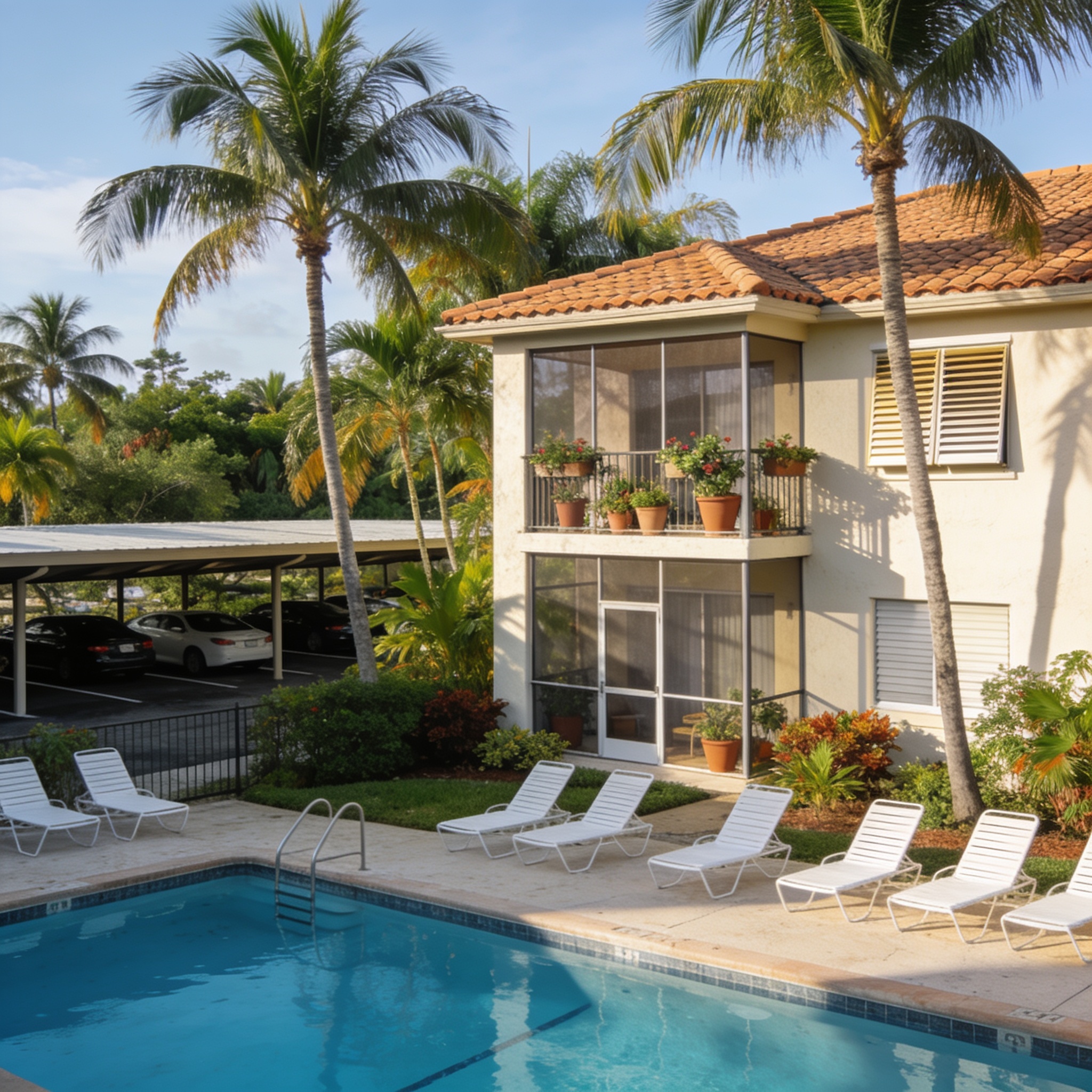
Your primary insurance need in a condo is an HO-6 policy, which is designed to cover the interior of your unit and your personal belongings. While the HOA master policy covers the exterior shell and common areas, it generally does not cover your floors, cabinets, or personal property during a sewer backup event. You must review your specific HOA master policy documents to understand exactly where the association’s responsibility ends and your personal liability begins. In many SWFL communities, the master policy is “bare walls,” meaning everything from the studs inward is your sole responsibility. Whether you are a tenant with a renters policy or an owner, understanding renters insurance or homeowners insurance requirements is critical to ensure you can pay for damage in the event of a sewer backup, including personal property coverage for your furniture and other belongings.
Is Sewer Backup Covered by Standard Condo Insurance — or Is It Excluded?
Standard condo insurance policies almost universally exclude damage caused by water that backs up through sewers or drains. Most insurance companies categorize sewer backup as a separate peril that requires a specific endorsement to be active on your policy. Without this specific add-on, an adjuster will likely deny your claim even if the backup originated from a common building line. This exclusion is a standard industry practice, as noted by the Insurance Information Institute, because sewer-related losses are considered preventable maintenance issues rather than sudden accidents. A standard home insurance policy or standard homeowners policy will rarely cover the costs of damage from sewer backups without this specific rider. Furthermore, these policies typically exclude surface water and potential water intrusion unless specifically endorsed.
Do You Need Sewer Backup Insurance for Your Condo?
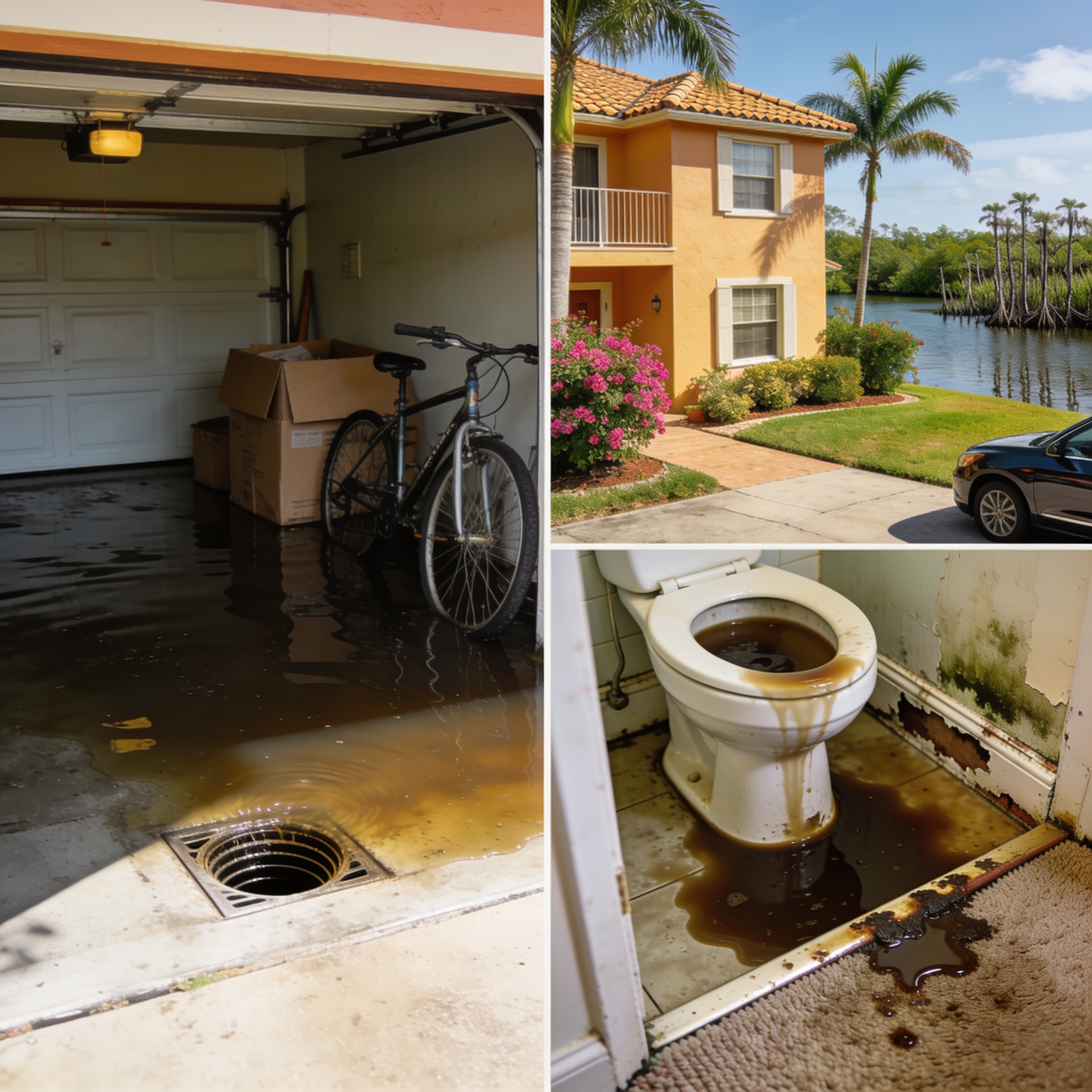
You need this coverage because the cost of professional remediation for sewage contamination far outweighs the minimal annual premium for the endorsement. Every condo owner in Southwest Florida should seriously consider adding sewer backup coverage to their HO-6 policy to avoid financial ruin. If you experience a backup, you will require immediate professional Water Damage Restoration to sanitize the unit and prevent mold growth. Without the correct policy endorsement, you will be forced to pay for these professional services entirely out of your own pocket. This coverage helps mitigate damage to your home and provides loss of use coverage, including additional living expenses if the unit becomes uninhabitable.
What Does Sewer Backup Insurance Cover (and What Does It Not Cover)?
This coverage typically pays for the cleanup of sewage, the repair of damaged floors or drywall, and the replacement of personal property damaged by the backup. It is vital to understand that this insurance does not cover the cost of repairing the actual broken pipe or the underlying plumbing defect. The policy is intended to cover the resulting property damage, not the maintenance of the building’s sewer system. Always verify your specific water backup coverage limits, as some policies may cap the payout at a certain dollar amount or exclude certain types of finished basement flooring. Ensure your policy specifically addresses damage from sewer backups and damage caused by sewage.
Who Is Responsible for Sewer Backup Damage in a Condo — You, Your Neighbor, or the HOA?
Responsibility for sewer backup damage depends on the location of the clog within the plumbing system. If the blockage is located in a line that serves only your unit, you are generally held responsible for the resulting damage. If the blockage occurs in the main sewer line, the HOA may be liable, but proving negligence can be a lengthy legal process. In the event of a catastrophic leak, you should seek professional Water Damage Restoration to document the source of the loss for your insurance claim.
Is a Clogged Toilet Considered a Sewer Backup for Insurance Purposes?
A simple clogged toilet that overflows due to a blockage in your own unit’s trap is usually not considered a “sewer backup” by an insurer. Insurance companies typically classify a sewer backup as a failure of the municipal or building-wide sewer system that forces sewage into your unit. If you experience a localized overflow, you should contact a licensed plumber immediately to address the issue. For larger incidents involving common lines, you should search for Water Damage Restoration to ensure the area is properly disinfected. This includes incidents where sewer water backs up into your home, resulting in water damage from sewer sources.
What Are the Most Common Causes of Sewer Backups in Condos?
The most common causes of sewer backups in Florida condos include tree root intrusion, aging sewer lines, and improper disposal of grease or wipes. Understanding these common failure points can help you take proactive measures to prevent water damage in your unit. The following table outlines the primary triggers for these incidents in coastal environments:
| Cause | Description |
|---|---|
| Tree Roots | Roots infiltrate pipes looking for moisture, causing major blockages. |
| Aging Pipes | Corrosion and deterioration lead to structural collapse in older buildings. |
| Improper Disposal | Flushing “flushable” wipes or grease creates massive, stubborn clogs. |
| Storm Surge | High water levels can overwhelm municipal drainage systems. |
| Plumbing Failure | Issues with a water heater or sewer and drain lines can exacerbate flooding. |
How Much Does Sewer Backup Cleanup Cost?
Professional cleanup costs for a sewer backup typically range from $3,000 to over $10,000 depending on the square footage affected and the level of contamination. The cost of repairing damage from sewage is significantly higher than standard water damage because of the specialized sanitization protocols required. You must account for the removal of porous materials like carpet and padding, which are often unsalvageable after contact with raw sewage. Hiring certified professionals is the only way to ensure the environment is safe for occupancy again, especially for issues caused by sewage backup.
How Much Does Sewer Backup Insurance Cost for Condo Owners?
Adding sewer backup coverage to your condo policy is remarkably affordable, usually costing between $50 and $200 per year depending on your location and coverage limit. Investing in this coverage provides a massive return on investment by protecting you from thousands of dollars in potential remediation costs. You should discuss your specific deductible for water-related losses with your insurance agent to ensure the policy aligns with your financial comfort level. Most carriers offer various tiers of protection, allowing you to choose a limit that matches the value of your unit’s interior finishes.
How Can You Prevent Sewer Backups in Your Condo?
You can prevent water damage caused by backups by being mindful of what goes down your drains and scheduling regular plumbing inspections. The most effective way to prevent water damage is to never flush non-degradable items like wipes, paper towels, or feminine hygiene products. Additionally, consider installing a backflow prevention valve or a sump pump if your unit is on a lower floor, as this mechanical device can stop sewage from entering your home during a system failure. Consistent maintenance of your individual drain lines is the best defense against localized backups. You may also choose to add sewer backup coverage as a proactive financial safeguard.
Frequently asked questions
Addressing common concerns regarding condo plumbing and insurance coverage can help you make informed decisions about your property protection.
Does my flood insurance cover sewer backups?
No, standard flood insurance policies specifically exclude damage caused by sewer backups, as these are considered separate perils.
Will the HOA pay for my damaged furniture?
The HOA is generally not responsible for your personal property; your own HO-6 policy with the correct endorsements must cover your belongings.
How do I know if my condo has a backflow valve?
You should consult with a licensed plumber or your HOA management company to determine if your unit’s plumbing is equipped with a backflow prevention device.
What should I do immediately after a sewer backup?
Shut off your water source if possible, contact your insurance company to file a claim, and call a professional restoration company to begin the cleanup process.
Our editorial team verifies licensing and reviews for every restoration company in the directory and writes practical, Florida-specific guides to help homeowners act fast and protect their insurance claims after water, fire, mold or storm damage.