Burst Pipe Insurance Claim Tips: How to Maximize Your Settlement
Maximizing your settlement for a burst pipe starts with immediate mitigation, as most insurance companies require proof that you took reasonable steps to prevent further loss. By following these 7 burst pipe insurance claim tips, you can significantly increase your chances of a fair payout that covers the true cost of your property restoration. Many homeowners find that understanding their specific homeowners insurance policies is the first step toward a successful recovery.
Key Takeaways
- Document every square inch of the damage with high-resolution photos and video before starting any cleanup.
- Shut off the water immediately to stop the flow of water and prevent additional destruction.
- Contact your insurance company as soon as you identify the leak to initiate the claim process.
- Keep all receipts for emergency repairs, temporary housing, or mitigation services like Water Damage Restoration.
- Never sign a release of liability until you are certain the settlement covers the full extent of the damage.
How to shut off the water
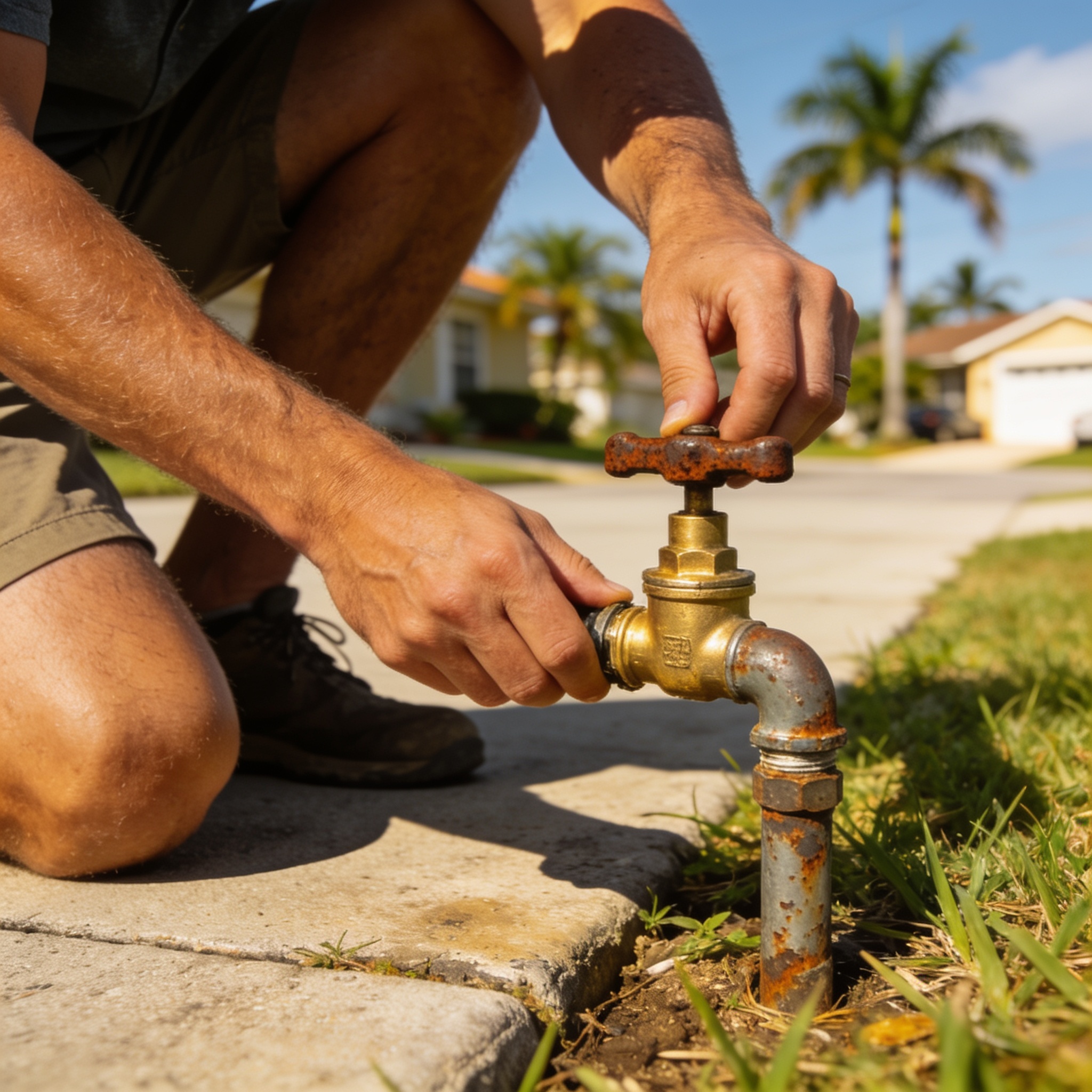
The first priority when dealing with a burst pipe is to shut off the water to your home to stop the water immediately. Once you stop the water, you must contact your insurance company as soon as possible to report the incident. It is critical to document the damage with detailed photos and videos before you begin any cleanup or move furniture. If the situation is severe, you may need to call a professional for Water Damage Restoration to prevent mold growth in our humid SWFL climate. This helps ensure that any damage to your home is properly recorded for your insurance claim.
Does homeowners insurance cover water damage?
Most standard homeowners insurance policies cover water damage due to a burst pipe as long as the event was sudden and accidental. Because SWFL homes often deal with aging plumbing systems, insurance companies will verify that the damage to the pipes was not caused by long-term neglect or lack of maintenance. If your home is in a high-risk flood zone in Lee or Collier County, be aware that your policy may distinguish between plumbing failures and external flood events. Always review your specific declarations page to confirm your insurance coverage limits regarding whether your homeowners insurance cover water damage from internal sources.
What insurance typically covers
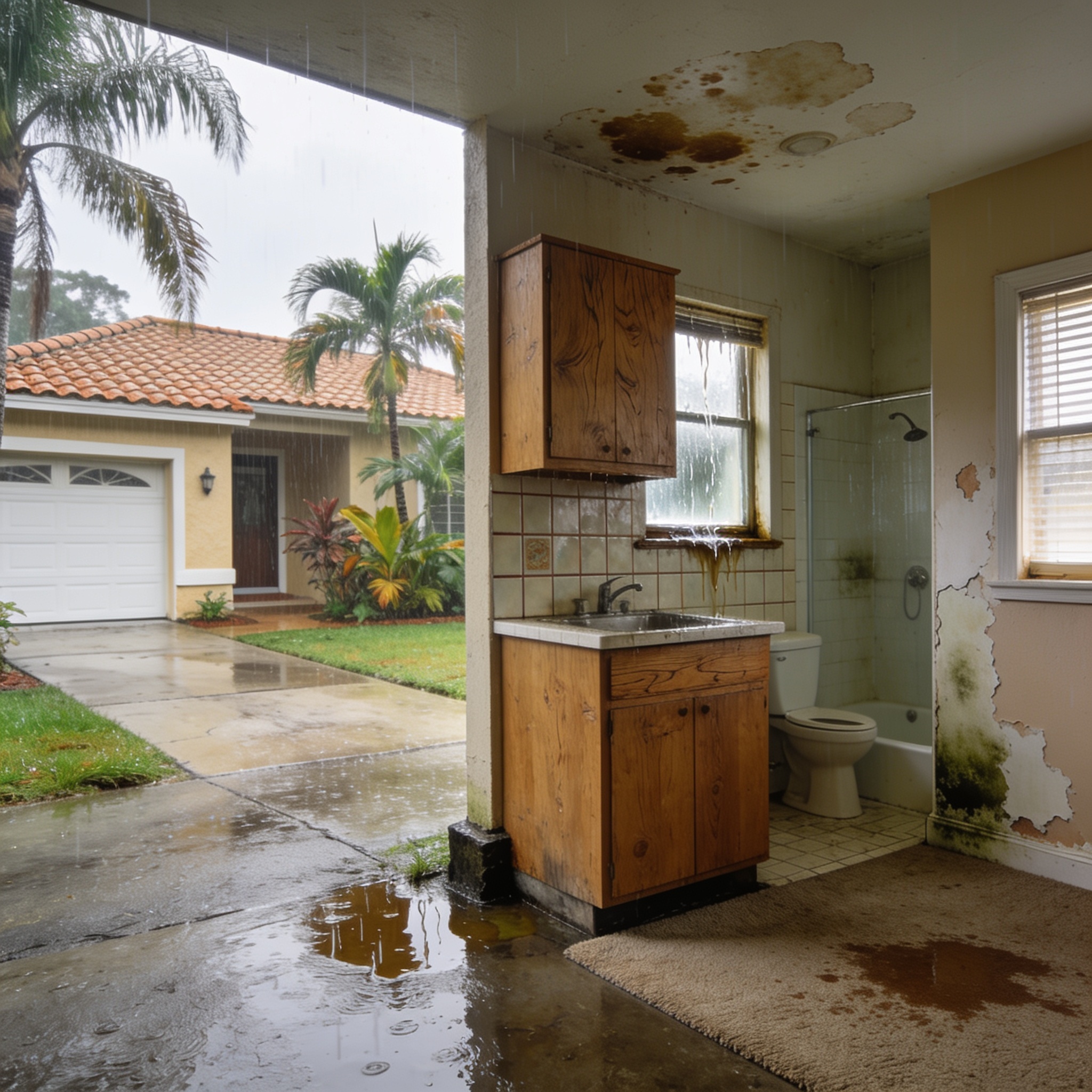
A standard homeowners insurance policy typically covers the cost to repair the damage to your house and personal property caused by the sudden release of water. However, the policy usually does not cover the cost to repair the actual plumbing pipe that failed, as that is considered maintenance. Additionally, damage caused by long-term seepage or neglect is generally excluded from coverage. Below is a breakdown of common coverage scenarios for SWFL residents:
| Damage Type | Typically Covered? |
|---|---|
| Sudden water pipe burst | Yes |
| Repairing the pipe itself | No |
| Water-damaged flooring/drywall | Yes |
| Mold growth from neglect | No |
| Temporary living expenses | Yes |
How to repair the pipe and handle the insurance carrier
Property insurance generally covers the resulting water damage to your property but excludes the specific cost to repair the pipe that burst. The logic used by your insurance carrier is that the pipe failure is a maintenance issue, whereas the flooding of your living room is an accidental loss. You should expect to pay out-of-pocket for the plumber’s labor to fix the pipe. However, the cost of opening walls to reach that pipe is often included in the broader claim. If the burst pipe has caused extensive water damage, ensure you have an experienced insurance claim attorney review your settlement if you suspect the insurance company denies valid costs.
How to call your insurance and file a water damage claim
To ensure your water damage claim is processed efficiently, you must provide a comprehensive inventory of all damaged items and a professional estimate for the required repairs. Start by creating a detailed log of every interaction with your adjuster, including dates and names. If you are located in the Charlotte County area, hiring a local expert for Water Damage Restoration can provide you with the professional documentation needed to support your claim. Maintaining a clear paper trail of all expenses incurred during the mitigation phase is essential for reimbursement when you call your insurance.
Understand insurance and claim denials
You should never admit fault or suggest that you knew about a slow leak before the pipe burst, as this can lead to immediate claim denials. Avoid speculating about the age of your pipes or your maintenance history unless you have specific records to back up your statements. Keep your answers brief and factual, focusing only on the sudden nature of the event. Providing unnecessary information often gives insurance companies a reason to categorize the damage as wear and tear rather than a covered peril that is covered by insurance.
What homeowners insurance does not cover
The most frequent cause for a claim denial is the insurance company classifying the damage as long-term wear and tear rather than a sudden accident. If the adjuster finds evidence of mold, rust, or corrosion, they may argue that the pipe was failing for months. Another common hurdle involves improper maintenance, such as failing to keep pipes in unheated areas like garages protected. The insurance company may deny claims when they determine the homeowner failed to mitigate the damage promptly after the leak began, as homeowners insurance does not cover damage resulting from failure to maintain the property.
When to hire an experienced insurance claim attorney
You should consider hiring an experienced insurance claim attorney if the extent of the damage is significant or if you feel your insurance company is lowballing your settlement offer. A professional can act as the insurance company on your behalf to negotiate a fair payout based on the actual cost of repairs in the current SWFL market. They are particularly useful if you are struggling to understand the technical language in your policy. Hiring an expert can help you avoid accepting an inadequate settlement that fails to cover the total cost to repair your home.
How to prevent frozen pipes and other plumbing failures
The most effective way to prevent pipes from freezing and bursting is to perform routine plumbing inspections and ensure you are insulating exposed pipes. Even in Southwest Florida, where frozen pipes are rare, temperature fluctuations and high humidity can stress older plumbing systems. Installing a smart water leak sensor can provide real-time alerts to your phone if a pipe begins to leak. Taking proactive steps to monitor your main water supply and plumbing health is the best way to safeguard your home against catastrophic water damage due to a burst pipe.
Frequently asked questions
Understanding the nuances of your policy is the best way to prepare for potential plumbing emergencies in your home.
Does standard home insurance cover water damage from a burst pipe?
Yes, standard homeowners insurance covers sudden and accidental water damage, and your policy covers the structural damage caused by the leak, but it does not cover the repair of the pipe itself.
What is the difference between a burst pipe and flood damage?
A burst pipe is an internal plumbing failure, whereas flood damage is caused by external rising water, which requires separate flood insurance.
How long does the insurance claim process take for a burst pipe?
The timeline varies, but most claims are processed within 30 to 60 days depending on the complexity of the damage and the responsiveness of your carrier. You should communicate directly with your insurance company to track progress.
Should I clean up the standing water before the adjuster arrives?
You should mitigate the damage by removing standing water to prevent further destruction, but ensure you document everything with photos first. Insurance may cover the cost of professional mitigation services for items affected by the water.
Can I choose my own contractor for the repairs?
Yes, you have the right to choose your own licensed and insured restoration company to handle the repairs to your home. Ensure they work well with your insurance provider to cover the damage effectively, especially when filing an insurance claim for burst pipe repairs.
Our editorial team verifies licensing and reviews for every restoration company in the directory and writes practical, Florida-specific guides to help homeowners act fast and protect their insurance claims after water, fire, mold or storm damage.