Flooded or fire damage right now? Call 24/7 — (239) 555-0199 for an emergency restoration company near you.
Fire & Smoke
How Hot Can a House Fire Get? Understanding Thermal Hazards
Practical, Florida-specific guidance from our restoration team.
SR
SWFL Restoration Editorial
Aug 11, 2026 6 min read
Key Takeaways
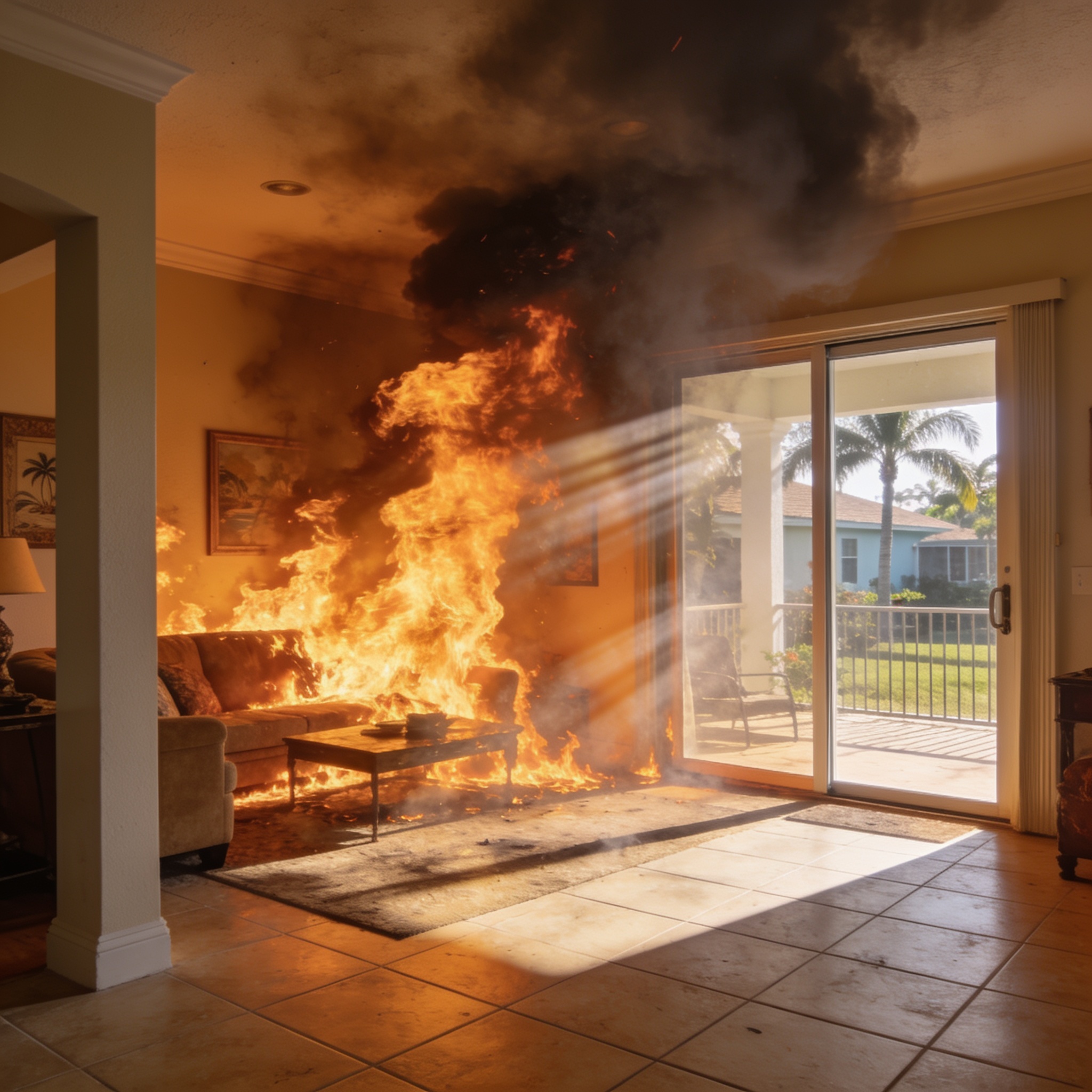
- Residential fires frequently reach 1,100°F to 1,500°F during the flashover stage.
- Heat rises rapidly, creating a thermal layer that descends toward the floor level.
- Modern synthetic materials, such as plastics and foam, cause fires to burn hotter and faster than in previous decades.
- Inhalation of toxic gases is the primary cause of fatalities, often occurring before thermal burns.
- Structural integrity is compromised quickly, especially in homes with lightweight truss construction common in Florida.
Fire Temperature: What is the hottest temperature a house fire can reach?
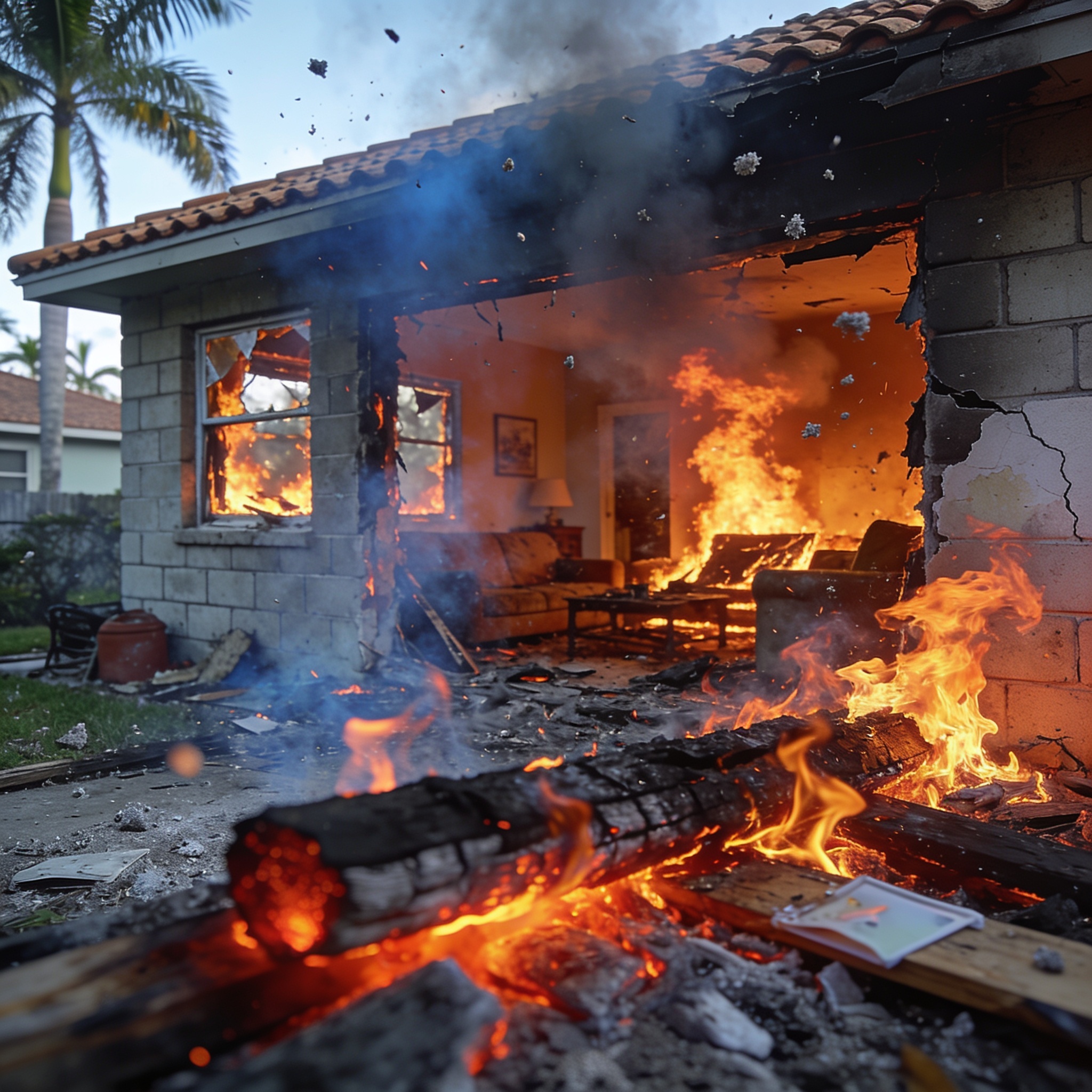
The maximum fire temperature in a residential setting typically peaks between 1,500°F and 2,000°F during the fully developed stage of combustion. While a standard stove or heater operates at controlled levels, an uncontrolled home fire can reach these extreme temperatures as it consumes furniture, structural wood, and synthetic materials. According to the National Institute of Standards and Technology (NIST), these temperatures are sufficient to cause structural failure in steel beams and compromise the integrity of concrete. In Southwest Florida, where many homes feature open floor plans, the lack of fire-rated doors can allow these extreme temperatures to spread throughout the property rapidly.House Fire Temperatures: How quickly can a fire reach its maximum?
A residential fire can reach the critical flashover point within minutes, causing the room temperature to spike from ambient levels to over 1,000°F almost instantly. This rapid temperature increase is driven by the availability of oxygen and the high fuel load found in modern homes. The speed at which house fire temperatures climb is primarily dictated by the presence of synthetic materials that act as accelerants. If you have experienced a fire event, professional fire damage restoration near me services are critical to assess whether the structural components remain safe for occupancy.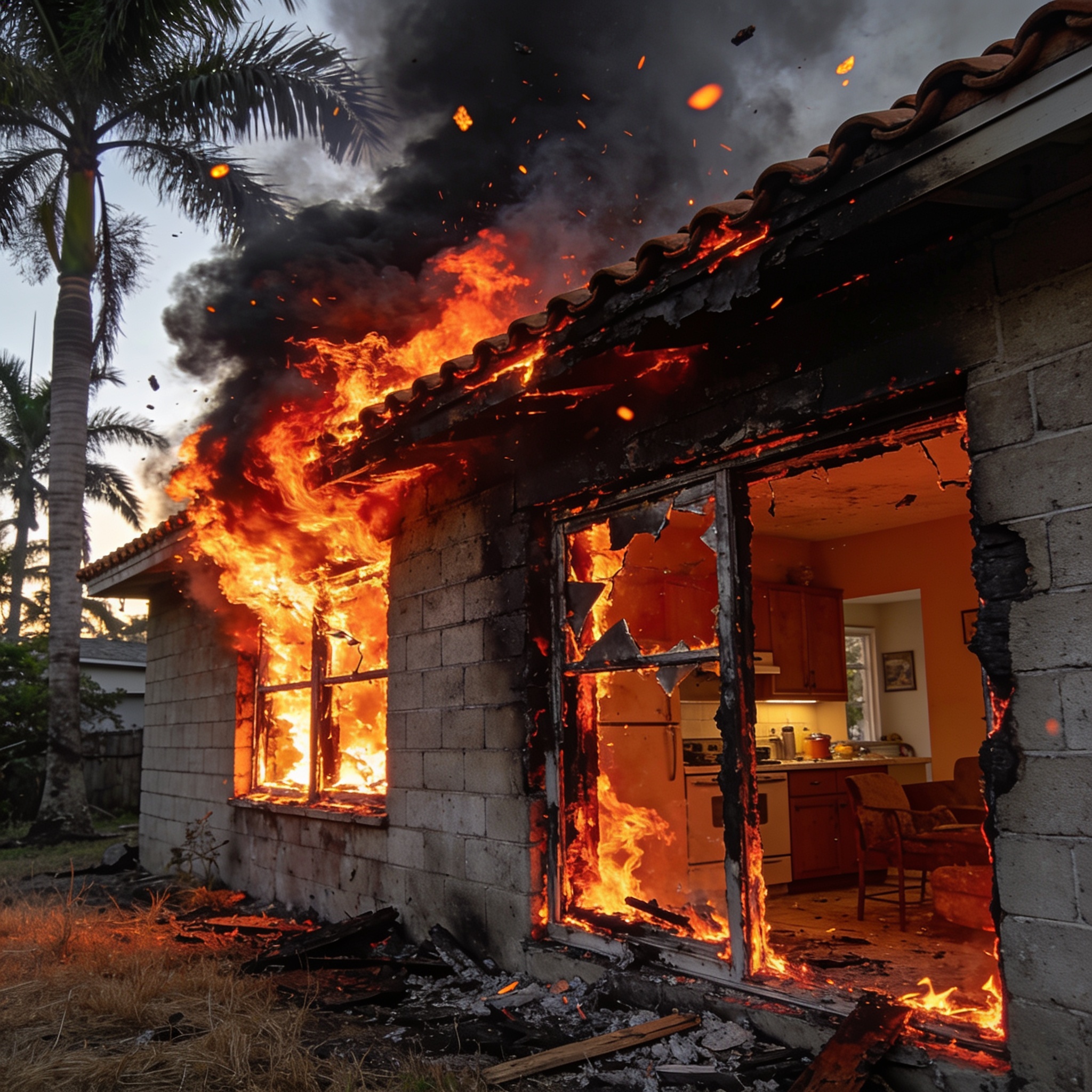
Factors Influencing: What determines how hot a fire gets?
Several factors influencing the intensity of a fire include the volume of combustible items, the availability of oxygen, and the room’s ventilation. In SWFL, the high humidity levels might seem like a natural deterrent, but the interior air conditioning systems often circulate dry, oxygen-rich air that can feed a fire. The total fuel load of the room and the surface area of the materials involved are the most significant factors influencing the final fire temperature. Large, open-concept living spaces common in Lee and Collier County homes provide more oxygen, which allows the fire to burn hotter and faster than in smaller, confined spaces.Home Fire: Why do different parts of a room have different temperatures?
Temperature stratification occurs because hot gases are less dense than cooler air, causing them to rise and accumulate at the ceiling. While the temperature near the ceiling may exceed 1,000 degrees fahrenheit, the air at floor level may remain significantly cooler for a short period. This thermal layering is exactly why fire safety experts emphasize the importance of crawling low to the floor to escape toxic fumes and high temperatures. Homeowners should be aware that once flashover occurs, the room may superheat, causing this temperature difference to disappear as the entire space reaches a uniform, lethal heat level, often leading to significant smoke damage and structural damage throughout the property.Safe: What are the critical temperature zones for survival?
Human survival becomes impossible when the air temperature exceeds 250°F, as the lungs cannot process such extreme heat without immediate, catastrophic damage. At this temperature, the air is hot enough to cause severe thermal burns to the respiratory tract, leading to rapid incapacitation. The critical temperature zone for survival is generally considered to be below 150°F, as any exposure above this limit for more than a few minutes can lead to life-threatening complications. While many residents focus on the flames, the inhalation of heat and smoke is often the actual cause of fire deaths, rather than direct contact with the fire itself.Stove: What indicators should trigger immediate evacuation?
Any visible change in the environment, such as the darkening of smoke or the cracking of glass, serves as a warning that the temperature is approaching the flashover threshold. If you notice smoke banking down toward eye level or hear the popping of light bulbs and windows as they shatter, you must evacuate immediately. The presence of thick, black smoke indicates that the fire is burning through flammable synthetic materials and is likely generating hazardous levels of carbon monoxide. Do not attempt to extinguish a fire once these signs appear; instead, exit the building and contact emergency services to properly ventilate the area.Heater: Can a fire melt household items?
A house fire can reach temperatures high enough to melt gold, which has a melting point of approximately 1,948°F, though many other common household metals will soften or liquefy at lower temperatures. Aluminum, often found in window frames and appliance parts, begins to melt at approximately 1,220°F, while plastic items will deform and liquefy well before the fire reaches its peak. Most household materials like wood and fabric will ignite long before the fire reaches the melting point of precious metals. If your home has suffered damage, you may require water damage restoration to address the secondary effects of firefighting efforts, such as standing water or moisture trapped in drywall near damaged wiring.Time and Temperature: How does flame color relate to intensity?
A blue flame indicates a high-temperature, complete combustion process, which can indeed reach temperatures near 3,000°F in industrial settings, though this is rare in a standard house fire. In a residential fire, the flame color typically shifts from orange to yellow as it consumes various materials, reflecting a lower, less efficient combustion temperature. We can estimate the intensity based on the time and temperature relationship observed by investigators. Understanding these thermal dynamics helps homeowners appreciate why fire damage is often so extensive, even when the fire is contained to a single room.Frequently asked questions
Here are the most common inquiries regarding thermal hazards and fire safety in Florida homes.Does the age of my home affect how hot a fire gets?
Older homes with plaster walls and solid wood framing may offer slightly more resistance to fire spread than modern homes built with lightweight truss systems and synthetic finishes.How does water damage relate to fire damage?
Firefighting efforts involve massive amounts of water, which frequently results in significant water damage that requires professional remediation to prevent mold growth.Are fire-resistant materials actually effective?
Fire-resistant materials like gypsum board can delay the spread of heat and flames, providing critical extra minutes for evacuation.Can I stay in my home after a small fire?
You should never remain in a home after a fire until a professional has verified that the structural integrity is intact and the air quality is safe.What should I do if I see smoke in my home?
If you see smoke, you should immediately exit the building, call 911, and wait for professional firefighters to handle the situation.| Material | Approximate Melting Point (°F) |
|---|---|
| Plastic items | 230°F – 260°F |
| Aluminum | 1,220°F |
| Gold | 1,948°F |
| Steel | 2,500°F |
See also: fire damage restoration near me
See also: Water Damage Restoration
See also: Water Damage Restoration
SR
SWFL Restoration Editorial
Local restoration research team
Our editorial team verifies licensing and reviews for every restoration company in the directory and writes practical, Florida-specific guides to help homeowners act fast and protect their insurance claims after water, fire, mold or storm damage.