Fire Restoration Process: A Step-by-Step Recovery Guide
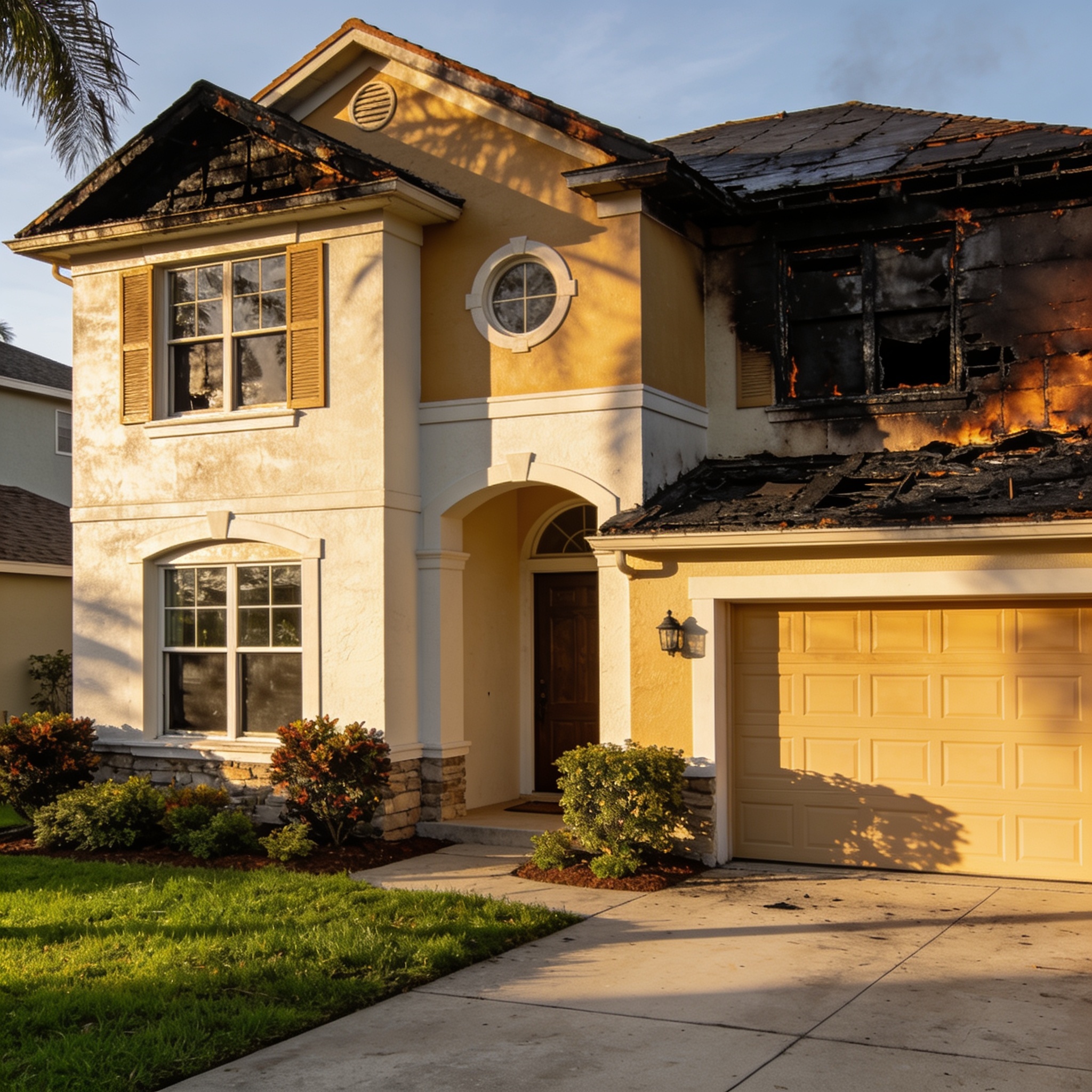
The total fire restoration process typically costs between $3,000 and $30,000 depending on the severity of the fire, with the primary factor determining your final bill being the square footage of the affected area and the intensity of smoke and soot contamination. Recovering from a fire in your home in Southwest Florida requires immediate action to mitigate secondary damage caused by high humidity and residual moisture from firefighting efforts. By following a structured fire damage restoration process, homeowners can effectively restore your property to its pre-loss condition while navigating the complexities of insurance claims. When you are experiencing a fire, it is vital to act quickly to address the damage to your property and begin the path to recovery. Understanding the property damage costs is a critical process step for any homeowner facing this challenge.
Key Takeaways
- Immediate stabilization of the structure is the first priority to prevent further degradation.
- Water damage from firefighting efforts often causes more long-term structural issues than the fire itself.
- Professional restoration services utilize specialized equipment like HEPA scrubbers to remove microscopic soot particles.
- Insurance coverage usually applies to the restoration project, but documentation of all personal belongings is essential.
- The fire restoration process is a multi-phase journey that spans from initial assessment to final reconstruction.
What Is the Fire Restoration Process and What Does a Fire Damage Restoration Company Do?
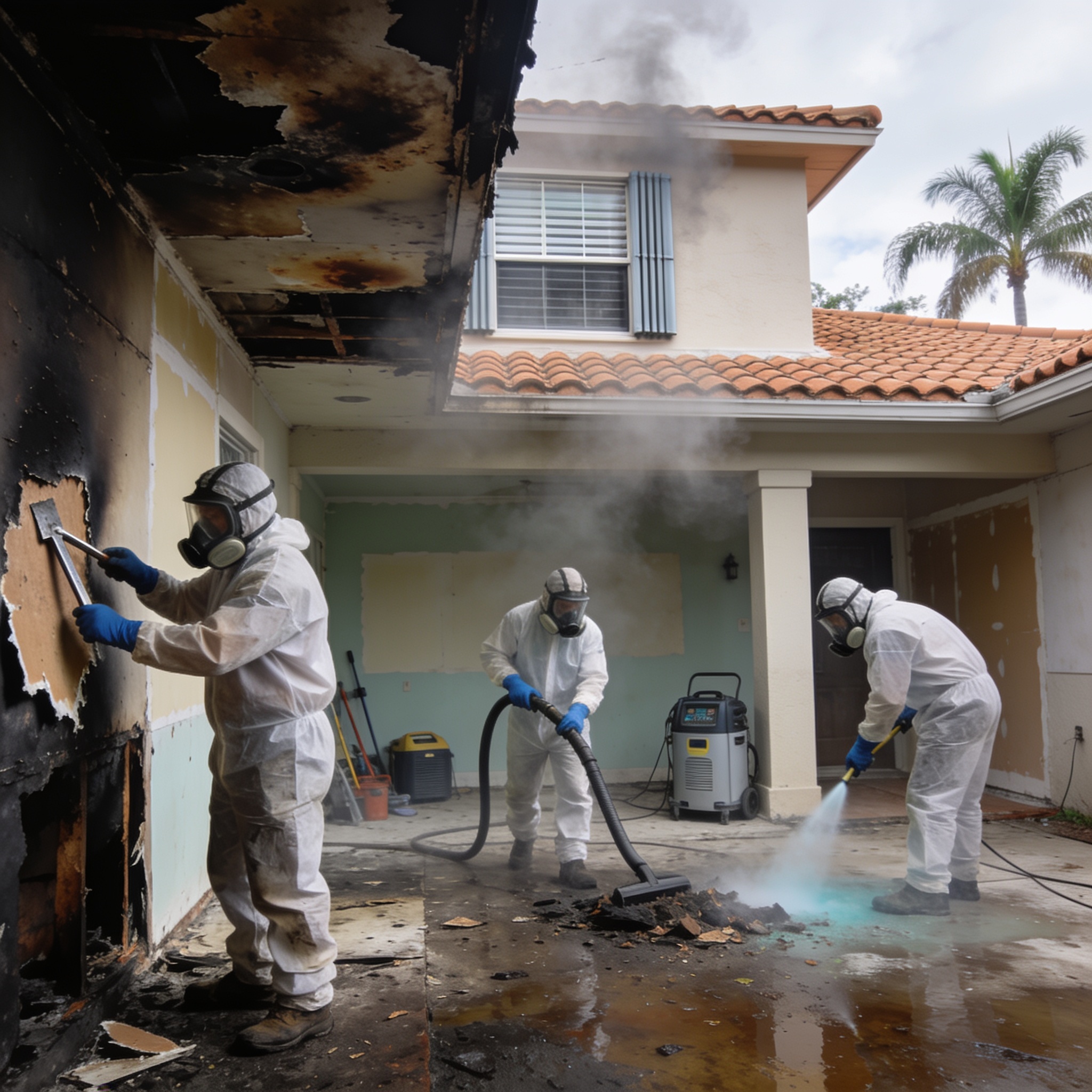
The fire restoration process is a comprehensive sequence of events designed to return a home or business to its original state after fire incidents. A fire damage restoration company acts as the primary coordinator, managing everything from initial boarding up to the final reconstruction process. These professionals specialize in mitigating the damage caused by fire, smoke, and water to ensure the structure remains safe for occupants. When the fire damage restoration process begins, experts work to assess damage and determine the extent of the destruction to ensure a complete restoration. Understanding how this process works is essential for those who have experienced fire and are dealing with the extensive damage left behind.
Core Responsibilities of Restoration Professionals
A professional restoration company handles much more than just surface cleaning. They perform a thorough damage assessment to identify hidden hazards, such as electrical shorts or structural damage. They also manage the critical task of water extraction to prevent secondary issues like indoor mold growth, which is a major concern in the humid climate of Lee, Collier, and Charlotte counties. Their expertise in cleaning and restoration ensures that even minor fire events are handled with precision, including professional soot removal.
What Are the Initial Steps to Take Immediately After a House Fire?
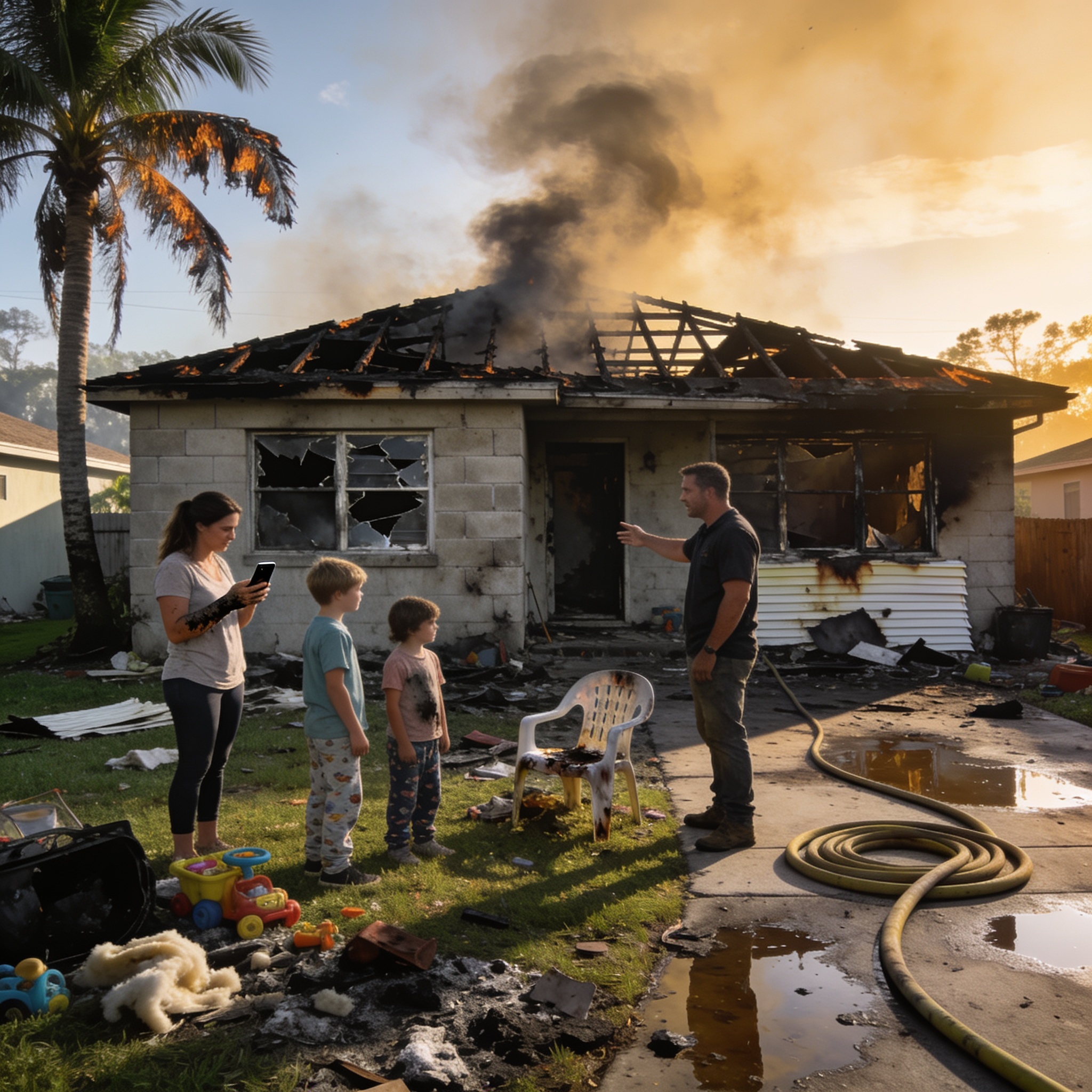
The most important step after a fire is to ensure the property is safe before re-entering the structure. Property owners should never attempt to enter a building that has not been cleared by the local fire department or a qualified restoration professional. Once deemed safe, the focus shifts to securing the property to prevent further damage from weather or unauthorized entry. This is when the fire damage cleanup phase is initiated to address the immediate aftermath and the damage left behind.
Immediate Mitigation Checklist
- Contact your insurance provider to initiate the claim process and document the extent of the damage.
- Secure the property by boarding up broken windows and covering holes in the roof or exterior walls.
- Begin the water removal process if there is remaining water from fire suppression activities.
- Contact a fire damage restoration company to begin the assessment of the damage.
- Document all visible damage to assist with the insurance claim.
What Are the Stages and Steps of Fire Restoration Explained in Order?
The fire restoration process follows a logical sequence to ensure that contaminants are removed before any cosmetic repair begins. Following these 7 essential steps ensures that your home is returned to a safe and habitable state from start to finish.
The 7 Essential Steps of Fire Restoration
- Emergency Response and Damage Assessment: The restoration process begins with a rapid inspection to identify the scope of the fire and smoke damage.
- Board-Up and Tarping: Professionals secure the structure to prevent weather-related damage and unauthorized access.
- Water Extraction and Drying: Technicians remove fire and water damage from firefighting efforts using air movers and dehumidifiers to prevent mold.
- Soot and Smoke Removal: Specialized cleaning techniques are used to perform smoke and soot removal and remove particles from surfaces, walls, and ceilings.
- Cleaning and Sanitization: The team cleans all salvageable personal belongings and structural elements to eliminate lingering odor.
- Restoration and Repairs: This phase involves fire damage repair and structural repairs like replacing drywall or repainting to restore your home.
- Final Reconstruction: The final step involves full-scale reconstruction of heavily damaged areas to bring the home back to its original state.
What Are the Health Risks Associated with Fire and Smoke?
Exposure to fire and smoke damage can lead to significant respiratory issues due to the release of toxic chemicals from burning synthetic materials. Particulate matter found in smoke and soot can remain trapped in your ductwork and circulate throughout your home long after the fire is extinguished. According to the EPA, these particles are often small enough to penetrate deep into the lungs, posing long-term health risks.
| Hazard Type | Primary Health Risk | Mitigation Strategy |
|---|---|---|
| Soot Particles | Respiratory distress | HEPA filtration |
| Smoke Odors | Nausea/Headaches | Deodorization |
| Water/Humidity | Mold growth | Dehumidification |
| Structural Instability | Physical injury | Structural repairs |
What Should You Throw Away After Smoke Damage — and What Can Be Saved?
Items that have been exposed to high heat or direct flame are often structurally compromised and should be discarded. Porous materials like mattresses, upholstered furniture, and open food containers are usually considered total losses due to the difficulty of removing deep-seated smoke odors. In contrast, non-porous items like glass, metal, and certain hard plastics can often be salvaged through smoke and soot cleanup processes.
Why Shouldn’t You Clean Up Fire Damage Yourself Instead of Hiring Professionals?
Attempting to clean up fire damage without industrial-grade equipment often results in spreading soot particles deeper into the home’s ventilation system. Professional fire damage restoration services utilize specialized tools like ozone generators and thermal foggers that are not available to the average homeowner. Furthermore, improper cleaning can lead to permanent staining or chemical reactions that make the final repair much more expensive.
Can You Stay in Your Home During the Fire Restoration Process?
Staying in your home during the restoration project is generally discouraged due to the presence of hazardous particulates and the ongoing use of heavy machinery. The presence of smoke and fire in the air creates a significant health hazard, particularly for children, the elderly, and those with pre-existing respiratory conditions. If the damage is extensive, your insurance policy may cover the costs of temporary housing while the work is performed.
Who Pays for Fire Restoration and Does Homeowners Insurance Cover It?
Most standard homeowners insurance policies cover the cost of fire restoration, provided the fire was not caused by intentional acts or excluded perils. Property owners should carefully review their policy limits and deductibles to understand their out-of-pocket exposure before signing a contract with a restoration company. It is also wise to check for specific coverage regarding restoration services, as this is often handled as a separate line item in the claim for items damaged by the fire.
How Long Does the Fire Restoration Process Typically Take?
The timeline for a restoration project varies from a few weeks for minor smoke damage to several months for a complete rebuild. Factors such as the size of the property, the intensity of the fire, and the availability of materials significantly influence the duration of the recovery process. For residents in areas like Water Damage Restoration local contractors can provide a more accurate estimate once they assess the damage on-site to address various fire damage situations.
Frequently asked questions
Common concerns often arise regarding the logistics and financial aspects of fire recovery.
Does insurance cover the cost of temporary housing?
Yes, most policies include “Loss of Use” coverage, which reimburses homeowners for living expenses if their home is deemed uninhabitable.
How do I know if my electronics are salvageable?
Electronics are highly susceptible to corrosion from acidic soot; a professional must inspect them before you attempt to power them on.
What is the difference between fire cleanup and restoration?
Cleanup focuses on removing debris and soot, while restoration involves the actual repair and reconstruction of the home.
Is mold a concern after a fire?
Yes, because the water used to extinguish the fire creates high moisture levels that can lead to mold growth within 24 to 48 hours.
How do I find the best restoration company in SWFL?
Look for companies with IICRC certification and positive local reviews; you can also research the fire damage restoration cost naples to set realistic budget expectations.
See also: water damage restoration
See also: Water Damage Restoration
Our editorial team verifies licensing and reviews for every restoration company in the directory and writes practical, Florida-specific guides to help homeowners act fast and protect their insurance claims after water, fire, mold or storm damage.