How to Get Flooded Water Out of a House Safely and Effectively
The most effective way to learn how to get flooded water out of a house is to prioritize professional extraction within 24 to 48 hours, as failing to do so can increase repair costs by up to 400% due to secondary structural damage. In Southwest Florida, where storm surges from hurricanes frequently impact low-lying areas in Lee, Collier, and Charlotte counties, quick action is the primary factor in preventing total loss. By following a structured 5-step recovery plan, you can mitigate the impact of a flood and protect your property’s structural integrity through careful planning.
Key Takeaways
- Prioritize safety by cutting off the main breaker before entering a flooded house to avoid electrocution.
- Document all water damage with photos and videos before starting any cleanup to satisfy insurance requirements.
- Use a submersible sump pump to move a lot of water quickly from the lowest point of the structure.
- Remove saturated materials like carpet and drywall immediately to stop mold growth.
- Contact a professional water restoration company to ensure the property is dried to IICRC standards.
What Are the Immediate Steps to Take After a House Floods?
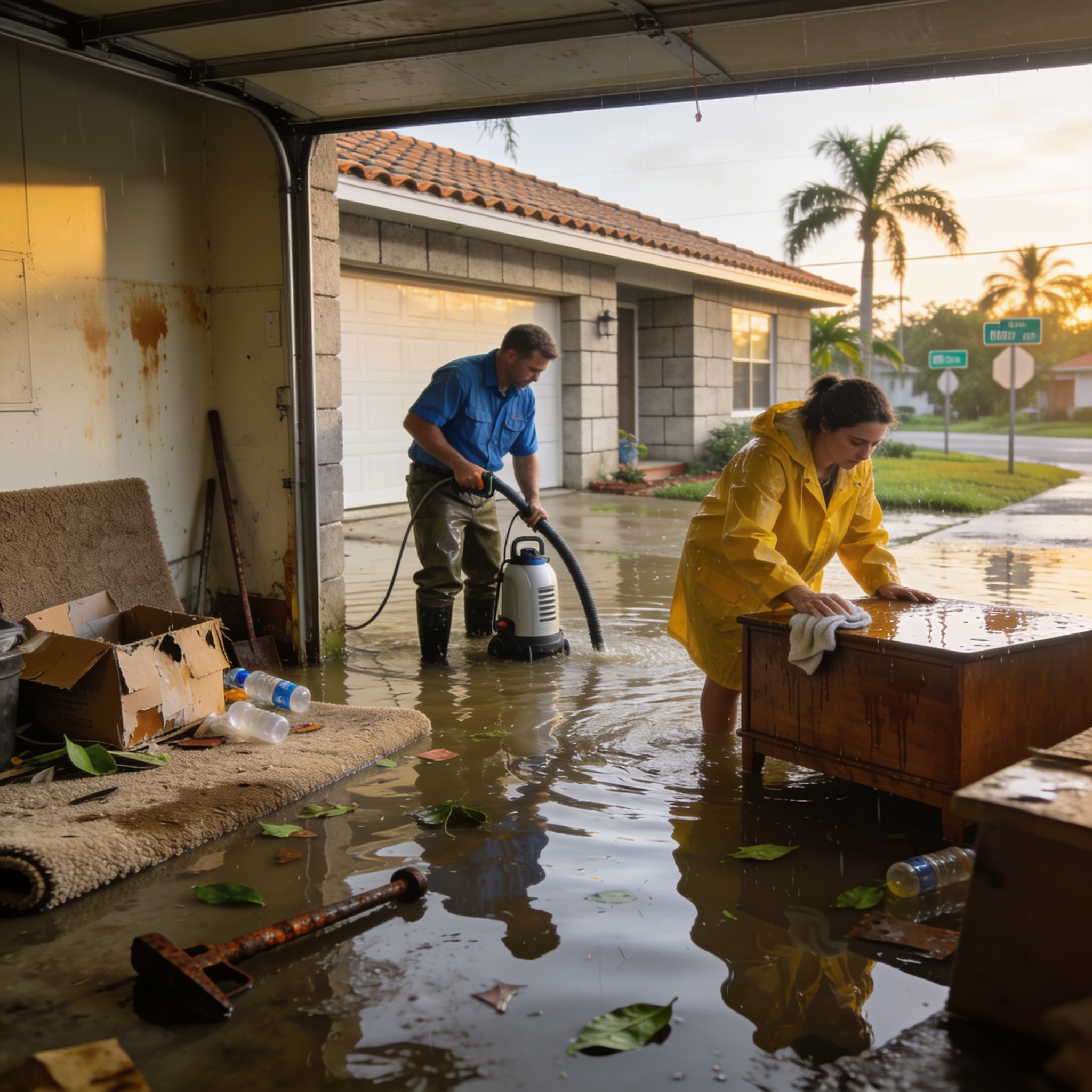
The first priority after a flood is to ensure the water source is shut off and the property is safe to enter. If you suspect the water supply is broken, locate the main shut-off valve to stop the water from entering further. In SWFL, where many homes sit on concrete slabs, you must turn off electricity at the main breaker or your home’s fuse box immediately to prevent water and electricity from mixing. If you cannot reach the breaker safely, call an electrician before wading into standing water. These safety steps are essential to protect yourself from hazards during a natural disaster.
What Steps Should Be Taken to Ensure Safety After a House Flood?
You must wear protective gear, including rubber boots and gloves, to avoid exposure to contaminated floodwater that may contain sewage or chemicals. According to FEMA, floodwater often carries hazardous substances, so treat every surface as if it is contaminated. Ensure it’s safe by checking for structural damage, such as sagging ceilings or shifting walls, before walking through the home. Always keep children and pets away from the area until the clean-up is complete. When dealing with a flooded basement, be aware that standing water on the basement floor can hide debris or live electrical wires.
How to Pump Water Quickly and Safely
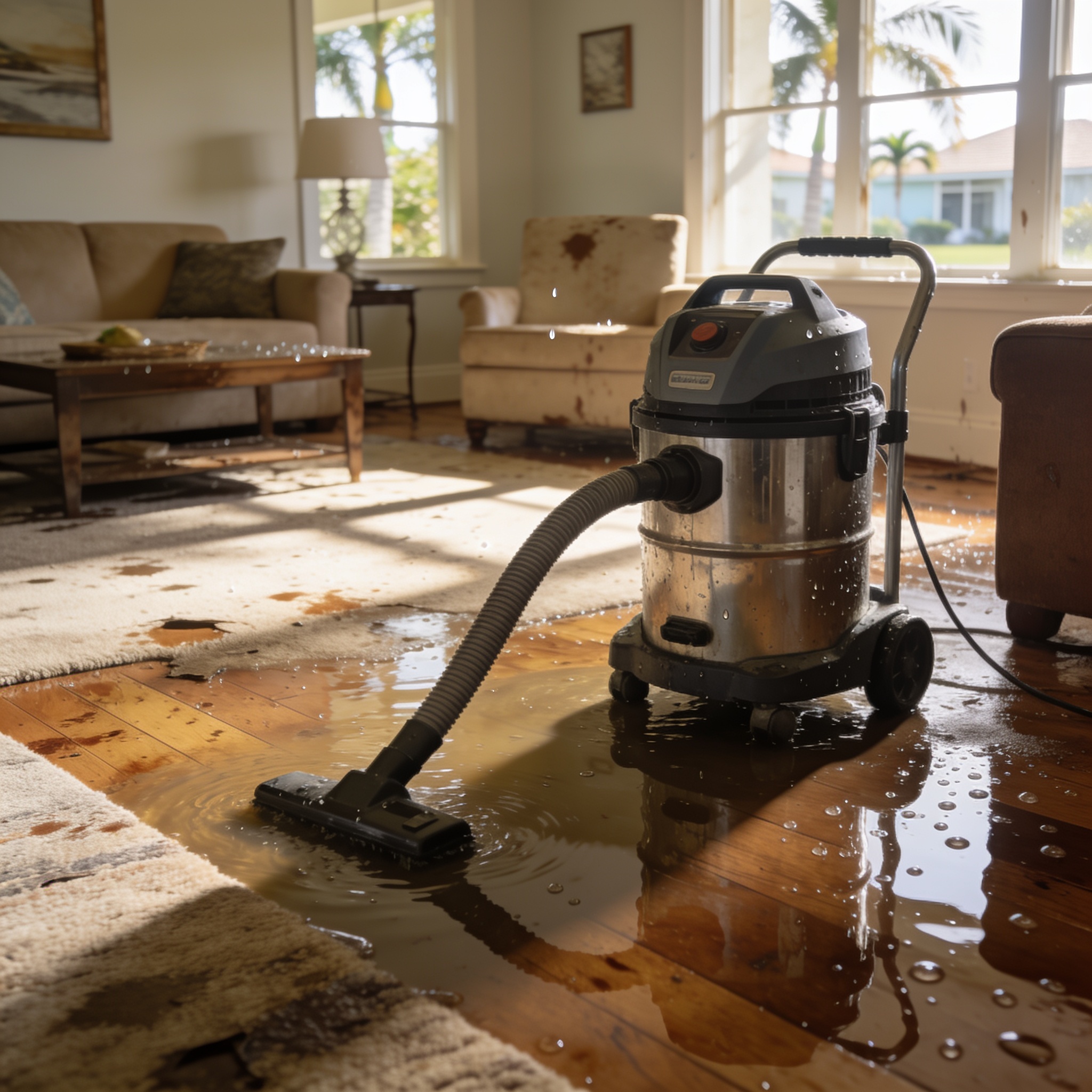
To remove water from a flooded house effectively, you should use a submersible sump pump capable of moving thousands of gallons per hour. Whether you need to pump water from a crawlspace or a living area, professional equipment is essential to work quickly and safely. For smaller areas, a high-capacity shop vac can help you get the water out, but ensure you are not using standard household appliances like a dishwasher or vacuum that are not rated for wet conditions. If the water level remains high, you may need a professional water restoration company to bring in industrial-grade extraction equipment.
How to Pump the Water Out of Your Home
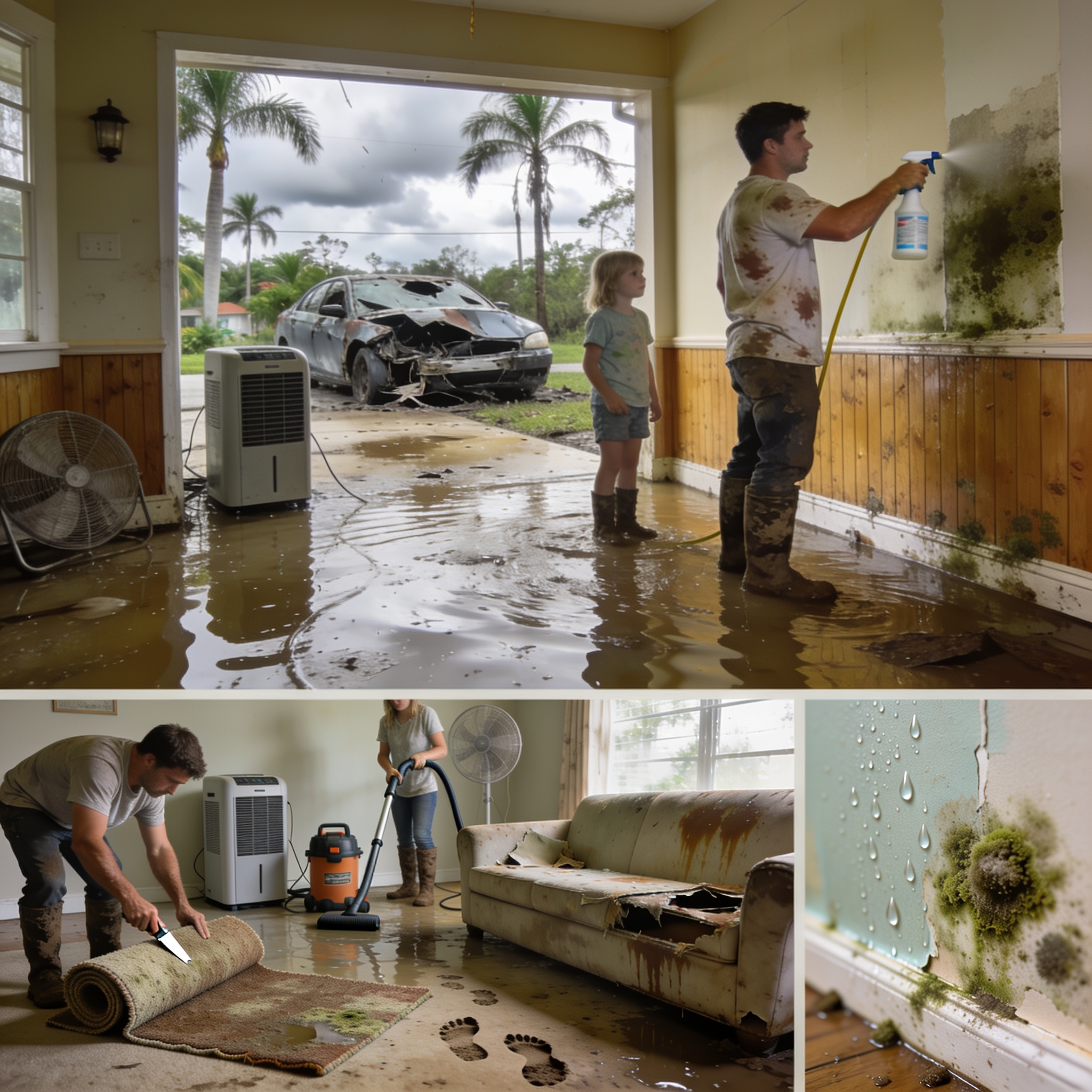
The drying process requires a combination of high-velocity air movers and a commercial-grade dehumidifier to pull moisture from the air and structural materials. When you pump the water out, you must also use fans to improve airflow and monitor humidity levels to prevent mold. Proper ventilation can also help prevent secondary issues like wood rot. Professionals often use tools like moisture meters to track the drying progress within the studs and subflooring. Open windows and doors if the humidity outside is lower than inside, though in the humid climate of Southwest Florida, mechanical drying is usually necessary. You should also remove wet carpets, pads, and the insulation behind drywall, as they act as a sponge and will trap moisture against the floor.
How Long Does It Take for a Flooded House or Basement to Dry Out Completely?
Most residential structures require three to five days of continuous professional drying to reach equilibrium moisture content. This timeline depends on the extent of the damage and mold and the type of materials affected, such as hardwood floors or drywall. If you are dealing with significant saturation in Lee County, you may need to consult with a specialist for Water Damage Restoration to prevent long-term issues.
What Are the Potential Risks of Not Properly Cleaning and Drying a Flooded House?
Failing to dry your home within 48 hours creates a high probability of mold growth, which can compromise the indoor air quality and structural safety of your home. Mold spores can colonize wet drywall and insulation within days, leading to expensive remediation costs. Beyond mold, standing water can cause linoleum to peel, cabinetry to warp, and electrical wiring to corrode. The United States Department of Housing and Urban Development warns that moisture trapped in wall cavities is a leading cause of long-term structural failure.
How Do You Document Water Damage for Insurance Claims?
You must take photos and videos of all damaged areas and personal property before you start the clean-up process to support your insurance claim. Create a detailed inventory of destroyed items, including the age and estimated value of furniture, electronics, and appliances. Contact your insurance company as soon as possible to assign an adjuster who can verify the water damage. Keep a record of all expenses, including receipts for professional help or equipment rentals, as these may be reimbursable.
What Will Soak Up Standing Water in the Yard or Divert It Away from the House?
Installing a French drain or ensuring your gutters are clear, like clogged gutters, can help divert water away from the house during heavy rainfall. If your yard is prone to pooling, consider landscaping with native, water-absorbing plants that help wash away debris and prevent soil erosion. For extreme cases, a permanent sump pump system installed in a pit can move a lot of water away from the foundation. Regular maintenance of these systems is critical for homeowners in flood-prone areas of Charlotte County.
When Should You Call a Professional Restoration Service for Flood Damage?
You should call a professional if the water is contaminated, if the structure has been submerged for more than 48 hours, or if you lack the industrial equipment to dry the home completely. Experts possess the training to handle complex situations, such as when you need Water Damage Restoration services for large-scale flooding. Professionals use specialized disinfectants to sanitize surfaces, ensuring that the environment is safe for re-entry. When you hire a Water Damage Restoration, you ensure that hidden moisture in wall cavities is addressed before mold can grow.
How Can Future Flooding Be Prevented?
Future flood damage can be mitigated by installing flood vents, elevating your home, or installing backflow valves on your plumbing. Regularly inspect your property for signs of drainage issues, such as clogged gutters or low spots in the yard. If you live in a high-risk zone, consider a flood insurance policy through the NFIP to provide financial protection against catastrophic events. Taking these proactive steps can significantly reduce the impact of future storms in Southwest Florida.
Frequently asked questions
Common concerns regarding flood recovery often revolve around safety, costs, and the speed of the drying process.
Can I use bleach to clean up flood water?
You can use a bleach solution to disinfect hard surfaces, but it does not kill mold on porous materials like drywall or insulation. A standard mixture is 1 gallon of water with a cup of bleach; however, always use the correct ratio of bleach per gallon of water to ensure effectiveness. Keep a gallon of water nearby for rinsing surfaces after disinfection.
Is it safe to stay in the house while it is flooded?
It is not safe to remain in a flooded house due to risks of electrocution, structural collapse, and exposure to toxic contaminants.
How much does professional flood cleanup cost?
Costs vary significantly based on the square footage affected and the level of contamination, but most homeowners rely on their insurance policy to cover these expenses.
Does a shop vac work for large floods?
A shop vac is useful for small amounts of water, but it is generally insufficient for a house full of water compared to professional extraction pumps.
How do I know if the walls are dry?
Professionals use moisture meters to measure the water content inside the studs and drywall to ensure they meet industry standards for dryness.
| Action Item | Priority Level | Estimated Timeframe |
|---|---|---|
| Turn off electricity/fuse box | Critical | Immediate |
| Document damage | High | Within 24 hours |
| Extract standing water | High | Within 24-48 hours |
| Sanitize surfaces | Medium | After extraction |
Our editorial team verifies licensing and reviews for every restoration company in the directory and writes practical, Florida-specific guides to help homeowners act fast and protect their insurance claims after water, fire, mold or storm damage.