Will Insurance Cover Black Mold? Understanding Your Policy Coverage
Whether your homeowners insurance will pay for mold damage depends entirely on whether the underlying cause is a “sudden and accidental” event, with most policies capping coverage between $1,000 and $10,000 if it is covered at all. Because SWFL residents face high humidity and frequent tropical storms, understanding your specific policy language is the most critical factor in determining if your insurance covers mold. A standard homeowners policies typically excludes mold that results from long-term neglect or maintenance issues, making prompt action essential when you discover hidden water damage. Proper insurance coverage is vital to protect against damage to your home, as mold can cause significant structural issues if left unchecked. Because mold is a form of fungus that can spread rapidly, it is important to understand that insurance policy may only provide limited protection.
Key Takeaways
- Most standard homeowners policies only cover mold if it is a direct result of a sudden, covered peril like a burst pipe.
- Insurance companies generally deny insurance claims for mold growth caused by chronic humidity, seepage, or lack of home maintenance.
- The National Flood Insurance Program (NFIP) rarely covers mold damage unless it is a direct consequence of a flood event.
- Documenting the source of the moisture is vital because insurance adjusters look for the cause of the mold before approving any payout.
- Professional mold remediation is often required to ensure the property meets safety standards set by the United States Environmental Protection Agency.
What Are the Signs of Mold in Your Home?
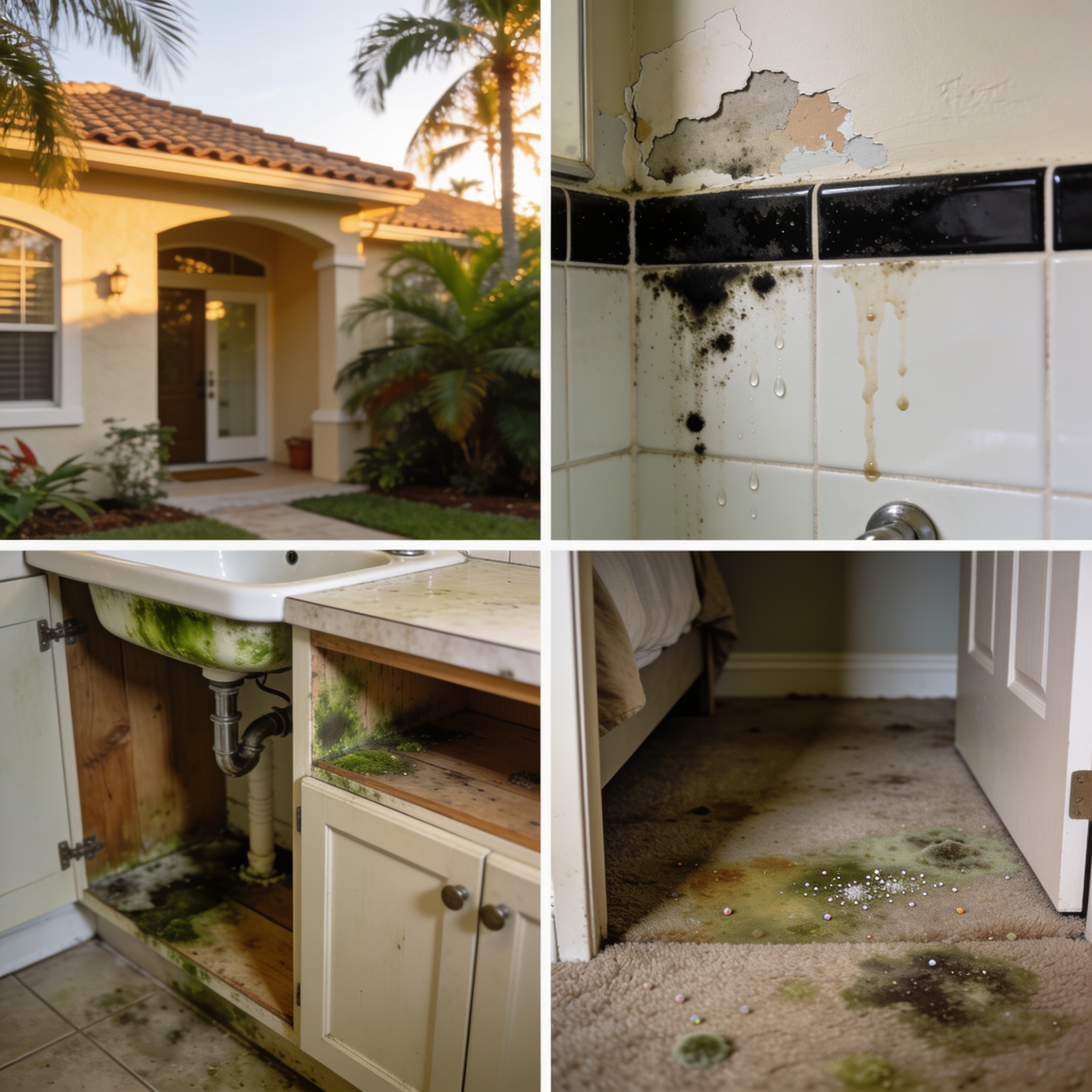
The signs of mold in your home often appear as subtle changes in your indoor environment before they become visible colonies. Because mold can grow in as little as 24-48 hours, you should look for persistent musty odors, warping floorboards, or peeling wallpaper in areas prone to moisture, such as bathrooms and kitchens. Excess moisture can lead to mold growth, so maintaining proper ventilation is the key to mold prevention.
The 5 visual signs of black mold
- Visible dark or discolored patches on walls and ceilings often indicate a hidden water leak behind the drywall.
- Fuzzy or slimy textures appearing on organic materials like wood, carpet, or drywall are clear indicators of active fungal growth.
- Persistent dampness or condensation on windows and walls suggests that your home has excessive indoor humidity levels.
- Warping, buckling, or bubbling of paint and wallpaper is a classic sign that moisture has compromised the surface integrity.
- Musty or earthy smells that do not dissipate after cleaning are often the first alert that mold is growing in an inaccessible area.
What Is Considered Toxic Mold?
Toxic mold is a term often used by the public to describe species like Stachybotrys chartarum, though the United States Environmental Protection Agency notes that all indoor mold can potentially affect health. Exposure to mold can lead to respiratory issues, making it vital to contact Mold Remediation and Removal Companies to assess the extent of the contamination. The amount of mold present in your home often dictates the urgency of the response required to protect your property value.
Does Home Insurance Cover Mold?
Whether your insurance company may pay for mold damage depends on the specific language in your home insurance policy regarding water damage. Most insurance policies include specific exclusions for mold, fungi, and bacteria unless they are explicitly added via an endorsement. If you are dealing with a significant event, you may need Water Damage Restoration, to mitigate the moisture before mold can start growing. Always remember that you should not perform permanent repairs until your insurance adjuster has inspected the site, but you must take repairs until your insurance company authorizes them to prevent further loss.
When Homeowners Insurance Covers Mold
Insurance covers mold damage only when it is a direct result of a “covered peril,” such as sudden and accidental water damage from a burst pipe. If a plumbing failure occurs, the resulting water and mold damage is usually covered by insurance, and the subsequent mold coverage may be included under that same claim. However, you must act quickly, as insurance adjusters will deny claims if they believe the mold is caused by a long-term, unaddressed leak. Most providers usually cover mold damage only when it is linked to these specific, sudden events.
When Home Insurance Does Not Cover Mold
Home insurance does not cover mold that results from long-term maintenance neglect, such as a slow, undetected drip under a sink. Insurance companies view these issues as preventable, meaning the homeowner is responsible for the cost. Furthermore, if your home is in a high-risk flood zone, your standard policy may not cover mold damage caused by rising water; you would need a separate flood insurance policy from the National Flood Insurance Program to handle those specific damages.
How to File a Mold Claim
To file a mold claim, you must first identify the source of moisture. If the homeowners insurance covers mold, they will often require a certified professional to remove the mold to ensure it does not return. Note that an insurer will authorize remediation only if the mold is a result of a covered peril. The following table outlines typical cost factors, including the average cost of mold remediation, associated with professional services:
| Factor | Estimated Cost Range |
|---|---|
| Small area (e.g., bathroom vanity) | $500 – $1,500 |
| Medium area (e.g., bedroom wall/carpet) | $2,000 – $4,000 |
| Large area (e.g., entire basement/HVAC) | $5,000 – $10,000+ |
How to Cover Mold Damage
Mold covered by insurance is generally limited to specific scenarios. Your policy will likely cover mold damage or removal if it results from a sudden, accidental plumbing failure. In these cases, the insurer pays for mold damage as part of the total restoration effort. Always check if your specific mold claim clause includes limitations on the dollar amount for remediation services, especially if the mold is extensive.
Prevent Mold in Your Home
The most effective way to help prevent mold in your home is to maintain indoor humidity levels below 60% and address any water leak immediately. Using a dehumidifier, ensuring proper ventilation in bathrooms, and regularly inspecting your roof and plumbing are essential maintenance tasks for every SWFL homeowner. Taking these proactive steps is the best insurance against the high cost of professional mold removal.
Frequently asked questions
Understanding these common concerns can help you navigate the complexities of property insurance and mold management in Florida.
Does standard homeowners insurance cover mold if it is caused by a hurricane?
Standard homeowners insurance policies typically do not cover flood-related mold, which requires a separate flood insurance policy. However, your policy may cover mold if it results from wind-driven rain entering through a roof damaged by the storm.
How long does it take for mold to grow after a water leak?
Mold can start growing in as little as 24 to 48 hours after a water leak occurs, making immediate mitigation critical. Because mold is covered by homeowners insurance only under specific conditions, acting fast is essential.
Is mold remediation covered if the cause is a sewer backup?
Coverage for mold caused by a sewer backup depends on whether you carry specific water backup coverage as an endorsement on your policy.
Can I perform mold removal myself to save money?
While you can clean small, non-porous surfaces, the EPA recommends professional remediation for any mold growth covering more than 10 square feet.
See also: Water Damage Restoration
Our editorial team verifies licensing and reviews for every restoration company in the directory and writes practical, Florida-specific guides to help homeowners act fast and protect their insurance claims after water, fire, mold or storm damage.