Is Mold Covered by Insurance? A Homeowner’s Guide to Coverage
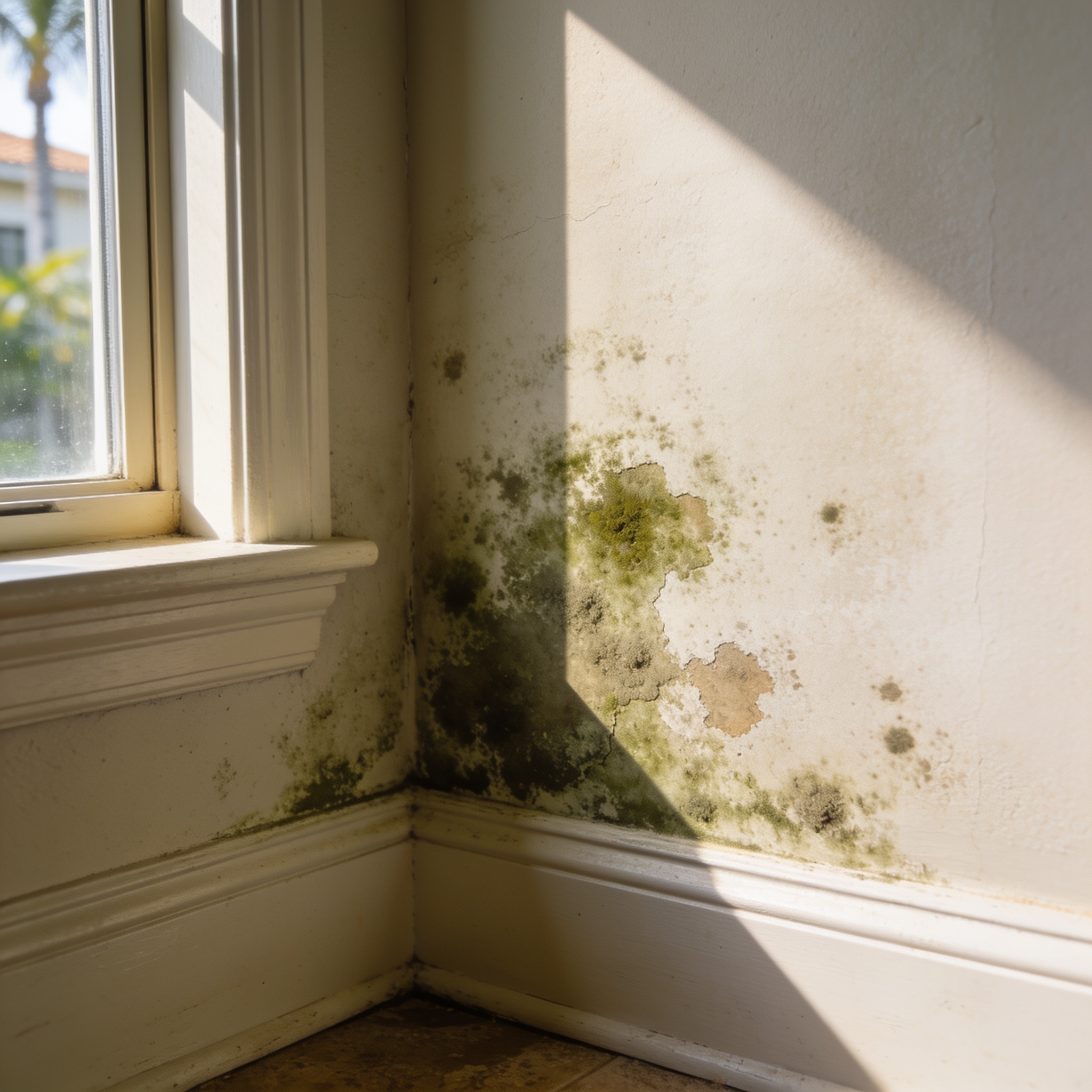
Whether your home insurance cover mold expenses depends primarily on whether the underlying cause is a sudden, accidental water event rather than long-term neglect or flood-related moisture. In Southwest Florida, where humidity levels frequently exceed 70%, your homeowners insurance typically only pays for remediation if the mold is a direct result of a covered peril, such as water damage from a burst pipe, rather than gradual seepage. Understanding if mold damage in your home is covered requires reviewing your specific policy to see if it includes coverage for mold. You should find out if mold is explicitly listed as a covered peril in your declarations page.
Key Takeaways
- Homeowners insurance policies usually typically cover mold only when it results from a sudden, accidental water leak.
- Gradual water damage, such as a slow pipe drip or roof leak ignored over time, is generally excluded from coverage.
- Damage caused by rising floodwaters is never covered by standard home insurance and requires a separate National Flood Insurance Program (NFIP) policy.
- Failure to perform routine home maintenance often lead to mold growth, which won’t cover the costs by your provider.
- Documenting the source of the moisture is the most critical step when you file a claim for mold with your insurance company.
Does Home Insurance Covers Mold in Your Home?
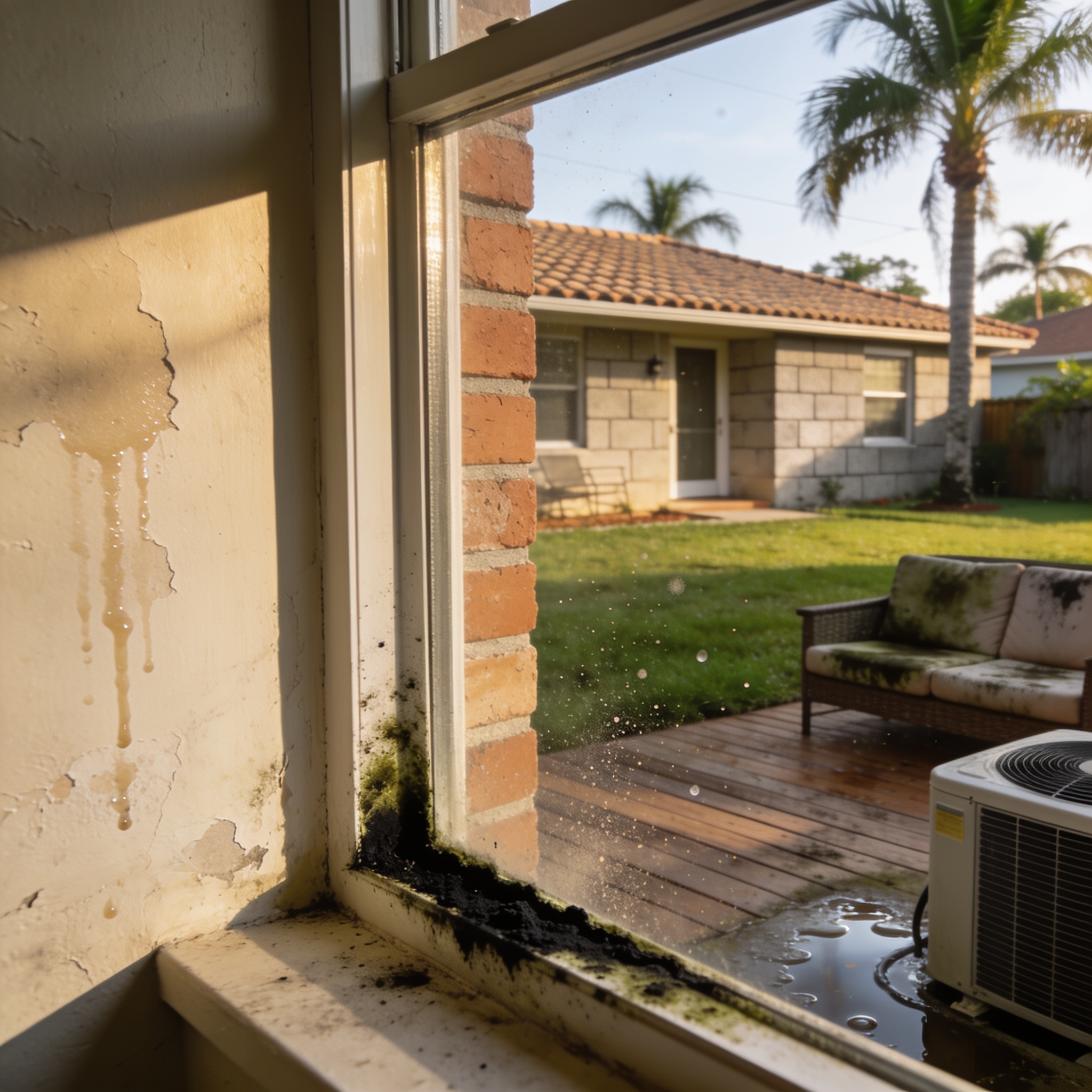
Standard homeowners insurance policies usually cover mold damage when it is a direct result of a sudden and accidental water damage event. If a pipe bursts in your Lee County home, the resulting water damage and subsequent mold are often treated as part of the same covered loss. However, if the mold develops because of high humidity or poor ventilation, the insurance company may deny the claim. It is important to note that home insurance covers water damage only when it originates from a sudden, accidental source. Because mold is caused by moisture, insurers look closely at the timeline of the leak.
When Is Filing a Mold Claim Covered by Home Insurance?
Your insurance covers mold remediation only when the moisture source is a specifically named covered peril in your policy. For example, if a supply line to your washing machine snaps, the sudden discharge of water is a covered peril. You should consult is water damage covered by homeowners insurance experts to document the origin of the moisture immediately. If the damage is sudden, the insurer may help cover mold and the cost to dry the structure. If you suspect an issue, talk to your insurance provider to confirm if mold coverage is included under your specific terms.
When Is Mold Not Covered by Insurance Policies?
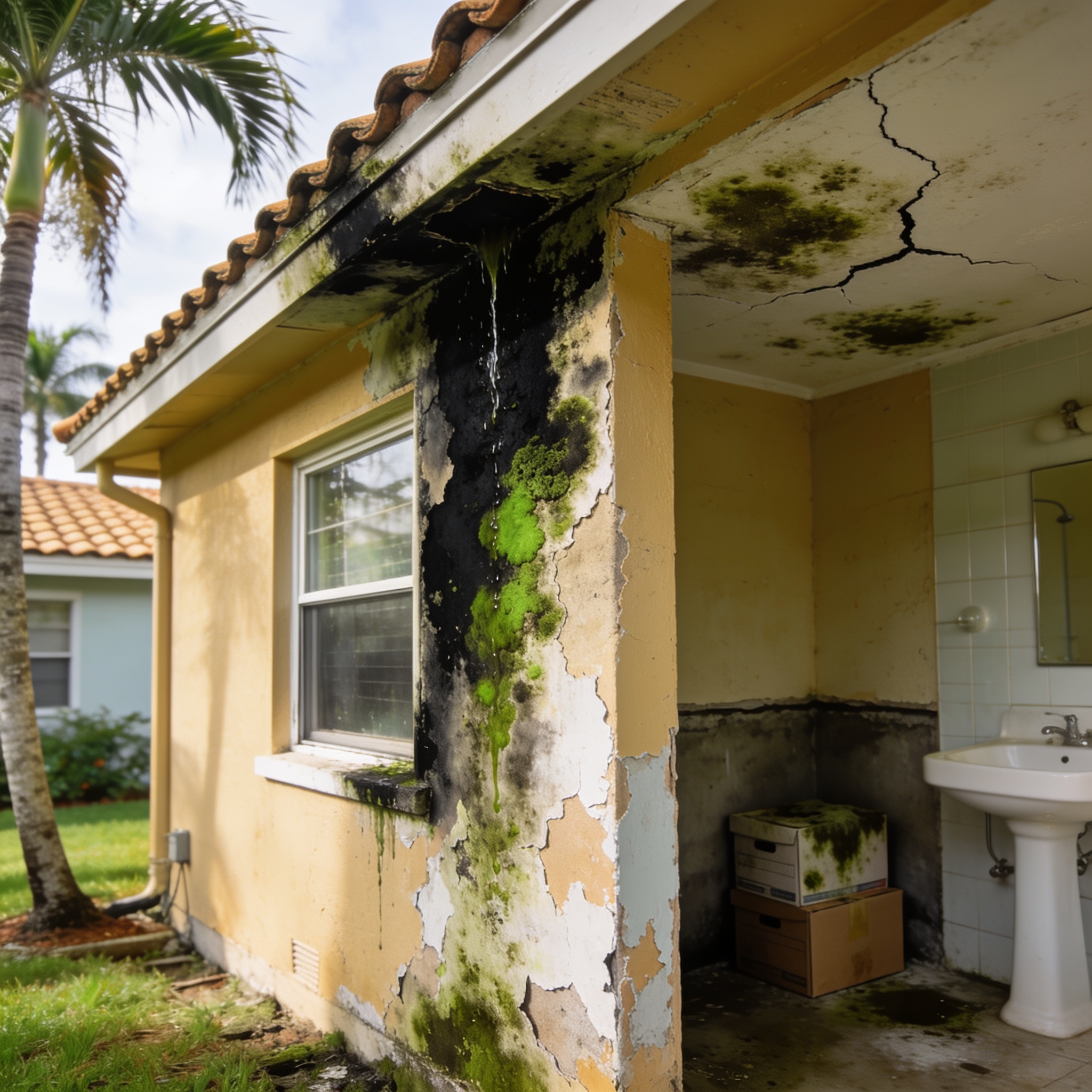
Insurance companies consistently exclude mold damage caused by long-term maintenance neglect, such as a slow, undetected leak. If an inspector determines that the mold has been growing for weeks or months due to a lack of home maintenance, the claim for mold will be denied. Furthermore, policies don’t cover mold caused by flooding—defined as water rising from the ground—and requires separate flood insurance. Because mold can grow rapidly, failing to address minor leaks can result in a situation that won’t cover the damage, as these don’t cover gradual deterioration.
How Much Does Insurance Claims Pay for Professional Mold Remediation?
The amount your insurance company pays for professional mold remediation is strictly limited by the specific sub-limits written into your policy. Many insurers cap coverage at $5,000 to $10,000, even if the total policy limit for dwelling coverage is much higher. You should review your declarations page to see if your policy may cover mold remediation through a specific endorsement, which can sometimes increase these limits. If mold is extensive, you may be responsible for costs exceeding your policy’s sub-limit.
What Are Your Other Options When Covered by Home Insurance?
Homeowners who live in high-risk zones should maintain a separate flood insurance policy through the National Flood Insurance Program to protect against water-related mold. While standard policy terms may cover a burst pipe, they won’t cover mold resulting from storm surge or heavy tropical rainfall entering the home. Always verify if your specific policy provides any “loss of use” coverage, which helps pay for temporary housing if your home becomes uninhabitable during the remediation process.
Should You File a Claim — and Will It Raise Your Rates?
Filing a mold claim can lead to increased premiums or even non-renewal of your policy, especially if you have filed other insurance claims recently. Before calling your provider, obtain an estimate from a reputable professional mold remediation company to see if the cost of repairs is significantly higher than your deductible. If the cost is only slightly above your deductible, paying out of pocket may be more cost-effective than risking a rate hike on your home insurance claims, as some won’t cover damages that fall below certain thresholds.
What Are the Steps to File a Mold Insurance Claim?
The first step in filing a mold claim is to stop the source of moisture and document the damage with high-resolution photographs. You must contact your insurance company as soon as you discover the signs of mold to report the incident. Follow these professional guidelines to ensure your claim is processed correctly:
- Document everything: Take photos of the leak and the visible mold.
- Mitigate further damage: Take reasonable steps to prevent mold issues, such as setting up a dehumidifier.
- Keep records: Save all receipts for emergency repairs or temporary lodging.
- Get an inspection: Hire a licensed professional to write a formal report on the cause of the mold.
What If You Can’t Afford Mold Removal or Your Claim Is Denied?
If your claim is denied, you may consider hiring a public adjuster to review your policy and challenge the insurance company’s decision. If you cannot afford the cost of mold remediation, some local restoration firms offer financing options to help manage the financial burden. Never ignore the mold, as mold can cause structural damage to your home and potential respiratory issues for your family.
How Can You Prevent Mold in Your Home and Protect Your Coverage?
Consistent home maintenance is the most effective way to prevent mold in your home and ensure your insurance coverage remains valid. In the humid climate of Southwest Florida, managing indoor moisture is a full-time responsibility. Use the following table to track your maintenance schedule:
| Maintenance Task | Frequency | Why It Matters |
|---|---|---|
| Check under sinks for leaks | Monthly | Prevents hidden water damage |
| Clean HVAC condensate lines | Quarterly | Prevents overflow and mold insurance claims |
| Inspect roof for missing tiles | Biannually | Stops water intrusion during storms |
Frequently asked questions
Understanding the nuances of your policy is essential for navigating the complexities of mold-related insurance claims in Florida.
Does homeowners insurance cover mold if it is caused by a roof leak?
Most homeowners insurance policies only cover mold from a roof leak if the leak was caused by a sudden, covered peril like a hurricane. If the roof leaked due to wear and tear or lack of maintenance, the resulting mold damage is typically not covered.
Is mold covered by insurance if it is in the basement?
Mold in a basement is rarely covered because most insurers classify basement water issues as seepage or flooding, which are excluded from standard policies. Unless you can prove the mold resulted from a sudden, accidental pipe burst, your insurance company will likely deny the claim.
How long do I have to report mold to my insurance company?
You should report mold to your insurance company as soon as you discover it, as delays can be used as a reason to deny your claim for failing to mitigate damages. Prompt notification is a requirement in almost all insurance policies to prevent further deterioration of the property.
Will a dehumidifier help prevent mold in my home?
Using a dehumidifier is an excellent way to help prevent mold in your home by keeping indoor humidity levels below the 60% threshold recommended by the EPA. Maintaining low humidity is a critical part of home maintenance that can protect your property and keep your insurance coverage in good standing.
Can I hire my own contractor for mold remediation?
You have the right to hire your own contractor for mold remediation, but you should always get approval from your insurance adjuster first. Ensuring your chosen company is licensed and follows IICRC standards will help ensure the work is acceptable to your insurance provider for reimbursement purposes.
See also: mold remediation companies near me
See also: Water Damage Restoration in Lehigh Acres
See also: Water Damage Restoration
Our editorial team verifies licensing and reviews for every restoration company in the directory and writes practical, Florida-specific guides to help homeowners act fast and protect their insurance claims after water, fire, mold or storm damage.