How to Clean a Flooded House Safely and Effectively
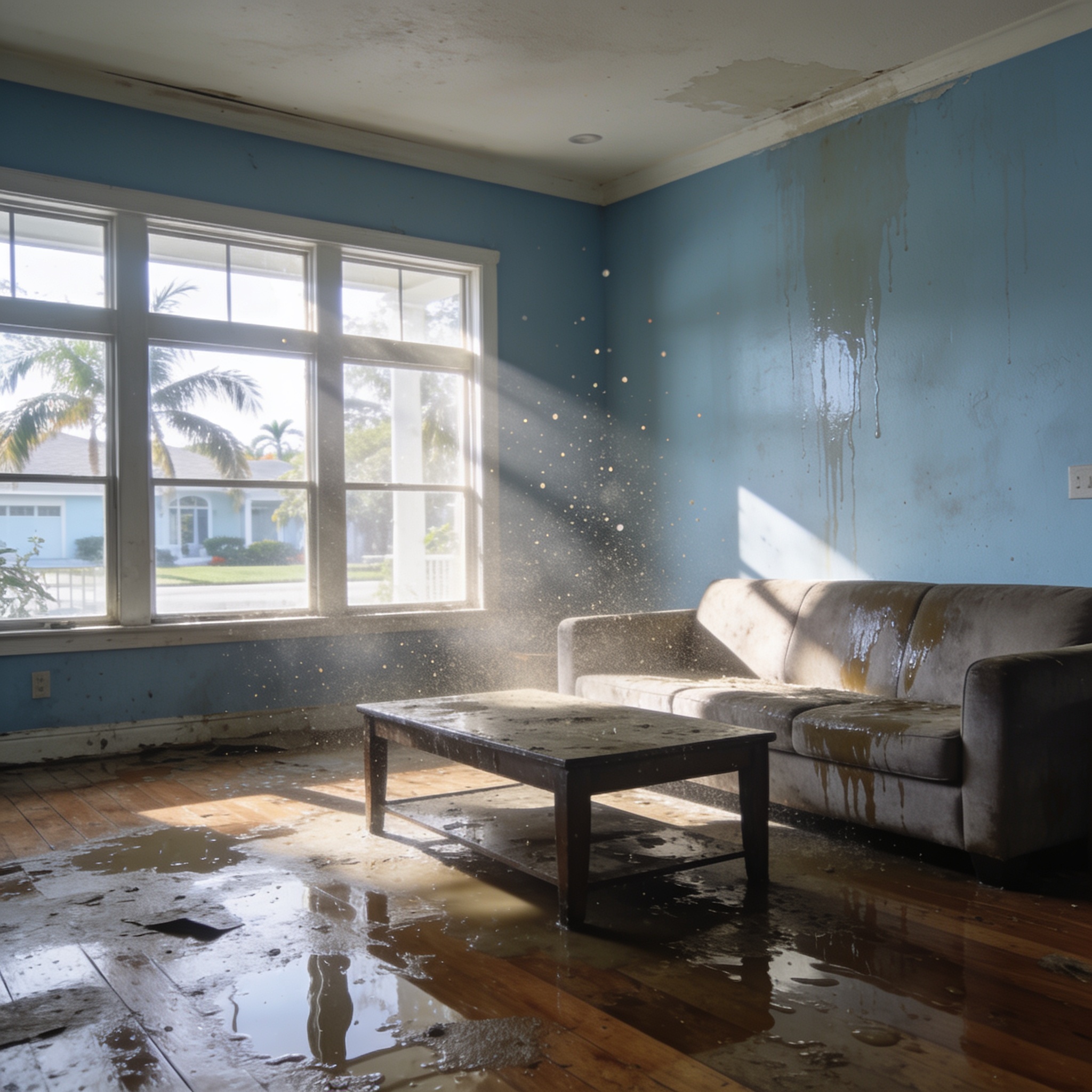
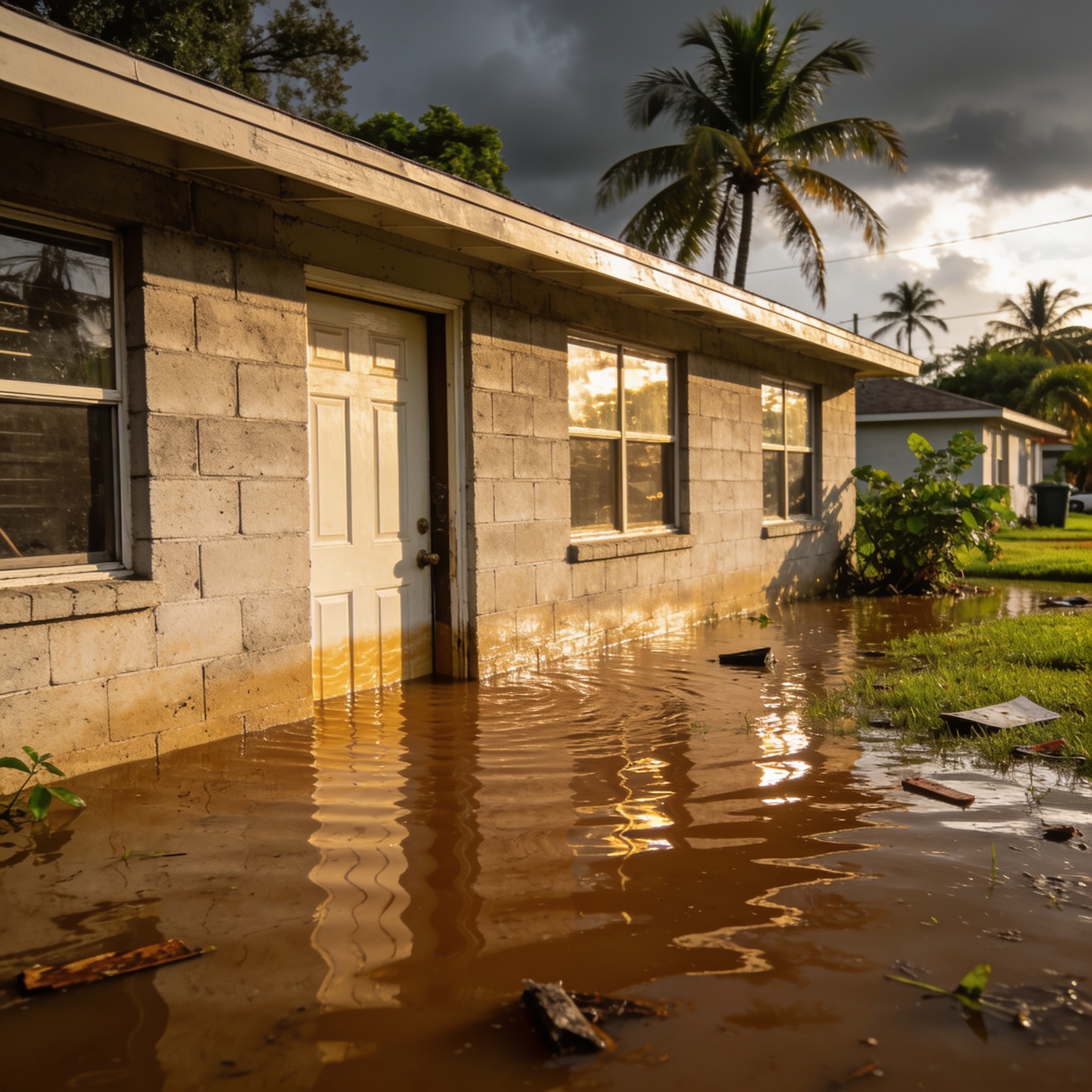
Cleaning a flooded house effectively requires an immediate investment of $2,000 to $5,000 for basic professional-grade equipment and disposal fees, though the total cost to restore a property in Southwest Florida often exceeds $20,000 depending on the extent of water damage. Following a storm or surge, homeowners must prioritize safety and structural integrity before beginning the process to clean up after a flood. Swift action is the single most decisive factor in preventing long-term structural decay and toxic mold colonization in humid environments like Lee, Collier, and Charlotte counties. When you need to clean up your home, remember that the restoration process take weeks or even months to complete fully, as the damage to your home can be extensive.
Key Takeaways
- Prioritize personal safety by shutting off electricity and gas before entering a
flooded home
. - Document all damage with photos and videos for your flood insurance claim before starting any
clean-up
. - Remove porous materials like drywall and insulation that have been contaminated by flood water.
- Utilize industrial-grade dehumidifiers and high-velocity fans to lower moisture levels below 15% in wood framing.
- Consult with a professional if you suspect the presence of sewage, as this requires specialized containment and biohazard protocols.
What Are the First Steps to Take After a House Floods?
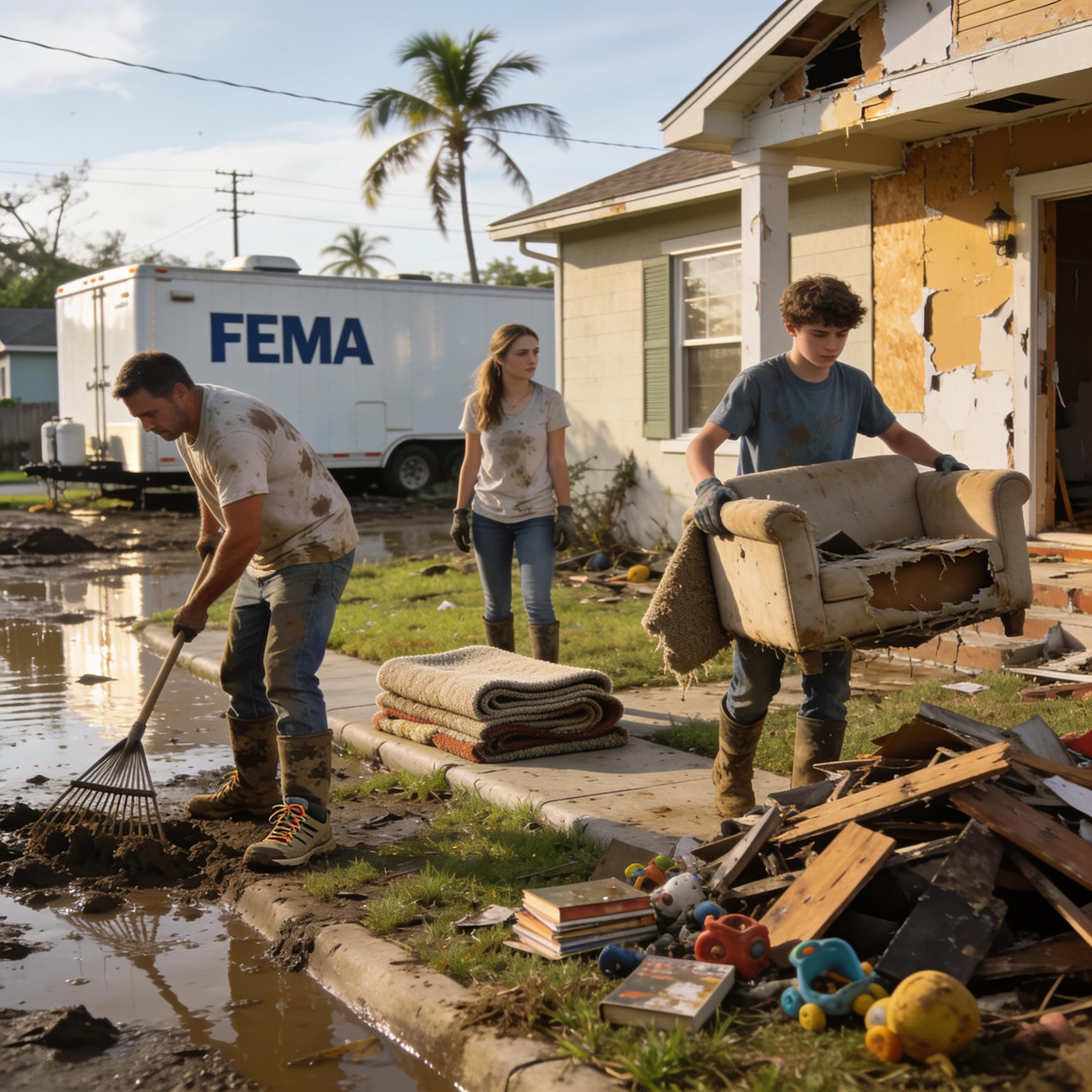
The first step in any flood cleanup is to ensure the building is structurally sound and safe to enter. Contact your insurance company immediately to report the loss and obtain authorization before you begin to clean up after a flood. Document every room by taking high-resolution photos and videos of the standing water, the water line on walls, and any damaged personal property. According to FEMA guidelines, you should not enter your home until local authorities have declared it safe from electrical, gas, and structural hazards. You must address the water as soon as possible to minimize long-term destruction.
What Safety Precautions Should You Take When Cleaning a Flooded House?
Safety precautions are the most critical component of the clean-up process to prevent injury from hidden hazards. You must wear an n-95 respirator, rubber gloves, and protective goggles to shield yourself from airborne mold spores and contaminated debris. Never use a gas-powered generator inside a flooded home or near windows and doors, as carbon monoxide poisoning is a leading cause of death following tropical cyclones. If you encounter sewage-contaminated water, treat the area as a biohazard and avoid skin contact at all costs.
Can a Flooded House Be Saved — or Is the Damage Too Severe?
A flooded house can often be saved if the cleaning and drying process begins within the first 24 to 48 hours to prevent irreversible material degradation. The IICRC notes that the success of restoration depends on the category of water; clear water from a pipe burst is easier to remediate than black water from a storm surge. If the structure has been submerged for more than a week, the risk of rot and structural failure increases significantly. You may be able to save solid wood framing if it is dried thoroughly, but particle board and pressboard typically may need to be removed and discarded, though some structural beams might be salvageable.
What Materials Should Be Removed or Discarded After a Flood?
Materials that are highly porous and prone to hold water must be removed and discarded to prevent long-term mold growth. Insulation, carpet pads, and drywall that have been submerged in flood water are generally considered unsalvageable. In Southwest Florida, the high humidity levels make it nearly impossible to dry out saturated building insulation, which acts like a sponge for bacteria. You must also dispose of any mattresses, upholstered furniture, or textiles that have been in contact with flood water, as these items are difficult to sanitize effectively.
How Can You Dry Out a Flooded House Quickly and Effectively?
The most effective way to dry your home is to use a combination of commercial dehumidifiers and air movers to force moisture out of the wall cavities. You should get air circulating as soon as possible by open doors and windows if the outside humidity is lower than the indoor humidity. To assist this, use fans to accelerate evaporation. For professional Water Damage Restoration mitigation, technicians often use structural drying equipment that can dry from the inside out. The total drying time can take several weeks or even months depending on the saturation level of the building materials.
What Cleaning Methods and Products Should Be Used After a Flood?
Cleaning methods must prioritize the removal of mud and silt from corners, walls, and floors to prevent future contamination. Start cleaning by using a stiff brush and a detergent solution to scrub hard surfaces like concrete or tile. For more complex structural issues, you might require specialized Water Damage Restoration services to ensure the property is properly sanitized. Ensure you scrub deep into cracks and crevices where debris hides. Avoid using excessive amounts of water during the cleaning phase, as you want to keep the moisture content in the building materials as low as possible.
How to Clean and Disinfect a House After a Flood?
Disinfecting a house after a flood requires a solution that effectively neutralizes mold and bacteria without damaging the remaining structure. You can mix household bleach with water to create a bleach solution (1 cup per gallon of water) to sanitize non-porous surfaces like tile, glass, or sealed wood. When preparing your mixture, use exactly 1 gallon of water for the specified amount of bleach. Alternatively, you can use washing soda or tri-sodium phosphate for heavy-duty scrubbing. Always apply a mildew-resistant coating after the surfaces are completely dry to provide a secondary layer of protection.
How Long Does It Take for Mold to Set In After a Flood — and What Kills It?
Mold growth can begin within 24 to 48 hours in the high-humidity environment of Southwest Florida if moisture is not removed. The EPA states that there is no practical way to kill all mold and mildew in a flooded home; the focus must be on removing the moisture source and the affected materials. Once mold has penetrated porous materials like drywall or wood, it is usually impossible to clean completely, and replacement is the only safe option. You must maintain indoor air quality by keeping humidity levels below 50% to inhibit further fungal colonization.
The 7-Step Recovery Checklist for a Flooded House
Following a structured plan is the most efficient way to manage the home cleanup of a flooded property. Adhering to these steps ensures that you do not miss critical safety or insurance-related tasks during the chaos of the flood clean.
- Step 1: Secure the property and turn off all utilities to prevent electrical shock or gas leaks.
- Step 2: Contact your insurance company to initiate a claim and follow their specific documentation requirements.
- Step 3: Remove all standing water using pumps or wet-dry vacuums to stop the saturation of building materials.
- Step 4: Discard all porous materials like carpet, insulation, and drywall that have been contaminated by flood water.
- Step 5: Clean all hard surfaces using a detergent and water solution to remove mud, silt, and contaminants.
- Step 6: Disinfect the structure using a safe, approved solution to neutralize remaining mold and bacteria.
- Step 7: Implement a comprehensive drying strategy using dehumidifiers and fans to reach a safe moisture content level.
When Should You Hire a Professional to Clean Up a Flooded House?
You should hire a professional to clean up a flooded house if the water involved contains sewage or if the damage covers more than 10 square feet of area. Professional Water Damage Restoration teams have the industrial-grade equipment necessary to dry a structure from the inside out, which is often beyond the capability of residential tools. Hiring a contractor is also recommended if you have health concerns or if the home has been damaged by water for more than 48 hours. Professionals follow strict IICRC standards to ensure the home is safe for re-occupancy.
Frequently asked questions
Addressing common concerns regarding flood recovery can help homeowners make informed decisions during the restoration process.
Is it safe to use bleach on all surfaces?
No, bleach can damage certain porous materials like wood or drywall and should only be used on non-porous surfaces like tile or concrete.
How do I know if my drywall is salvageable?
If the drywall has been soaked by flood water, it generally need to be cleaned or removed and discarded because it will harbor mold and lose its structural integrity.
Can I use a regular shop vacuum to remove flood water?
You can use a wet-dry vacuum for small amounts of water, but it is not sufficient for deep flooding and may pose an electrical shock hazard.
How long should I run a dehumidifier after a flood?
You should run a commercial-grade dehumidifier continuously until moisture meters indicate that the building materials have reached a safe, dry level.
What is the difference between clean water and black water?
Clean water comes from a broken pipe, whereas black water contains sewage or hazardous contaminants and requires professional remediation.
| Material Type | Action Required | Salvage Potential |
|---|---|---|
| Drywall | Remove and dispose | None |
| Solid Wood | Cleaning and repairing | High |
| Insulation | Remove and dispose | None |
| Tile/Concrete | Clean and disinfect | High |
| Carpet | Remove and dispose | Low |
| Wood Floors | Refinish after drying | Moderate |
Our editorial team verifies licensing and reviews for every restoration company in the directory and writes practical, Florida-specific guides to help homeowners act fast and protect their insurance claims after water, fire, mold or storm damage.