Is Mold in Air Vents Harmful? What You Need to Know
Mold in air vents is harmful because it acts as a distribution system for mold spores, which can lead to respiratory irritation and structural damage in 100% of cases where moisture remains unaddressed. Whether you are dealing with minor surface growth or a severe mold infestation, the presence of indoor mold in your home requires immediate attention to protect your property and health. In Southwest Florida, where humidity levels frequently exceed 70%, your HVAC system is particularly susceptible to becoming a breeding ground for mold growing inside the unit. Because mold spores can cause health issues when they travel through the air, addressing a mold problem early is essential. Recognizing the warning signs early, such as musty odors or visible growth, is the first step in addressing mold before it compromises your home. If you suspect mold is present inside, you must act quickly, as mold spreads rapidly through ventilation systems.
Key Takeaways
- Mold in air vents creates a delivery mechanism that circulates allergens throughout your entire home.
- High humidity in SWFL makes air ducts an ideal environment for mold growth if condensation is not managed.
- Professional inspection is the only way to confirm if the substance you see is truly hazardous black mold.
- Effective mold remediation requires addressing the underlying moisture source, not just cleaning the vents.
- Regular maintenance of your HVAC system is the most effective way to prevent mold from coming back.
- Prioritizing mold prevention through consistent air circulation will help keep mold from colonizing your ductwork.
Is Mold in Air Vents Dangerous or Harmful to Your Home and Health?
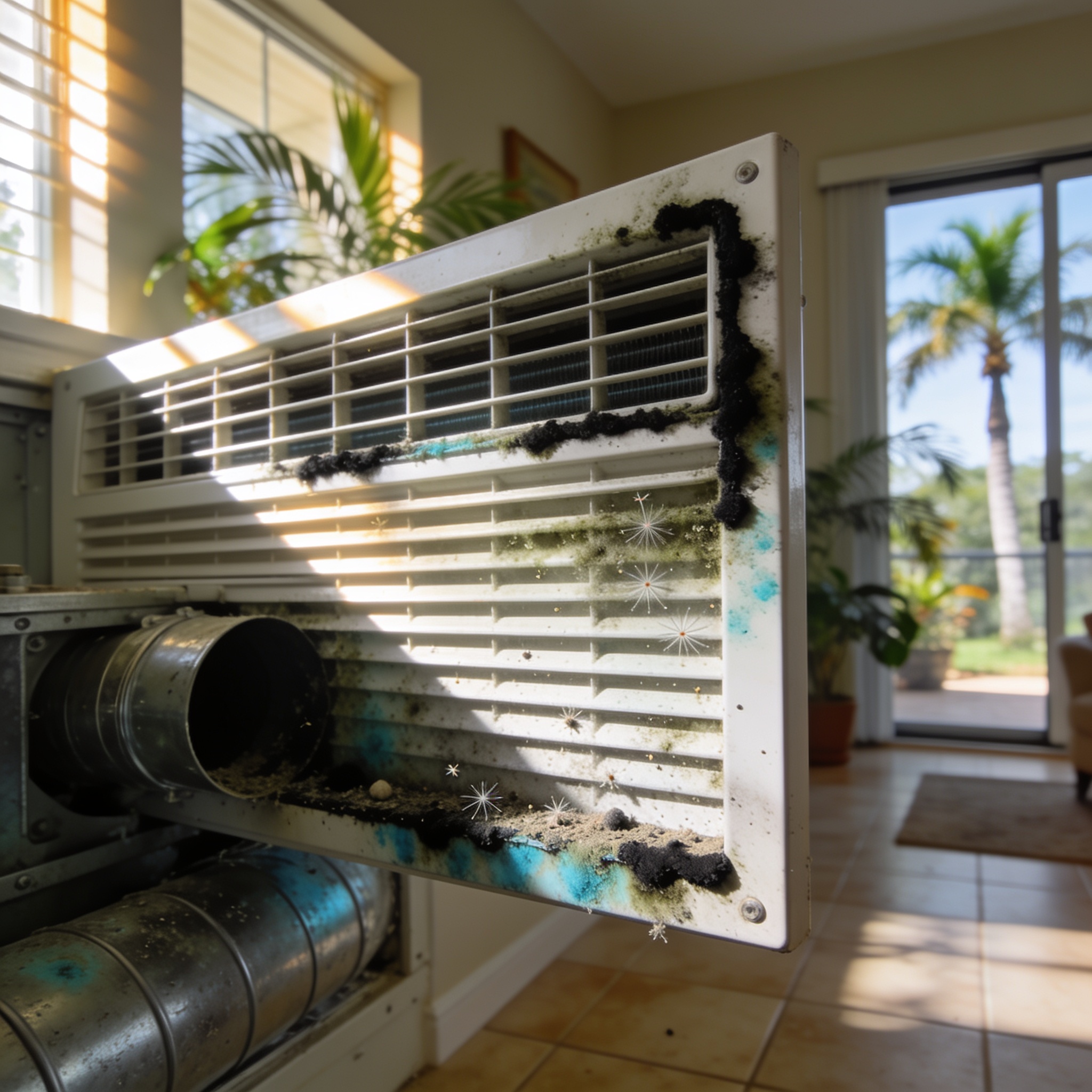
Mold in air vents is dangerous because it compromises your indoor air quality by constantly circulating spores into the air you breathe. According to the United States Environmental Protection Agency (EPA), mold spores are present everywhere, but they only become a health hazard when they settle in damp areas and begin to colonize. If you notice black mold in your air, it is a sign that the colony has matured. In the humid climate of Lee and Collier counties, your air conditioning system often experiences condensation buildup, creating a perfect habitat for mold to thrive. If left unchecked, this mold inside can spread to other rooms, causing long-term damage to your property and potential respiratory issues for your family. Understanding that mold in your air ducts can affect indoor air quality is vital for maintaining a healthy living space.
How Can You Identify Mold in Your Air Vents or HVAC System?
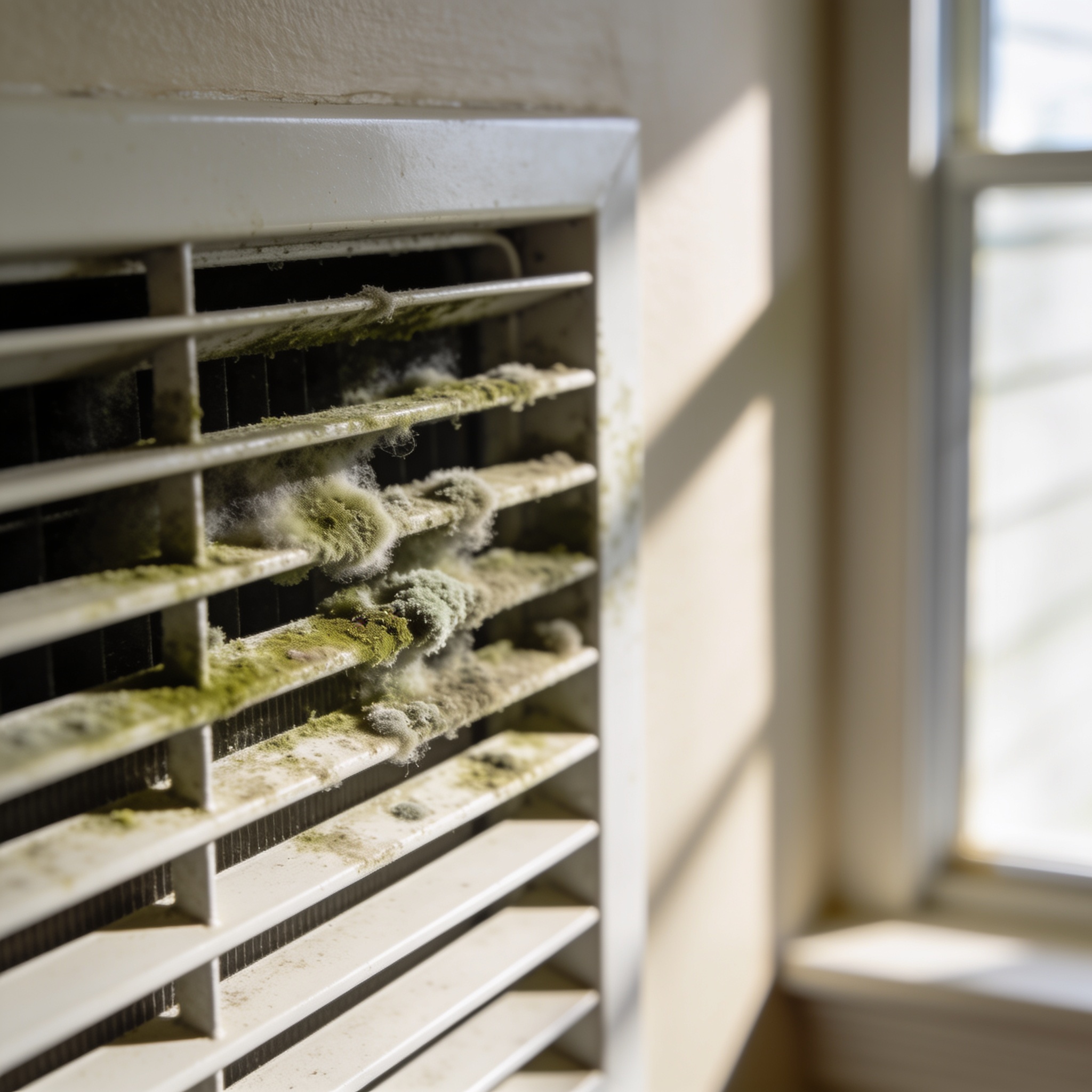
Identifying mold in your air vents often starts with a persistent, musty odor that becomes more noticeable when the air conditioner turns on. You should inspect your vent covers for visible mold, which may appear as fuzzy, black, green, or white patches. If you suspect mold in your HVAC, look for signs of dust buildup that appears damp or discolored. Using a moisture meter or a hygrometer can help you determine if the humidity levels inside your ductwork are high enough to support mold growth. If you are unsure, a mold test can provide clarity on the concentration of spores present. Always be vigilant for surface mold from vent covers, as this is often the first indicator that mold in ac vents has begun to develop.
The 5 signs of mold in your air vents
- Musty Odors: A persistent, earthy smell that intensifies whenever your HVAC system kicks on is a primary indicator of mold contamination.
- Visible Growth: You can see fuzzy or discolored spots on the ac vents or the around vents ceiling and wall surfaces.
- Physical Symptoms: Residents may experience sudden, unexplained sneezing, coughing, or itchy eyes specifically when spending time indoors.
- Dust Accumulation: Excessive, clumped, or damp-looking dust inside the vents suggests that moisture is trapping debris and fueling fungal growth.
- Signs of Black Mold: Look for dark, soot-like clusters that indicate black mold in air vents, which requires immediate professional attention.
What Causes Mold to Grow in Air Vents and HVAC Systems?
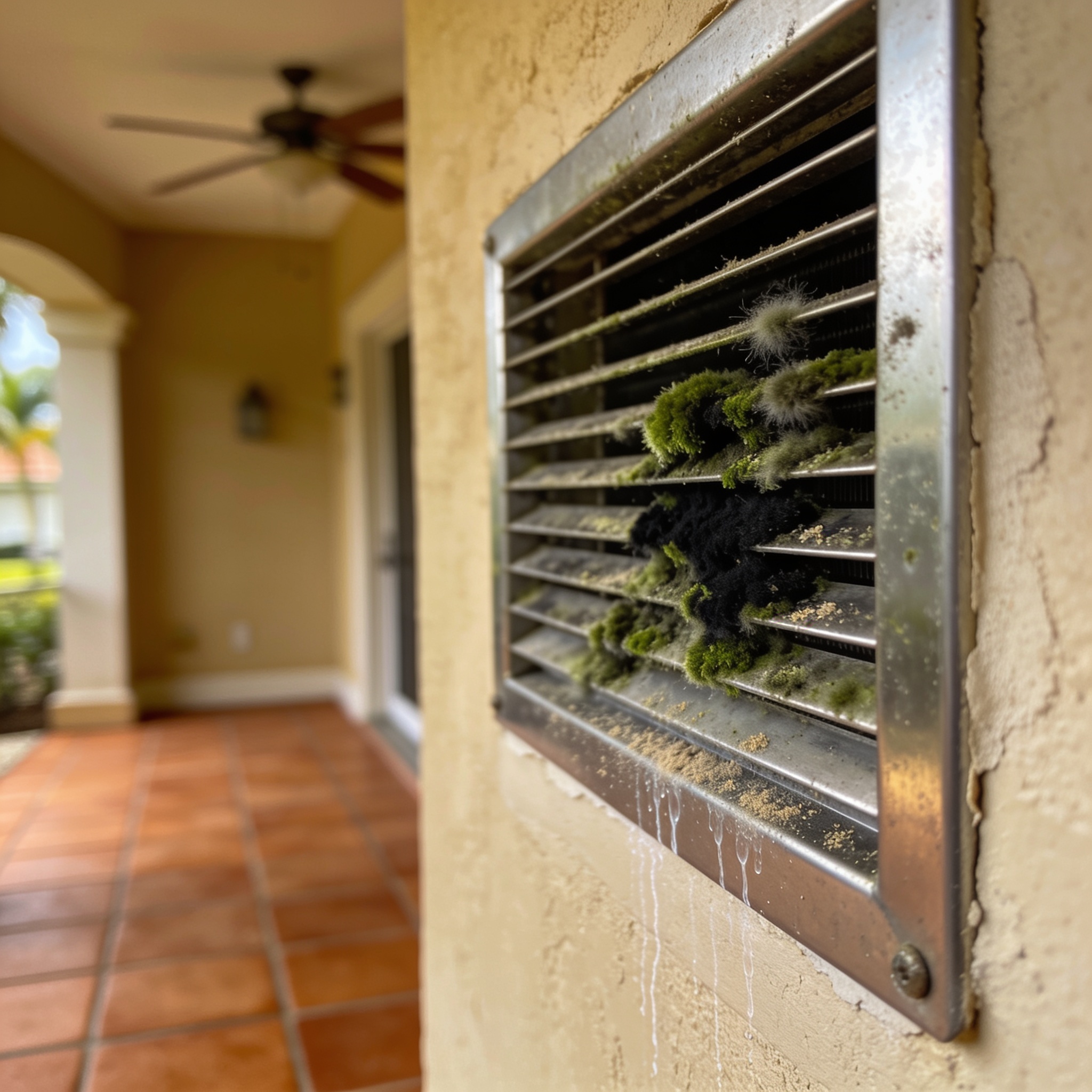
Mold growth in air vents is primarily caused by excess moisture, which is frequently exacerbated by the high humidity levels found throughout Southwest Florida. When warm, humid air meets the cold surfaces of your metal ducts or AC coils, condensation forms, providing the water that mold needs to colonize. Poor airflow and clogged air filters can also contribute to this problem by trapping dust and organic debris that serve as food for mold spores. In many cases, a mold remediation professional finds that improper insulation or leaks in the ductwork are the root causes of the infestation. Common causes mold in air vents include blocked condensate lines and high indoor humidity, which ultimately lead to mold growth if not managed.
What Are the Common Signs of Mold Sickness or Health Issues from Mold in Air Vents?
Common signs of mold sickness often manifest as respiratory irritation, including persistent coughing, wheezing, and nasal congestion. Exposure to mold can trigger allergic reactions in sensitive individuals, according to the Centers for Disease Control and Prevention (CDC). If you notice that your symptoms improve when you leave your home but return upon re-entry, your HVAC system may be the source of your poor indoor air quality. While not everyone reacts to mold, those with asthma or compromised immune systems are at a significantly higher risk of mold exposure, and even toxic mold can develop if conditions remain damp.
Can Mold in Air Vents Cause Specific Health Conditions Like High CRP or Hashimoto’s?
Scientific evidence currently does not establish a direct causal link between mold in air vents and specific autoimmune conditions like Hashimoto’s or elevated C-Reactive Protein (CRP) levels. While mold exposure can certainly trigger inflammation and stress the immune system, these conditions are complex and multifactorial. It is important to consult with a medical professional regarding specific health concerns rather than assuming mold is the sole cause. However, maintaining a clean home environment is a proactive step in reducing overall environmental stressors on your body.
Can You Clean Mold from Air Vents Yourself, or Should You Call a Professional?
You should generally call a professional for mold in your air vents if the contamination covers a large area or if you have underlying health concerns. While you can wipe down small, non-porous surfaces with mild soap and water, attempting to clean deep inside the ductwork can often release more spores into the air. A professional mold removal service uses specialized equipment, such as HEPA-filtered vacuums and antimicrobial treatments, to ensure the job is done safely and thoroughly. For residents dealing with Water Damage Restoration, it is critical to address the source of the moisture before attempting to remove mold. If you find significant growth, contact a certified mold specialist to ensure the safety of your home.
When Should Air Ducts with Mold Be Replaced Instead of Cleaned?
Air ducts should be replaced rather than cleaned when the mold has penetrated porous materials like fiberglass insulation or internally lined ducts. Once mold spores have embedded themselves into porous surfaces, it is nearly impossible to remove them completely, and they will likely return. If your system has sustained significant Water Damage Restoration needs due to a hurricane or flooding, replacement is often the most cost-effective and safest long-term solution. A certified technician can assess the integrity of your ductwork to determine if remediation is viable or if a full replacement is necessary.
What to Do If You Find Mold in Your Air Vents: A Step-by-Step Action Plan
The first step when you find mold in your air vents is to turn off your HVAC system immediately to stop the circulation of spores throughout your home. Follow this action plan to manage the situation effectively:
- Assess the Scope: Determine if the mold is limited to the vent cover or extends deep into the ductwork.
- Contain the Area: Close off the affected rooms to prevent cross-contamination to other parts of your home.
- Consult a Professional: Contact a licensed professional mold remediation specialist to perform an inspection and provide a remediation plan.
- Address the Moisture: Identify and fix the source of the moisture, whether it is a leaking AC unit, poor ventilation, or high indoor humidity.
- Professional Cleaning: Allow the experts to perform a professional air duct cleaning and apply appropriate antimicrobial treatments to prevent regrowth.
How Can You Prevent Mold from Growing in Your Air Vents and HVAC System?
Preventing mold requires consistent humidity control and regular maintenance of your HVAC system, especially in the humid Florida climate. You can help prevent mold by keeping your indoor humidity levels below 60% using a dehumidifier or your air conditioner. Regularly changing your air filters every 30 to 90 days prevents dust buildup that feeds mold. Additionally, ensure that your ductwork is properly sealed and insulated to prevent condensation from forming on the exterior or interior of the metal ducts. If you need to get rid of mold for good, focus on maintaining a dry, clean environment and prioritize cleaning your air vents regularly to prevent mold growth.
Frequently asked questions
Below are answers to common concerns regarding the safety and maintenance of your home’s air distribution system.
Is bleach effective at killing mold in air vents?
Bleach is generally not recommended for porous surfaces like duct linings because it only kills surface mold and does not penetrate deep enough to stop the roots, often leaving moisture behind that encourages regrowth.
How often should I have my air ducts professionally cleaned?
In Southwest Florida, it is recommended to have your HVAC system inspected annually and cleaned every 3 to 5 years, or sooner if you suspect mold in your HVAC system or have recently undergone significant home renovations.
Can mold in air vents cause long-term respiratory damage?
While most healthy individuals will experience temporary irritation, prolonged exposure to high levels of mold can lead to chronic respiratory issues or the development of allergies in sensitive populations.
How do I know if the mold in my vents is toxic?
There is no simple visual test to determine if mold is “toxic,” as the term is often misused; the only way to identify the specific type of mold and its potential risk is through professional laboratory sampling.
Will my homeowners insurance cover mold remediation in air vents?
Coverage for mold remediation depends entirely on your specific policy and whether the mold was caused by a “covered peril,” such as a sudden pipe burst, rather than long-term neglect or humidity issues.
| Strategy | Effectiveness | Best For |
|---|---|---|
| HEPA Vacuuming | High | Removing loose spores from hvac vents |
| Antimicrobial Spray | Medium | Preventing regrowth after cleaning mold in vents |
| Duct Replacement | Highest | Porous or heavily infested mold in air ducts |
| Humidity Control | Essential | Long-term prevention of mold in your hvac |
See also: mold remediation
Our editorial team verifies licensing and reviews for every restoration company in the directory and writes practical, Florida-specific guides to help homeowners act fast and protect their insurance claims after water, fire, mold or storm damage.