How to Sell a House That Has Flooded: A Practical Recovery Strategy
You can successfully sell a house that has flooded by prioritizing full disclosure and professional remediation, which typically keeps your final sale price within 5% to 15% of comparable non-flooded properties in Southwest Florida. Understanding how to sell a house that has flooded requires a strategic approach to documentation, insurance history, and repair transparency. By following a structured recovery plan, you can mitigate buyer hesitation and navigate the complexities of the local real estate market. When you decide to sell your home, being proactive about your property’s history is the best way to maintain home values and ensure a smooth transaction. Because home sales are highly sensitive to property history, transparency is your greatest asset.
Key Takeaways
- Full disclosure of all past flood events is a legal requirement in Florida real estate transactions.
- Documenting all professional water damage restoration efforts can significantly increase buyer confidence.
- Selling a home as-is often attracts cash investors but may result in a lower overall purchase price.
- High flood insurance premiums in SWFL are a primary factor that influences a buyer’s offer.
- Working with real estate professionals experienced in flood-prone areas is essential for accurate pricing.
- Sellers are required to provide honest documentation regarding any known damage to the property.
What Should You Do Immediately After Your House Floods?
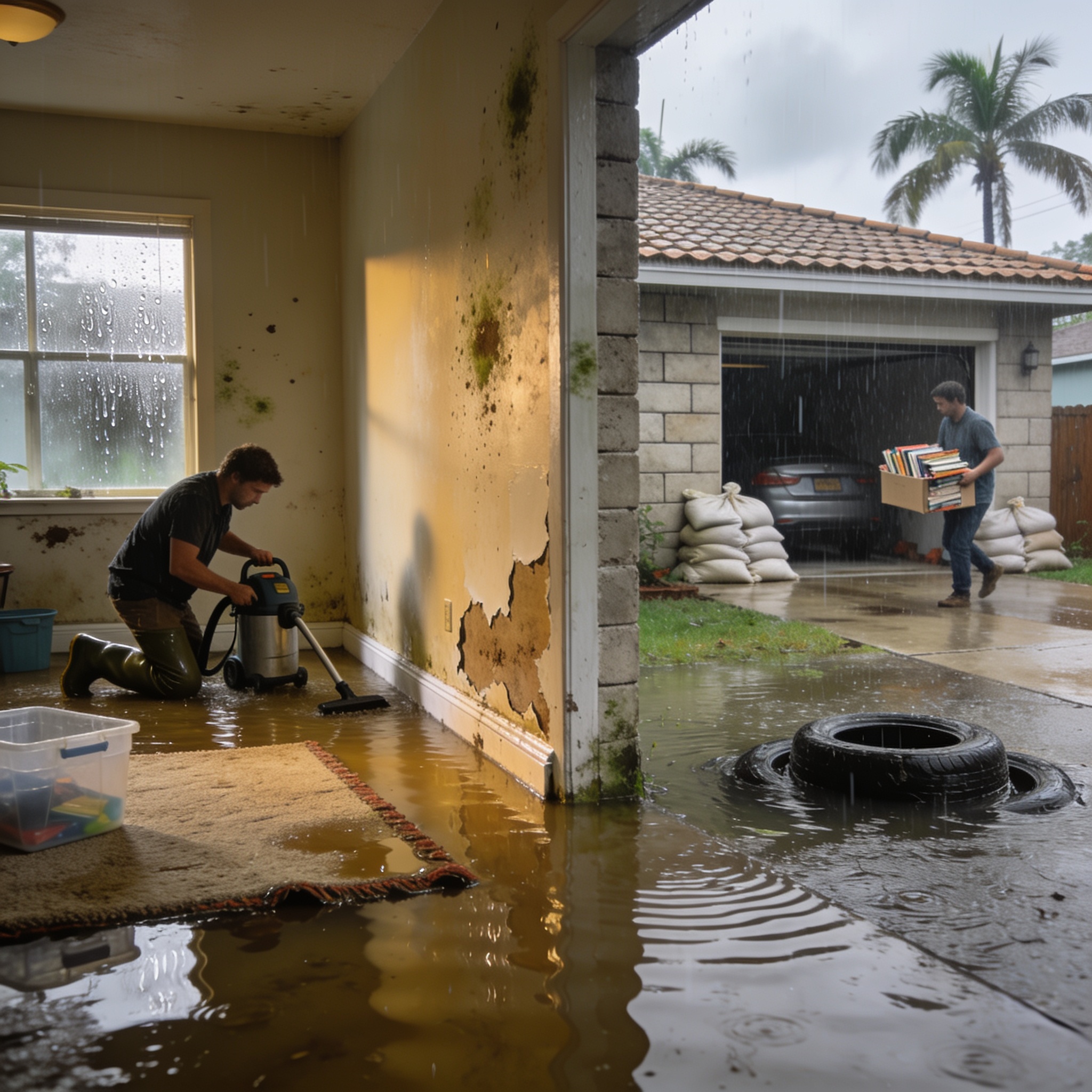
The first priority for any homeowner after a flood is to document the extent of the damage and contact your insurance provider to initiate the claims process. Safety is paramount, so ensure the electricity is turned off and the structure is stable before entering the property. You should consult with experts in Water Damage Restoration to assess the structural integrity and moisture levels in your walls and flooring. Keeping a detailed log of all interactions with your insurance adjuster is critical for future insurance claims and disclosure requirements. If your house has flooded, ensure you also inspect the property’s drainage systems to prevent recurring issues. If you delay, your home is at risk of further deterioration, which can complicate future sales.
Initial recovery steps
- Document every room with high-resolution photos and video before moving any debris.
- Contact your insurance company immediately to open a claim under your National Flood Insurance Program (NFIP) policy.
- Secure the property to prevent further damage from vandals or weather elements.
- Hire licensed professionals for Water Damage Restoration to ensure the home is dried out according to IICRC standards.
- Review your Comprehensive Loss Underwriting Exchange (CLUE) report to see how the event is recorded.
What Are the Legal Disclosure Requirements When Selling a House With Flood Damage or in a Flood Zone?
Florida law mandates that sellers must disclose any known material facts that could affect the value of the property, including a history of flooding. Failing to provide a full disclosure regarding past water intrusion can lead to significant litigation and the rescission of a purchase contract. You must be honest about whether the home is located in a high-risk flood zone as defined by FEMA maps. Providing an elevation certificate is often a standard requirement to help potential buyers understand their future insurance costs. Whether the property is in Zone X or Zone C, transparency is vital when you sell your home to avoid future liability. Disclosure laws vary by state, so ensure you meet all local requirements.
How Does Flooding or Being in a Home in a Flood Zone Affect a House’s Value?
Market value for a flooded home is primarily impacted by the perceived risk of future flooding and the associated cost of flood insurance premiums. Properties located in a designated flood risk area often face higher insurance rates, which reduces the buyer’s purchasing power. In Southwest Florida, buyers are increasingly sensitive to base flood elevation requirements when evaluating a property. A home that has been professionally remediated and elevated may see a smaller decline in value compared to one that has not. If a home is in a flood area, highlighting recent mitigation efforts can become a unique selling point for future buyers.
| Factor | Impact on Value |
|---|---|
| Flood risk status | High impact on insurance rates |
| Remediation History | Positive impact if documented |
| Elevation Certificate | Neutralizes buyer uncertainty |
| Past Flood Frequency | Negative impact on marketability |
| Floodplain Location | Determines the chance of flooding |
| Annual insurance bill | Directly affects monthly mortgage affordability |
Should You Repair Flood Damage Before Selling, or Sell the House As-Is?
Deciding whether to repair flood damage depends on your financial liquidity, the severity of the damage, and your timeline for exiting the property. Selling as-is is a common strategy for homeowners who want to avoid the stress and cost of managing a large-scale renovation. However, you must be prepared for a lower purchase price, as the buyer will factor in the cost of repairs and the risk of hidden issues. If you choose to repair, ensure you use certified professionals to provide a warranty on the work performed. If repairs are needed, you must decide if you have the budget to make any repairs before listing.
What Should You Not Fix Before Selling a House With Flood Damage?
You should avoid performing cosmetic repairs that might hide underlying structural issues or moisture problems, as this can be viewed as deceptive by a professional inspection. Do not attempt to cover up water stains or mold growth with fresh paint or new drywall without first addressing the source of the moisture. It is also generally unnecessary to install expensive, high-end finishes if the home is in a high-risk area, as the return on investment may be minimal. Always prioritize functional repairs like plumbing, electrical safety, and mold mitigation over aesthetic upgrades.
Is It Hard to Sell a House in a Flood Zone or With Flood Damage?
Selling a home in a flood zone is not necessarily difficult, but it requires finding the right buyer who understands the local risks and the benefits of the property. Many buyers in Southwest Florida are accustomed to living near the coast and understand that flood zones are part of the regional landscape. By providing clear documentation of past flood events and insurance history, you can put potential buyers at ease. Transparency regarding your Water Damage Restoration efforts can turn a potential deal-breaker into a selling point. If you are having trouble selling, consider re-evaluating your disclosure package to ensure it is comprehensive.
What Are Common Buyer Concerns About Flooded Homes?
The 5 most common concerns buyers have when considering a house that flooded are centered on long-term structural integrity and financial liability. These concerns must be addressed proactively to ensure a smooth closing process.
- Hidden Mold Growth: Buyers worry that moisture trapped behind walls will lead to long-term health hazards and expensive remediation.
- Structural Instability: Concerns regarding whether the foundation or framing was compromised by the force of the floodwater.
- Insurance Costs: The fear that high flood insurance premiums will make the monthly mortgage payment unaffordable.
- Future Flood Risk: Uncertainty about whether the home will flood again during the next hurricane or tropical storm event.
- Electrical Hazards: Anxiety that water intrusion has damaged the wiring, creating a fire risk that is not immediately visible.
What Are the Best Options for Selling a House That Has Flooded or Is in a Flood Zone?
The best options for selling a flooded home include listing it on the open market with full disclosure or seeking a cash offer from an experienced investor. A cash buyer is often more willing to take on a property that needs extensive work or has a complex flood history. If you choose to list with a real estate agent, ensure they have specific experience in marketing properties in flood-prone areas. Utilizing a formal appeal through FEMA to update your flood zone designation can also be a powerful tool to increase your property’s value. When your home is in a flood zone, buyers will almost certainly need flood insurance, so providing quotes for both primary and private flood options can be helpful.
When Is the Worst Time to Sell a House That Has Flooded?
The worst time to sell a house that has flooded is immediately following a major storm event when the market is saturated with similar properties and buyer sentiment is at its lowest. During these periods, insurance companies may be overwhelmed, and the availability of contractors can be severely limited. Waiting until the repairs are fully completed and the property is certified as safe will yield much better results. Attempting to sell during a period of high market volatility or right after a flood warning can lead to significant buyer hesitation and lower offers.
Frequently asked questions
Addressing common inquiries can help you navigate the process of selling a property with a history of water intrusion.
Does a flooded home always require a lower price?
While a flooded home often sells for less, the price reduction depends on the quality of the repairs and the current demand in the local SWFL market. Buyers will assess the risk of flooding and the cost of insurance policies before making an offer.
Can I sell my house if I still have an open insurance claim?
Yes, you can sell a house with an open insurance claim, but you must fully disclose the status of the claim to the buyer and potentially transfer the rights to the proceeds.
Will an elevation certificate help me sell my home?
Providing an elevation certificate is highly recommended, as it allows the buyer to accurately estimate their flood insurance costs and reduces uncertainty regarding the risk of flooding.
Is it better to disclose flood history early in the process?
Full disclosure of all past flooding events at the beginning of the listing process builds trust and prevents the deal from falling through during the inspection phase. Buyers need to know how much flood insurance they will require and if they need to purchase additional coverage to cover gaps in standard policies.
Our editorial team verifies licensing and reviews for every restoration company in the directory and writes practical, Florida-specific guides to help homeowners act fast and protect their insurance claims after water, fire, mold or storm damage.