What Is Smoke Damage? A Comprehensive Guide to Fire Residue
Smoke damage refers to the physical residue and chemical contamination left behind after a fire, typically costing homeowners between $3,000 and $30,000 depending on the square footage and severity of the event. Understanding smoke damage is essential for residents in Southwest Florida, where high humidity levels can accelerate the corrosion of metal surfaces and trap odors within porous materials. This guide explores the complexities of fire and smoke damage to help you navigate the aftermath of a fire incident, including the critical need for professional fire damage restoration to address the damage caused by smoke.
Key Takeaways
- Smoke damage involves both visible soot deposits and invisible chemical residues that can cause long-term structural harm.
- Different materials, such as plastics, wood, and textiles, produce unique types of smoke damage that require specific cleaning approaches.
- High humidity in SWFL regions like Lee and Collier counties can cause smoke particles to swell and penetrate deeper into building materials.
- Professional intervention is often required to address hidden smoke damage inside HVAC systems and wall cavities.
- Health risks associated with smoke exposure include respiratory irritation, which necessitates professional cleanup to ensure indoor air quality.
What Is Smoke Damage and the Type of Smoke Damage?
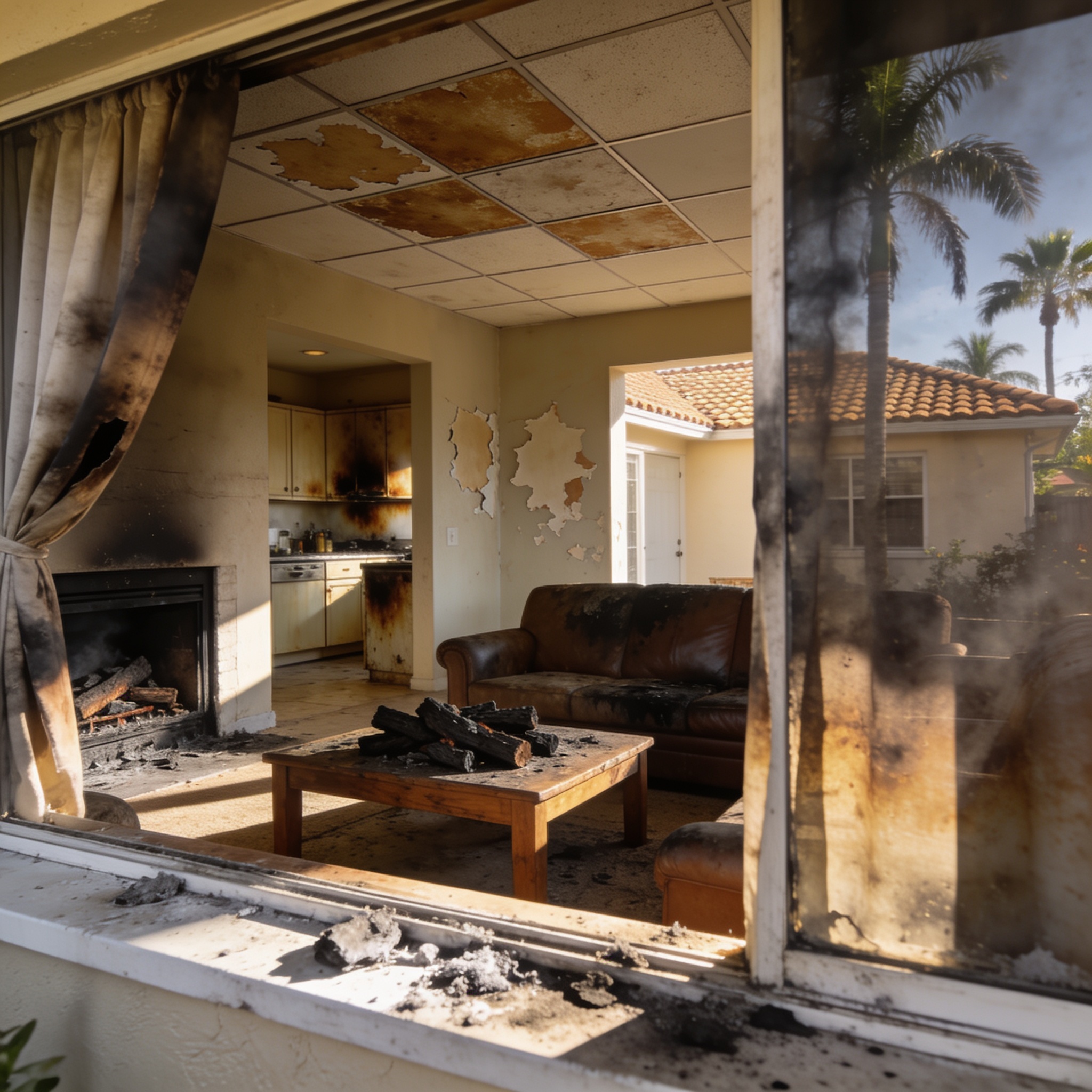
Smoke damage is the chemical and physical contamination of property caused by the incomplete combustion of materials during a fire. This phenomenon includes not only the visible soot that settles on surfaces but also the acidic vapors that can etch into paint, metal, and glass. In Southwest Florida, the combination of intense heat and moisture creates a unique environment where soot and smoke particles bond more aggressively to surfaces. According to the IICRC, this type of property damage requires immediate attention to prevent further structural damage to building components.
Qualifying smoke damage involves assessing the extent of the damage to your home or business, including discoloration of walls and the lingering smoke smell. While some homeowners might attempt minor smoke cleanup, the reality is that damage after a fire often involves microscopic particulates that infiltrate porous materials. If you have experienced a fire, you may also need to evaluate if there is associated water damage from firefighting efforts. For those seeking help, finding water damage restoration near me is a critical first step in the recovery process, and you should always check your insurance coverage to understand your policy limits.
What Does Smoke Damage Look Like in Your Home?
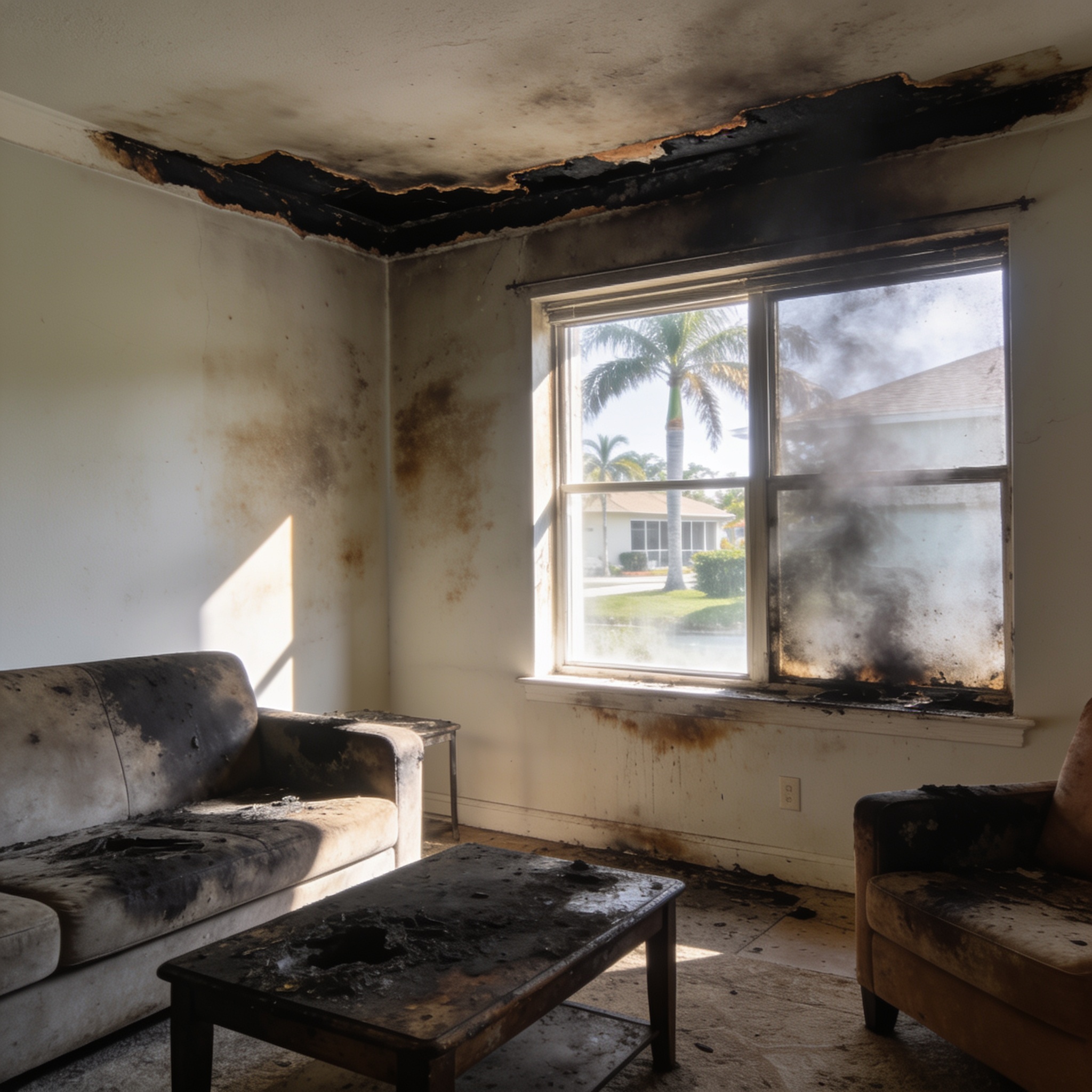
Visible damage manifests as dark, powdery soot deposits on ceilings, walls, and personal belongings following a fire. You may notice a yellowish or brownish discoloration on light-colored surfaces, which indicates that acidic smoke has settled into the finish. In many cases, the damage is not limited to what you see, as fine smoke particles can travel through ventilation systems to reach unaffected rooms. These particles are often difficult to remove without specialized equipment like HEPA vacuums. The extent of damage is often determined by the amount of smoke produced and the proximity to the direct fire.
In SWFL, the high moisture content in the air can cause this residue to become sticky or greasy, making the cleaning process significantly more complex. If you notice a persistent smell of smoke even after the visible soot has been wiped away, you are likely dealing with hidden internal damage. It is important to document all physical damage caused for your insurance claim to ensure you receive proper coverage for the restoration.
The Type of Smoke and Type of Smoke Damage Explained
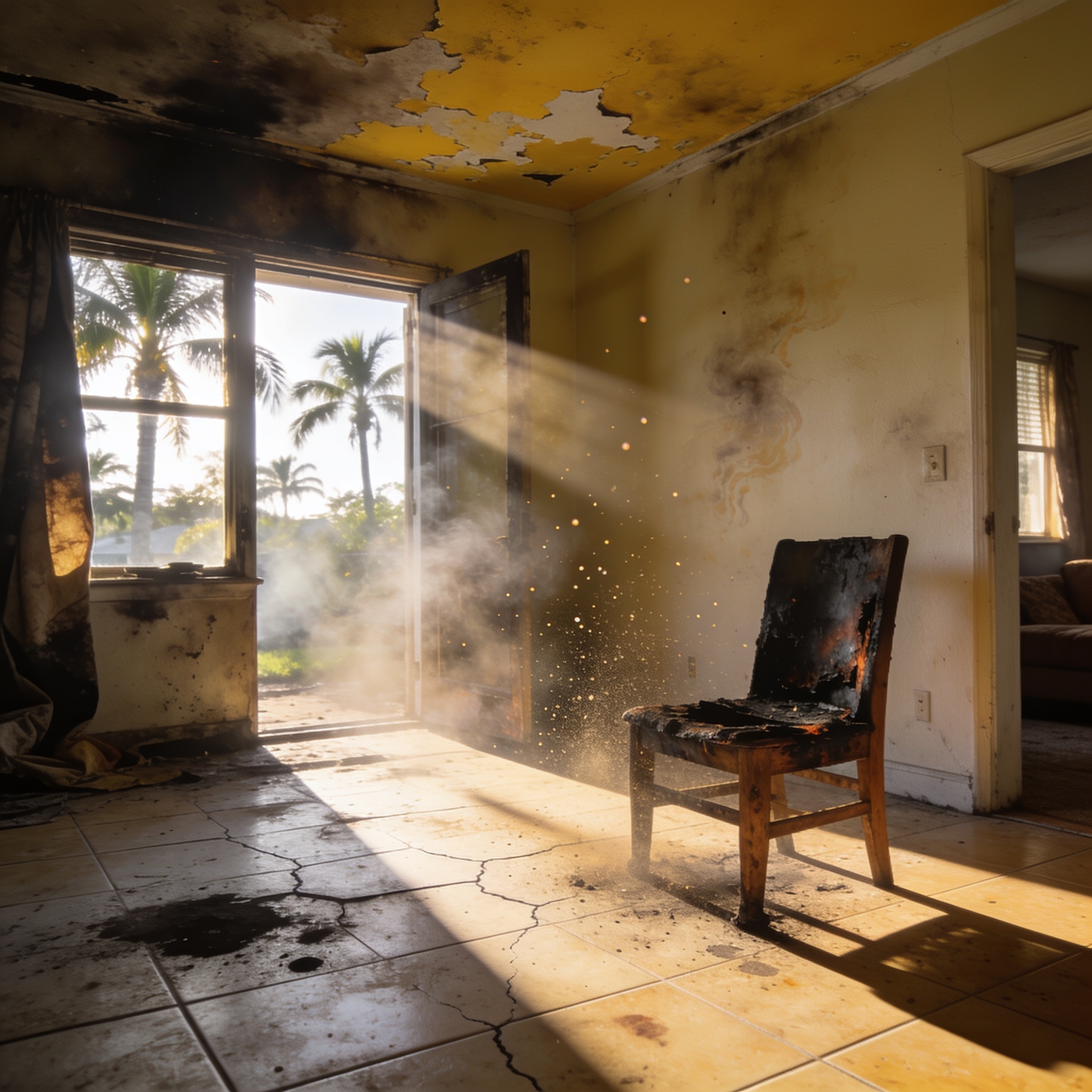
The specific type of smoke damage you encounter depends heavily on the fuel source and the temperature of the fire. Understanding the different types of smoke damage helps fire restoration experts determine the correct cleaning and restoration techniques for your property. Below are the primary categories of fire residue:
- Dry Smoke: Resulting from fast-burning, high-temperature fires, this residue is typically dry, powdery, and non-smeary.
- Wet Smoke: Caused by low-heat, smoldering fires, this residue is sticky, smeary, and carries a very pungent odor.
- Protein Residue: Often found in kitchen fires, this type of residue is virtually invisible but creates a strong, foul odor.
- Fuel/Oil Smoke: Produced by burning petroleum products, this residue is oily and thick, requiring specialized chemical solvents.
- Synthetic Smoke: Created by burning plastics or foams, this residue is highly toxic and acidic, frequently causing rapid corrosion.
How to Damage Walls and Restore Surfaces
Smoke and fire damage causes chemical reactions that lead to permanent damage if not addressed within 24 to 48 hours. The acidic nature of smoke residue can pit porcelain, corrode metal, and permanently stain upholstery or clothing. In Southwest Florida, the combination of salt air and fire-related acidity can accelerate the degradation of your home’s exterior and interior metal components. Without professional restoring smoke damage services, these materials may suffer long-term damage and require complete replacement. Even small amounts of smoke can damage walls and sensitive electronics, while the extent of the damage often dictates the specific remediation strategy required.
Health Risk and Health and Safety
Exposure to smoke and soot particles poses a significant health risk, particularly for individuals with pre-existing respiratory conditions. Breathing in smoke can introduce fine particulate matter, formaldehyde, and carbon monoxide into your system, which can cause serious health risks. While medical advice should always come from a professional, the primary way to protect your health and safety is to avoid the affected areas until they have been professionally cleaned and the air quality has been verified. The EPA suggests that improving indoor air quality through professional cleaning is the most effective way to address the source of the damage and health concerns caused by smoke.
Does Smoke Damage Go Away on Its Own?
Smoke damage does not go away on its own and will often worsen due to the chemical reactions between soot and ambient humidity. Over time, the acidic residue will continue to eat away at surfaces, leading to more extensive and costly repairs. In the humid climate of Charlotte or Lee County, moisture acts as a catalyst, causing the damage from smoke to penetrate deeper into building materials. This makes the cleaning process significantly more difficult the longer you wait. Ignoring the damage can also lead to secondary issues such as mold growth, especially if there was also Water Damage Restoration required.
Cleaning Smoke Damage: DIY vs. Professional
You should only attempt cleaning smoke damage yourself if the soot is light and the affected area is very small. For minor smoke incidents, you might use a dry chemical sponge to lift soot from walls or ceilings without smearing it. However, you must always wear protective gear, including gloves and a mask, to minimize your exposure to toxic particles. Never use water or liquid cleaners on dry soot, as this will cause the particles to smear and become nearly impossible to remove. If the residue is sticky or covers a large area, DIY methods are generally ineffective and may cause additional damage to your home. Always prioritize safety and consult with a professional before attempting to remove smoke.
| Material Type | Cleaning Difficulty | Recommended Method |
|---|---|---|
| Hard Tile/Porcelain | Easier to clean | Detergent and water |
| Painted Drywall | Difficult to clean | Dry chemical sponge |
| Textiles/Upholstery | Very difficult | Professional dry cleaning |
| Metal Fixtures | Moderate | Specialized solvent |
Professional Smoke Damage Restoration
You must call professional smoke damage restoration experts immediately if the fire was large, if there is visible heavy soot, or if you smell a persistent odor. Professionals have the specialized equipment, such as ozone generators and thermal foggers, required to neutralize odors at a molecular level. They also follow strict protocols to prevent further damage to your home’s structure and contents during the cleaning process. By hiring professionals, you ensure that the cleanup is done safely and that your property is restored to its pre-fire condition.
Addressing Smoke Damage Effectively
Addressing smoke damage requires a systematic approach to ensure all contaminants are removed. Professionals will evaluate the types of damage present, identify the source of the smoke, and use industrial-grade cleaners to remove the smoke residue from every corner of the property. This comprehensive process is the only way to ensure the safety of your home or business for future occupancy.
Frequently asked questions
Common concerns regarding smoke damage often center on the efficacy of cleanup and the long-term impact on property value.
Is it safe to live in a house with smoke damage?
It is generally not safe to live in a home with significant smoke damage until it has been professionally cleaned, as the air may contain toxic particulates that pose a health risk.
How long does the smell of smoke last?
Without professional odor neutralization, the smell of smoke can persist for years because the particles are embedded in porous materials like drywall and insulation.
Does insurance cover smoke damage?
Most standard homeowners insurance policies cover smoke damage caused by a fire, but you should review your specific policy and file an insurance claim as soon as possible.
Can I just paint over smoke damage?
Painting over smoke damage without proper cleaning and sealing is ineffective, as the soot will eventually bleed through the new paint and the odor will remain trapped underneath.
What is the difference between soot and smoke?
Smoke is the gaseous byproduct of combustion, while soot is the solid, powdery residue that settles on surfaces after the smoke has cooled.
See also: Water Damage Restoration
Our editorial team verifies licensing and reviews for every restoration company in the directory and writes practical, Florida-specific guides to help homeowners act fast and protect their insurance claims after water, fire, mold or storm damage.