How Do You Clean Smoke Damage Safely and Effectively?
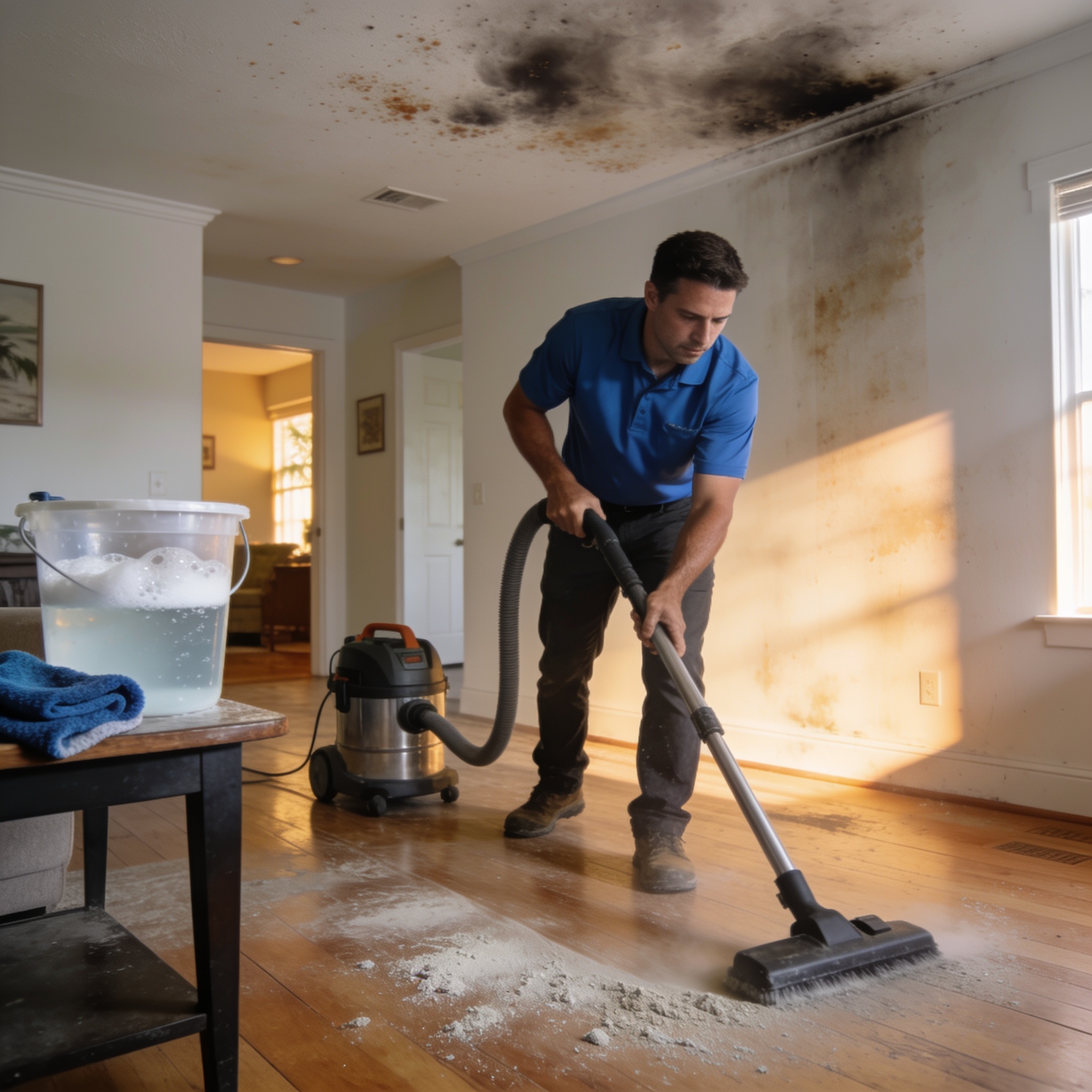
Professional fire restoration experts typically charge between $2,000 and $10,000 to safely clean smoke damage, with the final cost determined by the square footage of the affected area and the intensity of the soot residue. Learning how do you clean smoke damage requires a systematic approach to prevent permanent staining and the spread of toxic particles throughout your Florida home. Because of our region’s high humidity, soot particles often become acidic and corrosive, making immediate action essential to prevent further structural deterioration. If you are dealing with significant fire and smoke damage, contacting a licensed restoration company is the best way to restore your property to its pre-loss condition.
Key Takeaways
- Smoke and soot are highly acidic and can cause permanent corrosion to metal and electronics within 24 to 48 hours.
- Always prioritize personal protective equipment, including N95 respirators and gloves, before touching any soot-covered surfaces.
- Avoid using water-based cleaners on dry soot, as moisture can smear the residue and drive it deeper into porous materials.
- SWFL homeowners should contact their insurance provider immediately to document the extent of the damage before starting any cleanup.
- Professional HEPA vacuuming is the only effective way to remove fine particulate matter from carpets and HVAC systems.
- Prioritize health and safety by ensuring proper ventilation and using appropriate gear when removing smoke damage.
5-Step Professional Checklist
Following a proven sequence ensures you minimize the spread of contaminants during the restoration process.
- Step 1: Ventilation and Containment. Open windows to circulate air, but seal off unaffected rooms using plastic sheeting to prevent cross-contamination.
- Step 2: Dry Soot Removal. Use a specialized dry chemical sponge to lift loose soot from walls and ceilings without smearing the residue.
- Step 3: HEPA Vacuuming. Thoroughly vacuum all surfaces using a HEPA filter-equipped device to capture microscopic smoke particles that standard vacuums release back into the air.
- Step 4: Specialized Cleaning. Apply a professional-grade degreaser or detergent solution to hard surfaces to neutralize acidic smoke residue.
- Step 5: Deodorization. Utilize ozone treatments or thermal fogging to eliminate lingering smoke odor molecules trapped in structural materials.
What Are the Best Methods and Products to Clean Smoke Damage from Different Surfaces?
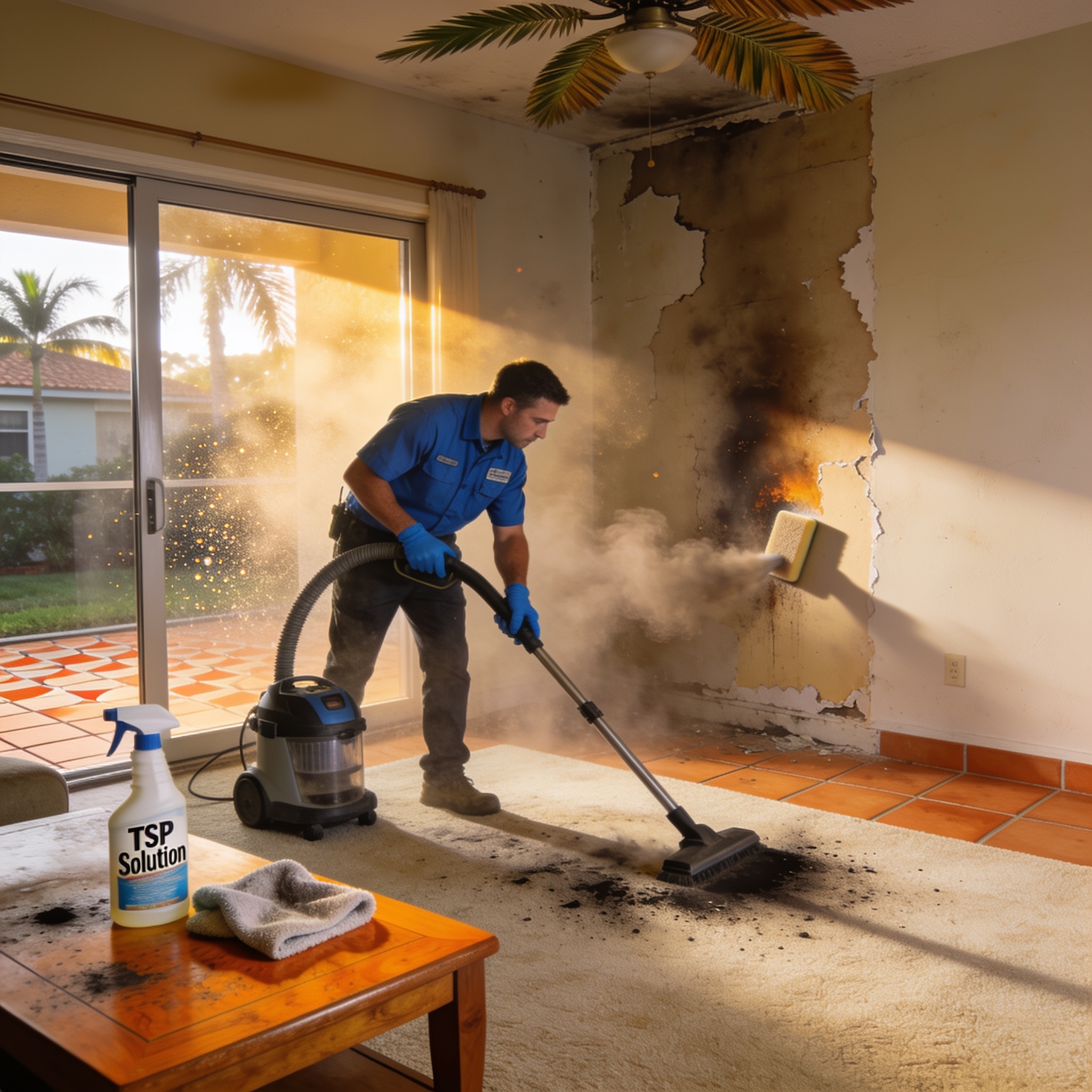
The best method for cleaning smoke damage depends entirely on the porosity of the material being treated. You must always test a small, inconspicuous area before applying any cleaning solution to ensure it does not discolor the finish. For smoke-damaged walls, a dry chemical sponge is the primary tool to remove loose soot before you wipe the walls with a mild detergent mixed with warm water. When restoring walls that are washable, such as those with semi-gloss paint, a solution of tsp (trisodium phosphate) and soapy water can be effective. If your walls feature wallpaper or are made of porous drywall, you may require professional intervention to avoid damaging the substrate. When cleaning, use a blotting motion to prevent streaking. If the soot is stubborn, you may need to scrub gently with specialized chemical treatments designed to lift residues without damaging the underlying surface. These cleaning tips are essential for effective odor and soot mitigation.
What Safety Precautions Should You Take When Cleaning Smoke Damage?
Safety is the most critical factor when addressing smoke-damaged environments due to the presence of hazardous combustion byproducts. You must wear high-quality protective gear, including a respirator, eye protection, and disposable coveralls, to avoid inhaling toxic soot particles. In Southwest Florida, the combination of high humidity and soot can create a slippery, acidic sludge that poses a significant slip-and-fall hazard. Never attempt to clean electrical components yourself, as smoke residue can cause short circuits and pose a fire risk. Avoid using chlorine-based products, as they can react dangerously with smoke residues. Furthermore, ensure your home is monitored for carbon monoxide, especially if the fire damaged any gas lines or appliances, as this odorless gas can irritate your lungs and pose a lethal threat.
What Are the Health Risks Associated with Smoke and Soot Exposure?
Exposure to smoke and soot carries significant health risks, including respiratory distress and long-term lung irritation. The fine particulate matter found in soot is classified as a carcinogen that can easily penetrate the bloodstream through the lungs or skin. According to the EPA, these volatile organic compounds are particularly dangerous for children, the elderly, and those with pre-existing conditions like asthma. If you are in a flood-prone area, be aware that smoke damage often coincides with Water Damage Restoration, which can lead to rapid indoor mold growth.
Can Smoke-Damaged Clothes and Other Fabrics Be Saved and Cleaned?
Smoke-damaged clothing and textiles can often be saved if they are processed by professionals using specialized dry cleaning techniques. You should never attempt to wash soot-covered fabrics in a standard washing machine, as the heat will set the smoke odor permanently into the fibers. Fabrics are highly porous and act as a sponge for smoke particles, requiring use industrial-grade ozone or hydroxyl treatments to fully restore them. Comprehensive contents cleaning is often necessary to recover personal items and important documents that have been exposed to smoke.
What Items Should Always Be Thrown Away After Smoke Damage?
Certain porous household items are nearly impossible to clean thoroughly and should be discarded to ensure your home remains safe. You must dispose of any open food containers, medicine, and cosmetics that were exposed to smoke, as they are likely contaminated with toxic soot particles. Additionally, mattresses, pillows, and heavily saturated upholstered furniture often harbor deep-seated smoke odor that standard cleaning cannot remove. If you are dealing with significant destruction, consult with your insurance adjuster before throwing items away to ensure they are documented for your claim.
Can All Types of Smoke Damage Be Reversed, or Are Some Items Unsalvageable?
Not all smoke damage is reversible, particularly when the soot has caused chemical etching on delicate surfaces. Items such as high-end electronics, porous plastics, and certain types of artwork are often deemed unsalvageable because the acidic residue causes rapid corrosion. Restoration experts use specialized equipment to assess the depth of the damage, but sometimes the cost of professional cleaning exceeds the replacement value of the item. In the humid climate of Lee or Collier County, the risk of permanent corrosion is significantly higher, making time a critical factor in salvage efforts.
How Do You Remove Smoke Smell from a House?
Removing a persistent smoke odor requires addressing both the surface residue and the airborne particles trapped in your HVAC systems. You must replace all air filters and have the air ducts professionally cleaned to prevent the circulation of smoke particles throughout your home. Simply masking the smell with candles or sprays is ineffective and may cause further respiratory irritation. For severe cases, professional-grade odor removal techniques, such as ozone treatments or thermal fogging, are necessary to neutralize the odor at the molecular level.
How Do Restoration Experts Remove Soot and Smoke Odors from a Property?
Professional restoration companies utilize industrial-grade equipment that is far more effective than standard household cleaning supplies. They employ specialized techniques like HEPA vacuuming, chemical sponges, and professional-grade degreasers to ensure every trace of soot is removed from the property. These experts also utilize moisture meters to ensure that any Water Damage Restoration efforts are synchronized with the fire cleanup. By using advanced technology like hydroxyl generators, they can safely break down odor molecules without requiring you to vacate the premises for long periods. Their emergency response teams are equipped to handle the deep cleaning required for complex fire scenarios.
When Should You Seek Professional Help for Smoke Damage Restoration Instead of Attempting DIY Cleaning?
You should always call for professional help if the smoke damage covers a large area or involves structural components of your home. Attempting a DIY approach for extensive fire damage can lead to incomplete cleaning, which results in recurring odors and hidden structural corrosion. Professionals are trained to identify hidden soot deposits inside wall cavities and ceilings that you might otherwise overlook. Relying on experts ensures that your home is restored to pre-loss conditions while adhering to strict environmental safety standards.
Frequently asked questions
Understanding the nuances of smoke restoration helps you make informed decisions during a stressful recovery process.
Can I clean smoke damage with bleach?
You should never use bleach on smoke-damaged surfaces, as it can react with the chemicals in the soot and cause permanent discoloration or toxic gas release.
How long does it take for smoke damage to become permanent?
Soot is acidic and can begin to etch into metal, glass, and painted surfaces within 24 to 48 hours, especially in high-humidity environments like Florida.
Is it safe to stay in a house with smoke damage?
It is generally not safe to remain in a home with significant smoke damage due to the presence of airborne toxins and the risk of respiratory health complications.
Will my insurance cover professional smoke damage cleaning?
Most standard homeowners’ insurance policies cover smoke damage restoration, but you must contact your provider immediately to initiate the claims process and document all damages.
See also: fire damage
Our editorial team verifies licensing and reviews for every restoration company in the directory and writes practical, Florida-specific guides to help homeowners act fast and protect their insurance claims after water, fire, mold or storm damage.