How to Recover Depreciation on an Insurance Claim: A Homeowner’s Guide
You can recover depreciation on an insurance claim by providing proof of completed repairs to your insurer, typically within 180 to 365 days of the initial settlement, allowing you to bridge the gap between the actual cash value and the full replacement cost. Understanding how to recover depreciation on an insurance claim is essential for SWFL homeowners navigating post-hurricane recovery, as it ensures you are not left paying significant out-of-pocket expenses for roof or structural repairs. When you file a claim, it is important to know that your homeowners insurance policy dictates how the insurer calculates depreciation and whether your policy includes recoverable depreciation. While auto insurance often handles total losses differently, a diminished value claim is a separate concept entirely from the depreciation in insurance applied to property structures. To successfully manage this, you must understand the loss in value of the property and how to get paid the actual cash value initially before seeking the remainder.
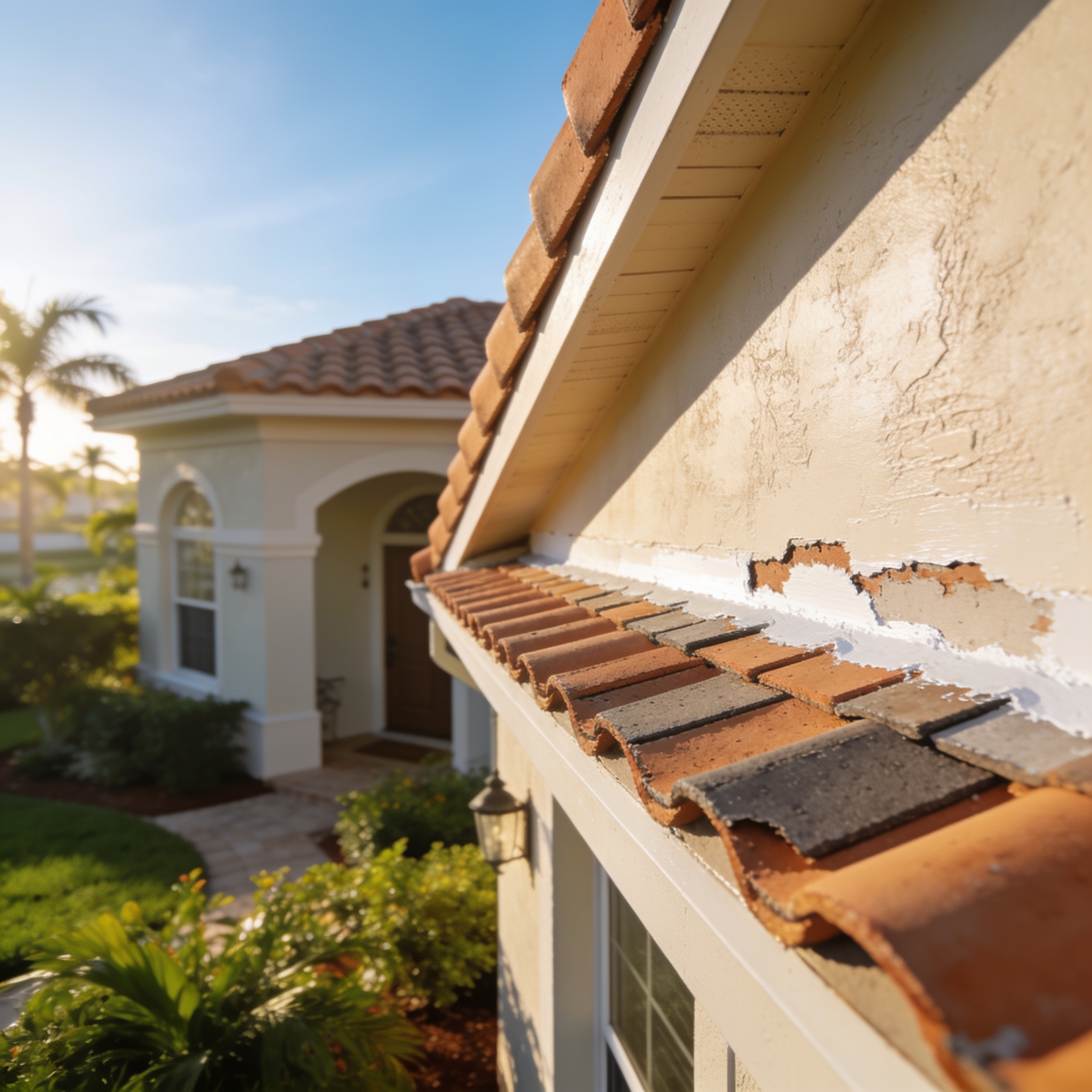
Key Takeaways
- Recoverable depreciation is the portion of your claim payment held back by the insurer until you demonstrate that repairs or replacement are complete.
- Actual cash value (ACV) represents the current value of an item, while replacement cost (RCV) covers the cost to replace it with new materials.
- Insurance companies require a final invoice or proof of repair before they will release the held-back funds.
- Failure to complete repairs within the policy’s specified timeframe often results in the loss of these funds as non-recoverable depreciation.
- Documentation, including receipts and contractor invoices, is the most critical factor in successfully securing your full claim payout.
- Insurance covers the cost to restore your home, but you must prove that depreciation is recoverable to get the full benefit.
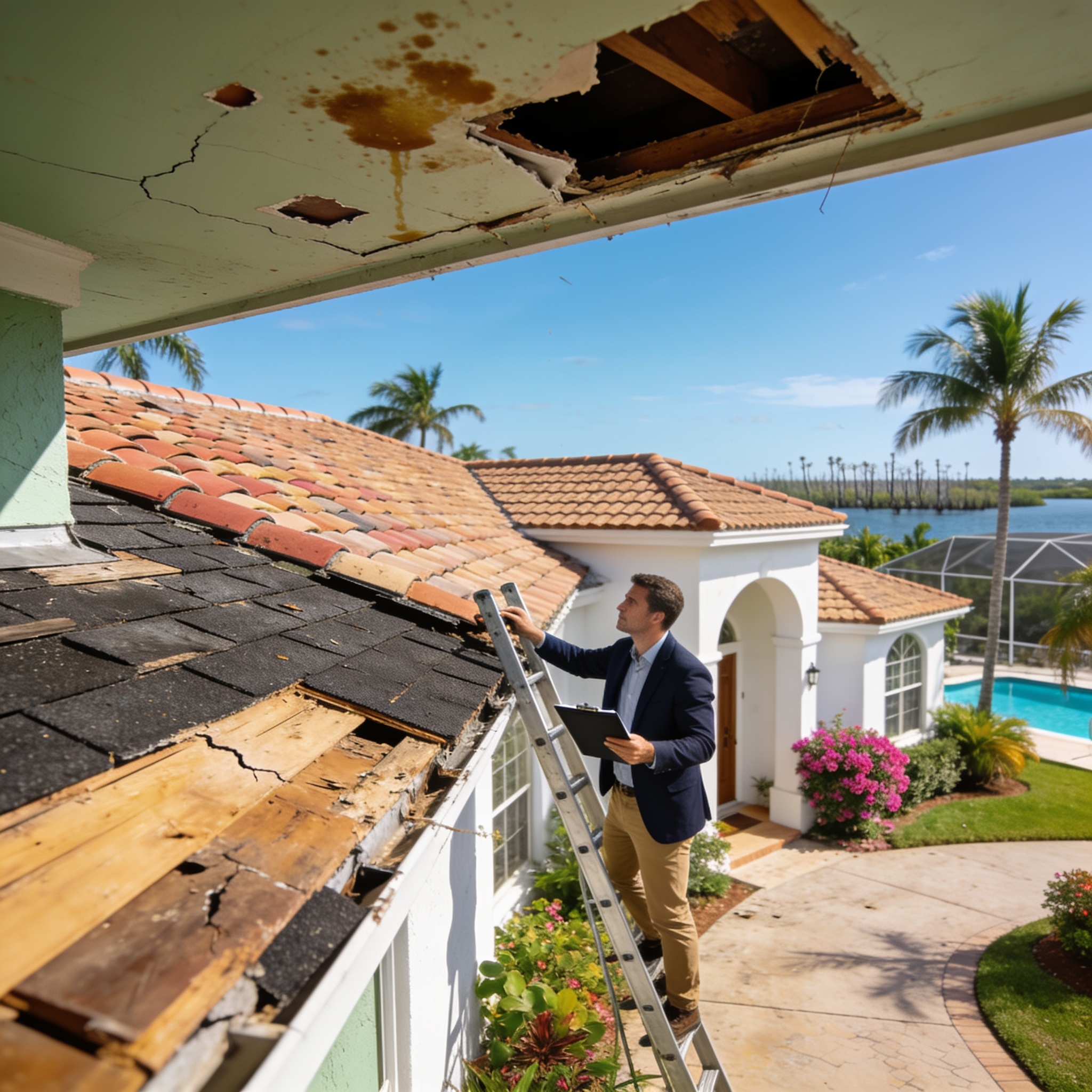
Understanding Recoverable Depreciation
Recoverable depreciation is the difference between the depreciated value of your property and the cost to replace it with new materials of like kind and quality. When you file a claim for damaged property, insurance companies often withhold a portion of the total claim payout to ensure that you actually perform the necessary repairs. Once you submit a claim, the insurer releases the remaining funds to cover the actual replacement cost. This process ensures you do not have to pay out of pocket for the difference between the replacement cost minus depreciation. Because property loses value over time due to wear and tear, the insurer calculates depreciation based on the age and condition of the item. It is important to note that recoverable depreciation is only available if your policy includes replacement cost coverage.
The Role of Depreciation in SWFL Claims
In Southwest Florida, where intense sun and hurricane-force winds accelerate the wear and tear on properties, depreciation is calculated based on the age and condition of components like your roof or siding. If your roof shingle has a 20-year life expectancy and is 10 years old, the insurer might apply an annual depreciation rate to account for the value lost over time. Understanding recoverable depreciation in home insurance is vital when you are dealing with significant structural damages that require professional intervention, such as Water Damage Restoration. You should also be aware that the acv of your roof is often the starting point for these calculations.
Replacement Value
The primary difference is that an ACV policy pays only for the current market value of your property at the time of loss, while an RCV policy covers the total cost to replace the item without deducting for age or wear. Most modern homeowners insurance policies in Florida include replacement cost coverage, which acts as a safety net for major disasters. When you are paid the actual cash value, you are essentially receiving a partial payment until you complete the work. It is important to distinguish between replacement cost and actual cash value to ensure you receive the correct settlement and can cover the actual cost of repairs.
Comparing Coverage Types
- Actual Cash Value (ACV): This payment method factors in the age and condition of the item, effectively paying you what it was worth the day before the damage occurred.
- Replacement Cost Value (RCV): This coverage allows you to repair or replace damaged property with new materials, regardless of the age of the original item.
Recoverable Depreciation Payment
Insurance companies hold back depreciation as a financial incentive to ensure that the homeowner actually completes the repair or replacement work. By keeping this money in reserve, the insurer prevents situations where a homeowner might take the initial ACV payout without ever fixing the underlying damage. When you finish the project, the insurer receives the proof and releases the funds. This ensures the total recoverable depreciation is paid out only after the work is verified. Depreciation benefits are designed to ensure the property is restored, though the insurance company still requires proof of the work to reimburse you.
Insurance companies hold back these funds to verify that the policyholder is actively restoring the property to its pre-loss condition.
Actual Cash Value
To calculate the payout, the adjuster determines the replacement cost of the damaged item and subtracts the depreciation based on the item’s age, condition, and expected lifespan. This calculation is standard practice for major losses, such as those requiring Water Damage Restoration where the total claim may involve thousands of dollars in structural repairs. The adjuster essentially determines the total depreciation applied to the claim to arrive at the ACV. Note that depreciation that is initially recoverable may become non-recoverable if you fail to meet specific deadlines.
Factors Influencing the Calculation
The depreciation amount is based on the remaining useful life of the property component at the time of the loss. For example, if a new roof costs $10,000 and the old roof was 50% through its life, the insurer might apply $5,000 in depreciation. This results in an initial ACV payment of $5,000, leaving the remaining $5,000 as recoverable depreciation. You must then prove you spent the money to recover the depreciation. Remember that depreciation might vary based on the specific type of claim you are filing.
Recoverable Depreciation Back
You get recoverable depreciation on an insurance claim if your policy includes replacement cost coverage and you provide valid documentation that the repair or replacement has been finished. This process is not automatic; you must proactively submit proof of the work to your insurance carrier to receive the recoverable depreciation payment. Once the insurer receives the request, they will verify the invoices against the original estimate to ensure they cover the actual cash value of the materials used.
Insurance Coverage
Recovering these funds requires a systematic approach to documentation and communication with your adjuster.
The 5 Steps to Recover Depreciation
- Review your policy: Confirm that your insurance policy includes replacement cost coverage and check the specific deadline for submitting proof of repairs.
- Complete the repairs: Hire a licensed contractor to perform the necessary work, ensuring all repairs meet current building codes.
- Collect final invoices: Obtain a detailed final invoice from your contractor that clearly shows the total cost and the scope of work completed.
- Submit the proof: Send the final invoice and any relevant receipts to your insurance company to formally request the release of the withheld funds.
- Receive the payment: Once the insurer reviews the documentation, they will issue the remaining funds, up to the policy limit.
Following these five steps ensures that you maximize your claim payout and avoid leaving money on the table after a covered loss.
Non-Recoverable Depreciation
The timeframe for receiving these funds is typically governed by your specific insurance contract, which often mandates that you complete repairs and submit documentation within 180 to 365 days. If you are struggling with the timeline for Water Damage Restoration it is imperative to communicate with your adjuster early to request an extension if necessary. Whether your funds are recoverable or non-recoverable depends entirely on your adherence to these contractual timelines.
Diminished Value Claim
Non-recoverable depreciation refers to funds that the insurer will never pay out because the policyholder failed to complete the repairs or missed the filing deadline. While some policies are written specifically as ACV-only, most standard homeowners insurance policies allow for the recovery of depreciation, provided the conditions of the contract are met. This is often called recoverable depreciation, and it is distinct from a diminished value claim, which typically relates to the loss of market value in automotive insurance.
Non-recoverable depreciation occurs when the insured fails to meet the contractual obligations required to trigger the release of held-back funds.
Fight Insurance
If your insurance company refuses to pay recoverable depreciation despite you providing all required documentation, you may need to escalate the issue through formal channels. Start by requesting a written explanation for the denial, as this will help you understand if there is a specific policy exclusion or a misunderstanding regarding your claim.
Steps for Disputing a Denial
- Request a formal review from the insurance company’s management or a supervisor.
- Consult with a public adjuster who can review your claim and policy language to identify potential errors.
- Contact the Florida Department of Financial Services to file a formal complaint if you believe the insurer is acting in bad faith.
- Seek legal counsel if the amount in dispute is significant and internal resolution attempts have failed.
Homeowners should always maintain a detailed paper trail of all communications and invoices to protect their rights during a claim dispute.
Frequently asked questions
These common questions address the technical and practical hurdles homeowners face when navigating the depreciation recovery process.
Can I recover depreciation if I choose not to repair my home?
No, you generally cannot recover depreciation if you choose not to repair or replace the damaged property, as the payment is contingent upon the work being performed.
Does the deductible affect the recoverable depreciation amount?
Yes, the deductible is typically subtracted from the total claim amount before the insurer calculates the ACV and the recoverable depreciation, meaning you must pay your deductible out-of-pocket.
What if the actual cost of repairs is lower than the initial estimate?
If the final invoice is lower than the estimate, the insurer will only pay up to the actual cost incurred, meaning you may not recover the full amount of the initial depreciation estimate.
Are there tax implications for receiving a recoverable depreciation check?
In most cases, insurance proceeds used to repair or replace damaged property are not considered taxable income, but you should consult with a tax professional regarding your specific situation.
Always verify your specific policy terms, as individual insurance companies may have unique requirements for the submission of depreciation claims.
| Scenario | Initial ACV Payment | Recoverable Depreciation | Total Payout |
|---|---|---|---|
| Repairs Completed | $5,000 | $5,000 | $10,000 |
| Repairs Not Completed | $5,000 | $0 | $5,000 |
| Cost Lower Than Estimate | $5,000 | $3,000 | $8,000 |
Understanding these financial mechanics is the best way for a homeowner to ensure they receive the full value of their insurance coverage after a disaster.
Proper documentation remains the single most effective tool for any homeowner looking to recover the full cost of their property restoration.
Insurance companies are obligated to pay claims according to the terms of the policy, provided the homeowner fulfills their duty to mitigate damages.
Recoverable depreciation is a critical component of your insurance claim that helps restore your property to its original state.
Our editorial team verifies licensing and reviews for every restoration company in the directory and writes practical, Florida-specific guides to help homeowners act fast and protect their insurance claims after water, fire, mold or storm damage.