What to Throw Away After Smoke Damage: A Safety Checklist
You should immediately throw away after smoke damage any porous items that have been exposed to heat or soot, as these materials often harbor invisible toxins. In the humid climate of Southwest Florida, where moisture levels accelerate the decay of soot-covered surfaces, failing to discard contaminated goods can lead to persistent health issues and structural degradation. Whether you are dealing with a small kitchen fire or a major structural event, prioritizing safety over sentimentality is the most effective way to protect your health during the recovery process. When you need to restore your home, professional intervention is essential to address smoke and water damage effectively, especially if your property lost power during the incident.
Key Takeaways
- Porous materials like upholstery, mattresses, and open food containers are primary candidates for disposal.
- Smoke particles and soot can cause long-term corrosion on electronics and metal surfaces.
- An insurance claim requires a detailed inventory of destroyed items to process your recovery effectively.
- A professional
restoration technicians can help
determine what is salvageable versus what must be discarded. - High humidity in SWFL makes it nearly impossible to fully remove lingering odors from deeply penetrated materials.
How Do You Identify Signs of Damage
After a Fire?
Identifying fire-damaged items starts with a thorough visual inspection and a smell test for smoke from a fire. Smoke particles are microscopic and can travel far beyond the immediate site of the house fire, often settling in rooms that appear untouched. You must examine your belongings for visible soot residue, yellowing, or a distinct chemical smell that persists even after ventilation. In the aftermath of a fire, residents should also look for structural damage, as firefighting efforts often introduce moisture that traps soot deeper into fibers.
What Items to Throw Away
After Smoke Damage?
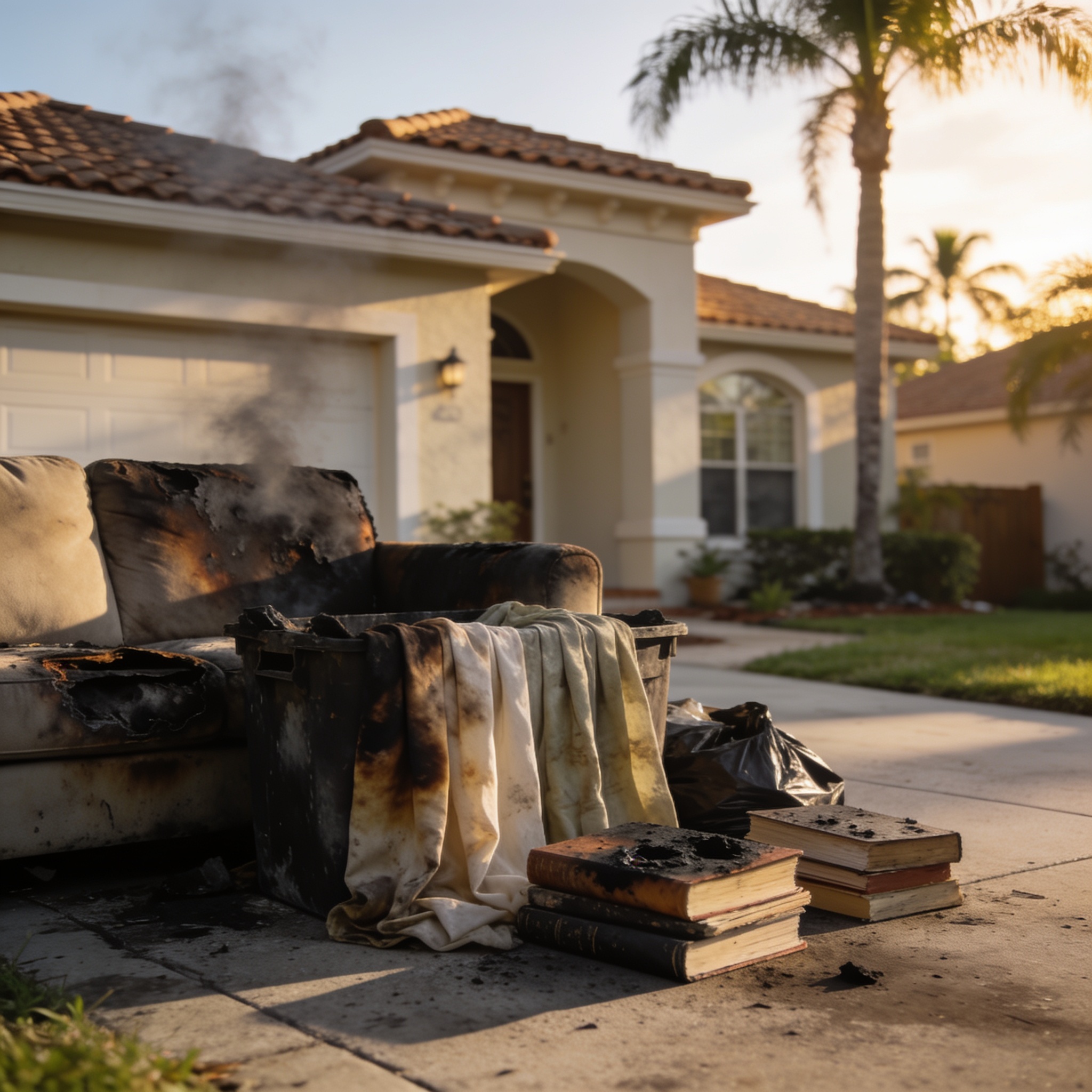
The items that items should be thrown away after smoke damage are primarily those that are highly porous and difficult to sanitize. When materials like pillows, mattresses, or open-weave fabrics absorb smoke or soot, they become reservoirs for harmful substances. Any item that cannot be effectively treated with professional cleaning techniques to remove soot should be discarded to avoid potential health risks. This includes items stored in thin plastic bags or plastic bags that have been exposed to smoke and soot, as these materials often absorb smoke particles and absorb smoke and soot, making them impossible to fully sanitize.
What Types of Food, Medications, and Cosmetics Should Be Discard After Smoke Damage
?
You must discard all perishable food, medications, and cosmetics that were affected by smoke and soot because these substances easily absorb smoke odors. Contaminated food in permeable packaging is unsafe for consumption and you should dispose of these items immediately. This rule is especially critical in Southwest Florida, where the heat and smoke can cause chemicals to break down the integrity of packaging. While sealed food may appear intact, it is often safer to discard it if the seal is compromised. Conversely, items in airtight, heavy-duty containers that show no heat damage may be still safe to use after proper cleaning of the exterior.
What Is Salvageable
After Fire Damage
?
Items that are non-porous and can withstand professional fire restoration techniques are generally considered items that can be salvaged after a fire. Hard surfaces like glass, metal, and sealed wood can often be restored if they are treated quickly before the soot causes permanent corrosion.
Restoration technicians can help
you evaluate whichhousehold items
can be clean and restore to their pre-loss condition. If you are unsure about the safety of an item, consult with experts from local Fire and Smoke Damage Restoration Companies to prevent further property damage.Can Clothes Be Fire-Damaged
and Salvaged?
Clothing can often be salvaged if it is professionally cleaned, but items that were directly exposed to heavy smoke and heat may need to be discarded. Textiles that have been heavily penetrated by soot often require specialized dry cleaning to remove the toxic residue that standard washing machines cannot reach. If the fabric shows signs of melting or extreme discoloration, it is likely that the fibers have been permanently compromised. Always prioritize professional cleaning over DIY methods to ensure the health and safety of your household.
How to Protect Your Health
from Smoke Exposure?
Smoke contains a complex mixture of gases and particles that, when inhaled or touched, pose serious health risks to you and your family. Exposure to soot and smoke residue can trigger respiratory issues, skin irritation, and long-term complications for individuals with pre-existing conditions. In the humid environment of SWFL, these particles can also foster mold growth if combined with moisture from firefighting efforts or Water Damage Restoration processes. Protecting your health means removing these contaminants from your living space as quickly as possible. You must be careful when you go away after a fire, as re-entering without proper gear can expose you to hazardous debris.
Is It Safe to Keep Electronics Exposed to Heat
?
Electronics that have been exposed to smoke are often unsafe because soot is acidic and can cause internal corrosion over time. Fine smoke particles can infiltrate the delicate circuitry of computers, televisions, and appliances, leading to failure long after the fire has been extinguished. If your home has suffered significant damage, it is wise to have a professional technician inspect your electronics before attempting to power them on. Sometimes, the cost of cleaning these items exceeds the cost of replacement, especially when considering the potential for future fire hazards.
What Is the Best Way to Remove Smoke Smell from Fabric or Furniture?
Removing smoke odor from fabric or furniture requires professional-grade equipment like HEPA vacuums and ozone generators. Simple household cleaning agents are rarely enough to remove smoke residue that has been deeply embedded in upholstered furniture or carpets. If you are dealing with significant smoke damage in Water Damage Restoration you may need to rely on specialized restoration companies that have the tools to neutralize odors at a molecular level. Avoid masking the smell with sprays, as this does not remove the underlying contaminants.
Does Homeowners Insurance Cover Smoke-Damaged Contents?
Most standard homeowners insurance policies cover the cost of cleaning or replacing smoke-damaged contents, but you must document everything carefully. You should create a detailed inventory of all affected items to support your claim and ensure you receive fair compensation for your losses. Take high-quality photos of the damage before you throw anything away, as this evidence is crucial for your adjuster. Always check your specific policy limits regarding smoke and fire damage to understand your coverage scope.
When Should You Contact a Professional for Cleaning Up After a Fire
?
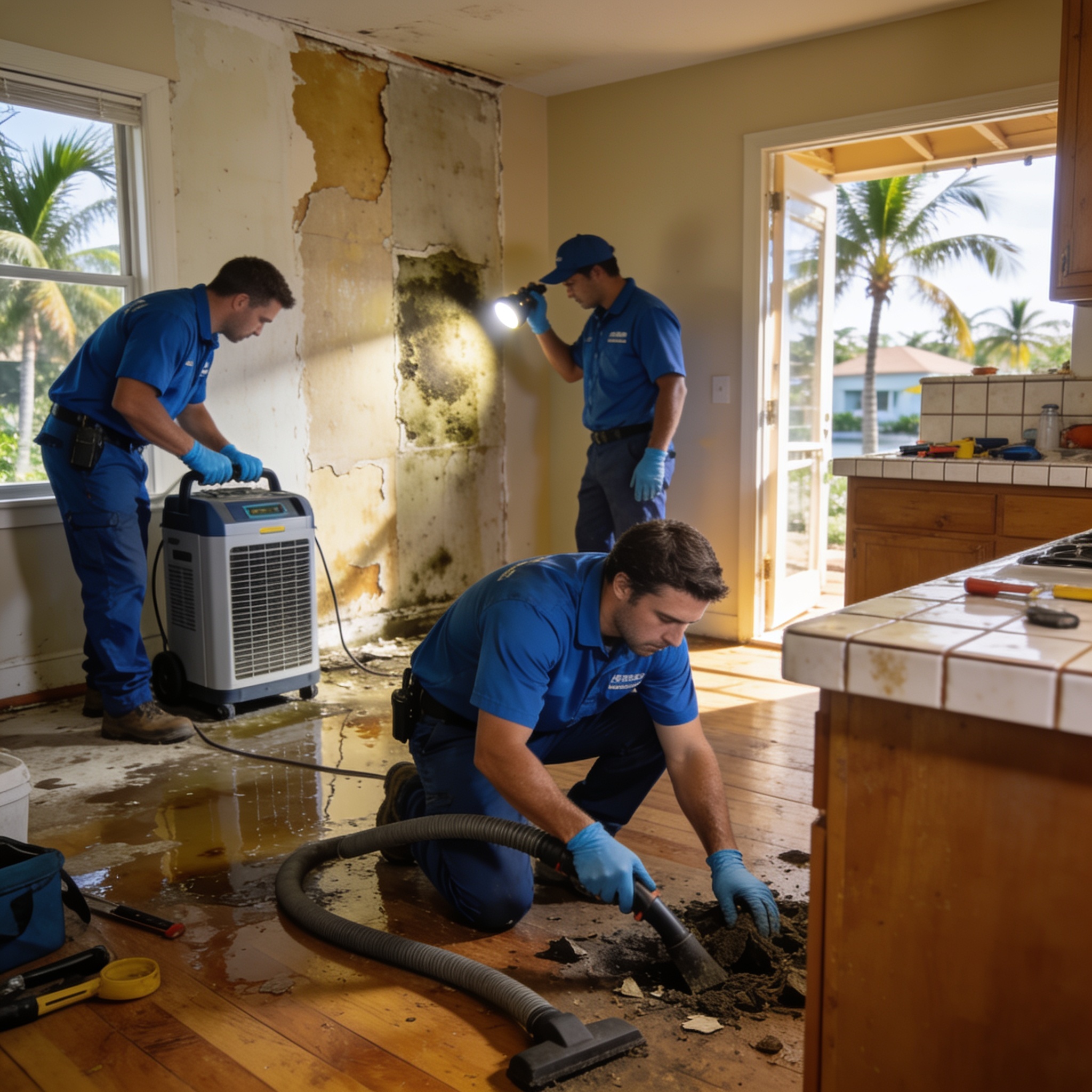
You should contact a professional restoration company as soon as it is safe to re-enter your home to prevent the damage from worsening. Cleaning up after a fire requires specialized training and personal protective equipment to ensure that the process does not further contaminate your living environment. Professionals can assess the structural integrity of your property and determine which items are truly salvageable. Attempting to clean large-scale smoke damage yourself can lead to incomplete removal of toxins and potential long-term health hazards.
Frequently asked questions
Below are common concerns regarding the disposal and restoration of property following a fire event.
Can I clean smoke-damaged items with bleach?
No, bleach is not recommended for smoke-damaged items as it can react with soot and cause permanent staining or chemical damage to surfaces.
How long does smoke odor typically last?
Without professional remediation, smoke odor can persist for months or years, especially in humid climates like Florida where moisture traps the particles.
Is it safe to stay in my home if there is a lingering smoke smell?
It is generally not recommended to stay in a home with a strong smoke odor, as the air may contain harmful particulate matter that poses serious health risks.
Do I need to throw away all my canned goods?
Canned goods may be safe if the exterior is thoroughly cleaned and sanitized, but any items with compromised seals or labels that show signs of heat damage should be discarded.
| Item Category | Action Required | Reason |
|---|---|---|
| Porous Textiles | Discard | Cannot be fully decontaminated |
| Sealed Canned Food | Clean/Sanitize | Non-porous surface is salvageable |
| Electronics | Professional Inspection | Risk of hidden corrosion |
| Open Food/Medication | Discard | High risk of toxic ingestion |
Our editorial team verifies licensing and reviews for every restoration company in the directory and writes practical, Florida-specific guides to help homeowners act fast and protect their insurance claims after water, fire, mold or storm damage.