Water Backup Coverage in Renters Insurance: What You Need to Know
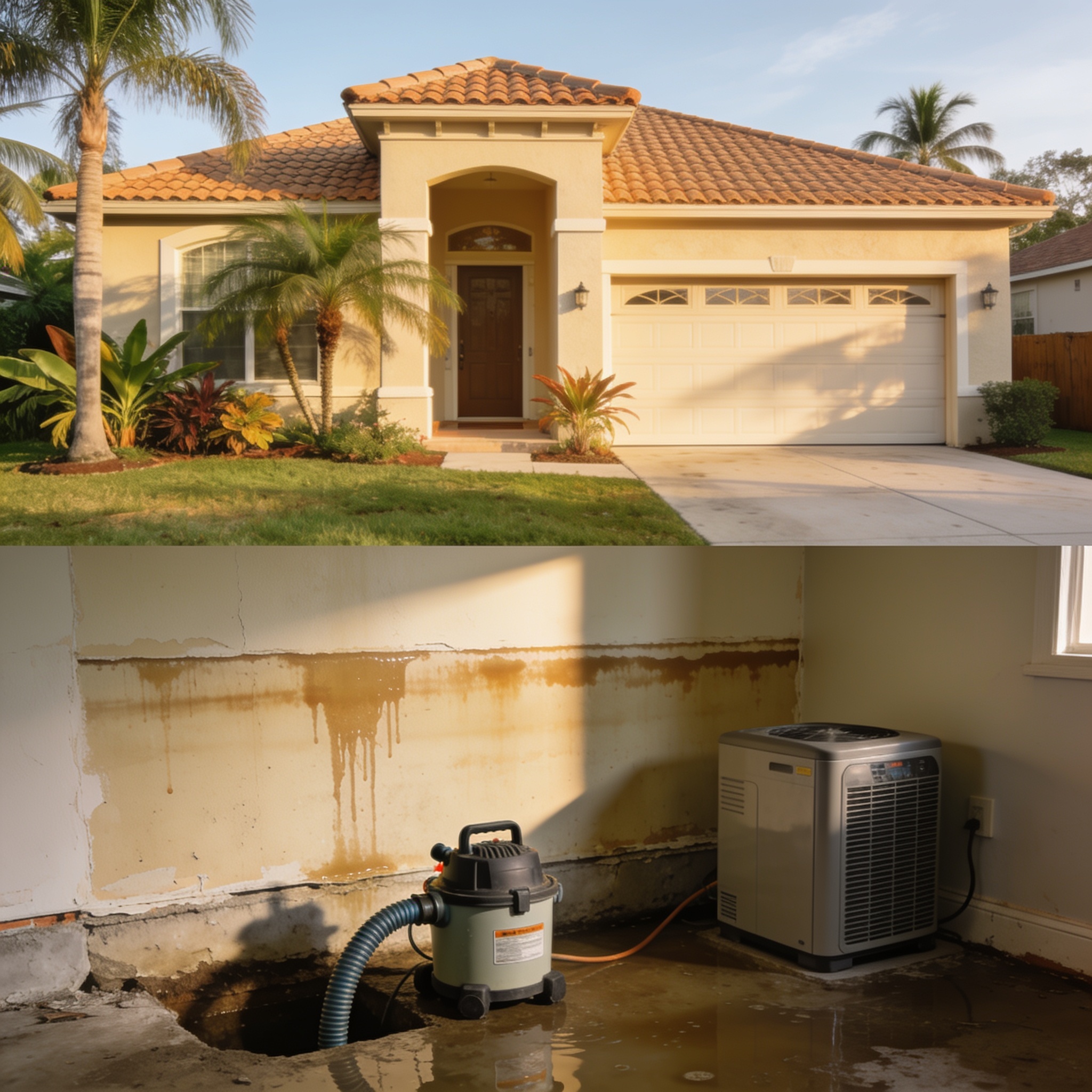
Water backup coverage in renters insurance typically costs between $30 and $70 per year and serves as the primary financial protection against sewage or drainage failures that standard policies exclude. Because a standard renters policy often explicitly excludes damage caused by sewer or drain backups, securing this specific endorsement is the most effective way to protect your personal property. When you consider that your standard home insurance might not protect your belongings, renters insurance helps pay for these unexpected costs. This insurance policy can help provide the coverage you need because damage is not typically covered by basic plans, and you need to ensure you have the right protection to help cover the cost of items.
Key Takeaways
- Standard renters insurance policies almost never include water backup coverage by default.
- Water backup is distinct from flood insurance and requires a separate flood insurance endorsement on your policy.
- This coverage helps pay for the repair or replacement of personal property damaged by sewage or drain water.
- Southwest Florida renters in low-lying areas or older buildings face a higher risk of plumbing system failures.
- Adding this endorsement is a low-cost way to avoid thousands of dollars in out-of-pocket expenses for cleaning and restoration.
What causes water backups in rental properties?
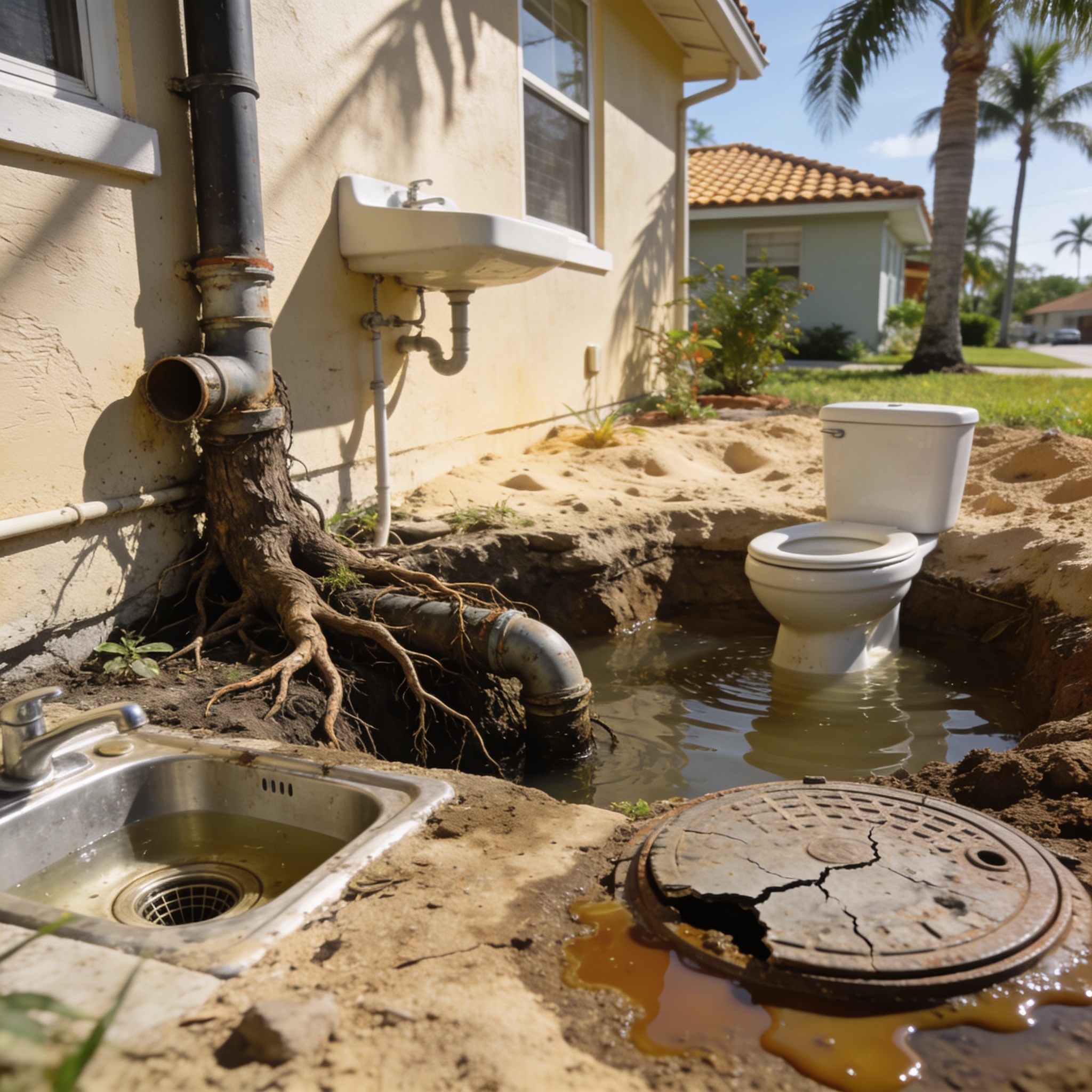
Water backups in rental properties are primarily caused by overwhelmed municipal sewer systems, blocked lateral lines, or mechanical failures in sump pump systems. In Southwest Florida, heavy tropical downpours can quickly saturate the ground, putting immense pressure on outdated drainage infrastructure. When the city sewer main becomes overwhelmed, the excess water and waste have nowhere to go but back up through the lowest point of entry in your apartment. This often results in sewage entering through toilets, floor drains, or shower stalls, creating a hazardous environment that requires professional Water Damage Restoration to remediate safely. If a sump pump fails and water enters your home, water backup coverage can help mitigate the financial loss. There are many types of water damage, but water damage resulting from a sewer backup is a specific peril that requires extra protection.
Why water damage is not covered by homeowners insurance
Standard renters insurance policies do not cover water backup damage by default, meaning you must proactively request this specific endorsement. Most insurance usually covers sudden accidents, but it doesn’t cover water backup as a “maintenance-related” or “gradual” event. If you rely on a standard policy without this add-on, you will likely be responsible for the full cost of cleaning your furniture, electronics, and clothing after a sewage event. According to the Insurance Information Institute, understanding your specific policy exclusions is the first step in determining if you need water backup coverage to fill these critical gaps.
Understanding insurance coverage for your home insurance
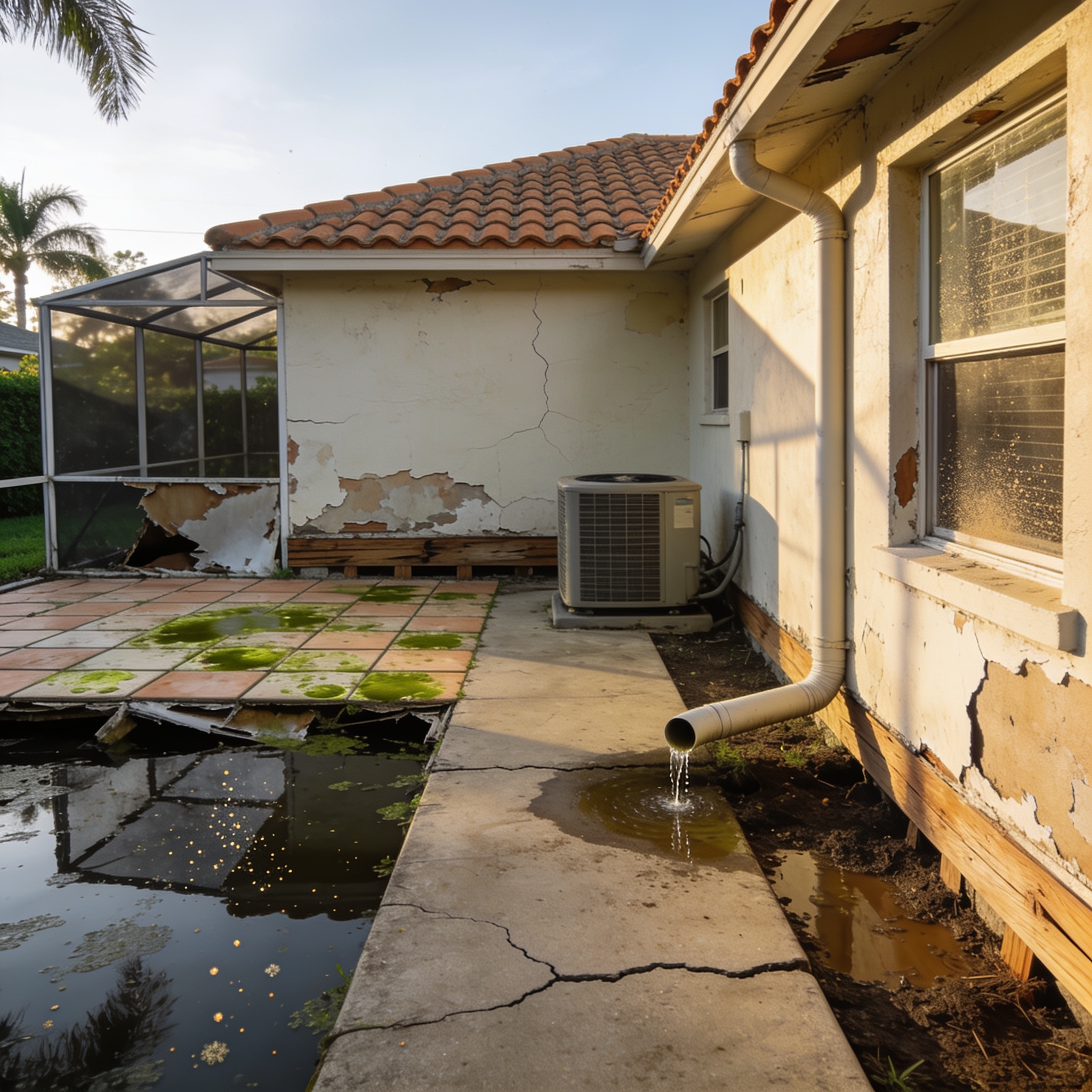
Water backup coverage generally pays for the damage to your personal property caused by water that backs up through sewers, drains, or sump pump failures. This includes the cost of cleaning or replacing items like carpets, rugs, furniture, and personal electronics that were contaminated by gray or black water. Your coverage for personal property is vital here, as it helps help cover water damage to your belongings. It is essential to remember that this coverage is designed for your belongings, as the landlord’s insurance typically covers the structural repairs to the building itself. If you are worried about damage to personal property, remember that damage may be covered if you add this specific endorsement.
What is covered by water backup insurance
Water backup insurance does not cover damage resulting from external flooding, ground surface water, or maintenance issues that you failed to report to your landlord. If a hurricane causes a storm surge that enters your home, that is considered flood damage, which is not covered by renters insurance or a water backup endorsement; you would need a separate flood insurance policy for that. Furthermore, if you notice a slow leak or a recurring backup and fail to notify the property manager, the resulting damage is covered only if it was sudden and accidental. Always document any plumbing issues immediately to ensure you remain protected under your existing home insurance.
How to get water backup insurance
Water backup coverage is entirely distinct from flood insurance and they are not interchangeable in the eyes of any insurance provider. Flood insurance, often provided through the NFIP or private carriers, covers damage caused by the overflow of inland or tidal waters, such as storm surges during a hurricane. Water backup coverage specifically addresses internal plumbing failures, such as a clogged sewer line or a failed sump pump. Because Southwest Florida is prone to both hurricanes and heavy rain events, many residents find they need both types of protection to be fully covered. You can get water protection by asking your agent to cover the costs associated with these specific endorsements, and remember that coverage may vary based on your water backup coverage limits.
How much does water backup coverage cost to add to renters insurance?
Adding a water backup endorsement to your renters insurance policy typically costs between $30 and $70 annually, depending on your coverage limit and location. This relatively low cost provides significant peace of mind, especially when compared to the thousands of dollars required for professional Water Damage Restoration. When you contact your agent, ask specifically about the “water backup and sump discharge” endorsement, as this is the industry-standard terminology for this type of coverage. You can often choose your coverage limit, such as $5,000 or $10,000, which dictates the maximum amount the insurer will pay for a single claim.
Renters insurance and water damage protection
Water backup insurance is absolutely worth the investment for apartment renters, particularly those living on the ground floor or in older multi-family complexes. Even if you are not in a designated flood zone, a single heavy rainstorm can overwhelm the building’s plumbing system. If you are searching for Water Damage Restoration after a disaster, you will quickly realize that the cost of professional remediation far exceeds the price of an annual insurance endorsement. Protecting your personal property from biological hazards like sewage is a smart financial move for any responsible renter, and your renters insurance may also provide temporary housing coverage if your unit becomes uninhabitable, often triggered by your policy’s loss of use coverage.
How do I add water backup coverage to my renters insurance policy?
You can add water backup coverage to your renters insurance policy by contacting your insurance agent and requesting a “water backup and sump overflow” endorsement. Most major carriers, including companies like Liberty Mutual or American Family Insurance, allow you to modify your policy online or over the phone in just a few minutes. Before you finalize the addition, ask the representative about the specific deductible associated with this endorsement, as it may differ from your standard policy deductible. Ensure you receive an updated declarations page that explicitly lists the new coverage so you have proof of protection in your records.
How can I prevent water backups in my rental home or apartment?
Preventing water backups requires a combination of proactive maintenance requests to your landlord and mindful daily habits regarding what enters your drains. You should never dispose of grease, oil, or non-flushable wipes down the toilet or kitchen sink, as these are the leading causes of residential sewer blockages. If you live in a unit with a sump pump, periodically test the alarm to ensure it is functioning correctly and report any strange noises to your property manager immediately. By staying vigilant and maintaining clear communication with your landlord, you can significantly reduce the risk of a catastrophic backup occurring in your home.
Frequently asked questions
These common questions address the practical concerns of renters navigating the complexities of water-related insurance claims in Florida.
Does renters insurance cover water damage from a broken pipe?
Yes, standard renters insurance usually covers water damage caused by a sudden, accidental burst pipe inside your unit. However, it does not cover damage caused by a slow, long-term leak that you failed to report.
Is mold damage covered by renters insurance?
Mold damage is generally not covered by renters insurance unless it is a direct result of a covered peril, such as a burst pipe that you remediated immediately. If mold grows due to high humidity or lack of ventilation, it is usually considered a maintenance issue.
What is the difference between sewer backup and water backup?
In many insurance policies, these terms are used interchangeably under the “water backup and sump discharge” endorsement. Both refer to water or sewage that enters the home through pipes or drains due to a blockage or mechanical failure. Your policy includes liability coverage for damages you accidentally cause to others.
Should I document my belongings for an insurance claim?
Creating a home inventory with photos and receipts is the most important step you can take to ensure a smooth claims process. If a backup occurs, having a digital record of your property helps the insurance company process your claim much faster.
Does the landlord’s insurance cover my personal belongings?
No, the landlord’s insurance policy only covers the building structure and their own liability, not your personal property. You are solely responsible for obtaining your own renters insurance to protect your furniture, clothing, and electronics.
Our editorial team verifies licensing and reviews for every restoration company in the directory and writes practical, Florida-specific guides to help homeowners act fast and protect their insurance claims after water, fire, mold or storm damage.