How to Remove Mold in the Bathroom: A Proven Step-by-Step Guide
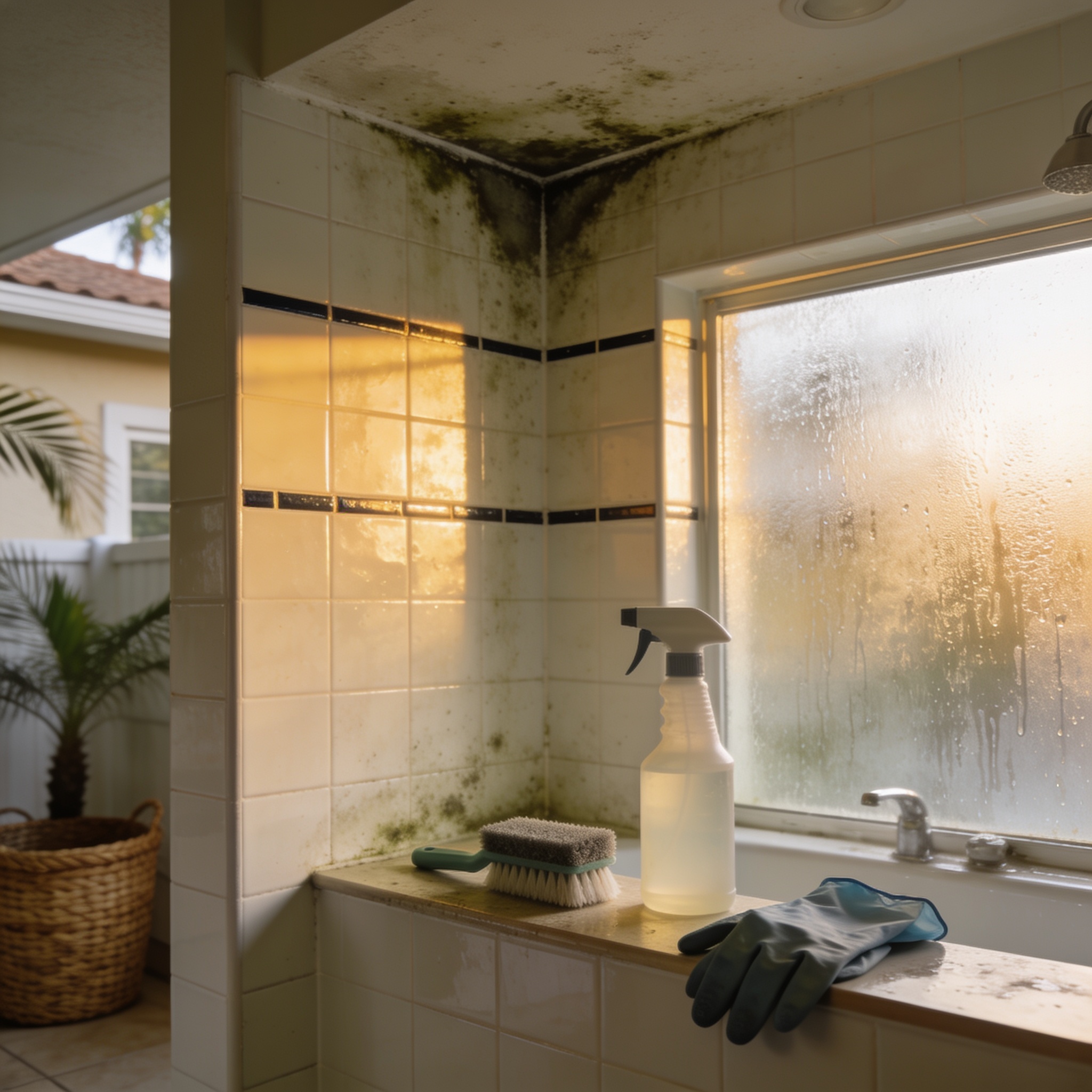
You can effectively remove mold in the bathroom by using a targeted cleaning solution on hard surfaces, typically costing between $20 and $50 for supplies if you handle minor infestations yourself. Because Southwest Florida’s high humidity frequently exceeds 75%, maintaining a dry environment is the primary factor in preventing the return of mold in the shower or on bathroom walls. Proper bathroom cleaning is essential to get rid of bathroom odors and health hazards. For those with sensitive immune systems, keeping the bathroom and shower free of fungal growth is vital to prevent respiratory irritation. Always keep a fresh paper towel nearby during your cleaning routine to wipe up excess moisture and prevent spores from settling.
Key Takeaways
- Identify the source of moisture, such as a leaking pipe or poor ventilation, before attempting to clean mold.
- Use personal protective equipment (PPE) like N95 masks and rubber gloves to minimize exposure to mold spores.
- Distinguish between surface-level mildew and deeper fungal growth that may require professional intervention.
- Prioritize moisture control through the use of exhaust fans and dehumidifiers to prevent mold from returning.
- Consult professional restoration experts if mold covers more than 10 square feet or if you suspect water damage behind drywall.
What is the difference between black mold and mildew in the shower and bathroom?
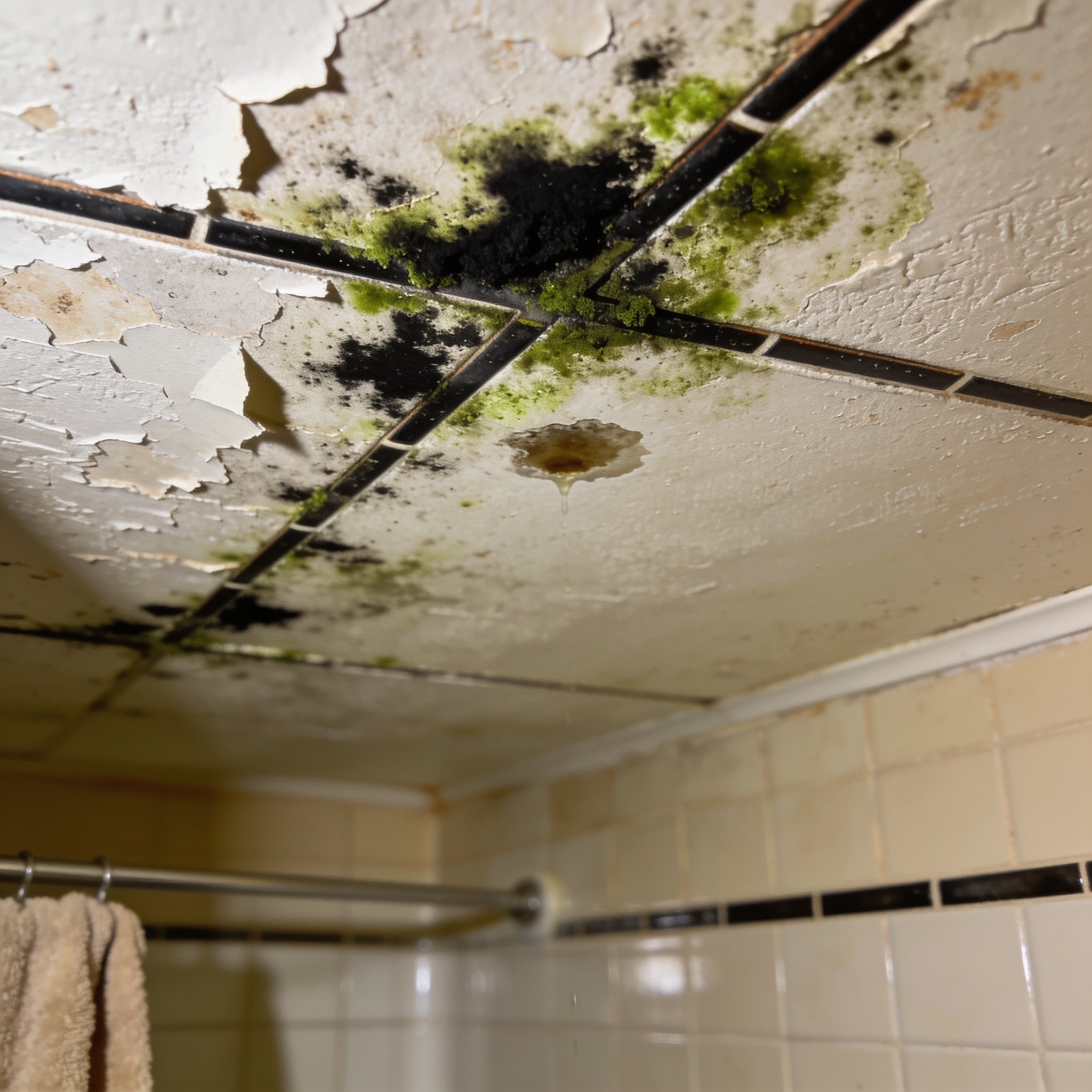
The primary difference between mold and mildew is their physical appearance and how they affect your bathroom surfaces. Mildew typically appears as a flat, powdery substance that is gray or white, whereas mold is often fuzzy or slimy and can appear in various colors like black, green, or red. If you find black mold, it is crucial to address it immediately to avoid a persistent cough or respiratory issues. Taking steps to get rid of black mold quickly helps protect your indoor air quality. When wiping down surfaces, use a disposable paper towel to ensure you are not cross-contaminating clean areas with mold spores.
Understanding mold growth and mildew stains
Mildew is generally a surface-level fungus that is easier to remove from tile and shower curtains. Mold, including the more concerning black mold, often penetrates deeper into porous materials like grout and drywall, requiring more aggressive treatment. You may notice stubborn mildew stains on your shower and bathroom fixtures that require a specialized remover to fully eliminate. According to the EPA, both types of fungi thrive in the high-humidity environments common in Lee and Collier counties.
What causes moldy conditions in the shower and bathroom?
The main driver of mold growth in the bathroom is the combination of constant moisture and a lack of proper ventilation. In Southwest Florida, the external climate already features high humidity, which makes indoor condensation a persistent challenge for homeowners. To keep mold from returning, ensure consistent airflow throughout the room. Additionally, mineral deposits from hard water can create a textured surface that traps moisture and organic debris, providing a perfect food source for mold colonies. After cleaning, use a dry paper towel to remove any remaining moisture from faucets and handles.
Environmental factors and mold in the shower
When you take a hot shower, steam settles on cold surfaces, creating the perfect breeding ground for mold spores. If your exhaust fan is ineffective or if you leave the bathroom door closed, this moisture remains trapped. Excess moisture accumulation on bathroom walls and ceilings is the leading cause of moldy areas in homes across Charlotte and Sarasota counties. If you notice mold in your shower, it is often a sign that moisture is trapped in the silicone seals.
What safety precautions should you take before you clean mold?
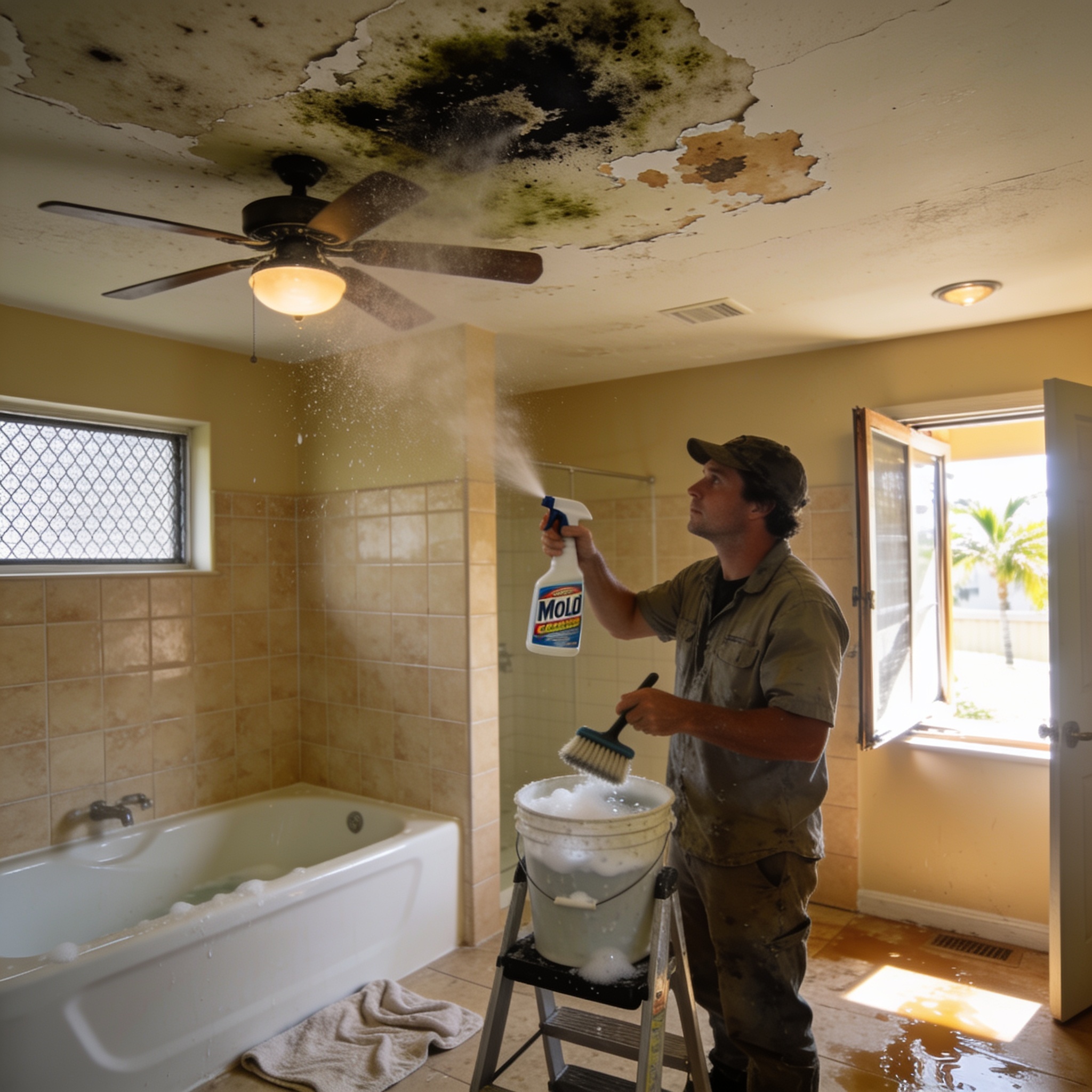
You must prioritize your health by wearing proper personal protective equipment before you start to clean mold. Exposure to mold spores can trigger allergic reactions, asthma attacks, or respiratory irritation, particularly for those with compromised health. Avoid mixing cleaning products, as this can create a dangerous fume. Keep a paper towel handy to quickly clean up any accidental spills of your cleaning solution.
Essential safety gear
- Wear N95-rated respirators to prevent inhaling airborne spores.
- Use heavy-duty rubber gloves to protect your skin from cleaning agents.
- Wear goggles to ensure no splashes reach your eyes.
- Ensure the area is well-ventilated by opening windows or running a fan.
Is bleach or vinegar better to kill mold and as a remover?
Vinegar is often superior to bleach for killing mold on porous surfaces because it penetrates the material, while bleach only kills mold on the surface. While a mixture of bleach and water is effective at whitening stains on tile, it does not always kill the root of the fungus on porous materials like caulk or grout. For a safer approach, you can kill mold without harsh chemicals by using non-toxic solutions. After applying these solutions, use a paper towel to blot, rather than rub, the area to lift the mold away.
| Cleaning Agent | Best For | Effectiveness |
|---|---|---|
| White Vinegar | Porous surfaces (Grout/Caulk) | High (Kills roots) |
| Bleach Solution | Non-porous (Tile/Glass) | Moderate (Surface only) |
| Baking Soda | Scrubbing soap scum | Low (Abrasive) |
| Descaling Agent | Removing hard water buildup | High (Prevents mold adhesion) |
| Disposable paper towel | Wiping away spores | Essential for containment |
What are the best methods and products to remove mold from tile?
The most effective method to remove mold involves a combination of a specialized cleaner and mechanical scrubbing. For non-porous surfaces like glass shower doors or ceramic tile, a standard disinfectant or a mixture of water and vinegar works well. If you need to dilute a concentrated cleaner, always follow the manufacturer’s instructions.
5-Step Cleaning Checklist
- Spray the affected area with your chosen cleaner and let it sit for 10-15 minutes to break down the mold colonies.
- Scrub the grout lines and shower walls vigorously using a stiff-bristled brush to dislodge the fungus, especially mold in grout.
- Wipe away the residue using a clean, disposable paper towel to ensure you do not spread spores to other areas.
- Rinse the surface thoroughly with warm water to remove any remaining chemical residue or dead mold.
- Rinse and dry the entire area completely with a fresh towel or a squeegee to prevent immediate re-growth.
How do you permanently remove mold and mildew from the shower or tub?
You can permanently get rid of existing mold by addressing the underlying moisture source rather than just cleaning the surface. If the mold has infiltrated the drywall or the subfloor, simple cleaning will not suffice, as the fungus will continue to grow from within the material. This is especially common for mold on bathroom surfaces that remain damp. Using a paper towel to dry corners after every use helps maintain the long-term results of your deep clean.
Addressing structural issues and professional mold removal
To permanently remove black mold, you must replace any water-damaged porous materials like caulk or drywall that have become deeply infested. For severe cases, consider reaching out to Mold Remediation & Removal Companies in Southwest Florida to ensure the structural integrity of your bathroom is restored.
How to clean silicone and address hard water
If mold has taken root in the silicone sealant, it is often best to remove the old caulk entirely. Use a utility knife to carefully cut away the old silicone, clean the underlying surface, and apply a fresh bead of mildew-resistant caulk. To prevent future issues, use a dedicated descaler to manage hard water buildup, as the mineral deposits can create microscopic crevices where mold spores hide and thrive. Once the area is clean, use a dry paper towel to ensure no water remains in the seam before applying new sealant.
When should you call a professional for bathroom mold removal?
You should call a professional if the mold growth covers an area larger than 10 square feet or if you suspect the infestation is hidden behind walls. Professional mold remediation experts have the industrial equipment to detect moisture behind tiles and safely contain spores so they do not spread throughout your home.
Signs you need help
If you notice a persistent musty odor despite regular cleaning, or if you have experienced water damage from a hurricane or pipe burst, professional intervention is necessary. Residents in low-lying areas should also check for water damage after heavy rain events; for instance, those needing Water Damage Restoration should prioritize professional inspections to avoid long-term structural decay.
How can you prevent mold from returning to your bathroom?
You can prevent mold from returning by maintaining a dry environment through consistent ventilation and regular cleaning habits. Keeping the humidity levels in your home below 50% is the most effective way to inhibit future mold growth. A simple habit is to keep a paper towel in the bathroom to quickly dry off shower walls after your morning routine.
Maintenance tips
- Run your bathroom exhaust fan for at least 30 minutes after every shower.
- Use a squeegee on shower walls and glass doors to remove excess water immediately.
- Replace old, cracked caulk around the tub and sink to prevent water from seeping into walls.
- Wash shower curtains and liners in the laundry frequently to prevent soap scum and mold buildup.
Frequently asked questions
Homeowners often have specific concerns regarding the safety and efficacy of mold removal in the unique climate of Southwest Florida.
Can I use a toilet bowl cleaner to remove mold?
While some toilet bowl cleaners contain bleach, they are often too harsh for tile or grout and can cause permanent damage to your bathroom finishes.
Is it safe to sleep in a room with mold?
It is not recommended to sleep in a room with active mold growth, as prolonged exposure to mold spores can negatively impact your respiratory health and sleep quality.
How often should I clean my shower to avoid mold?
You should perform a light cleaning of your shower weekly and a deep clean monthly to prevent the accumulation of soap scum, which feeds mold growth.
Does insurance cover bathroom mold removal?
Most standard homeowners insurance policies in Florida do not cover mold removal unless it is a direct result of a covered peril, such as a sudden pipe burst.
What should I do if I find mold behind the toilet?
Mold behind the toilet is often caused by a slow leak or condensation; address the leak immediately, dry the area with a paper towel, and disinfect the surface to prevent recurrence.
Our editorial team verifies licensing and reviews for every restoration company in the directory and writes practical, Florida-specific guides to help homeowners act fast and protect their insurance claims after water, fire, mold or storm damage.